
The medical device sector not only offers the potential for significant financial gains, with the market projected to reach $886.80 billion by 2032 from $518.46 billion in 2023, but it also holds the promise of improving or even saving lives.
However, the path to launching a successful medical device is complex and filled with obstacles. It requires careful planning, strict adherence to regulations, and thorough documentation from the outset.
The process is lengthy and iterative, often spanning three to seven years, especially for the more complex Class III devices that demand rigorous design controls. These controls are crucial for maintaining traceability and avoiding costly modifications later on.
Over 75% of new startups face challenges that can derail their projects, emphasizing the need not to skip any steps in the development process.
There is no guaranteed method for succeeding in the medical device market, but, with the help of on-demand manufacturing and rapid prototyping companies and machine shops, it is now easier than ever to get one’s foot in the door.
In this article, we’ll focus on easing these challenges and setting the stage for success in the medical device industry.
Medical Device Market

For companies new to the medical device industry, it is important to analyze the market in order to see where an opportunity may arise.
Established medical device companies — GE, Philips, DePuy Synthes, etc. — can use their reputation to sell products, even if they are not necessarily breaking new ground. For a new company to beat the established competition, however, it needs to find a fresh angle.
This needn’t always involve creating an entirely game-changing product. Market research often reveals surprising gaps in the market; identifying those gaps and developing a product to fill them is the first step in creating a successful medical device.
What is Medical Device Development?
Medical device development encompasses the entire lifecycle of a device, from the initial concept discovery through to post-market surveillance.
This process is grounded in several key principles: identifying unmet clinical needs, precisely defining user requirements, performing iterative testing, and maintaining a robust risk management framework.
For developers, staying current with regulatory updates from bodies such as the FDA and EU MDR is crucial to ensure that each development milestone is compliant with existing standards. A foundational aspect of this process involves establishing a comprehensive design history file (DHF) that documents all changes, thereby maintaining traceability throughout the device’s lifecycle.
Regulatory frameworks often outline a development progression that includes various phases such as initiation, concept/feasibility, design/development, verification/validation, and final launch, culminating in ongoing post-market oversight.
Some models even introduce an early “Phase 0” focused on market validation and high-level feasibility to determine whether a device is truly novel or analogous to existing solutions.
Why is Medical Device Design Important?
A well-conceived design addresses user-centric needs, leading to intuitive interfaces that minimize the risk of errors and improve clinical outcomes. Moreover, during the design phase, the focus is not only on innovation but also on creating solutions robust enough to withstand real-world applications and meet rigorous regulatory standards.
It is crucial for marketing and labeling to accurately reflect the device’s capabilities, as unsubstantiated claims can lead to regulatory non-compliance. Additionally, implementing rigorous design controls, such as risk management, verification, and validation early in the design process, helps in identifying potential hazards, thereby preventing costly recalls or failures.
Studies indicate that focusing on user-centric design can reduce error rates by over 30% in clinical settings, highlighting its importance in the successful deployment and operation of medical devices.
Understanding Medical Device Design Controls
Design controls represent a crucial framework within the medical device development process, mandated by regulations such as FDA 21 CFR 820.30 and ISO 13485. These controls are essential for ensuring the safety and effectiveness of products through meticulous documentation of user needs, risk analysis, and both design inputs and outputs.
Effective design controls encompass planning, inputs, outputs, verification, validation, transfer, changes, and rigorous recordkeeping. By implementing robust design controls, manufacturers can significantly reduce the likelihood of product recalls or safety issues post-launch.
This framework not only supports compliance with regulatory bodies but also integrates into a broader Quality Management System (QMS), enhancing traceability and ensuring that each design input corresponds seamlessly to an output and verified test.
What are the Key Phases of Medical Device Development?
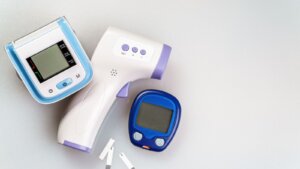
Medical device development is a structured yet flexible process designed to ensure safety, efficacy, and compliance of medical devices. It typically unfolds in six key phases:
- Discovery/Initiation: This initial phase involves identifying a market need and conceptualizing a product that can meet that need. Key activities include market research, preliminary risk assessments, and the first drafts of product specifications.
- Concept/Feasibility: Developers assess the feasibility of the concept through initial design and prototype testing. This stage often determines whether the device can proceed through more detailed design and development phases.
- Design/Development: During this phase, detailed design and development take place. It includes refining prototypes, performing rigorous testing, and ensuring compliance with all regulatory requirements. The design must also address user needs and product functionality comprehensively.
- Verification/Validation: These are critical steps where the design is verified against initial requirements and validated to ensure it meets user needs and intended uses. These phases are crucial for regulatory approvals and often involve extensive testing and trial runs.
- Final Validation/Product Launch: After verification and validation, the product undergoes final adjustments before the launch. This stage prepares the product for the market and includes final compliance checks and marketing strategies.
- Post-Market Surveillance: Once the product is in the market, continuous monitoring is essential to ensure ongoing safety and effectiveness. Feedback from end-users is collected and analyzed to inform future updates or corrections.
Phase 1 – Initiation, Opportunity, and Risk Analysis
In the initial phase of medical device development, companies must decide whether to pursue patent protection or utilize a predicate device for a potential 510(k) submission.
This stage involves strategic planning around funding, target markets, and the implementation of an ISO 13485-based Quality Management System (QMS). It is crucial to document intellectual property (IP) considerations and research into equivalent or competing devices to provide clarity on feasibility and associated costs.
Thorough risk analysis, conducted by cross-functional teams from clinical, engineering, and quality assurance domains, identifies potential hazards early on. This structured documentation is foundational, aiding in the anticipation of user needs and supporting budget allocations.
Notably, a formal risk management plan, often adhering to ISO 14971 guidelines, is established and should be continuously updated to reflect any new insights. Early activities in this phase also determine the device’s risk class—low-risk (Class I) or high-risk (Class III)—which will guide the development process’s complexity and timeline.
Identifying Unmet Medical Needs
Identifying unmet medical needs is crucial in defining the scope and direction of a new medical device. This process often involves engaging with end-users through interviews, surveys, and analyzing the shortcomings of similar devices.
These activities help determine whether the new device will provide a novel solution requiring clinical trials or if it can be categorized as “substantially equivalent” to an existing product under regulatory standards.
Early-stage feasibility assessments are essential to uncover any technical or regulatory barriers that might impede development. In some frameworks, this is considered “Phase 0,” focusing primarily on defining the device’s value proposition.
Demonstrating clear clinical advantages early in this phase can attract investment and partnership opportunities, particularly if the device targets a rapidly growing or underserved area of healthcare.
Conducting Market Research

Conducting thorough market research is pivotal for refining the design and strategic direction of a medical device. This research encompasses a comprehensive analysis of competitors and gathering feedback from targeted users or healthcare professionals, which informs the design process and functional specifications of the device.
Market research also clarifies the regulatory pathways applicable in different regions, helping to align the development strategy with regional approval processes. Early business strategies should include manufacturing cost estimates to assess the feasibility of scaling production.
Surveys and observational studies provide insights into whether the proposed device offers a significantly improved user experience compared to existing products, which is critical for successful market entry and adoption. Additionally, understanding distribution channels, reimbursement scenarios, and the logistics of healthcare systems are integral to preventing market misalignment after the product launch.
Evaluating Risks and Opportunities
In the critical early stages of medical device development, evaluating both design and manufacturing processes for potential hazards is paramount.
This evaluation considers how the classification of the device—whether Class I, II, III in the US, or Class I, IIa, IIb, III in the EU—affects the depth and cost of regulatory submissions. Mapping out risk management tasks according to ISO 14971 is essential to ensure that each identified risk is adequately mitigated or controlled.
This early risk analysis is vital to prevent costly redesigns and additional testing later in the development cycle. Many devices face setbacks if initial risk control measures are not thoroughly implemented; inadequate documentation can lead to “Refuse to Accept” notices, which delay regulatory clearances.
Additionally, some products, particularly those involving sophisticated software or electronic components, may require advanced hazard analysis as stipulated by standards like IEC 60601-1, further emphasizing the need for meticulous early risk assessment.
Setting Up a Quality Management System (QMS)
Establishing a Quality Management System (QMS) aligned with ISO 13485:2016 is critical from the outset of medical device development. This internationally recognized standard ensures that all processes, forms, and standard operating procedures (SOPs) are in place to control activities related to the medical device effectively.
Implementing a robust QMS early on helps streamline documentation for regulatory approvals and integrates critical elements such as design controls, risk management, and continuous improvement.
This system is crucial for maintaining comprehensive records throughout the device’s lifecycle, demonstrating compliance with FDA 21 CFR Part 820 or EU MDR quality requirements during audits or inspections. Planning how to maintain a thorough Design History File (DHF) from the beginning is an essential strategy for many companies.
Early implementation of QMS often reduces the likelihood of errors during the transition from prototype to full-scale manufacturing, and utilizing digital or cloud-based documentation systems can simplify updates and maintain real-time traceability.
Phase 2 – Concept, Formulation, and Feasibility Study
Phase 2 of medical device development, centered on concept formulation and feasibility studies, is crucial for determining the practicality of a device concept. During this stage, teams focus on creating early prototypes to test the design’s functionality and ensure it aligns with identified user needs and market demands.
Feedback gathered through customer surveys and interviews is instrumental in confirming that the device’s intended use meets market expectations. This phase also serves to establish the appropriate regulatory pathway, whether it be 510(k), PMA, or EU MDR, depending on the device’s risk classification and intended use.
Additionally, this phase involves rigorous feasibility checks for each prototype iteration, often referred to as “formulation.” These evaluations help refine the device’s design inputs, which are critical for later verification and validation processes.
The timelines for these activities can vary significantly, with simpler Class I devices requiring minimal checks and more complex Class III devices needing extensive testing to demonstrate proof of concept.
Brainstorming and Ideation
Brainstorming and ideation during this phase are dynamic and iterative, involving detailed exploration of the device’s potential functionalities and design.
This creative process includes developing proof-of-concept prototypes that test various engineering assumptions and user interactions. Documenting each concept iteration is vital for maintaining traceability and justifying design decisions, particularly if concepts are modified or discarded.
This stage may implement design sprints or “mini-gates,” allowing smaller teams to quickly refine ideas before proceeding to a more comprehensive design freeze. Early prototypes typically focus on validating single functions, such as sensor accuracy or mechanical robustness, which are essential for the subsequent holistic design validations.
Device Classification (Class I, II, III)
Understanding device classification early in development is fundamental for aligning with regulatory requirements and preparing for submission processes.
In the U.S., devices are categorized into Class I, II, and III, with each class representing a different level of risk and requiring varying levels of regulatory scrutiny.
Class I devices, posing the least risk, usually undergo a simple registration and listing process.
In contrast, Class II and Class III devices require more rigorous approvals, such as 510(k) clearances or PMA approvals, which involve demonstrating substantial equivalence or providing extensive clinical data, respectively.
The EU’s classification system similarly categorizes devices into Class I, IIa, IIb, and III, each with escalating requirements. Devices in higher risk categories, both in the U.S. and EU, necessitate in-depth clinical evidence and undergo lengthy review processes to ensure patient safety and device efficacy.
Additionally, alternative regulatory pathways like the De Novo process in the U.S. may be applicable for novel devices that do not have a predicate but still present moderate risks.
Determining Technical Feasibility
Determining technical feasibility is a critical step in Phase 2, involving rigorous assessments of whether the device design can meet user requirements under actual conditions and comply with regulatory standards, such as IEC 60601 for electrical safety.
This stage assesses the project’s timeline and budget viability, considering necessary resources like testing labs and regulatory approvals. Iterative prototyping allows for early verification of design assumptions, which is crucial to prevent costly changes in later phases.
Specialized testing, such as for biocompatibility (ISO 10993), ensures that the materials and components used do not cause adverse reactions in patients. These feasibility studies help finalize decisions on materials, software, and manufacturing processes, setting the stage for the next phases of development.
Phase 3 – Design and Development

During this crucial phase, the design of the medical device is solidified with a design freeze, marking a pivotal milestone that finalizes specifications before advancing to verification and validation testing.
Throughout the design and development phase, risk management is meticulously updated to account for any new hazards or use scenarios that may emerge.
This iterative approach ensures comprehensive coverage of all potential risks and compliance with regulatory standards, such as those outlined by the FDA or EU MDR.
A design traceability matrix plays a critical role here, linking each user requirement to corresponding design outputs and verification protocols, ensuring no aspect of the device is overlooked.
Advanced usability testing may also be conducted during this phase, fine-tuning the product’s interface or ergonomic features to significantly reduce the likelihood of user error.
Typically, the design-and-develop stage spans 6–12 months, dependent on the device’s complexity and the efficiency of prototype validations. Each prototype iteration refines the device further, addressing any previously identified gaps to minimize failures in later stages.
Creating Functional Prototypes
The creation of functional prototypes varies from low-fidelity models for basic material or structural tests to high-fidelity versions that fully operate complex electronic or mechanical components. These prototypes are crucial for incorporating real-time feedback from healthcare professionals, enhancing the device’s usability and user interface. All prototypes must be meticulously documented—recording materials used, testing parameters, and outcomes—to comply with rigorous regulatory standards. Bench tests may simulate extreme use conditions like temperature, humidity, or mechanical stress to confirm the device’s resilience under stressful scenarios. In some cases, prototypes are also used in preclinical settings to evaluate their interaction with biological tissues or their effectiveness in delivering therapeutic agents.
Implementing Design Controls
In line with FDA 21 CFR Part 820.30, implementing design controls is essential throughout the medical device development lifecycle. This includes rigorous documentation of design inputs, outputs, reviews, verification, validation, and any subsequent changes. Effective record-keeping facilitates regulatory submissions and demonstrates adherence to good manufacturing practices. Using structured processes or sophisticated software can aid in managing version control, cataloging user requirements, and conducting comprehensive risk analysis in real time. Whether following a waterfall model or an iterative approach, maintaining meticulous records ensures that no step in the design process is overlooked and that all design changes prompt necessary updates in risk assessments and verification protocols.
Iterative Development Process
The iterative development process is necessary for integrating changes based on user feedback, engineering modifications, or emerging hazards. Each alteration is thoroughly documented, allowing regulatory bodies to trace the device’s design evolution and verify the efficacy of implemented risk mitigations. Iterative loops often necessitate repeated verification or targeted validation, particularly if significant changes affect the device’s major functionalities. Adopting agile or “spiral” development models can expedite these feedback loops, integrating usability testing early and frequently. Case studies demonstrate that such frequent iterations can significantly reduce overall development time and costs if managed effectively, ensuring that the medical device meets all intended safety and functionality standards before progressing to market launch.
Phase 4 – Verification and Validation
In this phase of medical device development, verification and validation processes ensure that the product meets both the specified design inputs and the end user’s needs under real or simulated conditions.
Verification involves systematic testing to confirm that the device’s design outputs align perfectly with the initial design inputs. This might include assessments like bench testing or component level evaluations.
Validation, on the other hand, ensures that the final product fulfills the intended user needs and can perform effectively in its real-world application, often through clinical trials and user feedback sessions.
Accurate and effective testing strategies are crucial here, which also include the validation of the test methods themselves to confirm they measure what they are supposed to measure, such as material strength, electrical safety, or biocompatibility.
Any failures detected at this stage can lead to significant delays and increased costs. To mitigate these risks, some manufacturers undertake multiple pilot production runs to ensure consistent quality and performance before ramping up to full-scale production.
Additionally, packaging and shelf-life testing are often included to validate the product’s stability throughout its intended lifespan.
What is Verification vs. Validation?
Verification addresses whether the product was built correctly according to the design specifications—answering the question, “Did we build the product right?”
Validation, however, determines if the right product was built for the end-user’s needs—answering, “Did we build the right product?”
Incorporating ongoing risk assessments during these stages ensures that any new or previously unrecognized hazards are identified and mitigated. Successful verification often reduces the scope of adjustments needed during validation, which in turn can streamline the path to market approval.
Testing Methods and Standards
Adhering to recognized standards such as IEC 60601-1 for electrical safety and ISO 14971 for risk management, the testing methods employed during verification and validation are comprehensive.
These include environmental stress screening, biocompatibility testing, electromagnetic compatibility assessments, and robust packaging tests, each designed to rigorously challenge the product’s performance against its design specifications.
For complex or digitally driven devices, additional tests such as cybersecurity assessments and performance evaluations under real-time conditions are crucial.
Each testing protocol should be directly traceable back to specific design inputs to maintain clear linkage and compliance.
Compliance with Regulatory Guidelines
The FDA’s design controls must be seamlessly integrated with current good manufacturing practice (CGMP) requirements, while the EU’s Medical Device Regulation (MDR) demands a thorough conformity assessment according to Annex I safety and performance standards.
Essential to these processes is a robust Design History File (DHF), which provides regulators with a detailed blueprint of the development process, ensuring quicker review times and more straightforward audits.
For markets like the EU and the US, documentation must comprehensively demonstrate that all verification and validation activities have been executed as planned.
Additionally, preparing for post-market surveillance by planning and documenting these activities in advance can be crucial for maintaining compliance and ensuring the ongoing safety and effectiveness of the medical device post-launch.
Phase 5 – Final Validation and Product Launch
Final Validation and Product Launch is the conclusive phase where all testing data, including stability, sterilization, and shipping tests, are compiled and assessed to confirm the device’s readiness for market entry.
It’s essential that all marketing materials strictly adhere to the validated claims and intended use of the device to avoid regulatory complications. Preparation for regulatory submissions such as 510(k) for moderate-risk devices, Premarket Approval (PMA) for high-risk devices, or CE Marking in Europe should be meticulously planned to avoid any delays post-validation.
This phase also includes a final review of risk management documentation to ensure that no new risks have emerged during scale-up or manufacturing processes. The time to navigate this phase varies, with typical 510(k) clearances averaging around 177 days, while PMAs can extend up to 8 months or more, depending on the complexity and the data required by regulatory bodies.
Manufacturing Readiness Assessment
Before launching the product, a thorough Manufacturing Readiness Assessment ensures the production line can replicate the device consistently with high reliability.
Quality assurance checks confirm all aspects of the device match the finalized design specifications, including materials, tolerances, and labeling. Implementing Design for Manufacturability (DFM) principles helps minimize costs and complexities, ensuring smooth transition to mass production.
Assessing the reliability of the supply chain is crucial as any delays in component delivery can impact the launch timeline. Manufacturers may also perform several pilot production runs to confirm the manufacturing process is robust and ready for full-scale operation.
Pre-market Approval Processes
Navigating the pre-market approval processes involves understanding and choosing the correct regulatory pathway, whether it’s a 510(k) notification for Class II devices demonstrating substantial equivalence to a predicate, or a more rigorous PMA for Class III devices.
In Europe, the process adheres to EU MDR requirements, often involving a review by a notified body. It’s vital to ensure all documentation is complete and robust to prevent delays like “Refuse to Accept” notices from regulatory bodies.
For innovative or unique devices without existing predicates, the De Novo pathway offers a route to classify novel devices under lower-risk categories, although it still requires comprehensive risk evaluations and documentation.
Launch Strategy
The launch strategy for a medical device encompasses more than just bringing a product to market; it includes preparing detailed training for healthcare providers, especially if the device introduces new technologies or changes workflows.
Planning for global rollouts involves understanding and integrating local registration requirements, ensuring that supply chains are robust, and support systems are ready to handle post-launch needs. Developing a detailed project timeline helps manage and mitigate potential delays in final manufacturing or logistics.
Early engagement with potential users such as hospitals and clinics can facilitate quicker adoption and integration into the market, while post-launch marketing should focus on the device’s clinically validated benefits and performance to build trust and authority in the competitive medical device landscape.
Phase 6 – Post-Market Surveillance and Lifecycle Management
In the final phase of medical device development, post-market surveillance plays a crucial role in ensuring ongoing safety and efficacy of the device after it has entered the market.
This phase involves continuously gathering and analyzing real-world data to refine risk assessments, update product labeling, or implement necessary corrective actions. It’s vital to maintain a robust system for collecting feedback and managing complaints to promptly address any adverse events or suggestions for improvements.
Lifecycle management of a medical device extends well beyond its launch, requiring ongoing updates to documentation, risk management files, and Quality Management System (QMS) processes to ensure compliance with regulatory standards.
Monitoring Device Performance

Effective post-market surveillance includes active monitoring of the device’s performance through data collection from end-users, healthcare institutions, and existing databases.
This monitoring helps identify and address adverse events quickly and adjust risk mitigation strategies as necessary. Continuous analysis of collected data allows for the early detection of any usage patterns or environmental factors that might compromise device safety.
Utilizing cloud-based platforms can centralize this data, simplifying the compliance process with regulatory requirements such as those from the FDA or EU.
Handling Recalls and Modifications
If a recall becomes necessary, it is crucial to comply with local regulations concerning notifications, remedies, and timelines.
All corrective actions should be well-documented to update the risk analyses and design documentation effectively. Real-world incidents, such as those involving battery failures or material incompatibilities, highlight the importance of swiftly addressing design risks to prevent safety alerts and financial losses.
Transparent communication with regulatory authorities is essential in minimizing reputational damage and demonstrating a commitment to patient safety.
Continuous Improvement Strategies
Post-market data collection can reveal new user behaviors or limitations not previously identified, providing valuable insights for continuous improvement. Integrating periodic design reviews into the Quality Management System facilitates iterative enhancements to maintain a competitive edge.
Lessons learned should be fed back into the design inputs for future product generations, employing strategies like Kaizen to systematically reduce inefficiencies found post-launch.
Additionally, predictive analytics can help anticipate necessary design updates, further reducing the risk of field failures and enhancing product reliability and user satisfaction.
What Materials Are Used in Medical Device Development?
The selection of materials has to do with making a choice from a wide range of suitable options based on specific criteria that ensure safety, functionality, and compliance. Here’s a breakdown of commonly used materials and the considerations for selecting them:
- Stainless Steel: Preferred for its strength, corrosion resistance, and ease of sterilization.
- Titanium: Chosen for its higher strength-to-weight ratio, biocompatibility, and corrosion resistance.
- Medical-grade Polymers such as polyethylene and polycarbonate: Used for their versatility, light weight, and adaptability in various applications.
- Silicone: Valued for its flexibility, biocompatibility, and durability, especially in implants.
- Ceramics: Utilized primarily for their wear resistance and biocompatibility in orthopedic and dental implants.
- Biodegradable Polymers: Employed in applications where temporary support is required, such as sutures and implants that gradually dissolve.
Some considerations you need to factor in when selecting materials;
- Biocompatibility and Toxicity: Materials must meet ISO 10993 requirements, ensuring they do not elicit an adverse biological response.
- Mechanical Properties: Key factors include hardness and tensile strength to withstand physical stresses.
- Resistance to Sterilization Processes: Materials must maintain integrity after sterilization methods like gamma radiation or ethylene oxide.
- Regulatory Acceptance: The chosen materials should be appropriate for the device’s intended patient contact duration, differentiating between short-term and long-term implants.
- Documentation of Material Composition: Essential for verifying sterilization compatibility and assessing shelf life.
- Nanotechnology Enhancements: Advanced coatings or composite materials can enhance properties such as strength-to-weight ratios or reduce friction.
- Sustainability: The increasing use of biodegradable polymers addresses environmental concerns while meeting performance specifications.
What are the Main Manufacturing Processes Used for Medical Devices?
The manufacturing of medical devices involves a variety of processes tailored to meet strict industry standards and regulatory requirements.
Each process is chosen based on the material properties needed and the design requirements of the device.
In the next section, we’ll discuss all the key manufacturing processes, and what makes them stand out.
Injection Molding
Injection molding is frequently chosen for its efficiency in mass-producing components with complex shapes and fine details. Here’s a deeper look:
- Materials Used: Commonly used materials include medical-grade polymers such as polycarbonate, ABS, and polypropylene, which provide the necessary durability and precision.
- Machine Type: This process requires high-precision injection molding machines that can manage varying pressure and temperature levels to ensure the integrity of the molded parts.
- Considerations: The initial cost of creating precision molds can be high; however, this is offset by the reduced cost per part at high volumes, making it a cost-effective option for large-scale production.
Extrusion
Extrusion is particularly effective for producing continuous shapes like tubes, which are essential in many medical devices:
- Materials Used: Suitable materials include PVC, PET, and thermoplastic elastomers, chosen for their ability to maintain form and function over varying lengths.
- Machine Type: The extrusion process uses machines that can continuously push material through a die, maintaining strict control over the extruded profile’s dimensions.
- Considerations: It’s crucial to maintain tight control over the extrusion parameters to ensure consistent quality, especially when the tubing needs to perform reliably in medical applications.
Blow Molding
Blow molding is adept at creating hollow parts from thermoplastics, offering essential benefits for medical container manufacturing:
- Materials Used: This process commonly uses PET, polypropylene, and other medical-grade plastics that can form stable, sterile containers.
- Machine Type: Blow molding machines mold plastics into a preform, which is then blown into the final shape using precise air pressure controls.
- Considerations: Control over process parameters is vital to ensure that the final products meet the necessary safety and quality standards without compromising the sterile barrier.
Compression Molding
Compression molding is particularly effective for manufacturing high-strength, heat-resistant medical devices, using materials that might be too tough or rigid for other forming techniques. This process involves:
- Materials: Typically uses thermoset plastics, silicones, or rubbers which are known for their durability and resilience.
- Process: The selected material is placed in a heated mold cavity where it is subjected to pressure to form it into the desired shape. The heat and pressure are maintained until the material cures.
- Applications: Ideal for making silicone medical parts that require specific levels of hardness and elasticity, such as gaskets, seals, and valves.
- Equipment: High tonnage hydraulic presses are used to ensure even pressure distribution and proper curing.
Thermoforming
Thermoforming is a versatile process used extensively for producing lightweight and cost-effective plastic medical components:
- Materials: Commonly utilizes thin sheets of plastics like PVC, PET, or polystyrene.
- Process: Plastic sheets are heated to a pliable forming temperature, formed to a specific shape in a mold, and trimmed to create usable medical products.
- Applications: Predominantly used for making sterile medical trays and packaging that require a protective barrier against contaminants.
- Equipment: Utilizes vacuum or pressured forming machines to shape the heated plastic sheets.
3D Printing (Additive Manufacturing)
3D printing technology, or additive manufacturing, has revolutionized the production of complex and customized medical devices:
- Materials: Employs a range of materials from plastics and metals to biocompatible resins.
- Process: Digital models are created using computer-aided design (CAD) software, which are then constructed layer by layer in the 3D printer.
- Applications: Used for patient-specific implants, prosthetics, and anatomical models for surgical preparation.
- Equipment: Selective Laser Sintering (SLS) and Fused Deposition Modeling (FDM) are common technologies used, each suitable for different types of materials and detail requirements.
CNC Machining
The CNC machining process stands out in the production of bespoke and high-precision medical device components:
- Materials: Suitable for a variety of materials including metals like titanium and plastics such as PEEK, which are preferred for their strength and compatibility with human tissues.
- Process: Material is removed from a solid block using controlled, computer-programmed machinery that can mill, turn, and drill with high precision.
- Applications: Frequently used for creating components of surgical instruments and orthopedic implants where precision and reliability are paramount.
- Equipment: CNC machines that can handle complex programming and multi-axis movements for intricate shapes and fine details.
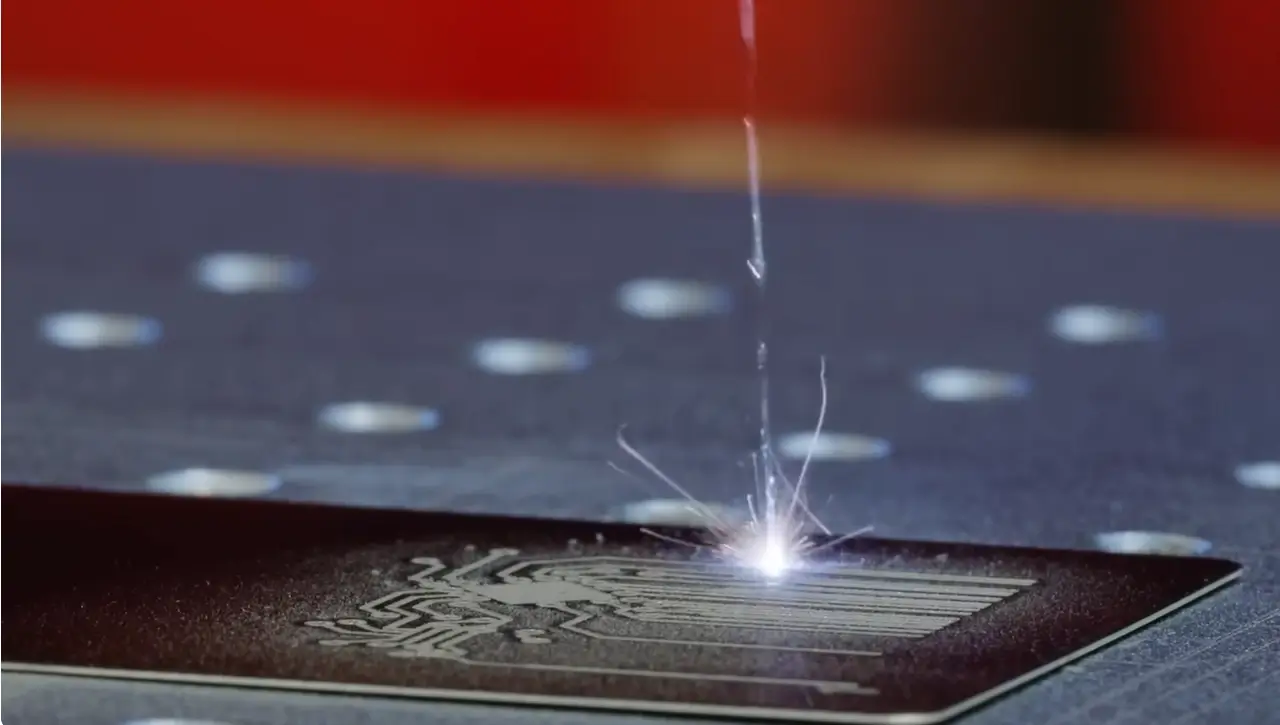
Laser Cutting
Laser cutting stands as a precise and versatile method within the medical device manufacturing sector, accommodating a range of materials including metals, polymers, and certain ceramics. This process is crucial for:
- Precision: Laser cutting delivers exceptional accuracy, making it ideal for the intricate components required in medical devices.
- Flexibility: It can be used across various materials to create detailed parts such as microfabricated components essential for minimally invasive surgery tools.
- Settings: The laser parameters, including wavelength and power, are finely tuned to match specific material properties, ensuring the integrity of sensitive materials like biomedical alloys is maintained without inducing heat damage.
- Efficiency: High-speed laser systems are capable of handling rapid production needs, allowing for quick turnarounds in custom part design.
- Material Suitability: Works effectively with a range of medical-grade materials, supporting innovation and customization in medical device development.
Waterjet Cutting
Waterjet cutting is another key technology used in the manufacture of medical devices, especially valued for its ability to cut without introducing heat:
- Material Preservation: By avoiding thermal stress, waterjet cutting is perfect for materials that are sensitive to high temperatures or might deform under thermal influence.
- Versatility: It is used for cutting advanced composites, thick metal parts, and other robust materials used in the creation of medical devices.
- Accuracy: Maintaining pressure consistency and managing nozzle wear are crucial to achieving precise cuts, ensuring that each part meets stringent medical standards.
Electrochemical Machining (ECM)
Electrochemical machining offers a unique approach to shaping metal parts through an electrolytic process that is both precise and gentle on the material:
- Surface Finish: ECM provides a smooth surface finish, which is essential for medical devices, particularly those in contact with blood, such as cardiovascular stents.
- Preservation of Properties: The process avoids thermal stress, thus preserving the mechanical properties of the metal used.
- Cost: While the setup for ECM can be higher than other methods, the investment is justified by the high precision and quality of the components it produces.
- Use Cases: Commonly applied in the production of fine, detailed surgical instruments and other critical medical device components.
Electrical Discharge Machining (EDM)
EDM is essential for creating complex shapes in electrically conductive materials, used widely in the medical field:
- Precision: Offers the ability to maintain extremely tight tolerances, essential for intricate components of medical devices.
- Surface Quality: The process naturally produces a high-quality surface finish, reducing the need for additional processing and ensuring the safety of implantable devices.
- Tooling: Particularly useful in the tooling for injection molds and for manufacturing precision surgical tools.
- Materials: Commonly used materials include hardened steels and titanium, which are preferred for their durability and biocompatibility.
Metal Stamping
Metal stamping is integral to producing high volumes of flat or contoured metal parts essential for medical devices. This process is especially favored for fabricating device enclosures, brackets, or frames due to its efficiency:
- Speed and Volume: High-speed stamping presses can deliver thousands of parts per hour, significantly reducing the cost per unit, making it ideal for large-scale production.
- Materials: Stainless steel and aluminum are predominantly used in metal stamping for their corrosion resistance and durability, crucial for medical environments.
- Process Advantages: The ability to produce consistent parts quickly meets the critical demand for reliability and quality in the medical device industry.
Forging
Forging is used to enhance the mechanical properties of metal parts by shaping them under high pressure. This process is crucial for components requiring high strength and durability:
- Strength Enhancement: Forging improves the structural integrity of metals, making them ideal for use in surgical tools and structural components of medical devices.
- Application: Especially useful for parts like orthopedic implants that require superior fatigue resistance.
- Post-Processing: Forged parts often undergo heat treatment or machining to meet precise tolerances necessary for medical applications.
Casting
Casting involves pouring molten metal or alloys into molds to create complex, tailored parts:
- Complex Geometries: Suitable for components with intricate designs, casting is often used for stainless steel or titanium parts.
- Precision: Investment casting allows for the production of precise geometries crucial for intricate device housings.
- Quality Control: Managing the purity of the metal and controlling cooling rates are vital to prevent material defects and ensure the integrity of the cast parts.
Welding (Laser, Ultrasonic, Arc, and Resistance Welding)
Welding techniques are pivotal for assembling metal-based components of medical devices, ensuring durable and safe connections:
- Precision Joining: Laser and ultrasonic welding are preferred for their precision, crucial for sensitive parts of medical devices.
- Consistency: Automated welding cells play a significant role in minimizing human error, providing consistent quality across productions.
- Post-Welding Treatment: Some welding processes require additional stress relief or finishing treatments to maintain the biocompatibility and functionality of the components.
Brazing and Soldering
Brazing and soldering are essential low-temperature processes used in the assembly of medical devices, particularly when joining dissimilar metals or integrating delicate electronics that could be damaged by higher temperatures. These techniques are crucial for:
- Precision and Safety: Utilizing capillary action, brazing provides strong, leak-proof joints critical for fluidic components of medical devices, ensuring no leakage occurs in crucial applications.
- Versatility: These methods are common in assembling printed circuit board (PCB) or sensor housings, which cannot endure the high temperatures of traditional welding.
- Material Compatibility: They allow for the combination of different materials, expanding the design capabilities and functionality of medical devices without compromising structural integrity.
Surface Treatment and Coating (Plasma, PVD, CVD, Anodization, Passivation)
Surface treatments and coatings enhance the performance and longevity of medical devices by improving their biocompatibility, corrosion resistance, and friction reduction. These processes include:
- Plasma Treatments: Improve the adhesion of coatings and are often used prior to other treatments to prepare the surface, enhancing the durability and efficacy of medical devices.
- Anodization: Strengthens aluminum parts, making them more durable and resistant to wear in medical environments.
- Advanced Coatings: Techniques like Physical Vapor Deposition (PVD) and Chemical Vapor Deposition (CVD) apply thin films that enhance wear resistance or provide antibacterial properties.
- Passivation: Commonly applied to stainless steel, passivation removes free iron from the surface, significantly enhancing rust resistance and overall safety.
Powder Metallurgy
Powder metallurgy stands out in medical device manufacturing due to its efficiency and precision:
- Efficiency: By forming components under high heat and pressure from metal powders, this process minimizes material waste compared to traditional machining, making it cost-effective and environmentally friendly.
- Design Flexibility: It is particularly beneficial for producing components with intricate internal structures or near-net shapes that require minimal post-processing.
- Customization: Sintering parameters can be adjusted to modify mechanical properties, allowing for high customization of parts based on specific medical needs.
Chemical Etching
Chemical etching is a precise manufacturing process used extensively for creating intricate details on ultra-thin metal sheets, ideal for stents and other micro-scale medical devices:
- Precision: This method allows for high precision in removing metal, controlled by protective photoresist masks that ensure only specific areas are etched.
- Consistency and Scalability: Offers high repeatability, crucial for mass production of devices with consistent quality and features.
- Material Preservation: Since it involves no mechanical stress, chemical etching preserves the integrity of the material, essential for the reliability of medical devices.
Microfabrication and MEMS (Micro-Electro-Mechanical Systems)
Microfabrication and MEMS technology revolutionize medical device manufacturing by enabling the creation of miniaturized sensors and actuators. These components are pivotal in developing advanced diagnostics and implantable devices. Key aspects include:
- Technological Sophistication: Utilizing photolithography alongside specialized deposition and etching processes allows for intricate component design essential in lab-on-a-chip devices and implantable biosensors.
- Environmentally Sensitive Production: Manufacturing these components requires cleanroom environments with stringent particle control to avoid contamination, ensuring the high precision and reliability these devices demand.
Cleanroom Assembly
Cleanroom assembly is critical in the production of medical devices, especially those requiring sterility or sensitivity to particulates, such as cardiovascular catheters. This process involves:
- Contamination Control: Adhering to ISO 14644 standards, cleanroom assembly utilizes specialized gowns and filtration systems to maintain critically low levels of particulates.
- Regulatory Compliance: Rigorous cleaning procedures and environmental monitoring are essential to document adherence to controlled contamination standards, ensuring that the assembly environment meets all necessary regulatory requirements.
Sterilization Processes (Gamma Radiation, Ethylene Oxide, Autoclaving, E-Beam, Plasma Sterilization)
Sterilization is a fundamental step in medical device manufacturing, with the selection of the method heavily depending on the material’s tolerance to heat or chemicals. This process ensures:
- Material Considerations: Gamma radiation is suitable for single-use plastic devices, whereas ethylene oxide is preferred for heat-sensitive plastics due to its lower temperature requirements.
- Safety and Compliance: Each sterilization method must validate that sterility assurance levels comply with regulatory thresholds, and processes like ethylene oxide sterilization require significant aeration post-treatment to eliminate toxic residues.
Printed Circuit Board (PCB) Manufacturing
PCB manufacturing is integral to medical devices that incorporate electronic functions. This process encompasses:
- Complex Assembly: The manufacturing process includes layered board fabrication, precise component placement, and soldering, adhering to IPC standards for ensuring reliability and functionality.
- Testing and Compliance: Medical devices require thorough testing for electromagnetic compatibility to prevent interference with other medical equipment, incorporating strategies for shielding and grounding to mitigate electromagnetic interference, ensuring device safety and efficacy in sensitive medical environments.
Wire Forming and Tube Bending
Wire forming and tube bending are crucial techniques in the medical device industry, particularly for manufacturing catheters, guidewires, and structural frames for implants. These processes:
- Precision and Performance: Must adhere to tight tolerances to ensure proper insertion and mechanical performance during medical procedures.
- High-Volume Production: Automated bending equipment allows for the mass production of consistent shapes, significantly reducing assembly errors and enhancing device reliability.
- Material Considerations: Choices like nitinol and stainless steel are favored for their flexibility and fatigue resistance, vital for the long-term functionality of medical devices.
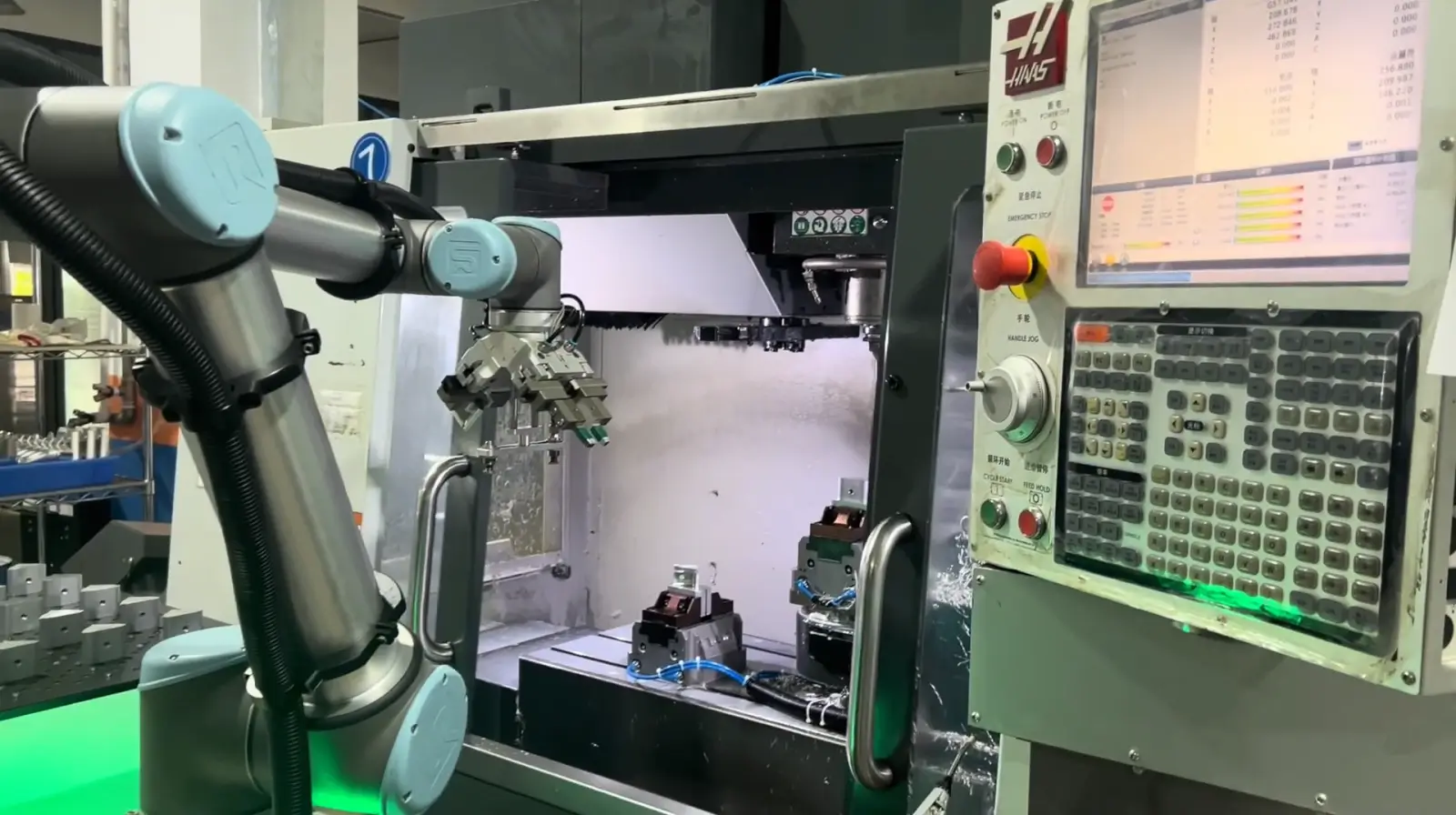
Robotic Assembly and Automation
Robotic assembly and automation revolutionize the production of medical devices by enhancing precision and reducing human error, particularly in high-volume environments. This process involves:
- Precision Assembly: Robotics excel in tasks requiring high precision, crucial for the assembly of delicate components.
- Collaborative Technology: Collaborative robots (cobots) are employed alongside human operators to manage complex assemblies or small-batch production, ensuring flexibility in operations.
- Quality Control: Inline sensors within automated systems monitor critical parameters like torque and alignment, facilitating early detection of defects to maintain high-quality standards.
Bioprinting and Tissue Engineering
Bioprinting and tissue engineering represent a frontier in medical device manufacturing, utilizing bio-inks, cells, and scaffolds to create functional tissue structures for implants or regenerative medicine applications. Key aspects include:
- Innovative Applications: These technologies are pivotal for developing lab-on-a-chip devices and implantable biosensors that mimic natural tissue functions.
- Regulatory and Clinical Testing: As an emerging field, bioprinting faces evolving regulatory landscapes and extensive clinical testing to ensure safety and efficacy.
- Supportive Materials: Customized hydrogels and biodegradable polymers are often used to enhance cell viability and support the integration of bioengineered tissues into the human body.
What are the Main Regulatory Standards for Medical Devices?
In the United States, the FDA’s Quality System Regulation (21 CFR Part 820) mandates comprehensive design controls, risk management, and stringent post-market surveillance to safeguard public health.
Similarly, the European Union’s Medical Device Regulation (EU MDR/IVDR) emphasizes risk-based classifications and requires thorough conformity assessments and clinical evaluations. Internationally, ISO 13485 provides a blueprint for quality management systems (QMS), complemented by ISO 14971 which focuses on risk management specific to medical devices.
Regulatory nuances include differing requirements for labeling and documentation across regions, notably the FDA’s Unique Device Identification system versus the EU’s similar UDI system under MDR. Many manufacturers pursue dual compliance to access broader global markets, navigating complex landscapes of standards and requirements to maintain regulatory adherence and market presence.
FDA Regulations (21 CFR Part 820) – US Market
The FDA’s framework under 21 CFR Part 820 encompasses a broad spectrum of requirements, including design controls, process validation, appropriate labeling, and efficient handling of complaints.
It integrates Current Good Manufacturing Practices (CGMP) which are crucial for maintaining product safety and effectiveness throughout the device lifecycle.
Key elements of compliance:
- Risk-based Inspection Model: The FDA prioritizes inspections based on potential risks to patient safety, focusing on critical areas such as design and manufacturing processes.
- Documentation Standards: Manufacturers must maintain comprehensive records like Device Master Records (DMR), Device History Records (DHR), and Design History Files (DHF) to demonstrate compliance and traceability.
European Medical Device Regulation (EU MDR and IVDR)
The EU MDR and IVDR represent a rigorous regulatory framework that governs the introduction and monitoring of medical devices within the European market.
These regulations demand extensive clinical evaluation, a precise risk classification system, and robust post-market surveillance to ensure ongoing compliance and safety.
Critical aspects of EU MDR/IVDR:
- Notified Body Review: Most devices above Class I require evaluation by a notified body, ensuring adherence to high standards of quality and safety.
- EUDAMED: The EU’s comprehensive database facilitates enhanced transparency and coordination across member states, centralizing device registration and incident reporting to streamline compliance and monitoring efforts.
ISO 13485: Quality Management System for Medical Devices
ISO 13485 establishes a comprehensive framework for meeting Quality Management System requirements in the design, manufacture, and distribution of medical devices.
It is harmonized with global regulatory requirements, which facilitates compliance and certification across different regions including significant variations like EN ISO 13485:2016 in Europe.
This standard is pivotal for maintaining consistent quality throughout the lifecycle of a medical device, making it crucial for smooth audits and market entry.
Key aspects of ISO 13485 include:
- Consistent Quality Assurance: Ensures all aspects of production meet predefined standards, which is essential for global market penetration and user safety.
- Streamlined Certification: Obtaining ISO 13485 certification can expedite approvals such as the CE mark in Europe, enhancing the device’s marketability.
What Is the Difference Between ISO 13485 and 21 CFR 820 Regulatory Standards?
While both ISO 13485 and 21 CFR 820 aim to ensure medical devices are safe and effective, they cater to different regulatory environments.
ISO 13485 is an international standard that provides a broad framework for a Quality Management System, applicable worldwide.
In contrast, 21 CFR 820 is specific to the U.S. and includes detailed requirements under the FDA’s Current Good Manufacturing Practices (CGMP), focusing more intensively on labeling, packaging, and explicit procedural controls.
Differences and synchronizations:
- Scope and Specificity: ISO 13485 is less prescriptive but broader in scope compared to the detailed and specific requirements of 21 CFR 820.
- Harmonization Efforts: The FDA is working to align more closely with ISO 13485, potentially simplifying compliance for international manufacturers by 2026.
ISO 14971 and Risk Management
ISO 14971 provides a thorough framework for managing risks associated with medical devices. It guides manufacturers in identifying, assessing, controlling, and monitoring risks throughout the device lifecycle, closely tied to design controls and user requirements.
This standard is essential for documenting mitigation strategies for each identified risk, ensuring that all potential hazards are addressed proactively.
Essential elements of ISO 14971 include:
- Lifecycle Risk Management: Ensures continuous assessment and control of risks from design to post-market.
- Regulatory Compliance: Many global regulatory bodies require proof that risk management activities are effectively implemented and reflect real-world use and feedback.
IEC 60601: Safety Standards for Electrical Medical Devices
IEC 60601 is a series of technical standards for ensuring the safety and essential performance of medical electrical equipment.
This standard addresses the risks associated with electrical, mechanical, and thermal safety and is critical for devices that either deliver energy to the patient or monitor their condition.
It’s frequently updated to incorporate new technological advancements and emerging hazards, ensuring devices remain safe as new therapies and technologies develop.
The key aspects of IEC 60601 include:
- Safety Tests: Includes rigorous checks for leakage currents, insulation breakdown, and electromagnetic compatibility, ensuring devices operate safely under all conditions.
- Cybersecurity: For devices connected to networks, IEC 60601 increasingly emphasizes the importance of securing devices against potential cyber threats.
What are the Key Design Considerations for Medical Devices?
Designing medical devices involves a series of critical considerations that ensure the devices perform safely, effectively, and in alignment with regulatory standards.
Understanding these factors is key to successful device development and deployment.
- Human Factors Engineering: Prioritizes usability and ergonomics to enhance user interaction and minimize errors.
- Device Interoperability: Ensures compatibility with hospital information systems, adhering to applicable standards for seamless integration.
- Power Management and Electromagnetic Compatibility: Essential for active devices to operate reliably within clinical environments without causing or being susceptible to interference.
- Labeling and User Comprehension: Creates clear, understandable instructions aligned with user literacy levels to prevent misuse.
- Use of Simulation Tools: Employs advanced modeling to predict device behavior under various stress and fatigue conditions, enhancing reliability.
- Clinical Feedback: Involves end-users in the design process to refine the device interface, making it intuitive and reducing the learning curve.
- Durability and Sterilization Compatibility: Ensures that the device can withstand repeated use and sterilization, maintaining safety across multiple patient interactions.
Software Used in Medical Devices Designing and Development
The development of medical devices heavily relies on specialized software tools that support design and ensure compliance with industry standards.
- CAD/CAE Software: Used for creating detailed mechanical designs and conducting simulations to assess structural integrity.
- Embedded Software Development: Involves tools specifically designed for programming medical device software, ensuring reliability and compliance with standards like IEC 62304.
- Cybersecurity Protocols: Critical for devices that connect to networks, ensuring data protection and system integrity according to the latest FDA guidelines.
- Traceability Tools: Utilized to link design inputs to outputs, facilitating easier changes and ensuring that all design steps are documented and verifiable.
- Real-Time Monitoring: For devices that monitor patient data, ensuring that all transmitted information is secure and accurately recorded, with strong encryption and rigorous validation processes.
How Much Does It Cost to Develop a Medical Device?
Developing a medical device is a complex and varied financial investment that depends significantly on the device’s classification and intended use. Below are the average cost ranges and factors contributing to the total expenditure:
- Class I Devices: Generally less complex, costing under $1 million to develop.
- Class II Devices: Moderate complexity with development costs typically ranging from $1 million to $10 million.
- Class III Devices: High complexity and critical use devices, often exceeding $10 million due to rigorous testing and regulatory requirements.
Here’s the cost breakdown to give you a better insight;
- Research and Development: Early prototypes and design refinements can consume $2–$5 million, with more for Class III devices.
- Regulatory Submissions and Clinical Trials: Essential for FDA approval, these phases can significantly increase overall costs, especially for devices that require extensive human trials.
- Manufacturing Scale-Up: Transitioning from prototypes to full-scale production involves substantial investment in manufacturing processes and quality control systems.
Some additional financial considerations include;
- Contingency Planning: Budgeting for unexpected challenges, such as repeated testing or additional clinical trials, is crucial.
- Post-Market Surveillance: Monitoring the device post-launch to ensure it remains safe and effective in the real world often requires an additional 10–20% of the total development cost.
How Long Does It Take to Develop a Medical Device?
The timeline for developing a medical device varies widely based on the device’s complexity and regulatory pathway. FDA clearance can be as quick as a week for some Class I devices but extends to six months or more for most Class II devices under the 510(k) pathway, and even longer for Class III devices undergoing PMA.
Here’s an overview of the timeframes for different device classes:
- Class I Devices: These often have the shortest development timeline, ranging from a few months to two years, due to minimal regulatory requirements.
- Class II Devices: Typically take between one to three years, influenced by the need for substantial equivalence under the 510(k) process and potential FDA requests for additional information.
- Class III Devices: The most complex devices requiring premarket approval (PMA), with development timelines extending from three to seven years, depending on the necessity for extensive clinical data.
In some cases, factors like ongoing clinical studies or surveillance post-launch can influence the time duration.
Also, modifications based on initial user feedback or clinical trial results may necessitate additional rounds of testing or approval, further elongating the development timeline.
Class 1 Devices
Class 1 medical devices, known for their minimal risk, typically undergo a streamlined development process due to general controls and limited regulatory requirements.
These devices, including examples like tongue depressors and handheld surgical instruments, may only require registration and listing with the FDA, significantly reducing the time and cost associated with more complex devices.
Development times for Class 1 devices can be as short as a few months, provided that the design and documentation are thoroughly managed. Additionally, many low-risk, non-invasive accessories categorized under Class 1 do not require premarket notification, allowing them to reach the market more rapidly.
Class 2 Devices
Class 2 devices, which constitute about 43% of medical devices in the U.S., generally require a 510(k) clearance demonstrating substantial equivalence to a legally marketed predicate.
This process typically involves a 3–6 month review period by the FDA, which can extend if additional information is needed. Examples of Class 2 devices include contact lenses and catheters, which must demonstrate safety, effectiveness, and proper labeling.
Development of Class 2 devices often requires more extensive testing, especially if the device incorporates enhanced usability or novel features.
Class 3 Devices
Class 3 devices represent the highest risk category and usually require a Pre-market Approval (PMA), including extensive clinical trials to collect safety and efficacy data.
These devices, such as implantable defibrillators and prosthetic heart valves, typically face the longest development timelines, with the FDA review process alone possibly extending beyond eight months. Class 3 devices are fewer in number—making up about 10% of devices—but require the most significant investment in terms of time and resources.
Delays in clinical trials can lead to substantial setbacks, often resetting the entire process if the trials do not meet the regulatory standards for safety and efficacy.
What are the Most Common Challenges in Medical Device Development?
Developing medical devices is an intricate process fraught with various challenges that can impact the efficiency and outcome of a project. Below are some of the most common challenges along with strategies to address them:
- Understanding User Needs: Misalignment on user requirements can significantly delay development processes. To mitigate this, conduct thorough stakeholder interviews, utilize simulations, and engage in user interface modeling early in the design phase to ensure alignment and understanding.
- Understaffed Teams: Smaller teams may struggle with maintaining up-to-date documentation or covering all necessary roles effectively. Outsourcing specialized tasks to qualified partners can alleviate workload and improve focus on core development tasks.
- Lack of Expertise: A common stumbling block is insufficient regulatory knowledge, particularly with FDA regulations, leading to repeated ‘Refuse to Accept’ responses. Hiring or consulting with regulatory experts can streamline submissions and reduce costly delays.
- Navigating FDA Regulations: The complexity of regulatory requirements increases when targeting multiple markets, such as the US and EU. Develop parallel compliance strategies tailored to meet the specific requirements of each regulatory body to avoid setbacks.
- Documentation Gaps: Lapses in maintaining robust design controls can lead to confusion during verification and validation phases, prolonging schedules and inflating budgets. Implement comprehensive documentation practices from the start to ensure a smooth review process by regulatory authorities.
- Funding Constraints: Financial limitations can restrict the quality or speed of R&D. Prepare thorough cost projections and consider phased financing to manage expenditures throughout the development cycle.
- Technological Advancements: With rapid advancements in technologies like AI and IoT, it’s crucial to remain proactive in compliance strategies to stay ahead of regulatory updates.
- Global Market Entry: When planning for global market access, ensure that your development plan includes strategies for meeting the diverse and often stringent regulatory standards of different regions.
What are Some Alternative Approaches to Traditional Medical Device Development?
Exploring alternative approaches to traditional medical device development can significantly enhance innovation and efficiency. Here are some models to consider:
- Incremental or Agile Development: Embracing iterative improvements can shorten feedback loops, allowing for quicker pivots based on real user feedback.
- Partnership with Academic Institutions or Research Consortia: Collaborating with these entities can provide access to specialized tests or pilot studies, which can be crucial for early-stage development.
- Open-Innovation Platforms and Hackathons: These forums allow for rapid prototyping of ideas and gathering a wide range of inputs before formalizing the design, speeding up the innovation process.
- Extended Feasibility or ‘Phase 0’ Approach: Concentrating intensively on user needs before formal design controls can help in fine-tuning the product according to precise market requirements.
- Pilot-Scale In-House Manufacturing: This can confirm the viability of the product before large-scale investments are made.
- Virtual Prototyping and Simulation: Utilizing these technologies can reduce the costs associated with physical testing in the early stages of development.
Conclusion
We’ve reached the conclusion of our discussion on medical device development, and it’s clear you’ve picked up several key insights that will enhance the lives of those we serve. Remember the critical importance of robust risk management and implementing a strong Quality Management System. These ensure your products not only meet quality standards but also comply with regulations.
It’s also essential to stay current with technological advancements and regulatory updates, like those in ISO 13485 or the EU MDR. These changes help us keep our products competitive and compliant.
Looking forward, emerging technologies like artificial intelligence will transform the way we develop medical devices, necessitating new approaches and increased collaboration. By working together—clinicians, engineers, and regulatory experts—we’ll continue to innovate and elevate patient care.
Frequently Asked Questions
1. What Degree Do You Need to Design Medical Devices?
To design medical devices, you typically need a bachelor’s degree in biomedical engineering, mechanical engineering, or a related field. This educational background equips you with essential engineering principles and an understanding of biological sciences, which are vital for creating effective medical devices. Familiarity with standards such as ISO 13485, which outlines requirements for a quality management system, and FDA regulations is crucial. Understanding risk management, particularly ISO 14971, sets candidates apart in their ability to design safe and effective devices.

Comment
0 comments
Got thoughts or experiences to share? We’d love to hear from you!