Upload your 3D model and get a quote in hours. SHBD Metal provides professional online 3D printing services — from rapid prototyping to end-use production — using FDM, SLA, SLS, SLM, and MJF technologies. Parts ship in as fast as 3 days.
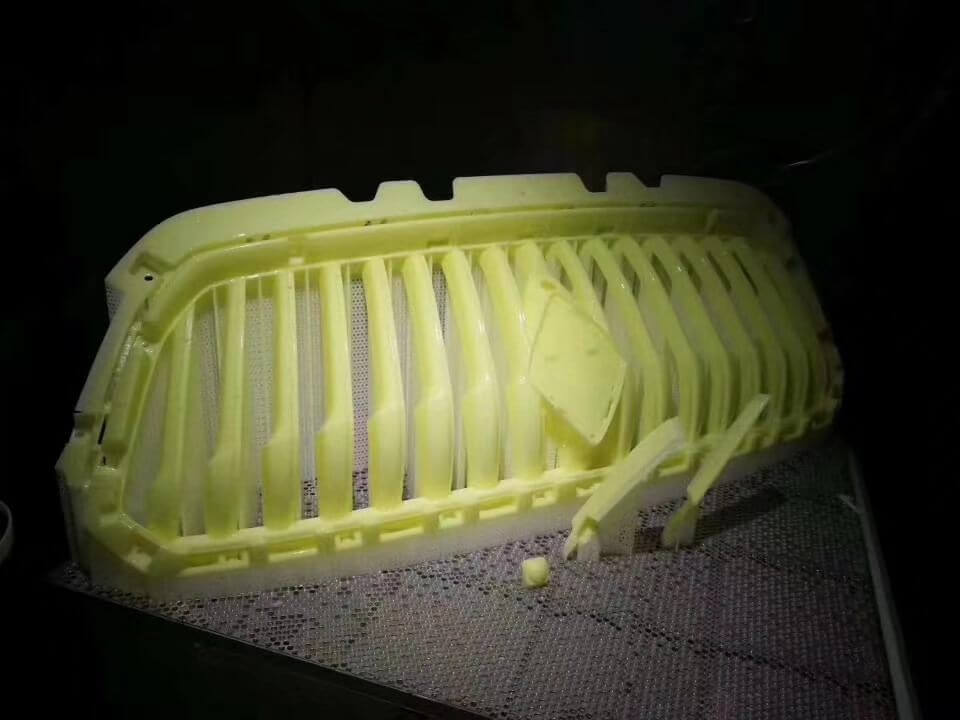
Minimal material waste with no tooling costs. Perfect for low-volume production and rapid iteration cycles.
Surpass traditional manufacturing limits. Create intricate internal channels, lattices, and organic shapes with ease.
No tooling delays. Parts ship in as little as 3 days with express options available for urgent projects.
Iterate easily without costly mold modifications. Rapidly test multiple design variations in parallel.
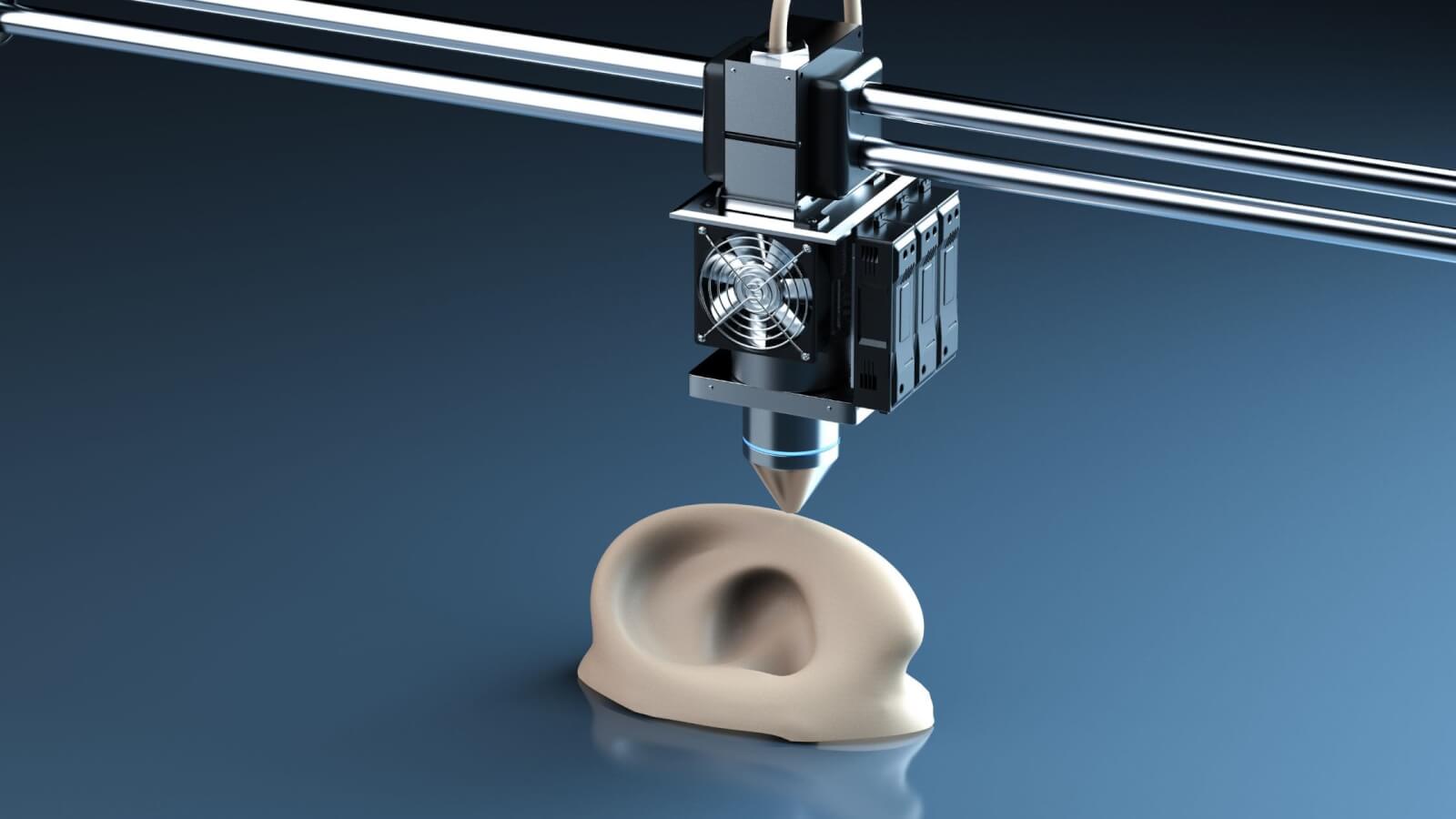
SHBD Metal offers reliable 3D printing services to support every stage of your product development, from early prototypes to full production. Whether you need functional parts for testing or high-quality components for end use, we deliver accurate and custom 3D-printed parts on demand at an affordable price.
We work with over 20 engineering-grade metals and plastics, using advanced additive manufacturing technologies to meet a wide range of application needs. Our capabilities include major 3D printing processes such as selective laser sintering (SLS), fused deposition modeling (FDM), stereolithography (SLA), and direct metal laser sintering (DMLS).
For more advanced requirements such as complex geometries, enhanced mechanical performance, or full-color parts, we also offer PolyJet, Carbon DLS, metal binder jetting, and HP Multi Jet Fusion (MJF). With industrial-grade equipment and strict quality control, we make sure every part meets your specifications.
We offer a comprehensive range of additive manufacturing technologies to suit every stage of product development. Each process is paired with a curated selection of materials to match your functional, aesthetic, and budgetary requirements.
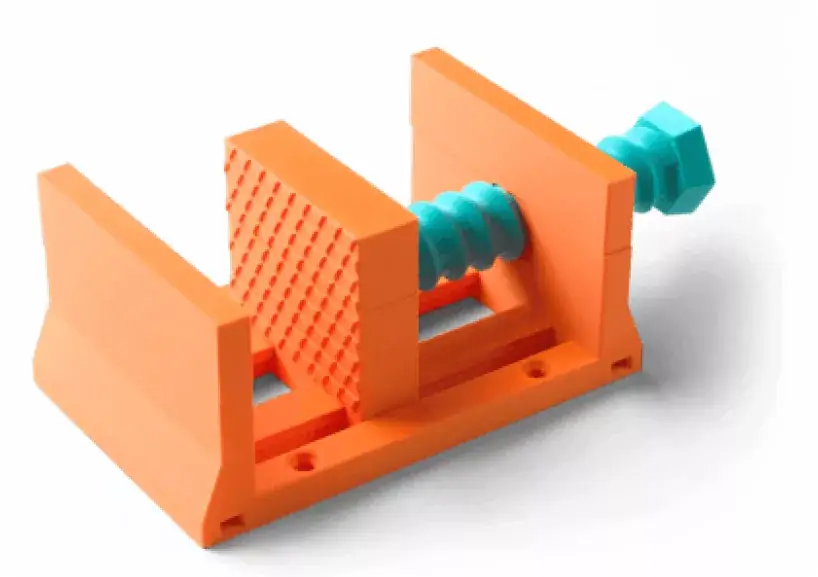
FDM is the most cost-effective solution for large format builds and rapid design validation. Utilizing engineering plastics like ABS, PC, and PLA, it is ideal for parts with simple geometries and large dimensions.
Get Instant Quote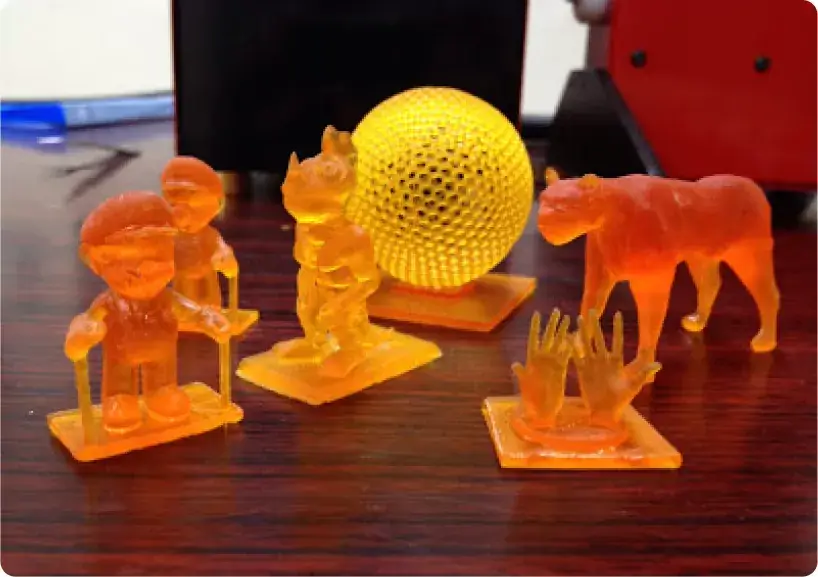
SLA delivers exceptional surface finish and fine detail with layer resolutions down to 25 microns. Perfect for visual prototypes, master patterns, jewelry, and dental applications.
Get Instant Quote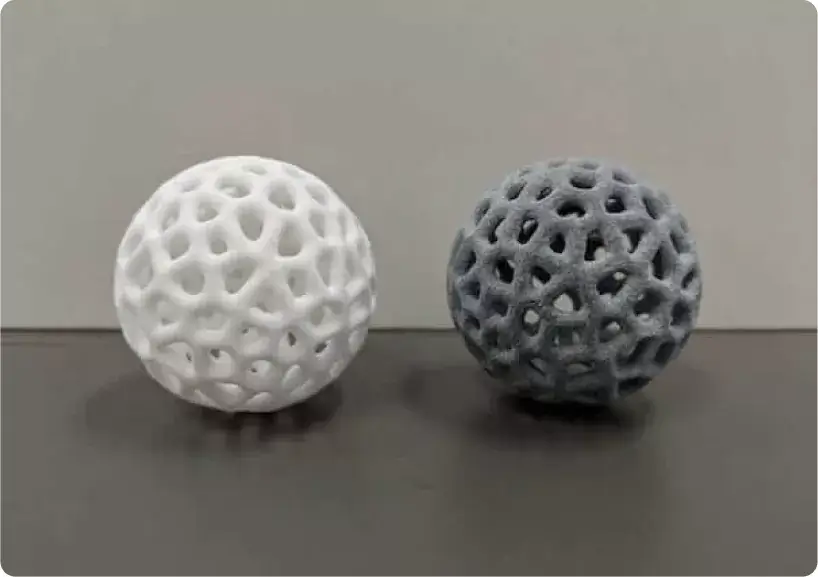
SLS uses a laser to fuse nylon powder into strong, durable parts. No support structures are needed, enabling complex geometries. Ideal for functional prototyping, ducts, housings, and end-use parts.
Get Instant Quote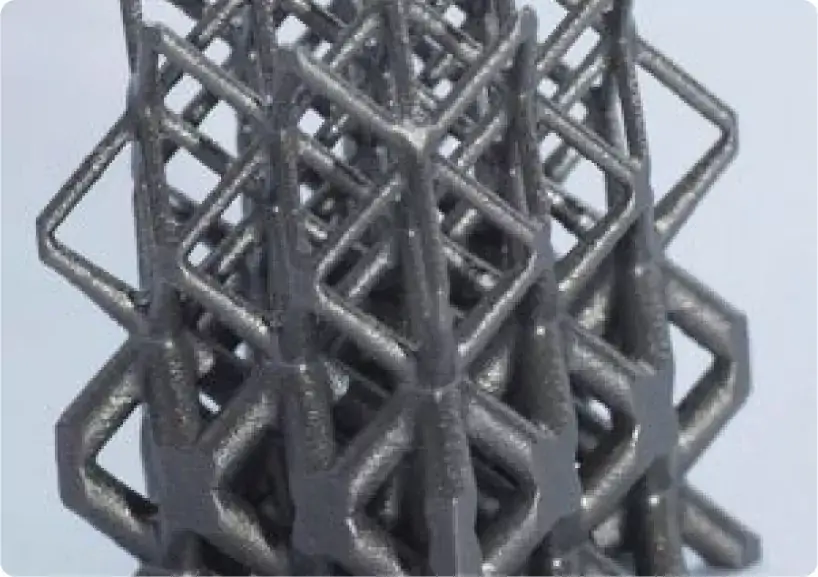
Selective Laser Melting fuses metal powder layer by layer to produce fully dense metal parts. Materials include stainless steel 316L, titanium Ti6Al4V, aluminum AlSi10Mg, Inconel 718, and maraging steel.
Get Instant Quote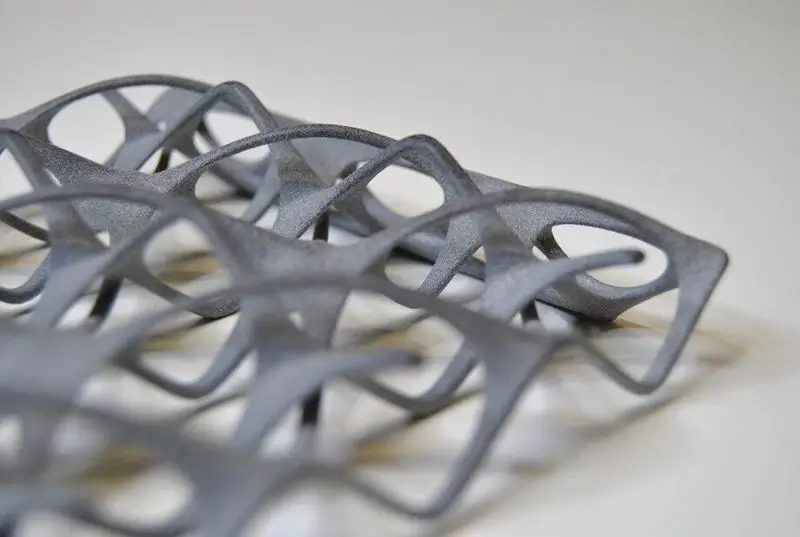
HP's Multi Jet Fusion technology produces isotropic nylon parts with excellent mechanical properties and high throughput. MJF offers consistent quality, fine detail, and full-color capabilities.
Get Instant QuoteSelecting the right technology is critical for your part's functional and aesthetic requirements. The comparison guide below covers dimensional accuracy, available materials, and typical lead times.
| Feature | FDM | SLA | SLS | MJF | SLM / DMLS |
|---|---|---|---|---|---|
| Accuracy | ±0.5 mm | ±0.1 mm | ±0.3 mm | ±0.2 mm | ±0.1 mm |
| Max Build Size | 1000 × 1000 × 1000 mm | 600 × 600 × 400 mm | 380 × 380 × 580 mm | 380 × 380 × 380 mm | 250 × 250 × 330 mm |
| Layer Thickness | 100–400 μm | 25–100 μm | 80–120 μm | 80 μm | 30–60 μm |
| Materials | PLA, ABS, PETG, PC, Nylon, TPU | Standard Resin, Tough, Clear, Flexible, Castable | PA12, PA11, PA-GF, TPU | PA12, PA11, PA-GF, TPU | SS 316L, Ti6Al4V, AlSi10Mg, Inconel 718 |
| Lead Time | 3–7 business days | 3–7 business days | 5–10 business days | 5–10 business days | 7–15 business days |
| Best For | Large prototypes, jigs & fixtures | High-detail visual models, patterns | Functional parts, complex assemblies | Production-grade nylon parts | End-use metal components |
3D printing is transforming manufacturing across industries, enabling faster innovation and more efficient production. Explore how our services support key sectors.
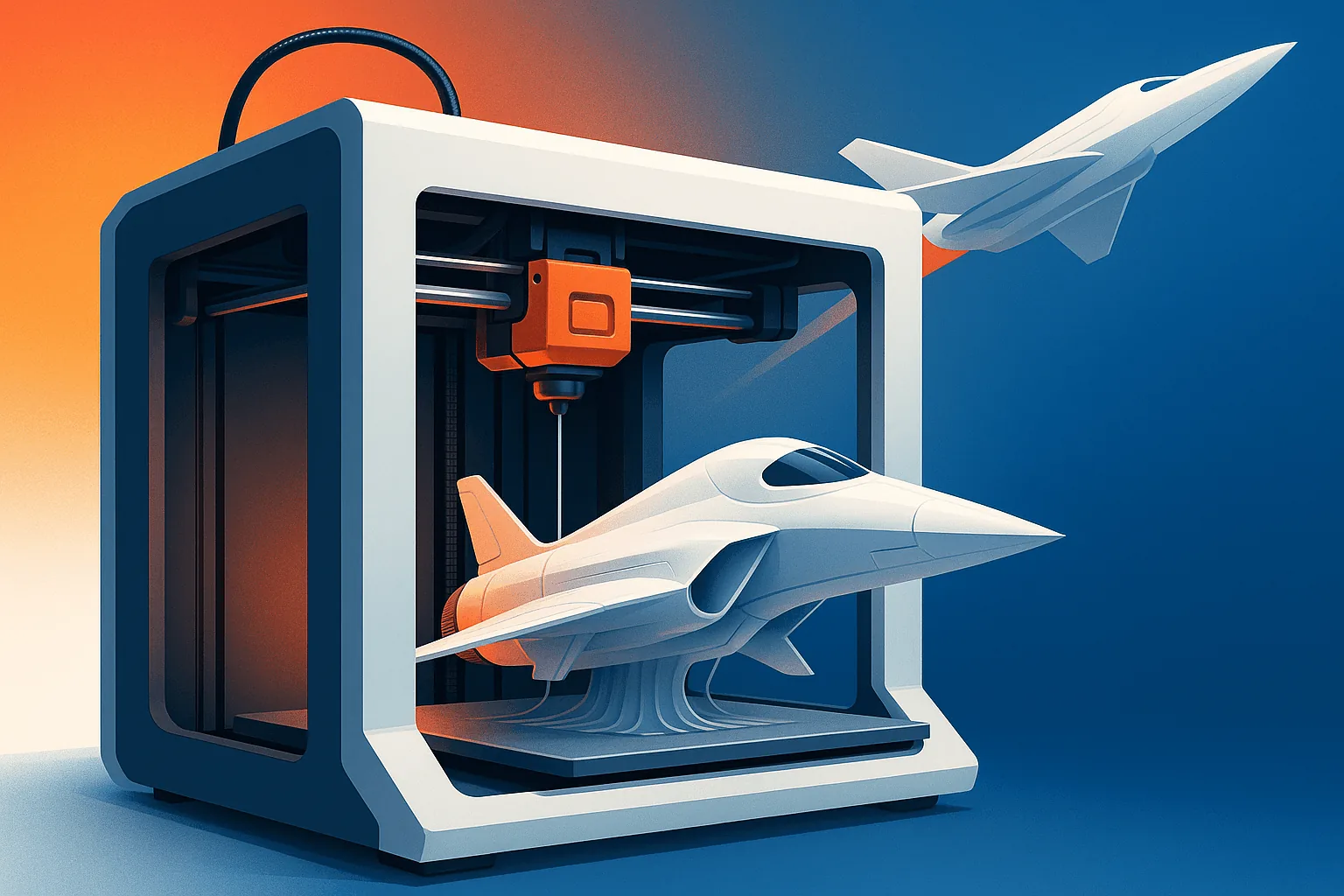
3D printing serves the aerospace sector for prototypes and production components including structural parts, engine elements, turbine blades, and spare components.
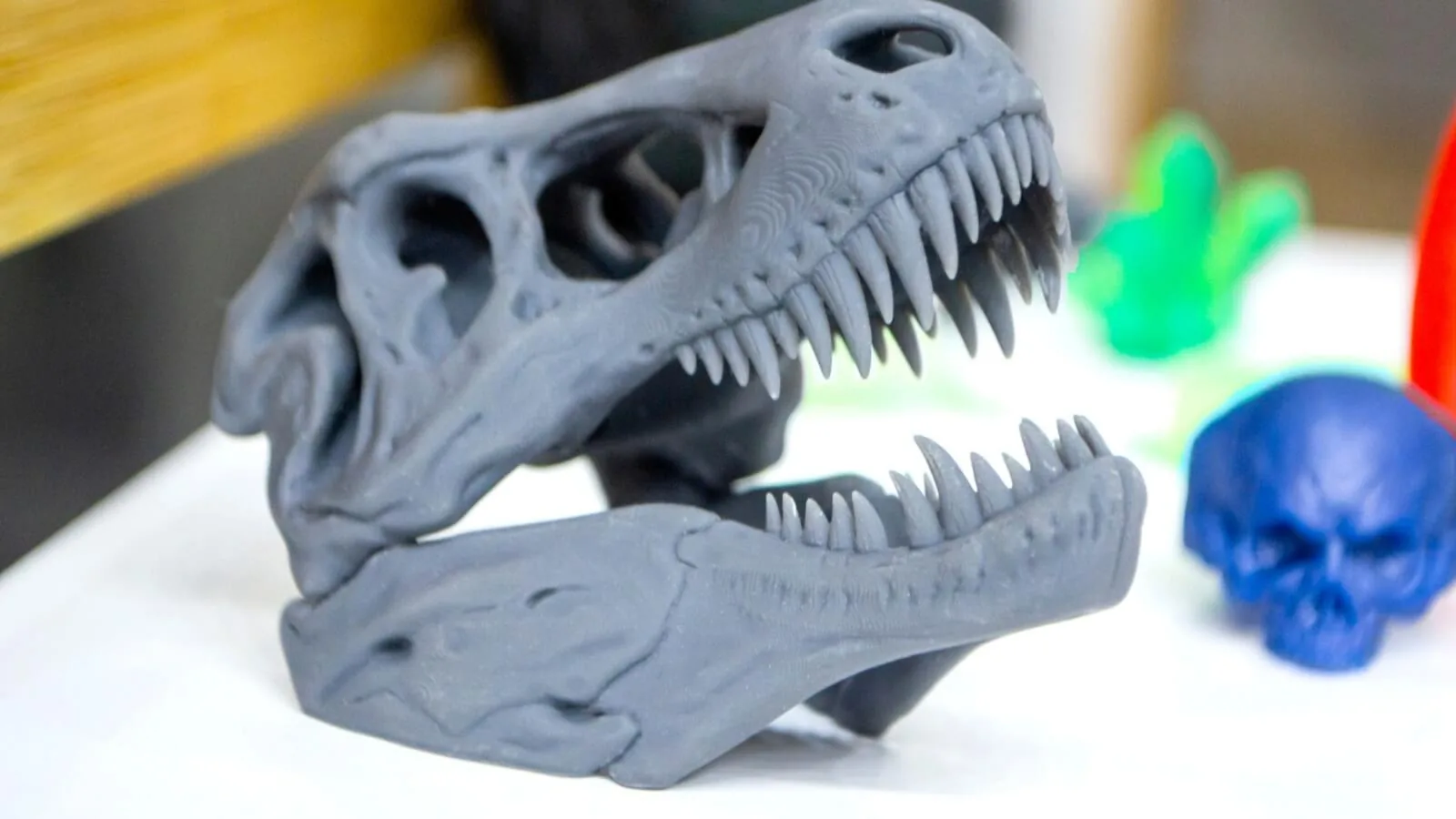
Medical 3D printing creates patient-specific anatomical models from advanced imaging to support surgical planning, device design, and clinical research.
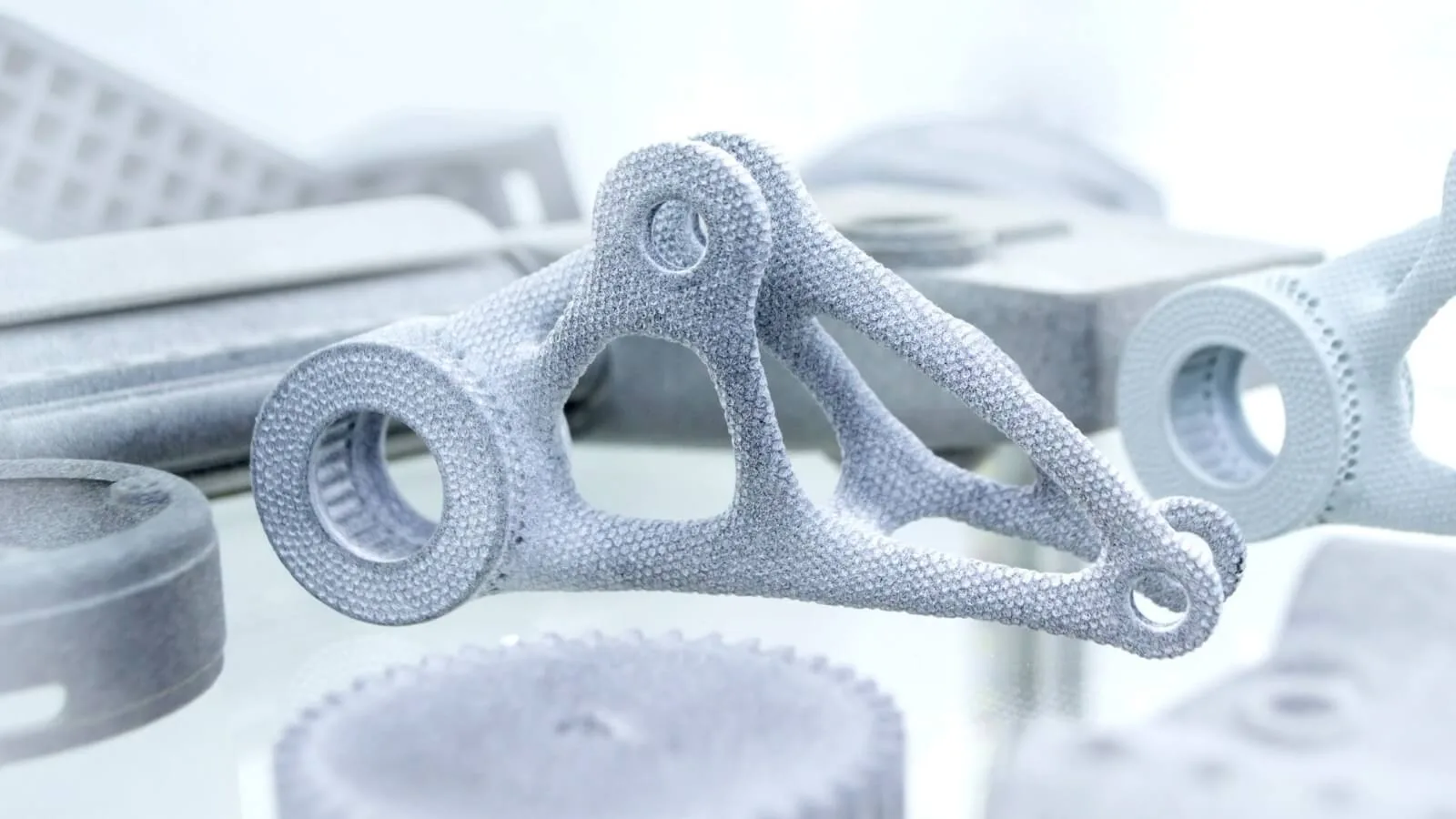
Automotive 3D printing advances vehicle production by enabling engineers to design and produce stronger, lighter, and more cost-effective components.
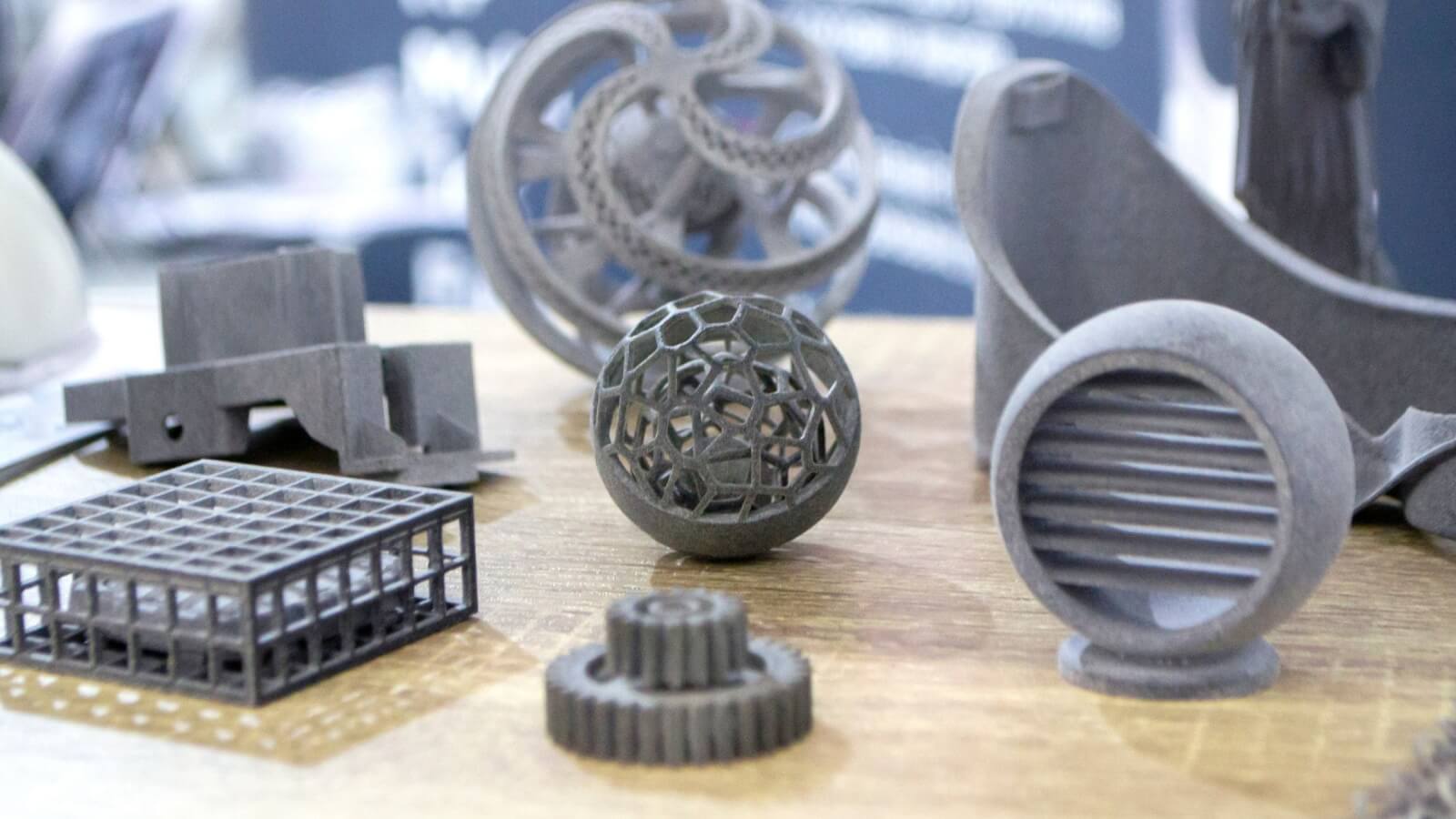
Rapid prototyping validates enclosure designs and ergonomic features before committing to injection mold tooling, accelerating time to market.
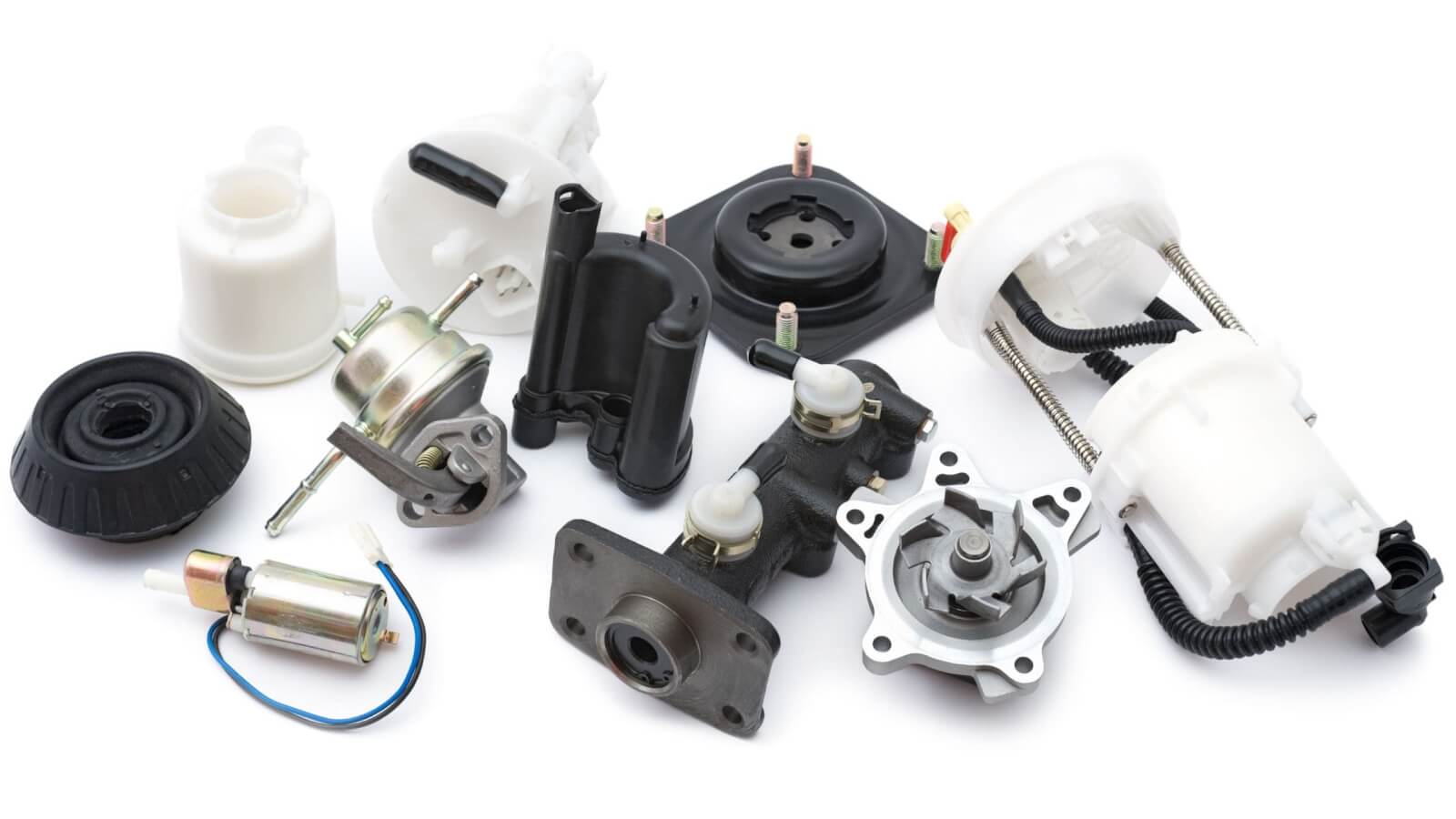
Industrial 3D printing enables custom tooling, jigs, fixtures, and end-use parts for production lines, warehousing, and logistics.

3D printing enables complex structures and multifunctional components, enhancing robotic system performance and versatility.
Select from a wide range of engineering-grade materials. Click on a material to see details and suggested applications.
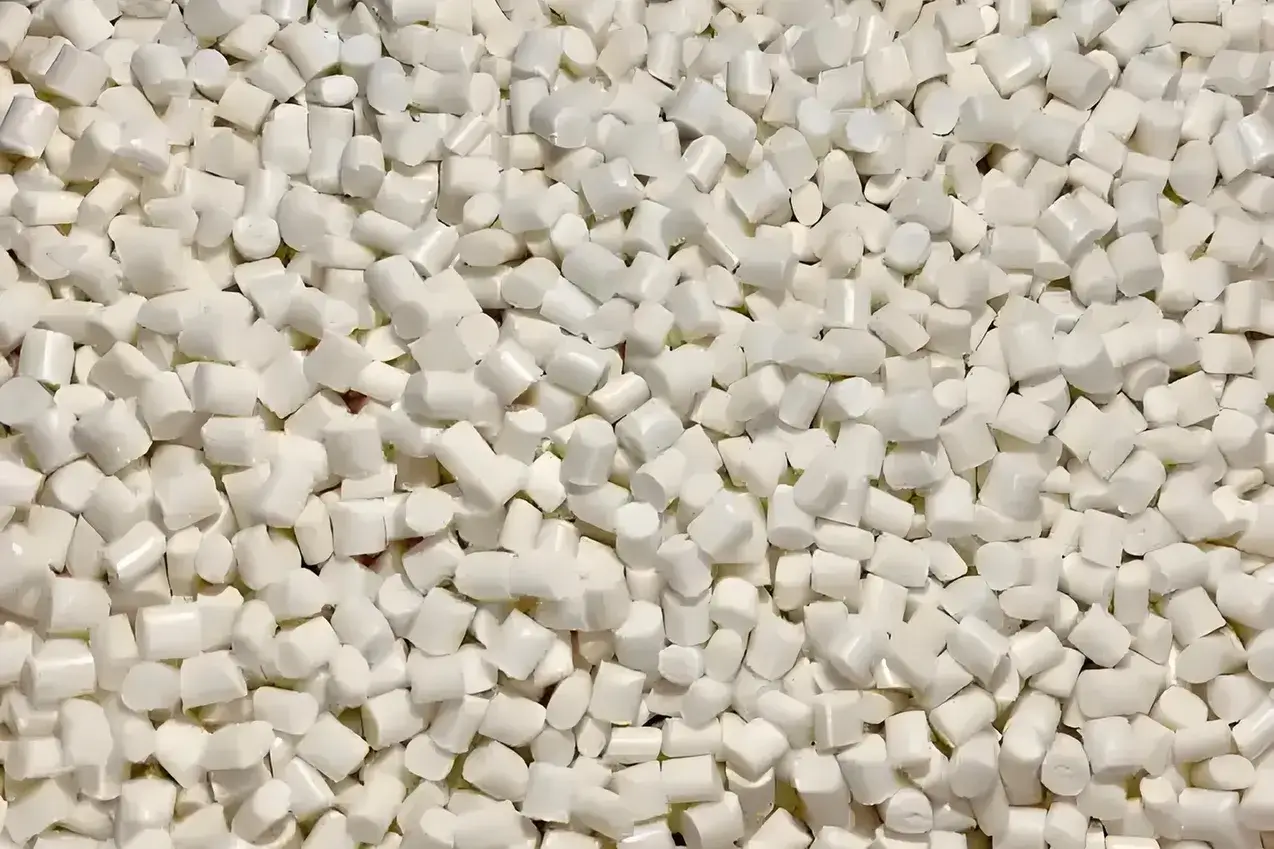
Enhance the appearance and performance of your 3D printed parts with our finishing options. Choose from standard to premium post-processing.
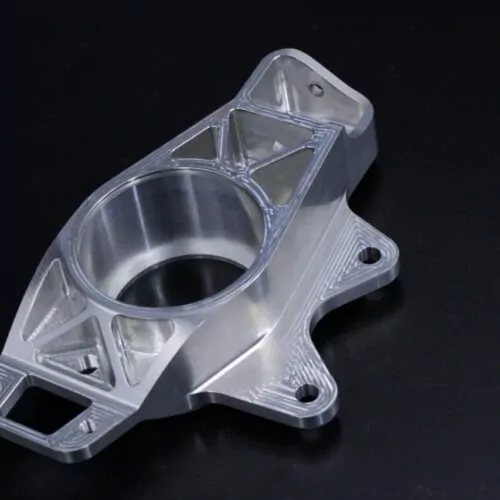
Standard finish directly from the printer. Visible layer lines, economical choice.
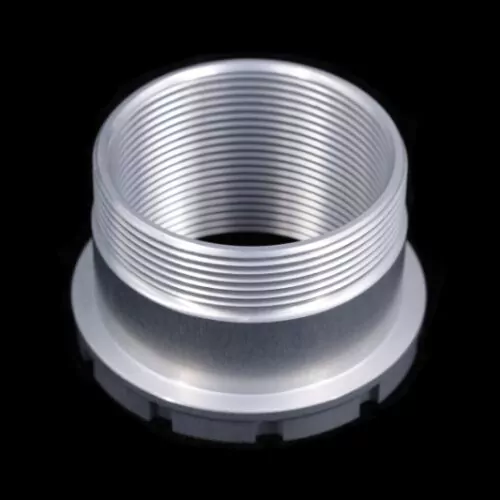
Uniform matte texture that removes surface irregularities.
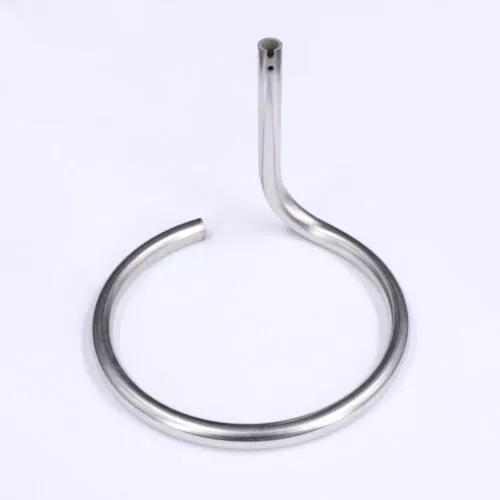
Smooth glossy surface suitable for visual prototypes.
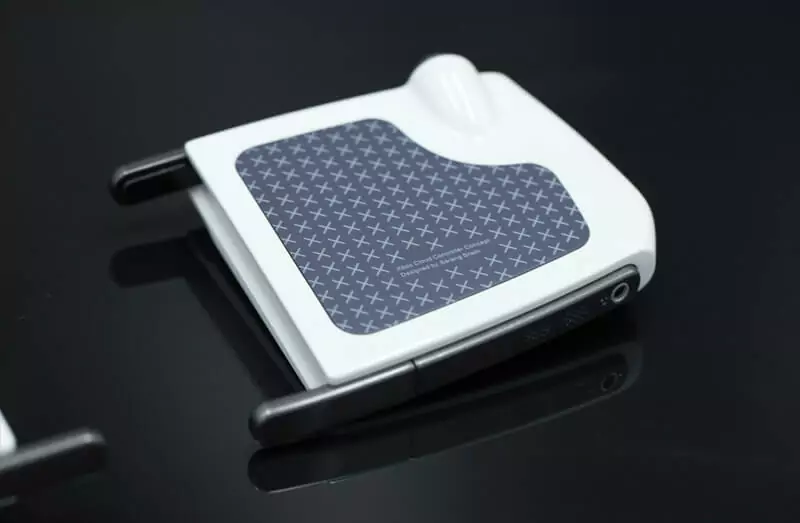
Custom color matching for aesthetic consumer product finishes.
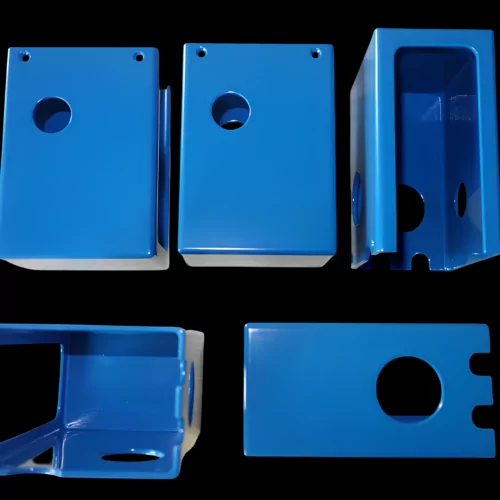
Durable uniform color coating with chip resistance.
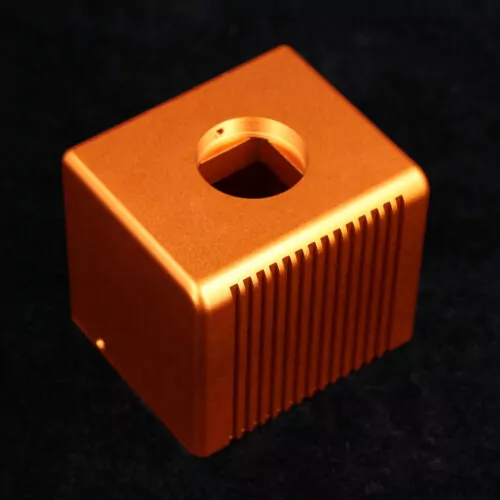
For metal parts—enhanced wear and corrosion resistance.
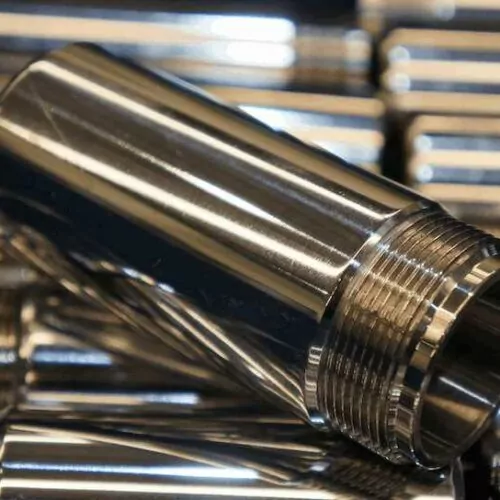
Electroless nickel coating for improved surface hardness on metal parts.
Uniform protective coating providing excellent corrosion resistance.
Understanding design guidelines is essential for producing high-quality 3D printed parts. Key specifications and tolerances by technology are shown below.
| Parameter | FDM | SLA | SLS | MJF | SLM / DMLS |
|---|---|---|---|---|---|
| Min. Wall Thickness | 0.8 mm | 0.4 mm | 0.6 mm | 0.5 mm | 0.3 mm |
| Min. Feature Size | 0.5 mm | 0.2 mm | 0.3 mm | 0.3 mm | 0.2 mm |
| Standard Tolerance | ±0.5 mm | ±0.1 mm | ±0.3 mm | ±0.2 mm | ±0.1 mm |
| Max Part Size | 1000 × 1000 × 1000 mm | 600 × 600 × 400 mm | 380 × 380 × 580 mm | 380 × 380 × 380 mm | 250 × 250 × 330 mm |
| Min. Gap | 0.5 mm | 0.2 mm | 0.3 mm | 0.3 mm | 0.2 mm |
| Clearance (Fits) | 0.3 mm | 0.15 mm | 0.2 mm | 0.2 mm | 0.1 mm |
Common questions about our 3D printing services, process, pricing, and design guidelines.
3D printing works by building objects layer by layer from a digital 3D model—this process is known as additive manufacturing. Instead of removing material like traditional methods, it only adds material (such as plastic, resin, or metal) where needed, creating complex shapes with high precision.
Our 3D printing service delivers rapid turnaround at competitive pricing. Standard FDM parts start from as low as a few dollars per piece, while SLS and MJF production parts are priced based on bounding box volume and material selection. Pricing factors include part size, layer thickness, material type, post-processing requirements, and order quantity. Low-volume production runs of 50 to 500 units benefit from volume pricing with no tooling investment required. Upload your CAD file to receive an instant quote with transparent, itemized pricing and lead time options ranging from 3 to 10 business days.
Create your 3D model using CAD software like Fusion 360, SolidWorks, Tinkercad, or Blender. Ensure accurate dimensions, proper wall thickness, and a printable design. Export your file as STL or STEP format. Be sure to check for errors like non-manifold edges or holes. Once uploaded, our engineers will review your file and follow up to confirm the details. These requirements will differ between FDM, SLA, SLS, and SLM 3D printing, so be sure to optimize your CAD model for the chosen process.
3D printing is cost-effective for low-volume production and custom parts without molds or tooling, making it ideal for low-volume, high-mix production and accelerating product iteration. Compared to traditional manufacturing, 3D printing offers greater design flexibility, faster prototyping, and reduced material waste. It is a more environmentally friendly option.
We accept STL, OBJ, STEP, 3MF, and SLDPRT file formats. For best results, export your model as an STL or STEP file. Our engineers can also work directly from native CAD files on request. All uploads are secure and confidential.
Standard lead times range from 3 to 10 business days depending on the technology and complexity. FDM and SLA parts can ship in as little as 3 days with express options. SLS, MJF, and SLM parts typically take 5–10 business days. We offer expedited services for urgent projects.