Get instant quotes for your sheet metal fabrication prototyping, and production parts. Custom parts and assemblies in as fast as 5 days. Upload your design and get started today.
All uploads are secure and confidential.
 ISO 9001:2015 Certified
 10+ Sheet metal materials
 ±0.1 mm Tolerance achievable
 5-day Fast lead time
Full range of sheet metal processes including laser cutting, bending, stamping, welding, and assembly — all under one roof for seamless production.
Whether you need one prototype or a full production run, we accommodate any order size with the same quality standards and attention to detail.
Rapid prototyping in as fast as 5 days. Our streamlined production process ensures quick delivery without compromising on quality.
Wide selection of high-quality metals including aluminum, stainless steel, brass, copper, and more. ISO 9001:2015 certified quality management.
Because thin sheets of metal are more malleable than a thick workpiece, they can be manipulated using different processes. These processes fall into three general categories:
Cutting processes that remove material from the sheet to create the desired shape. Methods include laser cutting, water jet cutting, plasma cutting, and punching — each suited for different materials, thicknesses, and precision requirements.
Forming processes that reshape the metal without removing material. Techniques such as bending, stamping, and spinning apply force to permanently deform the sheet into specific angles, curves, or complex geometries.
Joining processes that combine multiple sheet metal components into a finished assembly. Common methods include welding (MIG, TIG, spot) and mechanical fastening to create durable, permanent connections.
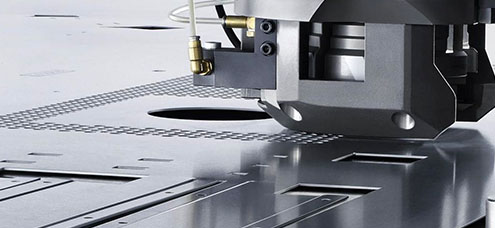
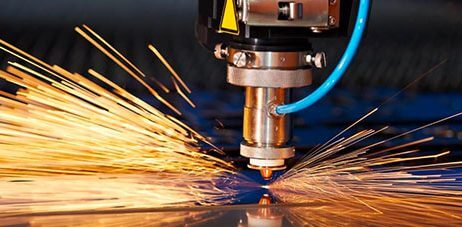
Laser cutting uses a high-power laser beam to cut sheet metal with exceptional precision and speed. The laser melts, burns, or vaporizes the material along a programmed path, producing clean edges with minimal heat-affected zones. This method is ideal for intricate designs, tight tolerances, and fast turnaround on both prototypes and production runs.
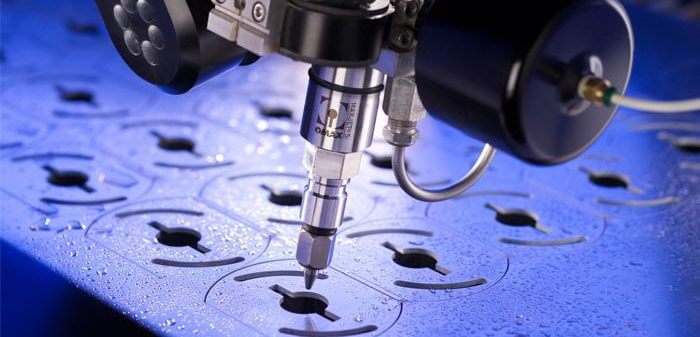
Water jet cutting uses a high-pressure stream of water mixed with abrasive particles to cut through sheet metal. This cold-cutting process produces no heat-affected zones, making it ideal for materials sensitive to high temperatures. Water jet cutting can handle thick materials and complex shapes without thermal distortion.
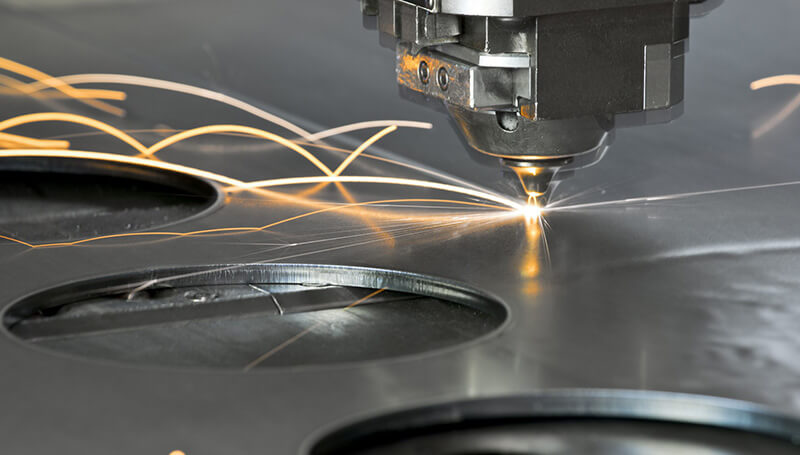
Plasma cutting uses an accelerated jet of hot plasma to cut through electrically conductive metals. It is an efficient method for cutting medium to thick sheets at high speeds, particularly for carbon steel and stainless steel. Plasma cutting offers a good balance of speed and cut quality for structural applications.
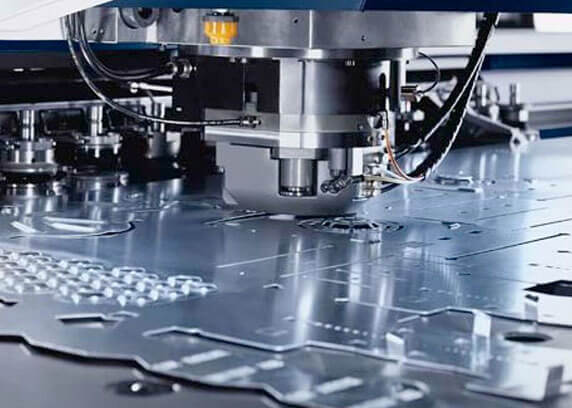
Punching is a metal forming process that uses a punch and die to create holes, slots, and cutouts in sheet metal. CNC punch presses can produce a wide variety of hole shapes and patterns at high speeds. Punching is particularly effective for high-volume production of parts with repetitive hole patterns.
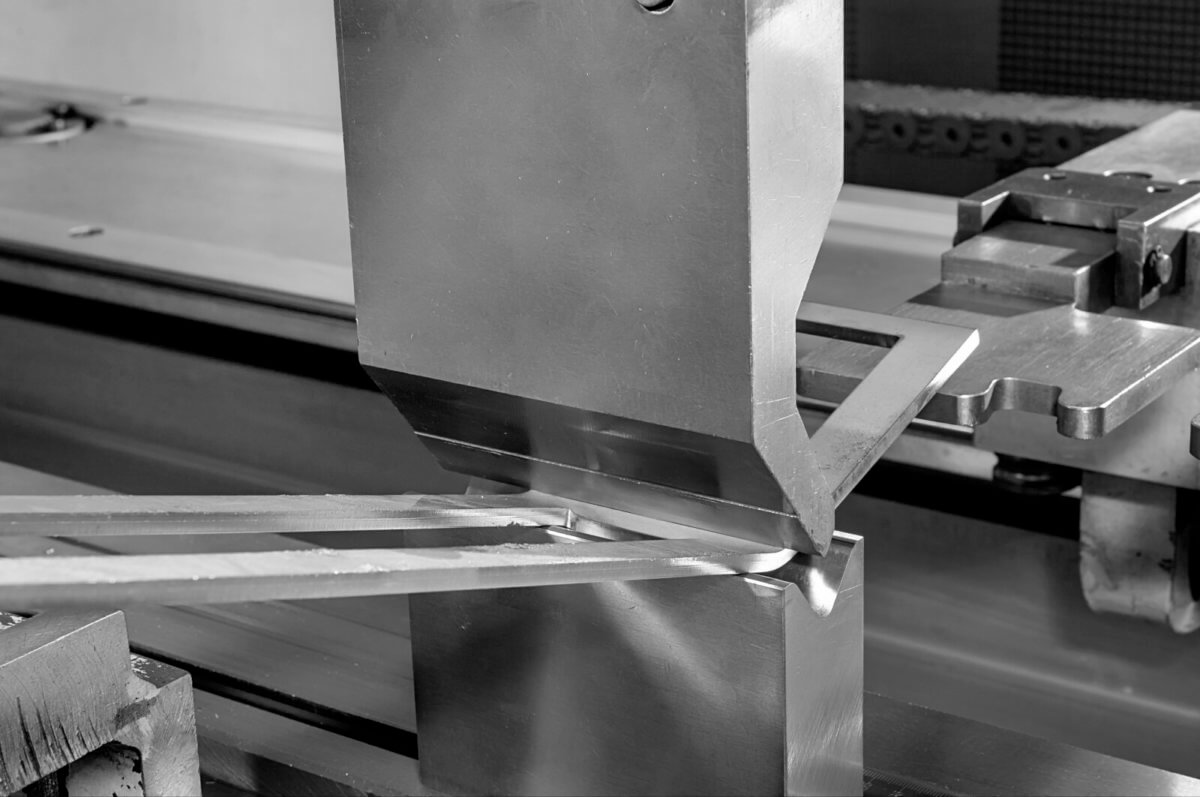
Bending is one of the most common sheet metal deformation processes. A press brake applies force to the sheet metal between a punch and die, creating permanent angles and shapes. CNC-controlled press brakes ensure high precision and repeatability across production runs. SHBD Metal offers V-bending, air bending, bottoming, coining, U-bending, roll bending, and other specialized bending methods.
Stamping uses a stamping press with custom tooling to form sheet metal into complex shapes through drawing, embossing, flanging, and coining operations. Progressive stamping dies allow multiple forming steps to be completed in a single press stroke, making it ideal for high-volume production of consistent parts.
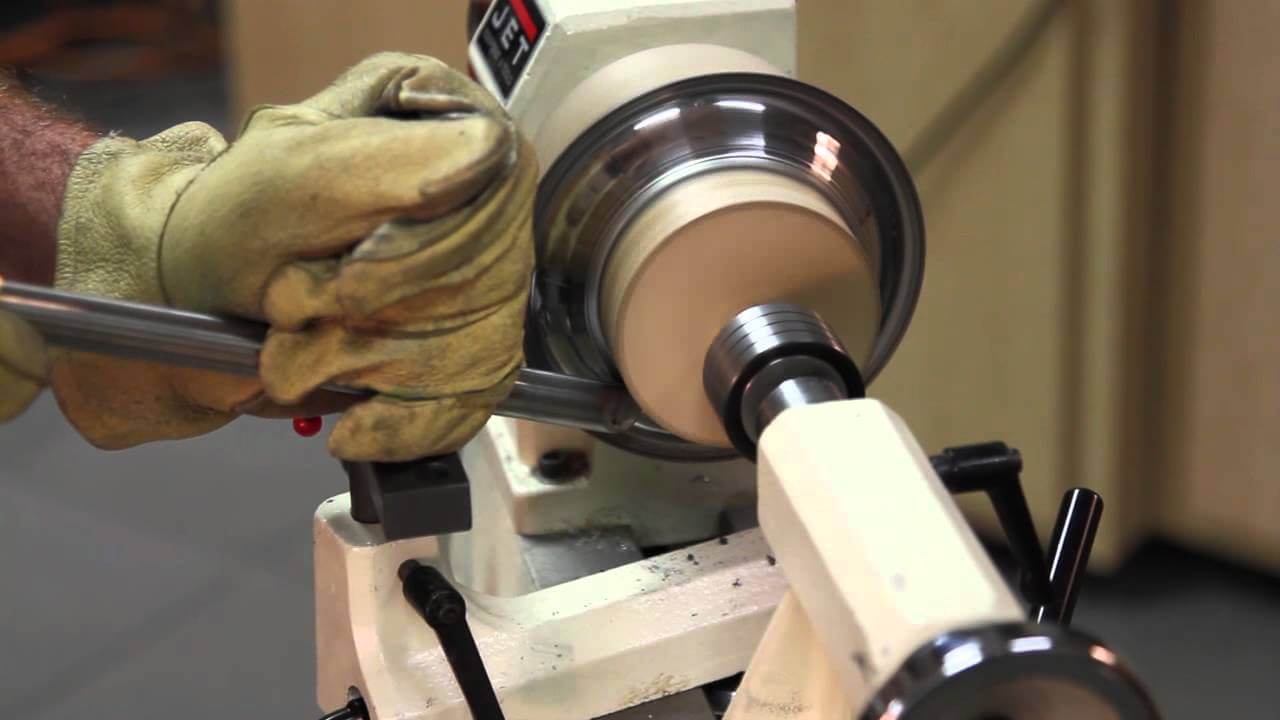
Metal spinning is a forming process where a disc or tube of metal is rotated at high speed and formed over a mandrel using tools or rollers. This method produces axisymmetric parts such as cones, cylinders, domes, and hemispherical shapes with excellent surface finish and material strength.
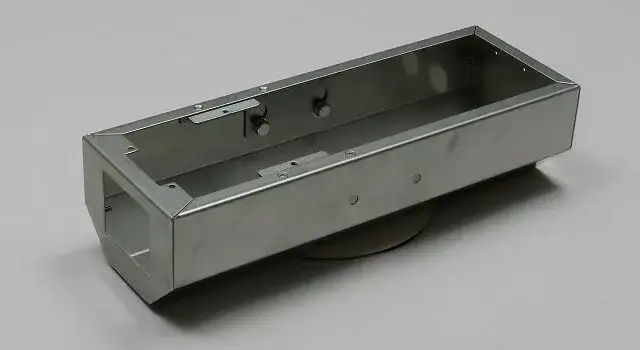
Sheet metal assembly involves joining multiple fabricated components into a finished product using mechanical fastening methods. Techniques include riveting, using threaded fasteners, clinching, and tab-and-slot assembly. SHBD Metal offers comprehensive assembly services to deliver fully finished products ready for use.
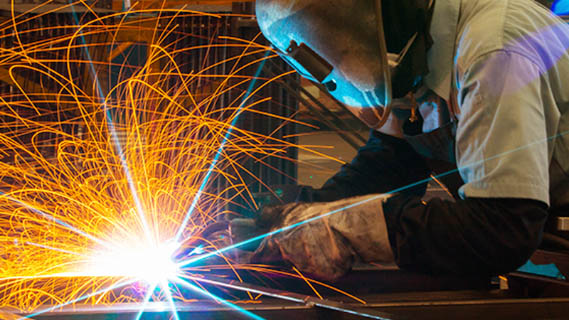
Welding joins sheet metal components by melting the base materials and adding filler metal to form a strong, permanent bond. SHBD Metal offers MIG, TIG, and spot welding for sheet metal assemblies. Our certified welders ensure consistent, high-quality welds that meet structural and aesthetic requirements.
Rigorous quality management system ensuring consistent, high-quality output across every project.
State-of-the-art CNC press brakes, laser cutters, and welding stations deliver precision and repeatability.
Free design-for-manufacturability analysis within 24 hours to optimize your parts for cost and quality.
Prototypes in as fast as 5 days and production parts delivered on schedule, every time.
High-quality sheet metal materials such as aluminum, stainless steel, and brass are available, ensuring consistent quality and reliable performance across all parts.
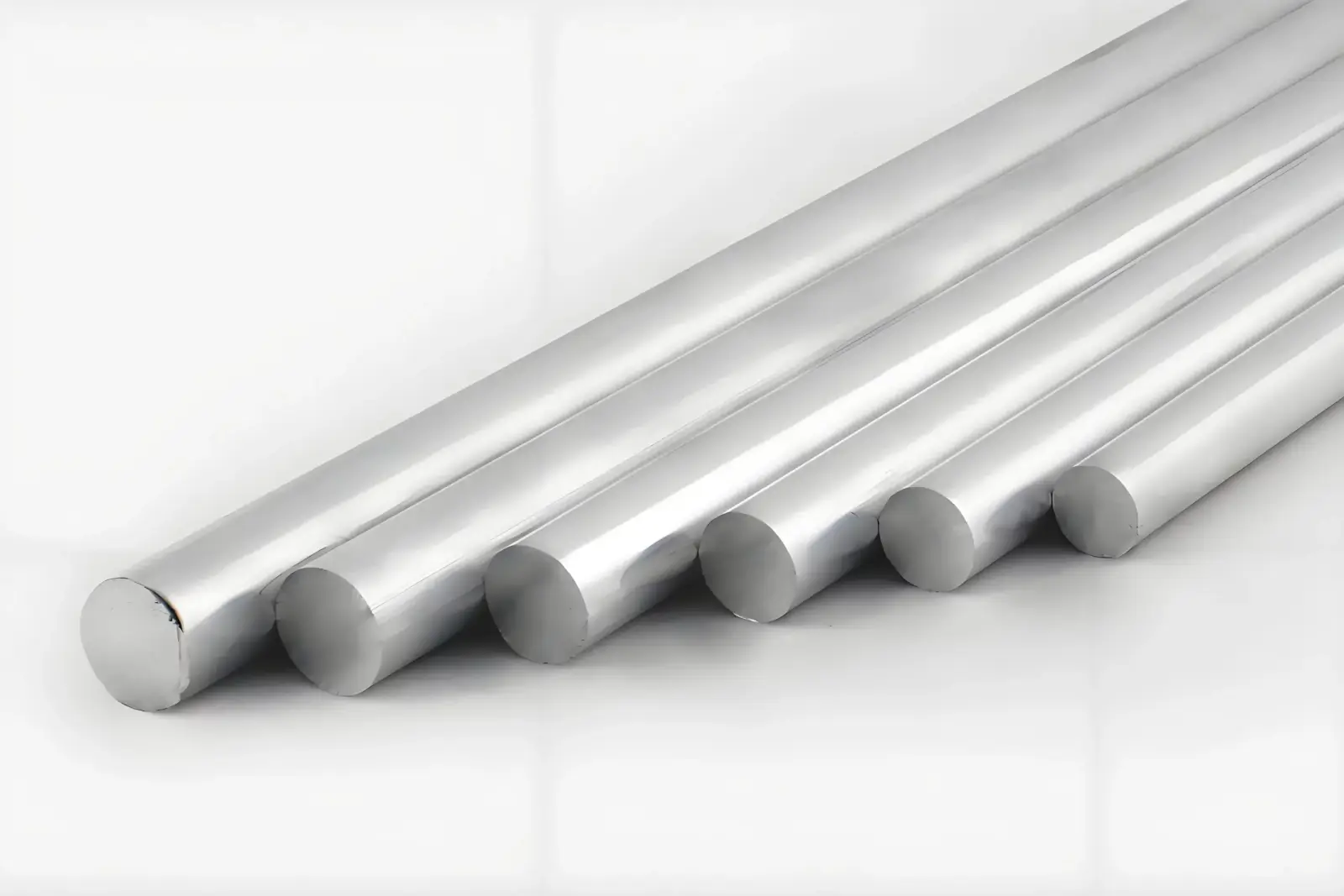
Aluminum can be used for SLM/DMLS (direct metal laser sintering), providing lightweight strength and corrosion resistance—ideal for aerospace components and structural applications.
| Alloys | Aluminium 7075-T651, 6082-T651, 6060, 5052, 2017 |
| Available Finish | As machined, Anodizing, Powder coating, Electroplating, Painting, Sand blasting, Polishing |
| Price | $$ |
| Lead Time | About 5 business days |
Brass offers excellent machinability, attractive appearance, and good corrosion resistance, making it ideal for decorative parts, fittings, and electrical components.
| Alloys | H59, H62, C260, C360 |
| Available Finish | As machined, Polishing, Sand blasting, Tumbling, Electropolish, Alodine, Heat treatment, Black oxidize, Electroless nickel, Chrome plating, Brushed finish |
| Price | $$$ |
| Lead Time | About 5 business days |
Copper provides superior electrical and thermal conductivity with a naturally antimicrobial surface, ideal for electrical components, heat exchangers, and architectural applications.
| Alloys | C11000, C10100, C10200 |
| Available Finish | As machined, Polishing, Sand blasting, Tumbling, Electropolish, Alodine, Heat treatment, Black oxidize, Electroless nickel, Chrome plating, Brushed finish |
| Price | $$$ |
| Lead Time | About 5 business days |
Steel provides high strength and durability for structural applications. Available in a wide range of grades for different mechanical property requirements.
| Alloys | Structured Steel, Mold Steel, Alloy Steel, Tool Steel, Bearing Steel, Carbon Steel |
| Available Finish | As machined, Electroplating, Passivation, Powder coating |
| Price | $$$ |
| Lead Time | About 7 days |
Stainless steel delivers high strength and corrosion resistance for tooling, medical devices, and mechanical parts.
| Alloys | Stainless steel 304/304L, 316/316L, 303, 430, 440C, 420, 301, 17-4 PH, 2205 Duplex, and more |
| Available Finish | As machined, Electroplating, Passivation, Powder coating |
| Price | $$$ |
| Lead Time | About 7 days |
Enhance the appearance, durability, and performance of your sheet metal parts with a wide range of surface finishing options.
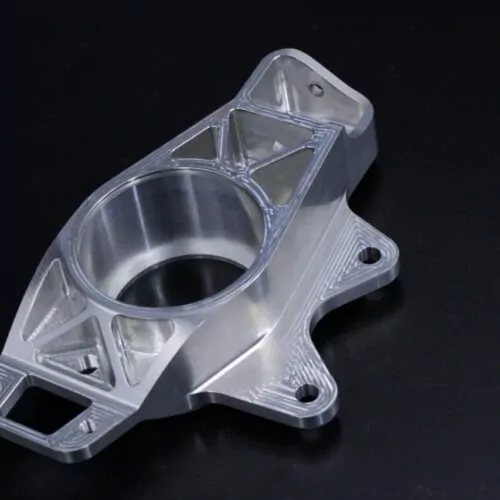
This finish leaves the surface directly from the CNC machine, providing a cost-effective option with visible tool marks.
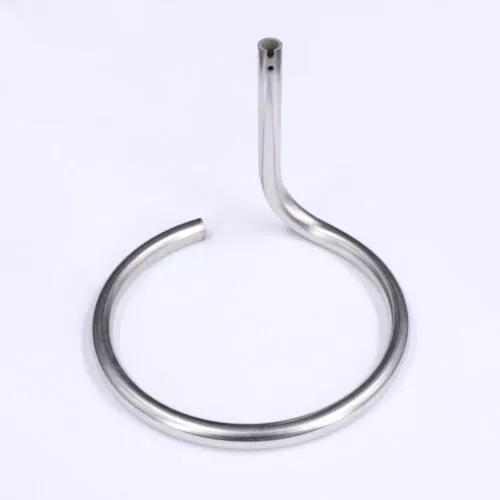
This process smooths the surface by removing tool marks, resulting in a refined finish with varying levels of gloss and texture.
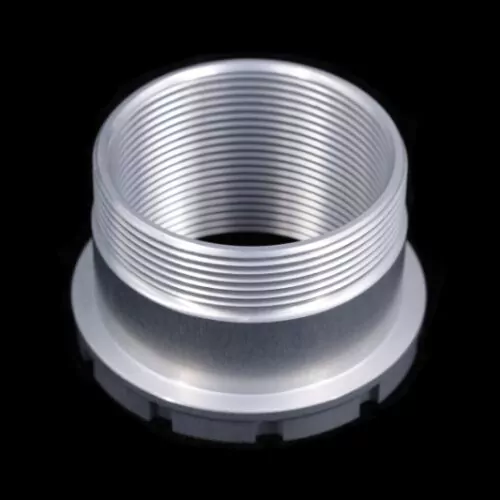
This process creates a uniform, matte texture by propelling fine abrasive particles onto the surface, removing imperfections and tool marks.
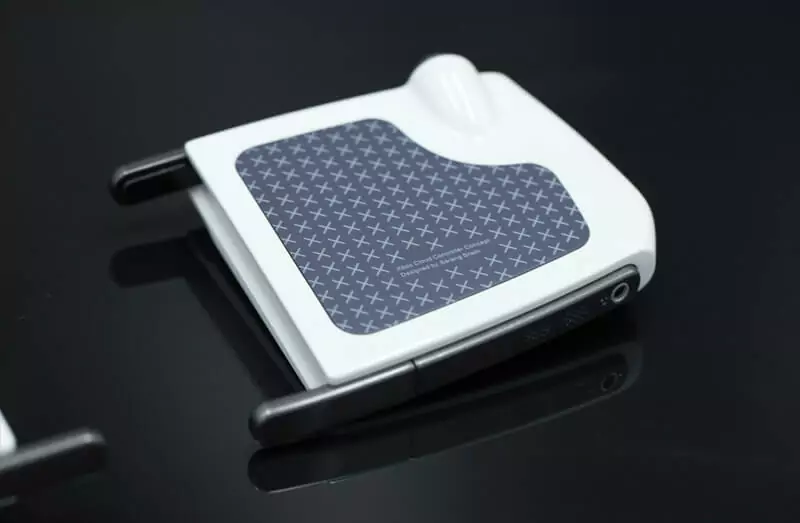
A protective and aesthetic coating is applied to the surface, offering a smooth, uniform finish with customizable colors and textures.
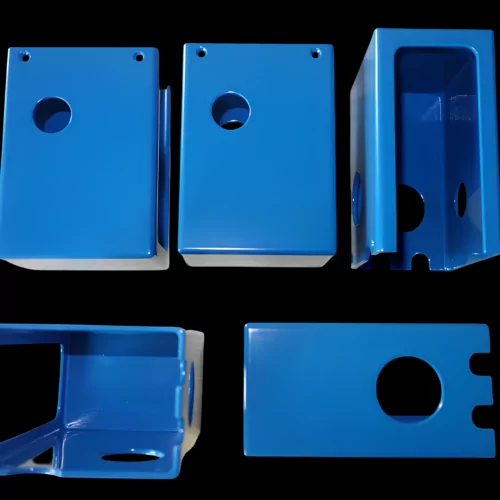
A durable, wear-resistant finish applied electrostatically and cured under heat, providing a uniform, protective coating in various colors.
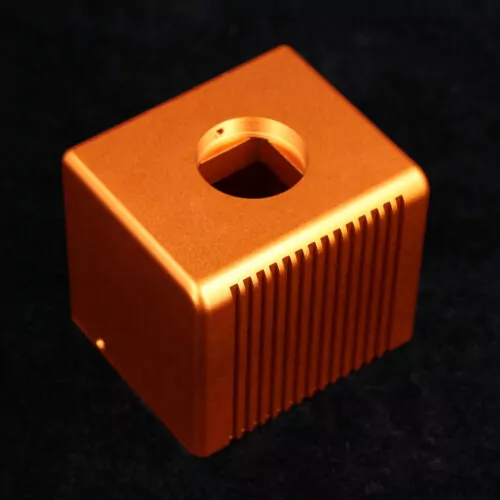
An electrochemical process that enhances surface durability, corrosion resistance, and appearance, available in various colors with a smooth or matte finish.
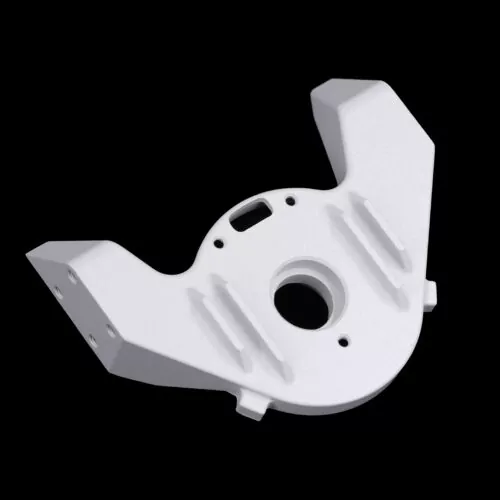
An electrostatically applied coating that provides a uniform, corrosion-resistant finish with excellent adhesion, commonly used for protective and aesthetic purposes.
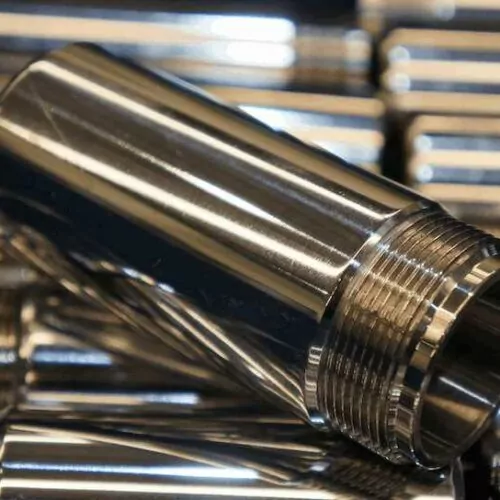
A protective and decorative coating that enhances corrosion resistance, wear resistance, and surface hardness while providing a smooth, metallic finish.
Follow specific design rules to ensure manufacturability, structural integrity, and cost-efficiency for sheet metal parts.
| Feature | Recommended Value (MT = Material Thickness) |
Notes |
|---|---|---|
| Minimum Bend Radius | 1× MT | Avoid cracking (may vary by material: soft aluminum ≤0.5× MT, stainless steel ≥2× MT). |
| Hole-to-Edge Distance | 2× MT | Prevents edge deformation during punching. |
| Hole-to-Hole Distance | 6× MT | Ensures structural integrity (increase for dense hole patterns). |
| Bend-to-Hole Distance | 6× MT | Prevents hole distortion during bending. |
| Feature-to-Countersink Distance | 8× MT | Maintains material strength around countersinks. |
| Minimum Countersink Depth | 0.6× MT | Ensures flush fastener seating (adjust for screw head angle). |
| Relief Cut Width | 1× MT | Reduces stress concentration at bends (required for sharp corners). |
| Corner Fillet Radius | 0.5× MT | Improves manufacturability and stress distribution. |
Sheet metal fabrication is the process of transforming flat metal sheets into finished parts and assemblies through cutting, bending, forming, and joining operations. It encompasses a range of techniques including laser cutting, punching, bending, stamping, welding, and assembly to create everything from simple brackets to complex enclosures and structural components.
SHBD Metal works with a wide range of materials including aluminum (5052, 6061, 7075), stainless steel (304, 316, 430), cold rolled steel, galvanized steel, brass, copper, titanium, and spring steel. Each material offers different properties in terms of strength, formability, corrosion resistance, and cost.
Tolerances depend on the process and material. Laser-cut features typically achieve ±0.1 mm, while formed dimensions (bends) are usually ±0.5 mm. SHBD Metal provides a free DFM review to help you specify appropriate tolerances for your application.
We accept STEP (.stp, .step), SolidWorks (.sldprt), Inventor (.ipt), ProE/Creo (.prt), SAT, IGES (.igs), IGES, CATPart, Parasolid (.x_t), OBJ, and STL formats. Simply upload your CAD file to request an instant quote and free DFM review.
Lead times vary by complexity and quantity. Prototype parts can be shipped in as fast as 5 days. Production runs typically take 2-4 weeks. Contact us with your specific requirements for an accurate delivery estimate.
Explore more manufacturing capabilities from SHBD Metal.