Explore our extensive collection of manufacturing materials for prototyping and production. From metals and plastics to advanced composites — find the right materials for CNC machining, injection molding, 3D printing, and sheet metal fabrication.
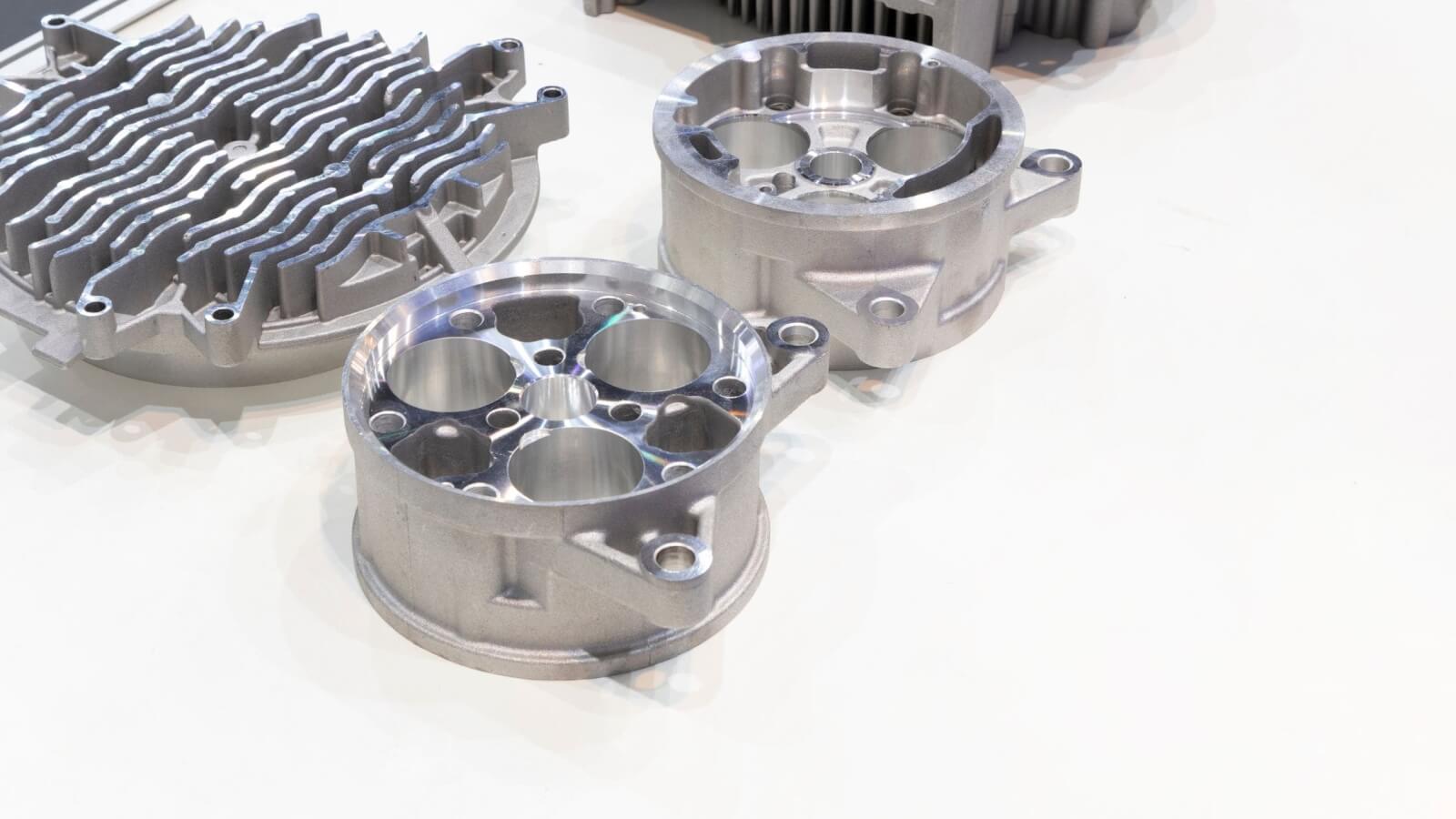
Precision-machinable metals for high-strength, durable components across all industries. Ideal for tight-tolerance CNC milling and turning.
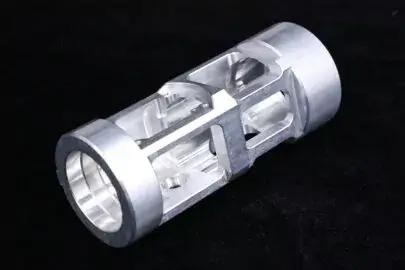
Excellent machinability, corrosion resistance, and strength-to-weight ratio. Ideal for aerospace, automotive, and consumer products.
Learn More →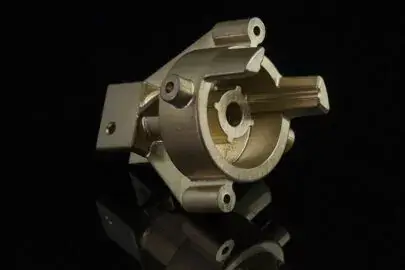
Excellent machinability, corrosion resistance, and high electrical conductivity. Commonly used in fittings, valves, and decorative hardware.
Learn More →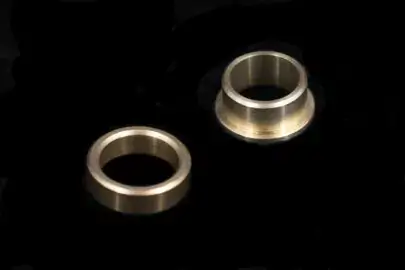
Excellent durability and corrosion resistance. An alloy of copper and tin, ideal for heavy-duty components and marine applications.
Learn More →
Efficient heat conductor with superior malleability and antimicrobial properties. Ideal for electrical, plumbing, and heat exchanger components.
Learn More →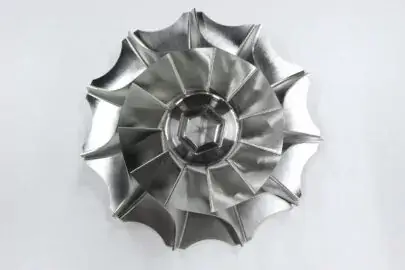
High-performance nickel-chromium superalloy with excellent heat and corrosion resistance. Used in aerospace, gas turbines, and chemical processing.
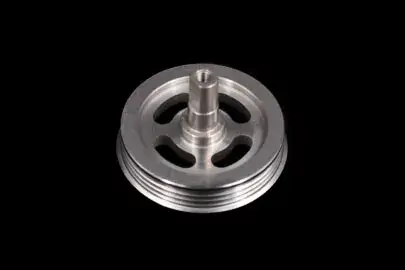
Nickel-iron alloy with extremely low thermal expansion. Ideal for precision instruments, clocks, and aerospace components requiring dimensional stability.
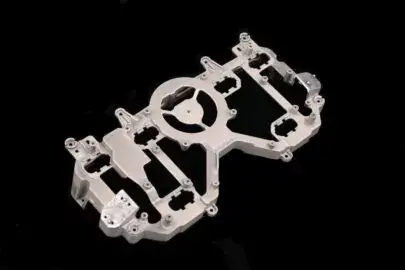
Ultra-lightweight with high strength-to-weight ratio, excellent dimensional stability, and good machinability. Ideal for weight-critical applications.
Learn More →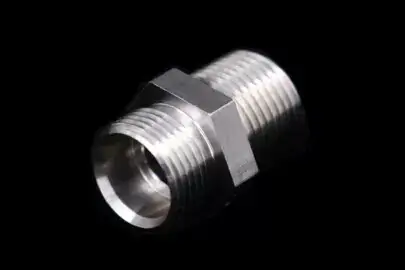
Corrosion-resistant alloy of steel, chromium, and nickel. Ideal for kitchen appliances, medical equipment, automotive, and marine components.
Learn More →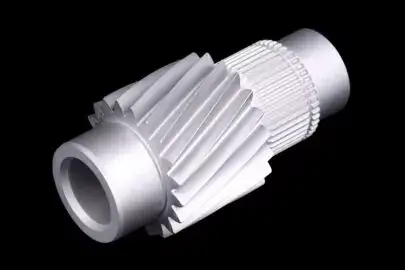
Strong and versatile with high tensile strength. Various subtypes available for structural components, tooling, and general manufacturing.
Learn More →
High strength-to-weight ratio, low thermal expansion, excellent corrosion resistance, and biocompatible. Ideal for aerospace, medical implants, and precision parts.
Learn More →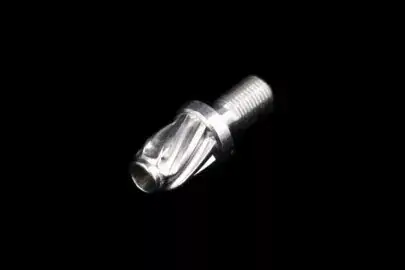
Excellent castability and corrosion resistance. Commonly used for die-cast components, automotive parts, and hardware fittings.
Learn More →Engineering-grade plastics for lightweight, corrosion-resistant, and electrically insulating parts. Precision CNC machined to tight tolerances.
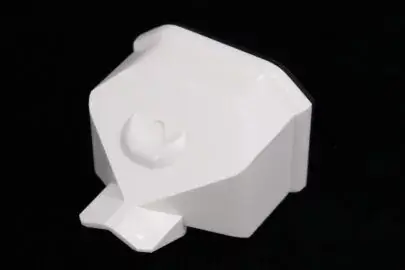
Impact-resistant thermoplastic with good machinability. Widely used for prototypes, enclosures, and consumer product components.
Lightweight cellular plastics offering excellent insulation, cushioning, and structural support for prototyping and packaging applications.
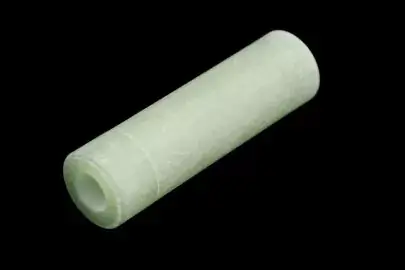
High-strength glass epoxy laminate with excellent electrical insulation and mechanical properties. Ideal for circuit boards and structural components.
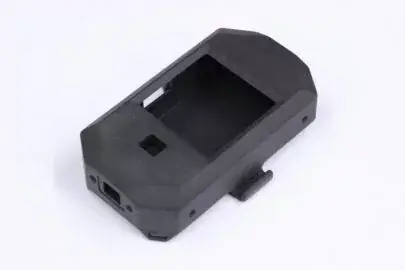
Lightweight, impact-resistant, and food-safe. Excellent chemical resistance and low moisture absorption. Used in containers, cutting boards, and tanks.

Flexible, lightweight polyethylene with good chemical resistance and low cost. Suitable for bottles, tubing, and flexible components.
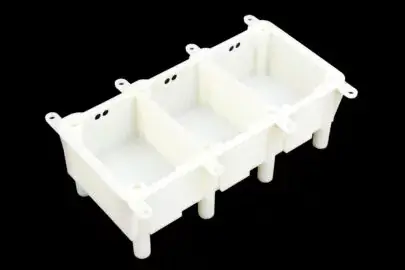
Glass fiber reinforced nylon offering enhanced strength, stiffness, and dimensional stability. Ideal for structural and high-temperature applications.
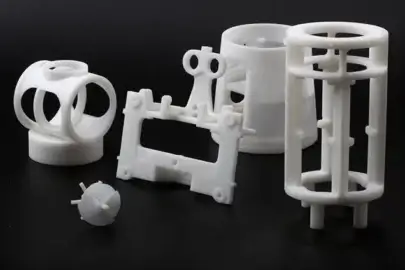
High strength, wear-resistant, and tough engineering thermoplastic. Excellent for gears, bearings, bushings, and mechanical components.
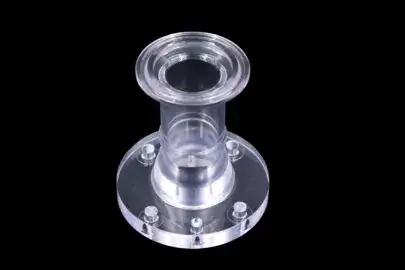
Optically clear, tough polycarbonate with excellent impact resistance and dimensional stability. Used in safety equipment, lenses, and housings.
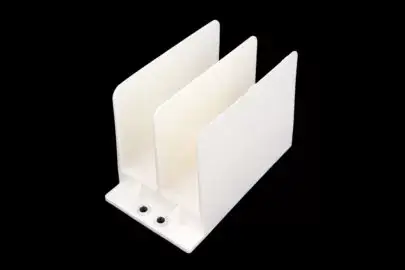
Glass fiber reinforced polycarbonate offering enhanced stiffness, strength, and improved dimensional stability over standard PC.
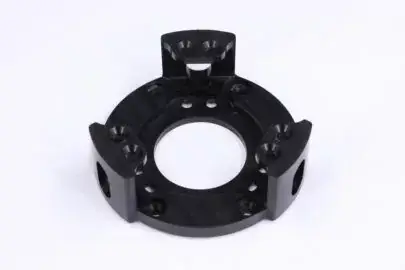
Blend of polycarbonate and ABS offering a balance of impact resistance, heat resistance, and processability. Ideal for automotive interiors and electronics.
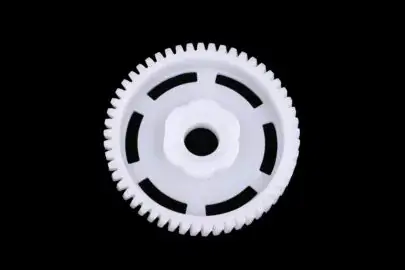
Versatile polyethylene with good chemical resistance, low cost, and excellent electrical insulation properties. Widely used in industrial applications.
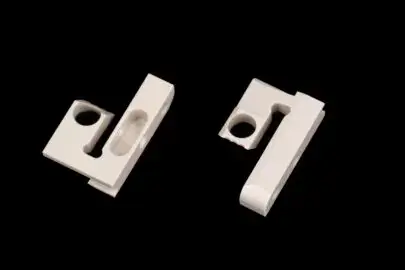
High-performance engineering thermoplastic with exceptional temperature resistance, chemical resistance, and mechanical strength. Used in medical, aerospace, and oil & gas.
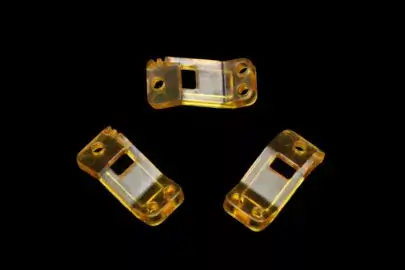
Polyetherimide with excellent flame retardancy, high strength, and dimensional stability. Ideal for aerospace interiors, medical devices, and electrical components.
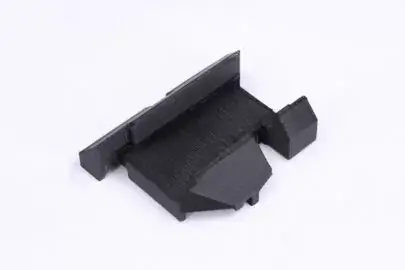
Strong, chemical-resistant polyester with excellent dimensional stability and low moisture absorption. Used for bottles, films, and mechanical parts.

Transparent, UV-stable thermoplastic with excellent optical clarity and weatherability. A shatter-resistant alternative to glass for signage, displays, and lighting.
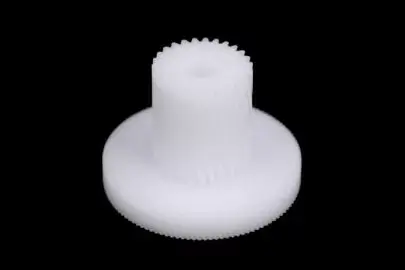
Low friction, high strength acetal homopolymer with excellent dimensional stability, wear resistance, and machinability. Ideal for precision gears and bearings.
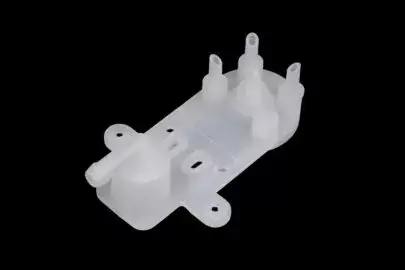
Lightweight, fatigue-resistant polypropylene with excellent chemical resistance. Commonly used in medical devices, automotive components, and consumer goods.
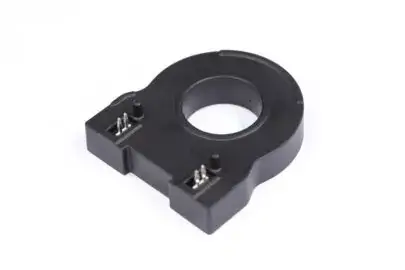
Glass fiber reinforced polypropylene with improved stiffness, strength, and heat deflection temperature over standard PP.

High-temperature, chemical-resistant polyphenylene sulfide with excellent dimensional stability and inherent flame retardancy.

Medical-grade polysulfone with excellent toughness, heat resistance, and hydrolysis resistance. Ideal for sterilizable medical devices and food service components.
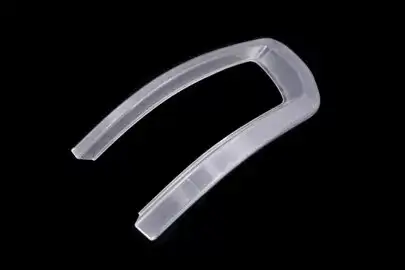
Rigid, cost-effective polystyrene with good dimensional stability and excellent machinability. Suitable for prototypes, displays, and lightweight components.
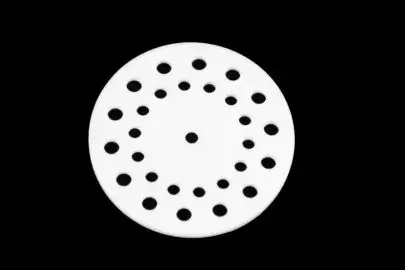
Non-stick, chemical-resistant fluoropolymer with exceptional thermal stability and low friction. Ideal for seals, gaskets, and chemical processing components.

Rigid, chemical-resistant polyvinyl chloride with good dimensional stability, electrical insulation, and weatherability. Used in piping, fittings, and industrial components.
Metal materials suitable for metal injection molding (MIM) processes, enabling complex geometries in high-strength metal components at high volumes.
High thermal and electrical conductivity copper for MIM applications. Ideal for heat sinks, electrical connectors, and thermal management components.
Corrosion-resistant stainless steel for MIM, offering excellent mechanical properties and surface finish. Used in medical devices, firearms, and consumer products.
Low-alloy and tool steels for MIM with high strength and wear resistance. Suitable for structural components, gears, and tooling applications.
High-strength, lightweight titanium for MIM with excellent corrosion resistance and biocompatibility. Used in medical implants, aerospace, and high-performance components.
Engineering thermoplastics optimized for injection molding processes. High-volume production with tight tolerances and excellent surface finish.
Impact-resistant, cost-effective thermoplastic for injection molding. Widely used for automotive interiors, consumer electronics, and appliance housings.
Lightweight, chemical-resistant polyethylene. Excellent flow characteristics for injection molding. Used in containers, caps, and industrial parts.
Flexible, low-density polyethylene with good impact resistance and processability. Suitable for flexible components, caps, and seals.
Glass-reinforced nylon for injection molding, offering enhanced strength, heat resistance, and dimensional stability. Used in automotive under-hood and structural parts.
Strong, wear-resistant nylon for injection molding. Excellent for gears, bearings, and mechanical parts requiring toughness and durability.
Tough, transparent polycarbonate for injection molding. Excellent impact resistance and optical clarity. Used in safety equipment, lenses, and medical devices.
Glass fiber reinforced polycarbonate for injection molding. Enhanced stiffness and dimensional stability for demanding applications.
Blend offering excellent balance of impact resistance, heat resistance, and flow for injection molding. Used in automotive interiors and electronics.
Versatile polyethylene with good flow properties for injection molding. Excellent chemical resistance and low cost for high-volume production.
High-performance PEEK for injection molding. Exceptional temperature resistance, chemical resistance, and mechanical strength. Used in demanding medical and aerospace applications.
Polyetherimide for injection molding with excellent flame retardancy, high strength, and dimensional stability. Used in aerospace and medical applications.
Strong, chemical-resistant polyester for injection molding. Excellent dimensional stability and surface finish. Used in bottles, containers, and mechanical components.
Transparent acrylic for injection molding with excellent optical clarity and weatherability. Used in lighting, signage, and display components.
Low friction, high strength acetal for injection molding. Excellent wear resistance and dimensional stability. Used in gears, bearings, and precision components.
Fatigue-resistant polypropylene for injection molding. Excellent chemical resistance and low cost. Used in automotive, medical, and consumer products.
Glass fiber reinforced polypropylene for injection molding. Improved stiffness, strength, and heat resistance over standard PP.
High-temperature PPS for injection molding. Excellent chemical resistance and inherent flame retardancy. Used in automotive, electrical, and industrial applications.
Medical-grade PPSU for injection molding with excellent toughness and hydrolysis resistance. Ideal for sterilizable medical and food service components.
Cost-effective polystyrene for injection molding. Good dimensional stability and excellent surface finish. Used in consumer goods, packaging, and disposable products.
Rigid PVC for injection molding with good chemical resistance and weatherability. Used in piping fittings, electrical enclosures, and industrial components.
Sheet metal materials optimized for laser cutting, bending, stamping, and welding. Wide range of thicknesses and finishes available.
Lightweight, corrosion-resistant aluminum sheet. Excellent formability and weldability for enclosures, panels, brackets, and structural components.
Decorative and functional brass sheet with excellent corrosion resistance and electrical conductivity. Used in nameplates, decorative trim, and electrical components.
Highly conductive copper sheet with excellent formability and corrosion resistance. Used in bus bars, heat sinks, roofing, and electrical components.
Corrosion-resistant stainless steel sheet with excellent strength and formability. Used in food processing equipment, architectural panels, and medical devices.
Versatile steel sheet with high strength and formability. Available in hot-rolled, cold-rolled, and galvanized forms for structural and industrial applications.
Metal powders optimized for additive manufacturing (DMLS/SLM). Produce complex geometries and high-strength metal parts without tooling.
Lightweight, high-strength aluminum alloy for DMLS. Excellent thermal conductivity and corrosion resistance. Used in aerospace brackets, heat exchangers, and lightweight structures.
High-performance nickel superalloy for additive manufacturing. Excellent heat and corrosion resistance. Used in gas turbine components, rocket engines, and high-temperature tooling.
Corrosion-resistant stainless steel for 3D printing. Excellent mechanical properties and surface finish. Used in medical implants, tooling, and functional prototypes.
High strength-to-weight ratio titanium for additive manufacturing. Excellent biocompatibility and corrosion resistance. Ideal for medical implants and aerospace components.
Engineering thermoplastics for FDM, SLS, and SLA additive manufacturing. Rapid prototyping and low-volume production with complex geometries.
Impact-resistant, tough thermoplastic for FDM 3D printing. Good layer adhesion and post-processing capabilities. Used for functional prototypes and end-use parts.
Strong, durable nylon for SLS 3D printing. Excellent layer fusion and mechanical properties. Used for functional prototypes, jigs, fixtures, and end-use parts.
Tough, impact-resistant polycarbonate for FDM 3D printing. High heat resistance and excellent layer adhesion. Used for tooling, fixtures, and functional prototypes.
High-performance PEEK filament for FDM 3D printing. Exceptional temperature resistance, chemical resistance, and mechanical strength. Used in medical, aerospace, and industrial applications.
High-strength PEI filament for FDM 3D printing. Excellent flame retardancy and dimensional stability. Used in aerospace, automotive, and medical applications.
Tough, clear PETG filament for FDM 3D printing. Excellent layer adhesion, chemical resistance, and impact strength. Ideal for food-safe containers and functional prototypes.
Biodegradable, easy-to-print PLA filament. Excellent dimensional accuracy and surface finish. Ideal for concept models, prototypes, and educational projects.
Transparent acrylic filament for FDM 3D printing. Excellent optical clarity and UV stability. Used for lighting components, displays, and visual prototypes.
High-temperature PPSU filament for FDM 3D printing. Excellent toughness and chemical resistance. Used for sterilizable medical devices and aerospace components.
High-resolution photopolymer resin for SLA 3D printing. Excellent detail and surface finish. Used for jewelry, dental models, and high-fidelity prototypes.
Flexible, elastic filament for FDM 3D printing. Excellent abrasion resistance and flexibility. Used for gaskets, seals, footwear, and soft-touch components.