Precision CNC Machined Magnesium Parts with Lightweight Strength & Superior Machinability
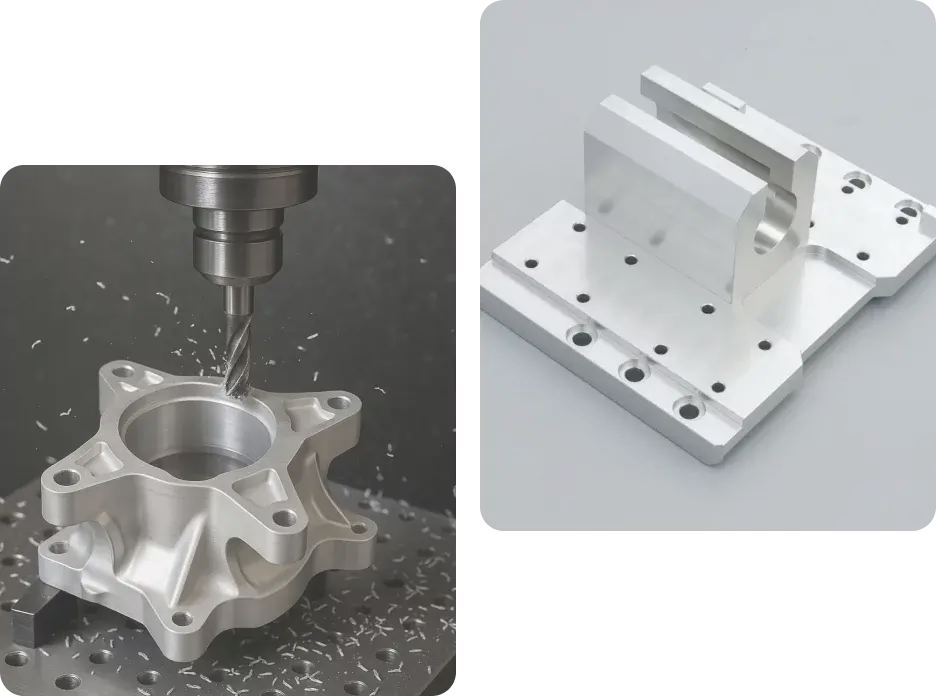
Magnesium is a lightweight yet strong metal prized for its excellent strength-to-weight ratio and superior machinability, enabling high feed rates and smooth finishes when processed with proper safety protocols.
Magnesium is well-suited to 3-axis and 5-axis milling and precision turning, ideal for complex components with tight tolerances. Alloys including AZ91D, AZ61B, and AZ31B offer diverse performance profiles, with AZ91D most common in both CNC machining and die casting.
Its natural vibration damping and light weight suit automotive, aerospace, and electronics applications. With proper safety protocols and protective coatings, magnesium remains a top choice for high-performance components.
Contact our engineering team to discuss your magnesium CNC machining project requirements.
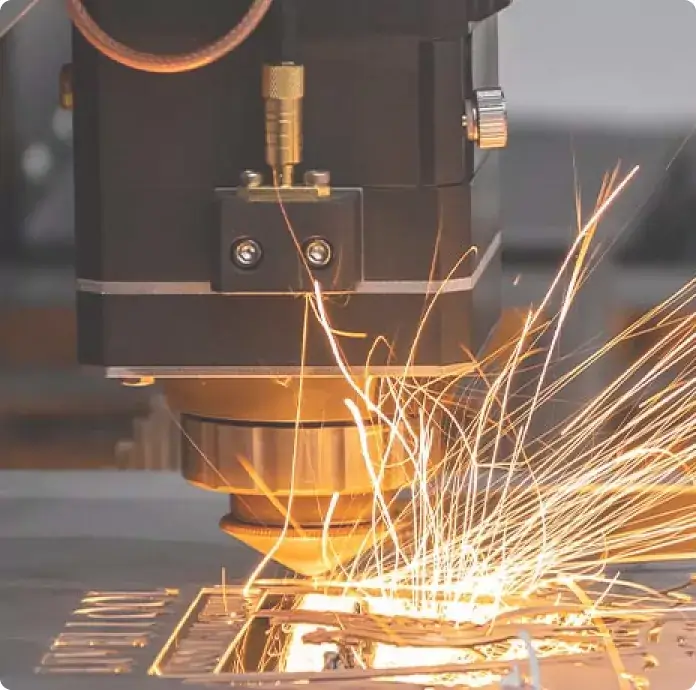
Selecting the right magnesium alloy is critical for optimal performance and machinability. SHBD Metal offers AZ61B, AZ31B, AZ91D, and other grades.
Wrought Alloy
AZ61B is a wrought alloy offering higher strength than AZ31B with good corrosion resistance and moderate ductility. Suitable for forging, extrusion, and machining, it delivers strong mechanical performance for mid-load structural parts in aerospace, sporting goods, and transportation.
| Tensile Strength (MPa) | 310 – 318 |
| Yield Strength (MPa) | 214 – 227 |
| Fatigue Strength (MPa) | 74 – 85 |
| Elongation at Break | 15% – 17% |
| Hardness (Brinell) | 60 – 80 |
| Density (g/cm³) | 1.78 |
Wrought Alloy
AZ31B is a highly formable wrought magnesium alloy with excellent machinability, ductility, and weldability. Used in sheet and plate form, it suits lightweight, thin-walled structures in aerospace, electronics, and prototyping for its easy machining and balanced properties.
| Tensile Strength (MPa) | 250 – 275 |
| Yield Strength (MPa) | 190 – 200 |
| Fatigue Strength (MPa) | 74 – 85 |
| Elongation at Break | 6% – 10% |
| Hardness (Brinell) | 60 – 73 |
| Density (g/cm³) | 1.77 – 1.78 |
Die-Cast Alloy
AZ91D is a widely used die-cast magnesium alloy (aluminum-zinc based) offering an excellent strength-to-weight ratio and high castability. It provides good corrosion resistance and smooth surface finish, ideal for high-volume manufacturing of automotive housings, power tools, and consumer electronics.
| Tensile Strength (MPa) | 160 – 250 |
| Yield Strength (MPa) | 80 – 140 |
| Fatigue Strength (MPa) | 74 – 85 |
| Elongation at Break | 2.3% – 4.5% |
| Hardness (Brinell) | 60 – 80 |
| Density (g/cm³) | 1.78 |
Magnesium parts can develop burrs and surface defects during machining, making proper finishing essential. SHBD Metal provides tailored surface finishing solutions to ensure durable, functionally optimal magnesium components.
Magnesium parts retain their as-machined surface with visible tool paths. This finish suits non-cosmetic or functional surfaces where appearance is secondary.
Alodine treatment boosts corrosion resistance and provides an adhesion base for paint or coating, widely applied to magnesium alloys in aerospace and electronics.
Painting provides aesthetic and protective value. Proper surface preparation (e.g., Alodine) ensures paint adhesion and long-term durability after CNC machining.
Powder coating forms a thick, durable finish with strong chip and corrosion resistance, providing robust surface protection and color for magnesium parts.
Magnesium anodizing builds a protective oxide layer that improves wear and corrosion resistance, frequently specified for structural components after CNC machining.
This chemical process deposits a uniform nickel layer on magnesium components, providing excellent corrosion and wear resistance without electrical current.
Sandblasting removes minor surface flaws and creates a uniform matte finish. Anti-oxidation treatment is required afterward due to magnesium's reactivity.
Polishing creates a smooth, reflective surface on magnesium alloys. Careful handling is required due to magnesium's reactivity to avoid surface damage or oxidation.
Tumbling is a mass-finishing method used to smooth and clean small magnesium parts, often employed in large batches to produce a consistent, matte finish.
Magnesium machining offers distinct benefits due to the material's unique properties, but also presents several challenges, particularly regarding safety and surface behavior.
Magnesium machining serves industries ranging from aerospace and automotive to electronics and medical devices, thanks to its unique combination of light weight, machinability, and thermal properties.
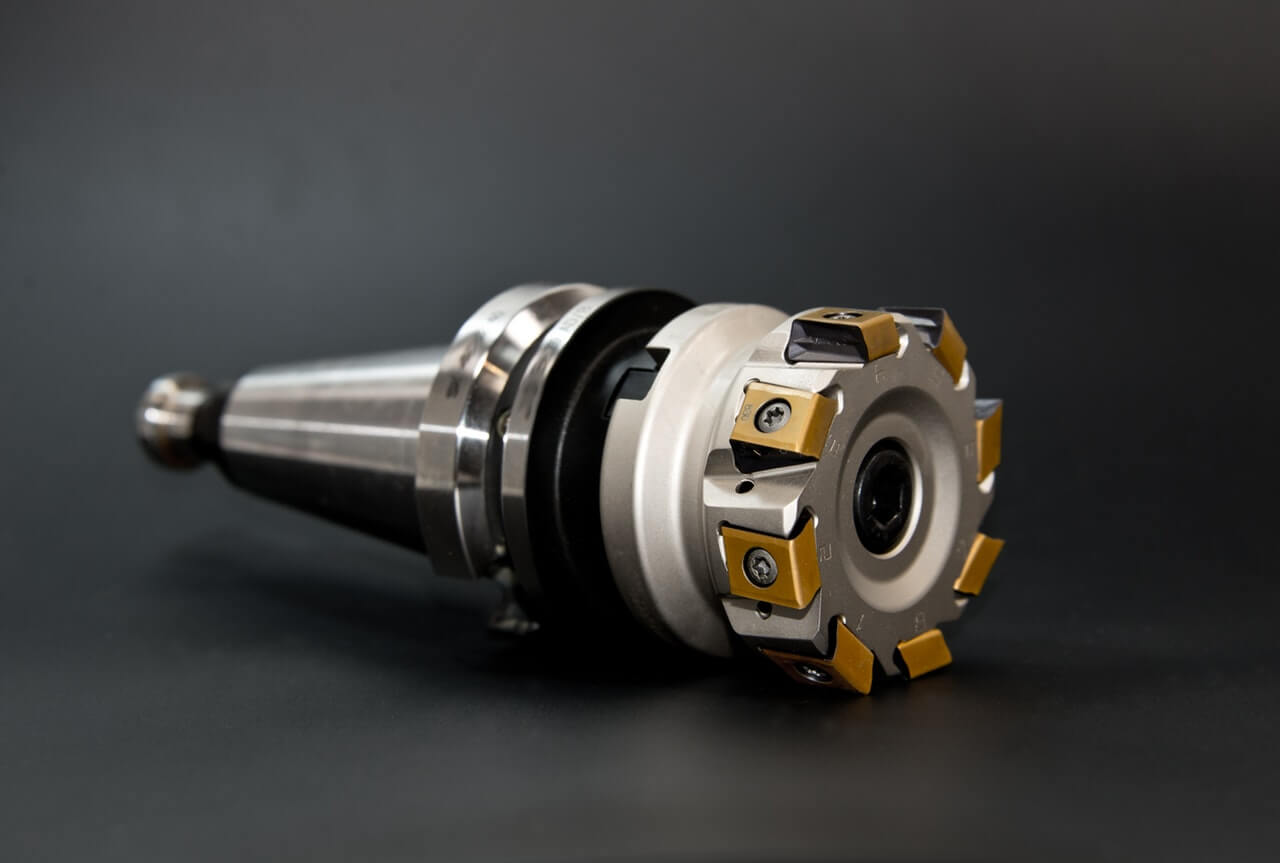
In aerospace, magnesium machining creates lightweight, durable parts that meet strict strength-to-weight requirements. Common magnesium aerospace parts include aircraft seat frames, engine housings, and internal structural components, all benefiting from magnesium's strength and machinability.
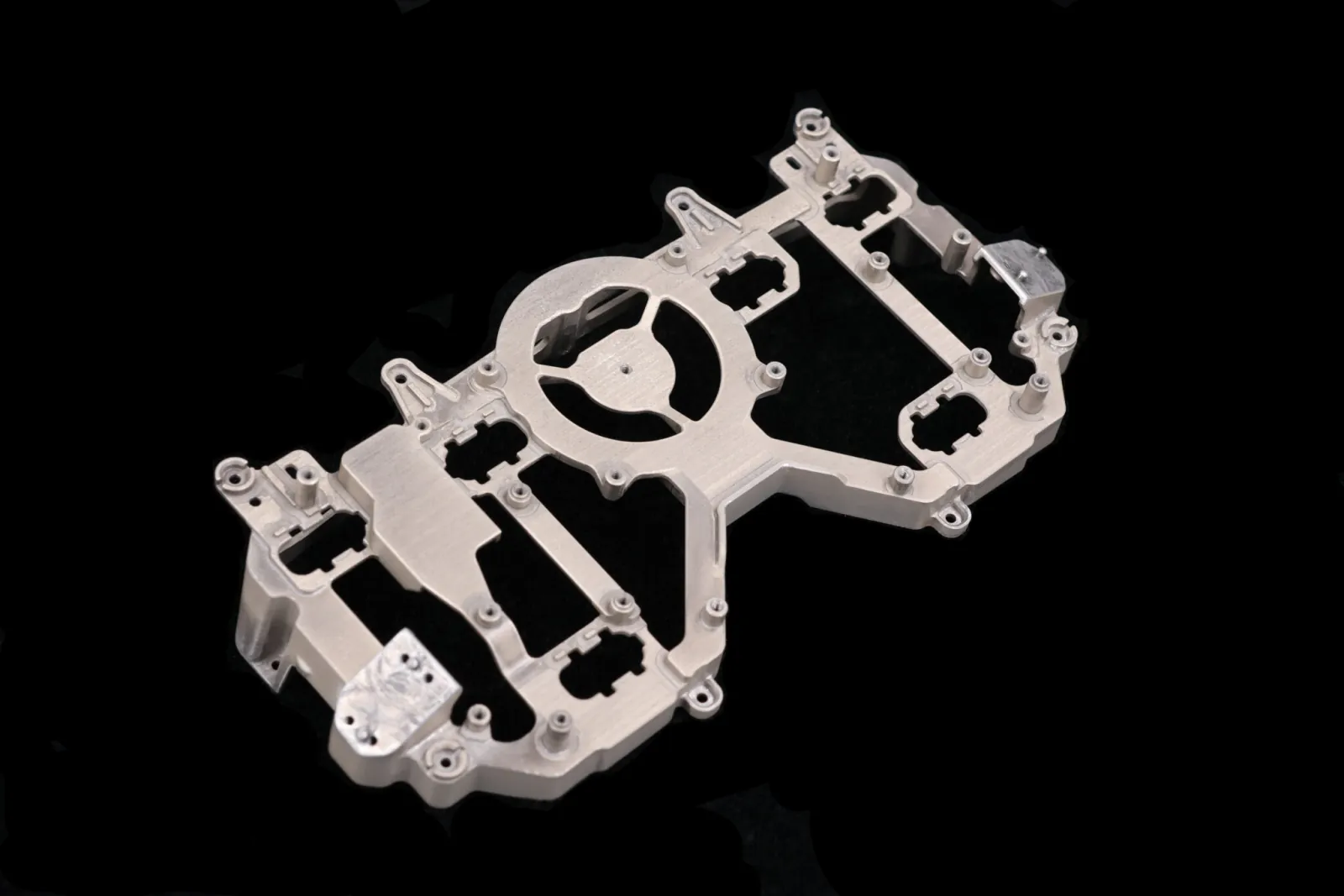
In the automotive industry, magnesium parts are machined for use in transmission cases, steering wheels, engine blocks, and other weight-sensitive components. The use of magnesium significantly reduces vehicle weight, which improves fuel efficiency and reduces emissions without compromising strength or safety.
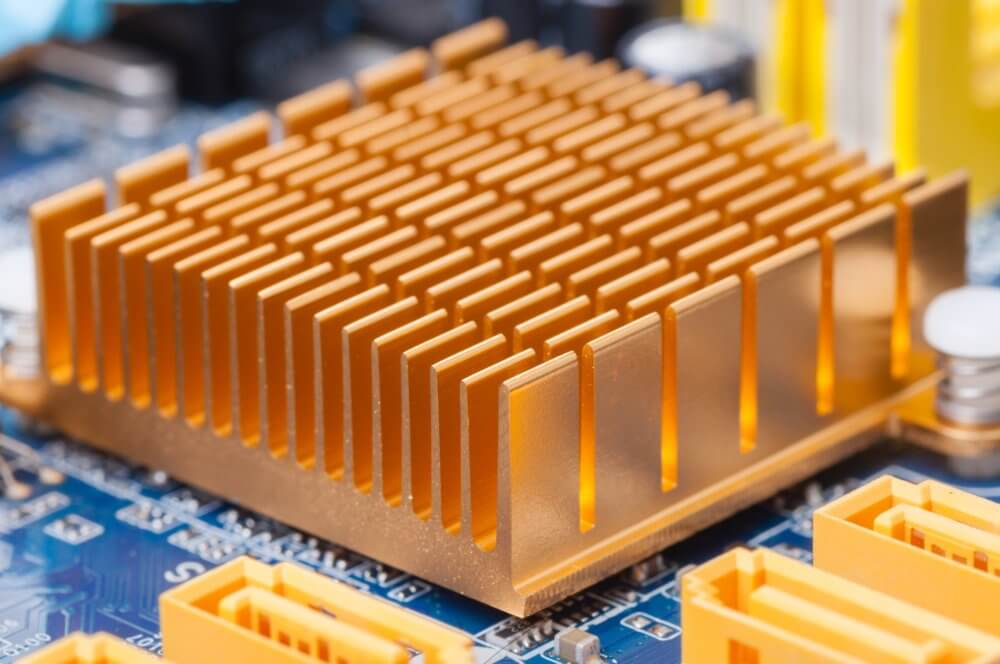
In electronics, magnesium's excellent EMI shielding properties and thermal conductivity make it suitable for protecting sensitive components. CNC-machined magnesium electronics parts include laptop casings, smartphone frames, heat sinks, and electronic housings, offering both structural integrity and lightweight benefits.
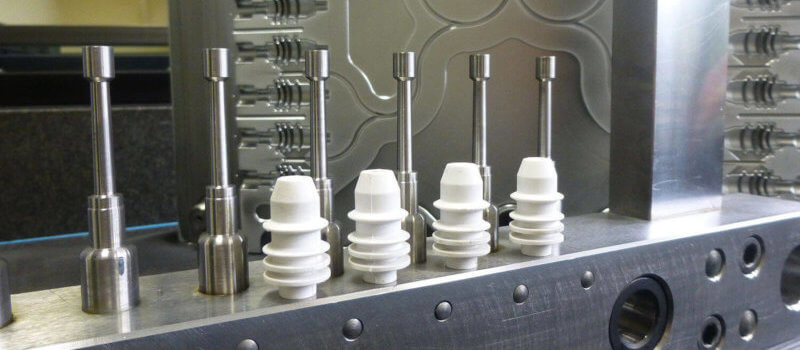
In medical devices, biocompatible magnesium parts are used in surgical instruments, implants, and diagnostic equipment. Magnesium machining enables the creation of intricate, lightweight, and safe components tailored for clinical use.
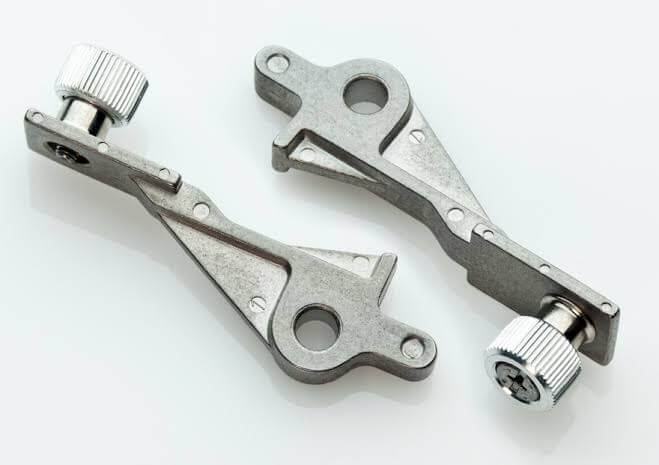
In general manufacturing, various CNC methods such as milling, turning, drilling, and laser cutting are employed to produce high-precision magnesium parts, including machined fixtures, brackets, and custom housings. These parts benefit from magnesium's excellent surface finish and dimensional stability.
Find answers to common questions about magnesium CNC machining.
Magnesium is one of the lightweight metals used in CNC machining, offering excellent machinability and an outstanding strength-to-weight ratio. What sets it apart from other materials is its high flammability and reactivity, which demand strict safety protocols, specialized equipment, and skilled operators to ensure safe and accurate machining.
Yes, magnesium is well-suited for CNC machining and is often chosen for applications where weight reduction is a priority. It responds well to precision machining, making it ideal for producing intricate parts with complex geometries. While magnesium's excellent machinability supports fast and efficient processing, its flammable nature means that proper safety measures—such as controlled chip evacuation and the availability of Class D fire extinguishers—must be in place throughout the process.
Due to the high fire risk associated with magnesium, only a limited number of suppliers offer magnesium machining. The process generates fine dust and small, broken chips that are highly flammable and can pose an explosion hazard if not properly managed. To keep things safe, strict protocols are essential—dust and chips should be cleared quickly using a vacuum or high-pressure systems to prevent buildup. It is also important to have Class D fire extinguishers on hand, as they are specifically designed to put out metal fires like those involving magnesium.
The machining of magnesium is generally easy, especially in CNC operations. Magnesium requires significantly less cutting force than aluminum, which allows for faster machining speeds, lower power consumption, and reduced tool wear. Despite these advantages, high-speed machining can still be limited by factors such as component stability, tool rotation speed, and appropriate feeds and depths of cut. Proper control of these parameters is essential to ensure safe and efficient machining of magnesium.
Upload your CAD files for a free quote and Design for Manufacturability (DFM) review within hours. Our engineering team is ready to assist with your magnesium CNC machining needs.
Get Instant Quote