Custom Aluminum Machined Parts Delivered in as Fast as 3 Days

Certified

Materials available

Tolerance achievable

Fast lead time
Partner with SHBD Metal’s CNC machining services.
With years of experience serving industries that demand uncompromising quality for aluminum components, we handle the most challenging manufacturing requirements with confidence. Our specialist team guides you through every stage, ensuring you benefit from the full range of aluminum machining advantages that modern CNC technology provides.

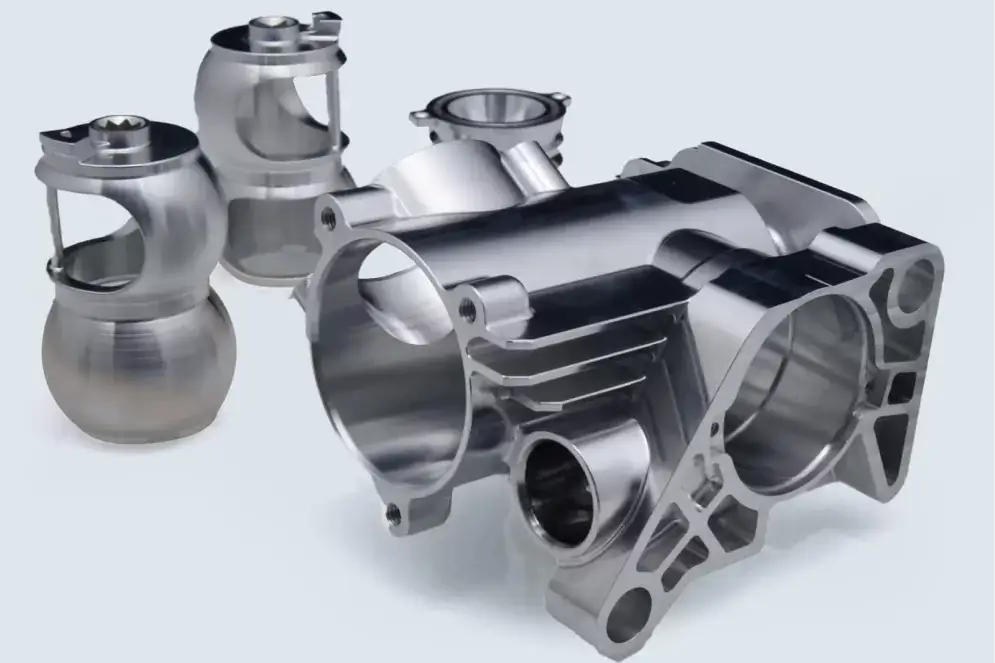
SHBD Metal operates CNC machines with high-power spindles capable of cutting aluminum at elevated speeds — ideal for part families like enclosures. Using high-RPM spindles with smaller cutters, we also produce components with premium surface quality and fine detail, such as aluminum reflectors and mold cores.
Our expertise in both high-speed material removal and precision detailing enables us to manufacture aluminum parts across the complexity and size spectrum. We offer the flexibility to handle single prototypes with rapid turnaround and large production runs at competitive per-unit pricing.
Single prototype or volume production — we accommodate orders of any size with no minimum requirement.
Our efficient processes and advanced technology enable pricing that competes with any supplier in the market.
Our engineering team brings years of cross-industry experience and tackles even the most demanding projects successfully.
With 40+ CNC machines at our disposal, we move your project from design to delivery faster than most competitors.
Serving aerospace and medical industries, we hold tight tolerances on every part. Precision tool holders and cutting tools ensure optimal accuracy across all operations.
Choose from an extensive selection of coatings and finishes tailored to your project specifications.
Most CNC shops quote machining as a standalone process. But when part quantities reach hundreds or more, better solutions exist. Some parts benefit more from tool-based fabrication or forging with finishing machining rather than milling from solid block.
For aluminum components, SHBD Metal combines 3-axis, 4-axis, or 5-axis CNC machining with complementary processes to create complex parts suited for large-scale production. These hybrid approaches maximize aluminum's functional potential while leveraging the advantages of each production method.
Our extrusion, casting, and forging processes can all be paired with CNC machining to produce superior aluminum components — regardless of testing requirements or desired material properties.
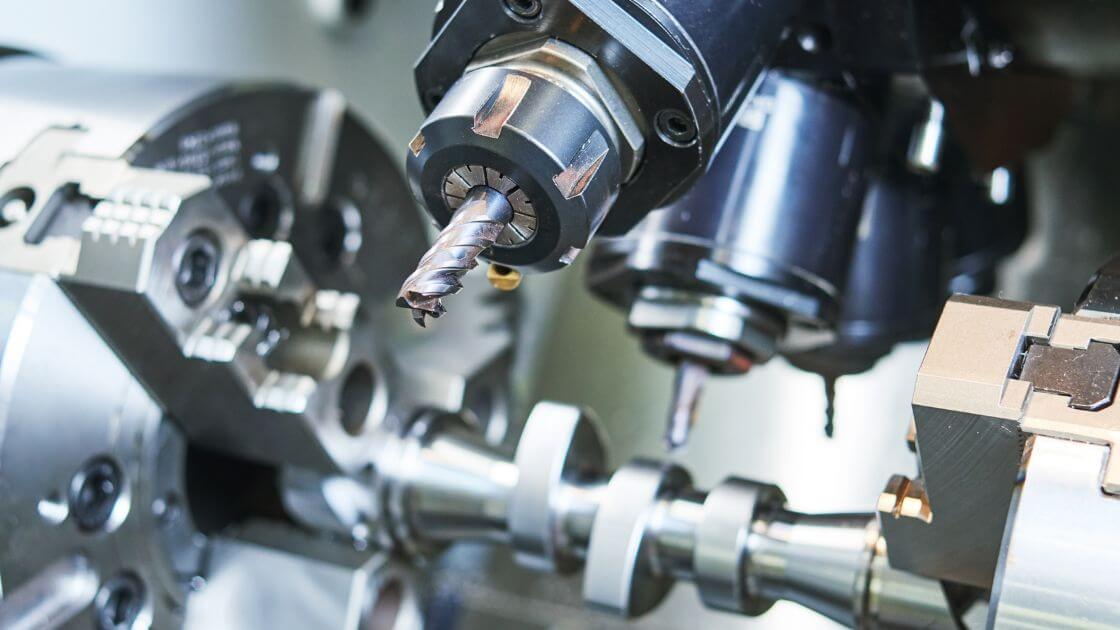
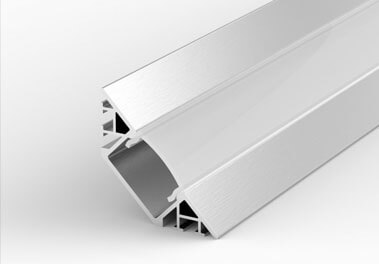
Extrusion forces heated material through a die opening to produce elongated components with continuous profiles. Since aluminum extrusion typically uses malleable, ductile grades like 6061 — which produce manageable chips — extruded parts can be machined in multiple ways using CNC equipment.
Combining extrusion with CNC machining is an effective strategy for producing durable parts with complex cross-sections and irregular geometries. SHBD Metal's extrusion-plus-machining service lets you benefit from extrusion's cost efficiency for long profiles while adding precision features, threaded holes, and tight-tolerance surfaces where required.
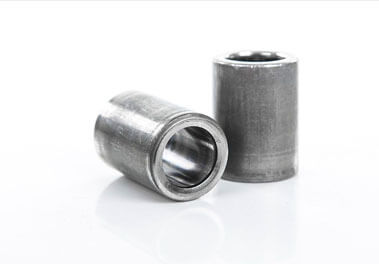
Many machinable aluminum alloys respond well to forging, which shapes metal through compressive force — typically pressing or hammering into the desired form, producing a dense grain structure aligned with the part contours.
Forged aluminum blanks can be post-machined on CNC centers — an approach that yields stronger parts than fully cast or machined equivalents. SHBD Metal combines forging with precision CNC machining to deliver components that offer both forged structural integrity and machined dimensional accuracy.
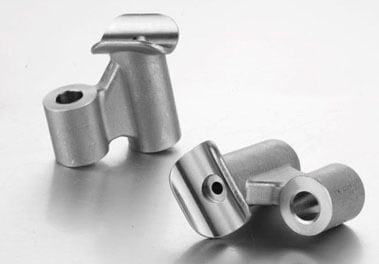
Investment casting uses wax patterns to create metal parts with excellent surface finish and high dimensional accuracy. This process produces intricate components with no parting lines. Aluminum alloys are a common investment casting material.
The cast aluminum parts can be post-machined and given a coating for refinement. SHBD Metal's investment casting + CNC machining service is ideal for producing complex geometries that would be difficult or impossible to machine from a solid block, while still achieving the tight tolerances and surface quality that only CNC finishing can provide.
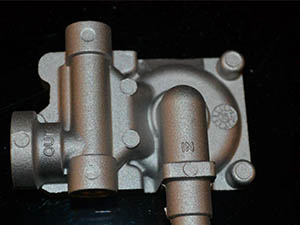
Pressure die casting is a manufacturing process in which molten metal is forced into a mold cavity at high pressure. It is generally used when making parts in larger quantities, since the required tool steel dies are very expensive to make. Die casting produces parts rapidly with consistent quality and excellent repeatability.
By die casting aluminum components then using a machining center fitted with the appropriate cutting tools, it is possible to create parts with an exceptional finish and more complex geometries than would be possible using either process on its own. SHBD Metal's combined die casting and CNC machining service delivers high-volume aluminum parts with precision-machined features at competitive prices.
Aluminum is one of the most popular machining materials thanks to its workability, strength, and versatility. What’s more, its low cost makes it perfect for prototypes, end-use products, and custom tools for molding. From standard grades like 6061 to high-quality aerospace grades like 7075, we have an aluminum alloy for every CNC machining project.
We also have the skills and the cutting-edge equipment to handle every challenge that might arise during production and improve the machinability of aluminum compared to our competitors. Our team has years of experience in machining with aluminum, as it makes up roughly 70% of used materials.
Our in-house equipment includes HAAS 5-axis mills with edge finding equipment, Hexagon CMMs, Olympus XRF analyzers, and a range of cutting tools for efficient chip removal. We machine at a fast rate, offering fast speeds and excellent material properties from your CAD files. With the help of our cutting-edge equipment, we can avoid aluminum part deformation and produce consistent results for our clients.
We can guarantee the aluminum alloy will be the exact material that you need for your project and can ensure the right tolerances according to your needs. Take our services out for a test drive: send us your CAD files to see our fair pricing rate and fast speeds for yourself.
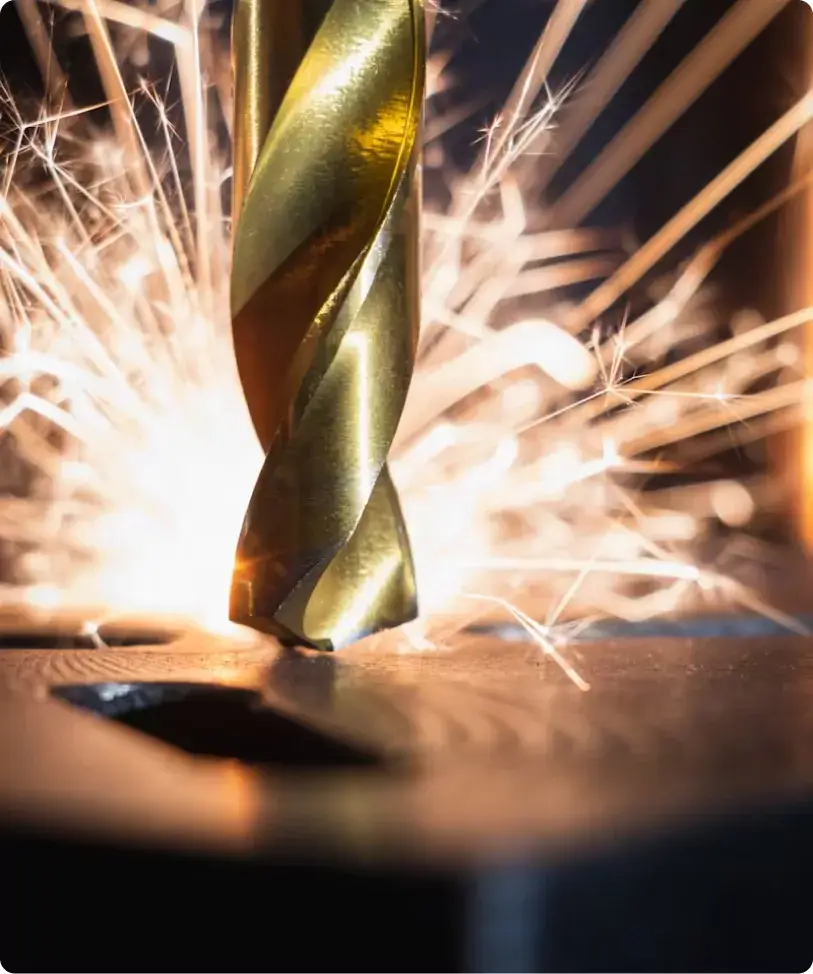
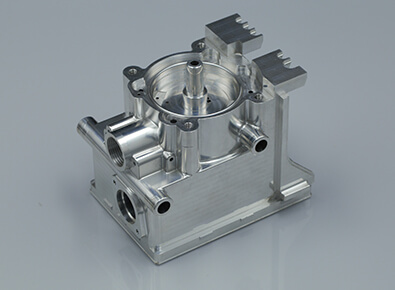
As the most versatile heat-treatable alloy, the highly machinable Aluminum 6061 is found in a wide range of new products, from laptops to large architectural features. SHBD Metal stocks 6061 in multiple tempers and thicknesses to accommodate any CNC machining project.
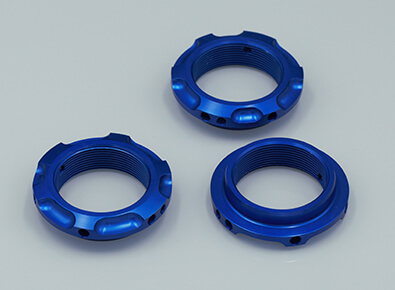
Aluminum 7075 is one of the strongest machinable aluminum alloys, and is consequently used in the aerospace industry and beyond. Its high strength-to-weight ratio makes it ideal for highly stressed parts where weight reduction is critical. SHBD Metal offers precision CNC machining of 7075 for demanding applications.
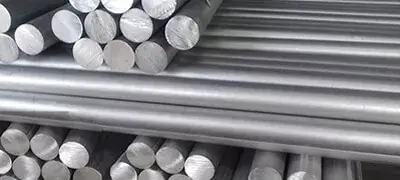
A strong, hard and heat-treatable aluminum alloy, Aluminum 2014 is especially machinable when left untreated. It offers excellent mechanical properties at both room and elevated temperatures, making it a preferred choice for aerospace and heavy-duty structural applications.
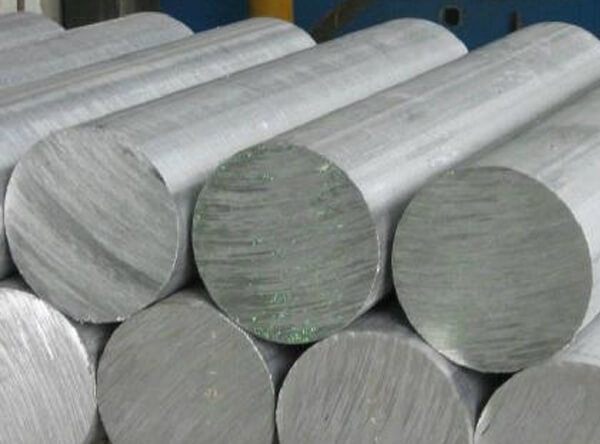
Exhibiting an excellent strength-to-weight ratio and fatigue resistance, Aluminum 2024 is commonly found in vehicles and aircraft structures. It is a copper-based alloy that offers high strength and excellent machinability, though it has lower corrosion resistance than some other grades.
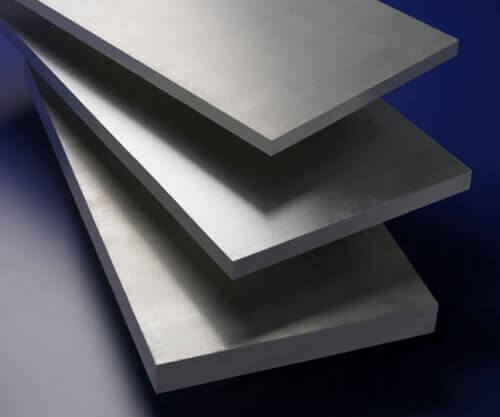
Though not heat-treatable, Aluminum 5052 has a high strength and resistance to corrosion, making it suitable for underwater applications and more. It is one of the strongest non-heat-treatable aluminum alloys and offers excellent workability and weldability.
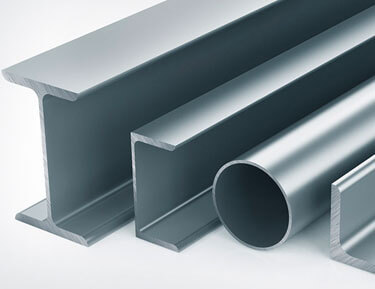
Used regularly in architecture, Aluminum 6063 is strong and corrosion resistant while offering an excellent surface finish. Often called architectural aluminum, it is prized for its extrudability and smooth surface, making it the go-to choice for visible architectural applications.
Aluminum is one of the most versatile manufacturing materials in the world, which is why it’s so popular in a wide range of industries. But why exactly is aluminum so suitable for CNC machining? Well, here are some of its main advantages:
Aluminum is one of the lightest metals available, weighing just over 2.7 g/cm³. That’s very useful for transportation, usability, and other practical reasons that are important in a range of industries.
Anti-corrosive qualities are another significant advantage of aluminum, as it helps protect it from oxidation. That, combined with a range of finishes and coatings, ensures that your parts will serve you for a long time.
Aluminum has excellent qualities of thermal and electrical conductivity. That makes it suitable for a range of uses similar to copper and other conductive materials.
Another reason why aluminum is so popular is its ease of use with machining. The material is easy to shape, drill, and fold, allowing to create even the most complex shapes.
Unlike some other material options, aluminum is resistant to low temperatures, meaning that the machining process is more flexible.