High-Precision CNC Machined Bronze Parts with Exceptional Strength & Durability
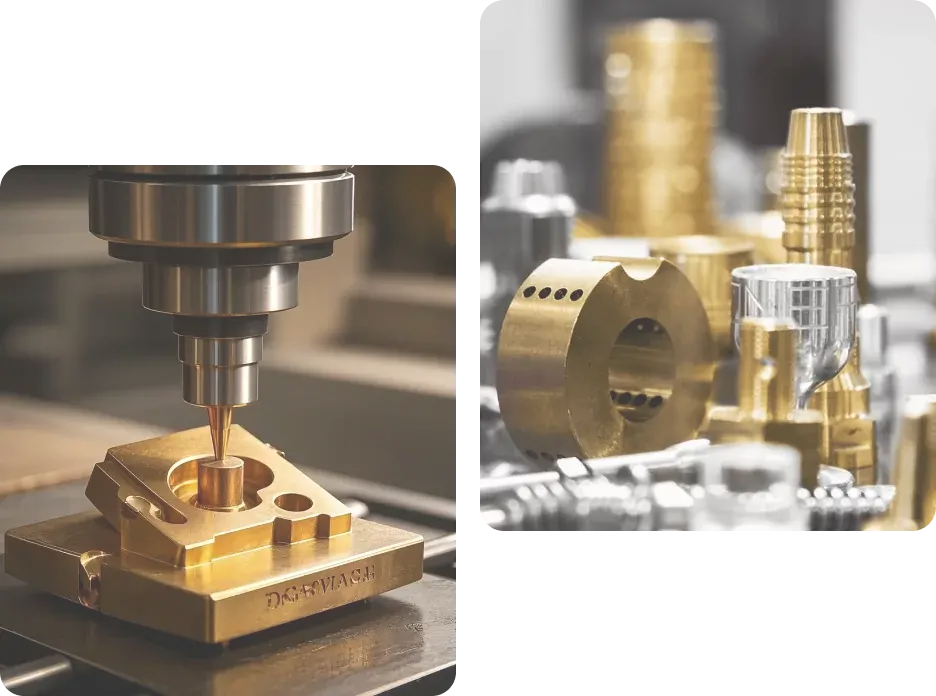
SHBD Metal offers complete CNC bronze machining solutions, producing components with outstanding accuracy from a diverse selection of bronze alloys. Bronze is an outstanding material for CNC machining because of its superior wear resistance, naturally low friction, excellent corrosion resistance, and strong mechanical properties.
Common applications for custom-machined bronze parts include marine hardware, bearings and bushings, valve and pump components, electrical connectors, gears, and architectural fittings. Bronze's inherent resistance to saltwater corrosion makes it especially valuable in marine and offshore environments.
Using our modern CNC machining centers and highly skilled technicians, we fabricate custom bronze parts to exact specifications, maintaining tight tolerances and delivering exceptional surface quality.
Contact our engineering team to discuss your bronze CNC machining project requirements.
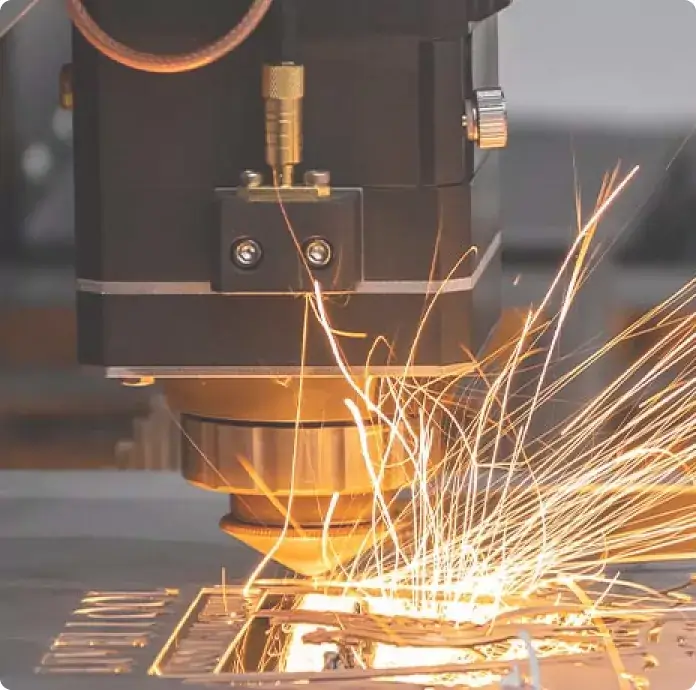
SHBD Metal stocks an extensive range of bronze alloys for CNC machining projects. Each grade delivers unique mechanical and physical characteristics suited to particular applications. Below are the bronze alloys we machine most frequently.
C95400, C95500, C95900
Aluminum bronze delivers outstanding strength and corrosion resistance, especially in seawater and chemical environments. It offers high wear resistance and excellent anti-galling behavior, making it a top choice for heavy-duty uses such as valve seats, pump components, and marine hardware.
| Tensile Strength | 620–758 MPa |
| Yield Strength | 250–400 MPa |
| Fatigue Strength | 170–240 MPa |
| Elongation | 12–35% |
| Hardness (Brinell) | 150–200 |
| Density | 7.45–7.65 g/cm³ |
C51000, C54400
Phosphor bronze is valued for its outstanding fatigue resistance, low coefficient of friction, and refined grain structure. It is widely used for springs, electrical contacts, diaphragms, and corrosion-resistant fittings. The phosphorus addition boosts wear resistance and stiffness.
| Tensile Strength | 310–690 MPa |
| Yield Strength | 140–480 MPa |
| Fatigue Strength | 110–240 MPa |
| Elongation | 15–70% |
| Hardness (Brinell) | 70–200 |
| Density | 8.86–8.96 g/cm³ |
C63000, C63200
Nickel aluminum bronze merges the strength of aluminum bronze with enhanced corrosion resistance and toughness gained from nickel content. It is the preferred material for seawater pumps, valves, propellers, and offshore oil and gas equipment requiring high strength and corrosion protection.
| Tensile Strength | 655–800 MPa |
| Yield Strength | 275–450 MPa |
| Fatigue Strength | 190–260 MPa |
| Elongation | 10–22% |
| Hardness (Brinell) | 170–220 |
| Density | 7.55–7.75 g/cm³ |
C93200, C93600
Leaded bronze incorporates distributed lead particles that deliver outstanding machinability and exceptional anti-friction characteristics. Typical applications include bearings, bushings, thrust washers, and wear plates under moderate load and speed conditions.
| Tensile Strength | 205–275 MPa |
| Yield Strength | 125–170 MPa |
| Fatigue Strength | 70–110 MPa |
| Elongation | 15–25% |
| Hardness (Brinell) | 55–80 |
| Density | 8.93–9.07 g/cm³ |
C90500, C90700
Tin bronze is a traditional bearing material noted for excellent wear resistance and good corrosion protection. Its high strength and hardness suit heavy-duty gears, worm wheels, and bearing uses involving high loads at low speeds.
| Tensile Strength | 275–380 MPa |
| Yield Strength | 140–200 MPa |
| Fatigue Strength | 90–140 MPa |
| Elongation | 12–30% |
| Hardness (Brinell) | 65–100 |
| Density | 8.73–8.93 g/cm³ |
C65500, C65100
Silicon bronze is prized for high strength, outstanding corrosion resistance, and good weldability. Common uses span architectural projects, marine hardware, fasteners, and electrical parts. Its warm reddish-gold appearance also suits decorative and artistic applications.
| Tensile Strength | 345–550 MPa |
| Yield Strength | 140–270 MPa |
| Fatigue Strength | 100–180 MPa |
| Elongation | 20–60% |
| Hardness (Brinell) | 80–150 |
| Density | 8.53 g/cm³ |
C86300
Manganese bronze is a high-strength alloy delivering excellent toughness and wear resistance. It exhibits the highest tensile strength among bronze grades, suiting heavy-duty roles such as hydraulic cylinder components, valve stems, bridge bearing plates, and heavy equipment parts.
| Tensile Strength | 620–800 MPa |
| Yield Strength | 345–550 MPa |
| Fatigue Strength | 200–280 MPa |
| Elongation | 12–25% |
| Hardness (Brinell) | 180–240 |
| Density | 7.70–7.85 g/cm³ |
Lead-Free Alternative
Bismuth bronze provides a lead-free option with good machinability and corrosion resistance. Bismuth substitutes for lead as the chip-breaking agent, offering an environmentally conscious solution for plumbing fittings, valves, and drinking water system parts.
| Tensile Strength | 240–310 MPa |
| Yield Strength | 110–170 MPa |
| Fatigue Strength | 70–110 MPa |
| Elongation | 15–30% |
| Hardness (Brinell) | 55–80 |
| Density | 8.90–9.00 g/cm³ |
C70600, C71500
Copper-nickel bronze provides outstanding resistance to saltwater corrosion and biofouling. With strong thermal conductivity and good workability, it is extensively used in marine piping, heat exchangers, desalination facilities, and offshore oil and gas platforms.
| Tensile Strength | 275–450 MPa |
| Yield Strength | 100–200 MPa |
| Fatigue Strength | 90–160 MPa |
| Elongation | 20–45% |
| Hardness (Brinell) | 70–140 |
| Density | 8.89–8.94 g/cm³ |
SHBD Metal provides multiple finishing choices for machined bronze parts to meet your aesthetic, functional, and protective requirements.
The standard as-machined finish retains the natural cutting-tool surface texture; visible tool marks may remain. This cost-effective choice works well for parts where appearance is secondary, such as internal or structural components. Typical surface roughness is Ra 1.6–3.2 μm.
Mechanical polishing creates a smooth, reflective surface on bronze components. Various grit levels range from satin to mirror finish. Polishing accentuates bronze's natural warm color and is commonly requested for decorative, architectural, and visible consumer parts.
Bead blasting produces an even matte or satin texture by propelling fine glass or ceramic beads at the part under pressure. It eliminates minor surface flaws and delivers a uniform, non-glare finish suited to industrial and functional parts.
Brushing generates fine, parallel surface lines on bronze, producing a characteristic directional grain. This decorative treatment is popular for architectural hardware, nameplates, and consumer goods requiring an elegant aesthetic.
Abrasive sanding removes surface irregularities and delivers a smooth finish with controlled roughness. It frequently serves as a preparatory step before polishing, plating, or coating. Multiple grit sizes are offered to reach the target surface quality.
Protective chemical coatings including clear lacquer, wax, or epoxy are applied to bronze components to prevent tarnishing, oxidation, and environmental damage. These treatments preserve bronze's natural color while offering lasting protection for indoor and outdoor use.
Though less typical than on aluminum, electrochemical treatments can be applied to bronze to form a controlled oxide layer. This process yields patina colors from dark brown to green, combining decorative value with improved corrosion resistance.
Controlled patination speeds bronze's natural aging to achieve targeted surface colors and textures. Popular patina finishes include verdigris (blue-green), brown, black, and golden hues. Patination is widely applied to architectural elements, sculptures, and ornamental hardware.
Electroplating applies a thin coating of another metal — such as nickel, chrome, or tin — onto the bronze surface. This enhances wear resistance, corrosion protection, and visual appeal. Electroplated finishes are often specified for high-wear parts, electrical contacts, and components needing a bright, uniform surface.
Understanding the pros and cons of bronze as a machining material helps guide alloy selection for your specific project requirements.
Bronze CNC machined components serve industries from marine and industrial to architecture and art.
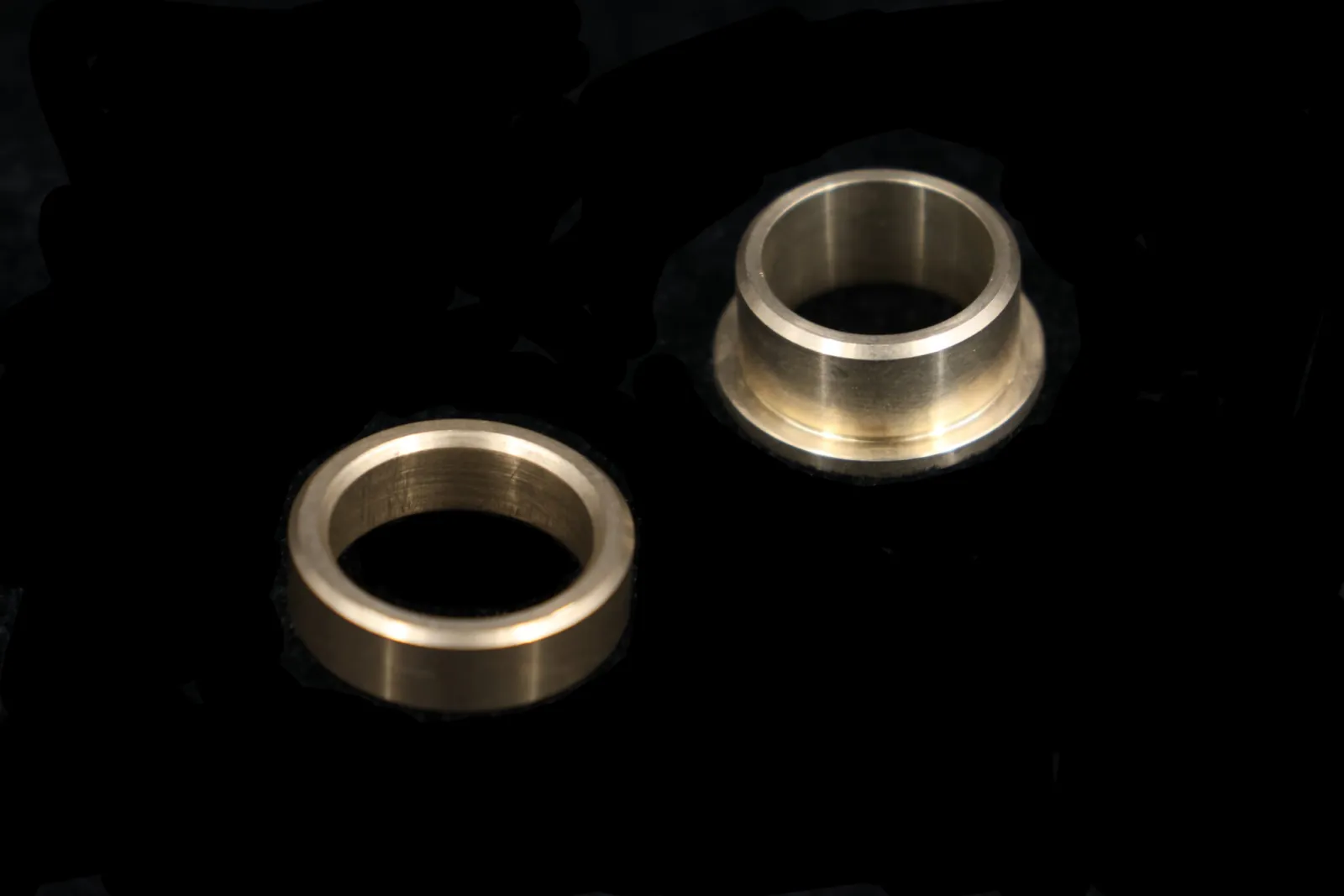
Bronze's low friction and excellent wear resistance make it the material of choice for plain bearings, sleeve bearings, thrust washers, and bushings in heavy machinery and automotive applications.
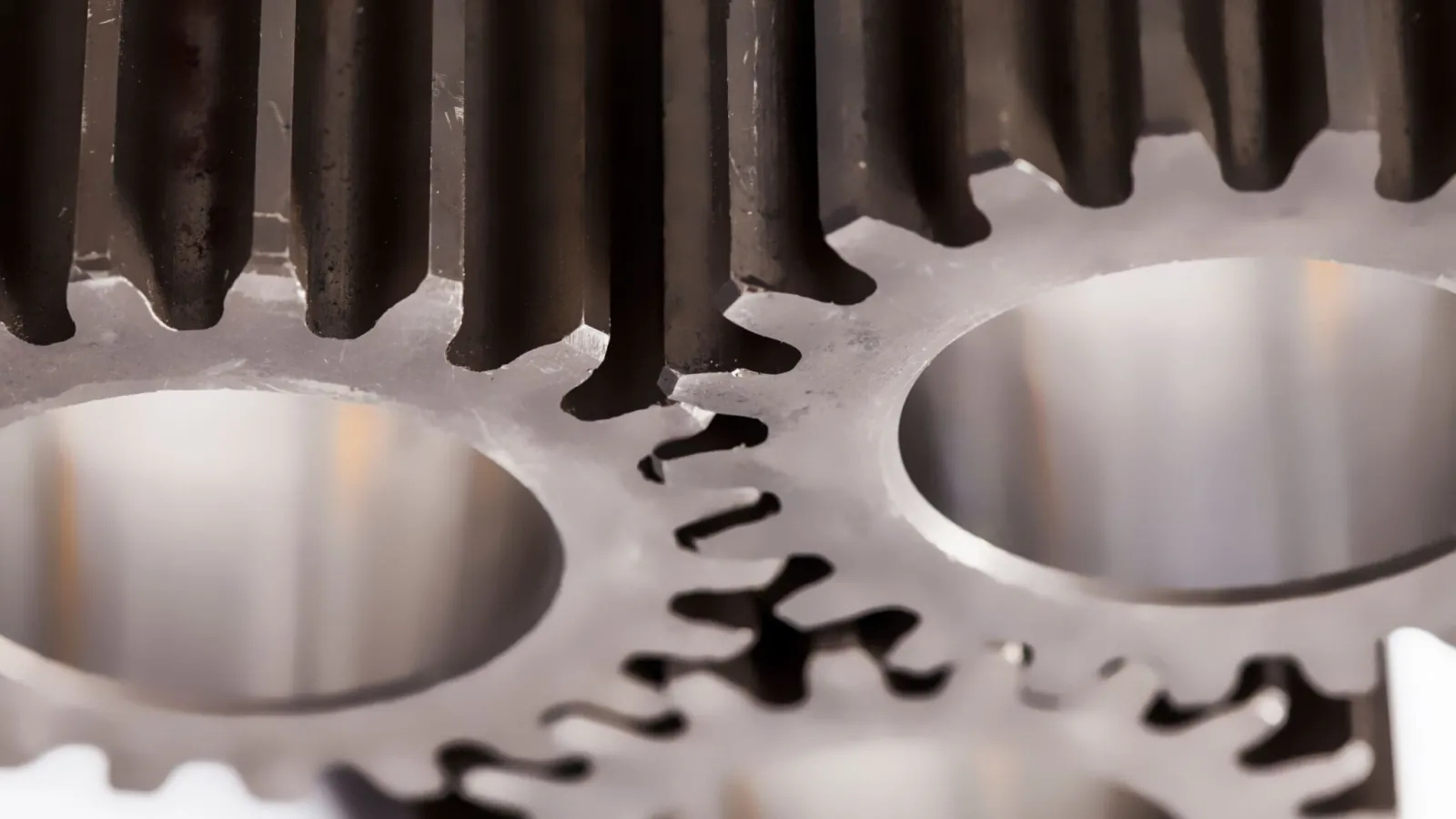
Bronze is widely used for valve bodies, stems, seats, and pump impellers in marine, industrial, and plumbing systems where corrosion resistance and sealing performance are critical.

Bronze's excellent electrical conductivity and corrosion resistance make it ideal for electrical connectors, terminals, switch parts, and grounding components in demanding environments.
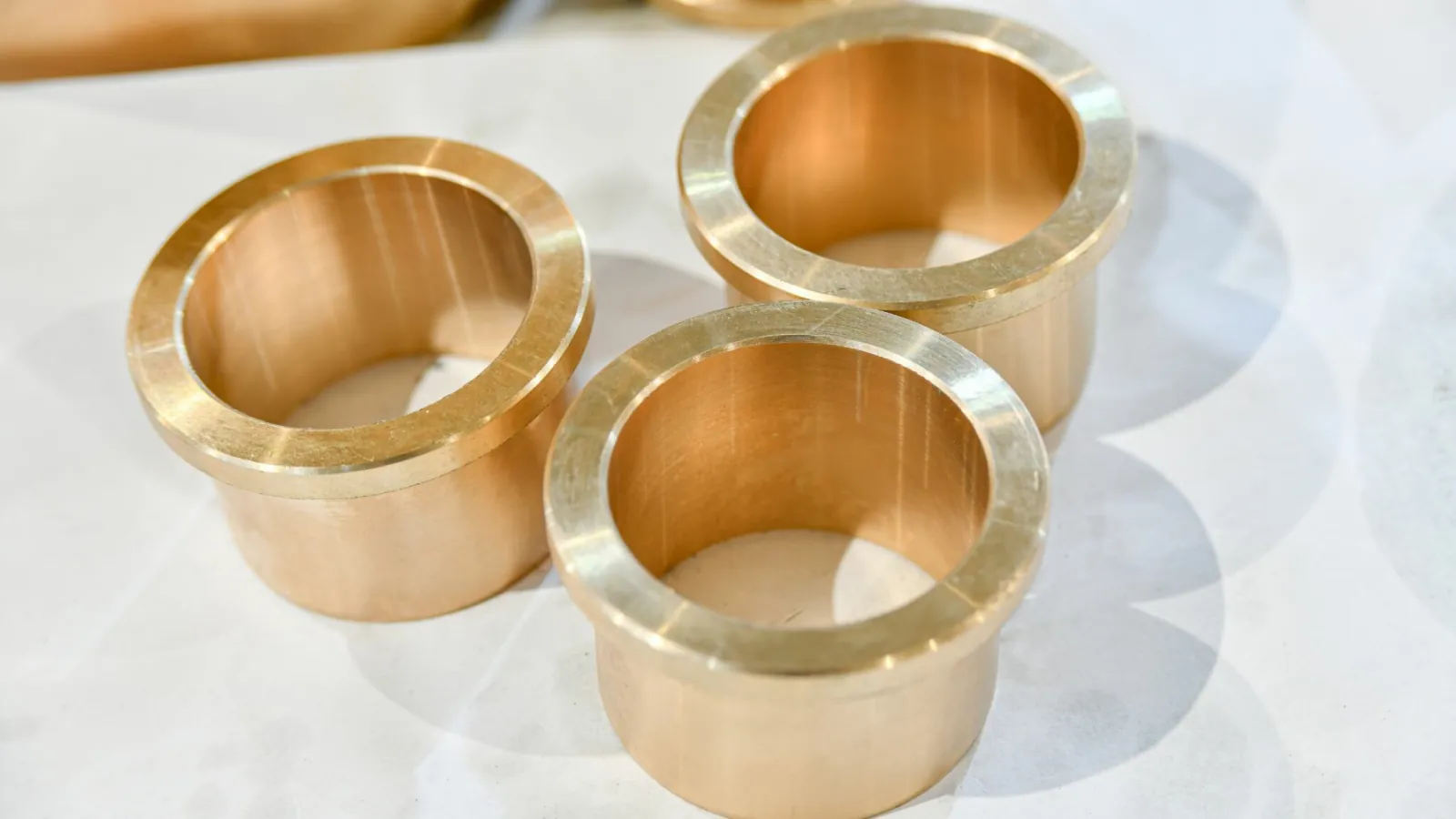
Bronze gears and worm wheels offer quiet operation, low wear, and high load capacity, making them ideal for power transmission systems in industrial and automotive applications.
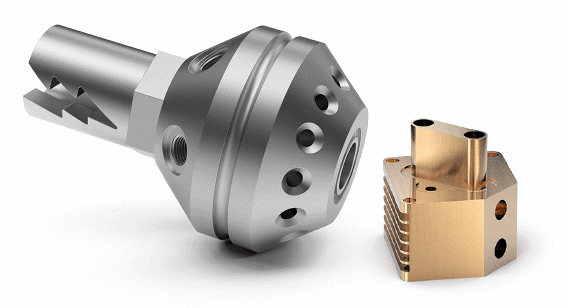
Bronze's warm aesthetic, durability, and ability to accept patina finishes make it a preferred material for sculptures, architectural hardware, railings, fixtures, and custom decorative elements.
Upload your CAD files for a free quote and Design for Manufacturability (DFM) review within hours. Our engineering team stands ready to support your bronze CNC machining project.
Get Instant Quote