High-Accuracy CNC Machined Steel Parts with Exceptional Strength & Durability
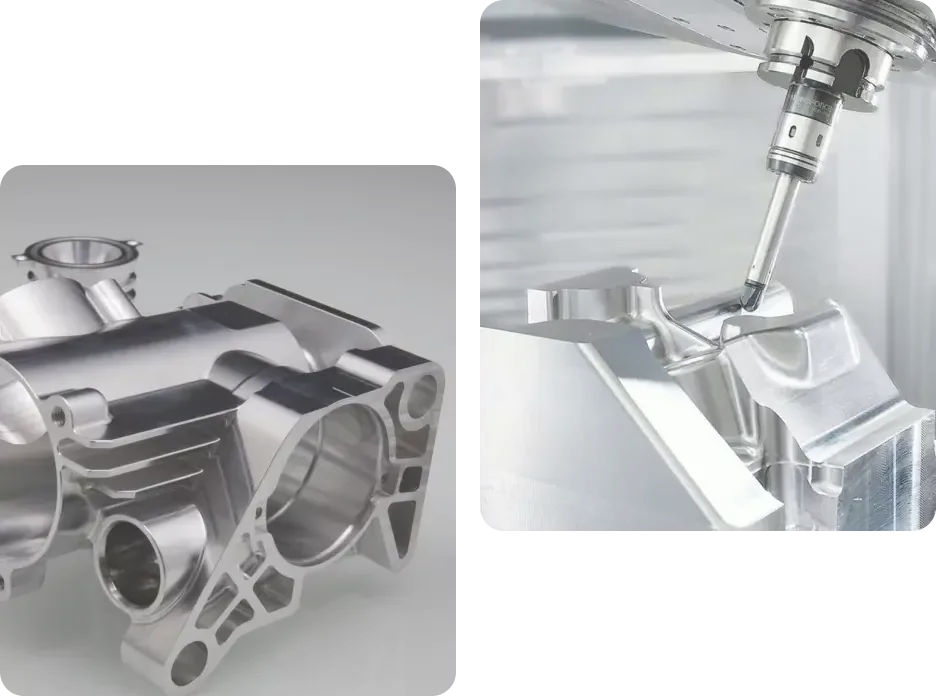
Steel is an iron-carbon alloy with carbon content typically ranging from 0.02% to 2.14%. Small additions of chromium, nickel, molybdenum, or vanadium are often included to enhance hardness, corrosion resistance, and strength. This versatile metal serves extensively in manufacturing, construction, and industrial applications.
SHBD Metal offers steel prototyping and CNC machining services, producing precision steel components via advanced 3-axis, 4-axis, and 5-axis machining centers plus CNC turning and Swiss-type capabilities.
We operate with no minimum order quantity, enabling cost-effective solutions from single prototypes to volume production. Streamlined workflows allow steel part delivery in as few as 5 days, depending on complexity and requirements.
All steel components are produced under ISO 9001:2015 certified quality management, ensuring consistent process control, traceability, and dimensional accuracy at every production stage.
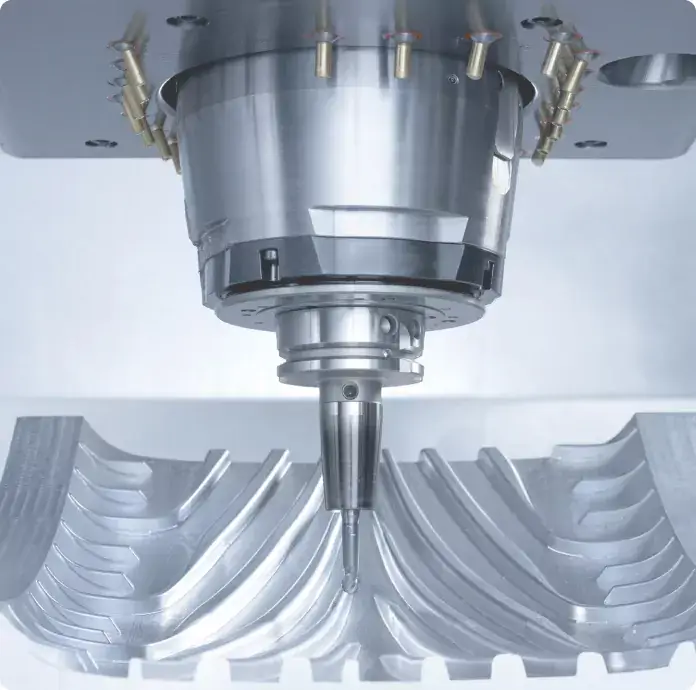
Carbon steels are popular for their balance of strength, toughness, and machinability. SHBD Metal provides complete CNC machining across the full carbon steel spectrum.
Low carbon steels 1215 and 1018 are straightforward to machine, weld, and form, offering cost-effective CNC production. These mild steels suit fixtures, automotive parts, and general-purpose components.
| Tensile Strength (MPa) | ~370 |
| Yield Strength (MPa) | ~240 |
| Fatigue Strength (MPa) | ~240 |
| Elongation at Break (%) | 15–25% |
| Hardness (Brinell) | ~120 |
| Density (g/cm³) | ~7.87 |
| Tensile Strength (MPa) | ~370 |
| Yield Strength (MPa) | ~240 |
| Fatigue Strength (MPa) | ~240 |
| Elongation at Break (%) | 15–25% |
| Hardness (Brinell) | ~120 |
| Density (g/cm³) | ~7.87 |
1045 medium carbon steel delivers higher strength and toughness than 1018 while retaining good machinability. It is commonly selected for shafts, gears, bolts, and mechanical components needing better wear resistance. Other medium carbon grades include 1145F (quenched for improved machinability) and 11L41 (alloyed with sulfur and lead for enhanced cutting).
| Tensile Strength (MPa) | ~530 |
| Yield Strength (MPa) | 330–370 |
| Fatigue Strength (MPa) | ~270 |
| Elongation at Break (%) | ~16% |
| Hardness (Brinell) | ~170–210 |
| Density (g/cm³) | ~7.85 |
High carbon steel such as 1095 is extremely hard and wear-resistant, particularly after heat treatment. It is frequently chosen for cutting tools, springs, and high-strength parts demanding superior hardness and edge retention.
| Tensile Strength (MPa) | ~625 |
| Yield Strength (MPa) | 520–580 |
| Fatigue Strength (MPa) | ~280 |
| Elongation at Break (%) | ~10% |
| Hardness (Brinell) | ~200–250 |
| Density (g/cm³) | ~7.85 |
Alloy steels include extra alloying elements to boost strength, hardness, toughness, and wear resistance. SHBD Metal machines a broad array of alloy steel grades for demanding applications.
AISI 4140 / 1.7225
4140 is a chromium-molybdenum alloy steel known for its excellent toughness, high fatigue strength, and good wear resistance. It is commonly used in axles, shafts, gears, and structural components requiring high strength and impact resistance.
| Tensile Strength | 655–850 MPa |
| Yield Strength | 415–620 MPa |
| Fatigue Strength | 280–340 MPa |
| Elongation | 10–25% |
| Hardness (Brinell) | 197–302 |
| Density | 7.85 g/cm³ |
AISI 4340 / 1.6511
4340 is a nickel-chromium-molybdenum alloy steel offering exceptional strength, toughness, and fatigue resistance. It is widely used in aerospace, automotive, and oil & gas applications for critical components such as landing gear, crankshafts, and high-stress structural parts.
| Tensile Strength | 745–1070 MPa |
| Yield Strength | 470–830 MPa |
| Fatigue Strength | 300–380 MPa |
| Elongation | 10–22% |
| Hardness (Brinell) | 217–341 |
| Density | 7.85 g/cm³ |
Tool steels are high-performance alloys engineered for superior hardness, wear resistance, and toughness. SHBD Metal provides precision CNC machining across all major tool steel grades.
O1, A2, and D2 rank among the most popular cold work tool steels, each with distinct properties for different applications.
| Property | O1 Tool Steel | A2 Tool Steel | D2 Tool Steel |
|---|---|---|---|
| Type | Oil-Hardening | Air-Hardening | High Carbon, High Chromium |
| Tensile Strength (MPa) | ~650–800 | ~700–850 | ~750–900 |
| Hardness (HRC) | 57–62 | 57–62 | 58–64 |
| Wear Resistance | Good | Very Good | Excellent |
| Toughness | Very Good | Good | Moderate |
| Machinability | Excellent | Good | Fair |
| Dimensional Stability | Good | Excellent | Excellent |
| Typical Uses | Cutting tools, dies, punches, gauges | Blank dies, forming tools, plastic molds | Long-run dies, thread rolling, cutting tools |
H13 is a hot work tool steel with excellent resistance to thermal fatigue and cracking. It maintains high strength and hardness at elevated temperatures, making it ideal for hot forging, extrusion, die casting, and plastic mold tooling applications.
| Tensile Strength (MPa) | ~600–750 |
| Yield Strength (MPa) | 450–550 |
| Hardness (HRC) | 45–52 |
| Elongation at Break (%) | 10–15% |
| Thermal Conductivity (W/m·K) | ~28 |
| Density (g/cm³) | ~7.80 |
SHBD Metal provides multiple finishing options for machined steel parts to meet your appearance, performance, and protection needs.
Heat treatment processes such as annealing, normalizing, quenching, and tempering can significantly alter the mechanical properties of steel parts. Depending on the grade and required outcome, heat treatment can improve hardness, strength, toughness, or ductility. SHBD Metal can coordinate with certified heat treatment partners to meet your specifications, including through-hardening, case hardening, and stress relieving.
Protective coatings such as zinc plating (galvanizing), nickel plating, chrome plating, black oxide, or phosphate coating provide enhanced corrosion resistance and improved surface hardness. Each coating process adds a protective layer that extends the service life of steel components in demanding environments. We can apply coatings per ASTM and AMS standards.
Thermal spray coating and paint spraying provide a durable surface layer for steel parts. Options include epoxy, polyurethane, and zinc-rich primers for corrosion protection, as well as high-temperature resistant ceramic coatings for thermal barrier applications. Powder coating is also available for decorative and protective finishes with excellent impact and chemical resistance.
Passivation is a chemical treatment that removes free iron and surface contaminants, promoting the formation of a passive oxide layer on stainless and alloy steels. This process enhances corrosion resistance and is particularly important for medical, food processing, and pharmaceutical applications where surface cleanliness and biocompatibility are critical.
Abrasive blasting (sand blasting, shot blasting, or bead blasting) creates a uniform matte or satin surface finish while removing mill scale, rust, and surface imperfections. Blasting also improves surface adhesion for subsequent coating or painting processes. Different media types and pressures allow precise control over surface roughness and appearance.
All steel CNC machined parts at SHBD Metal are manufactured under a strict ISO 9001:2015 certified quality management system. Every part undergoes rigorous dimensional inspection using CMM, optical comparators, and surface profilometers to ensure compliance with your specifications.
Our quality engineers perform first article inspection (FAI) and in-process monitoring to maintain consistency across production runs. Material certifications are available upon request, providing full traceability from raw material to finished part.
Quality Assurance Details →Understanding the strengths and limitations of steel as a machining material helps guide informed design and selection choices.
Optimize steel part designs to cut machining time, tool wear, and production costs while maintaining quality.
Steel CNC machined parts are found in nearly every industry sector. Below are the most common application areas.
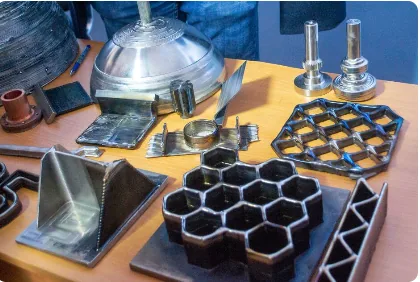
Steel CNC machined parts are essential in automotive manufacturing, including engine components, transmission parts, suspension systems, drive shafts, gears, and structural brackets requiring high strength and durability.
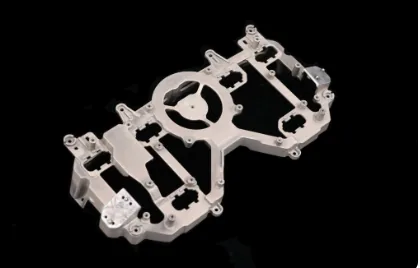
Aerospace applications demand the highest standards of precision and reliability. Steel parts are used in landing gear assemblies, engine mounts, actuator components, fasteners, and structural airframe elements.

Steel components are the backbone of industrial machinery, including hydraulic cylinders, pump housings, gearboxes, roller assemblies, and heavy equipment structural frames.
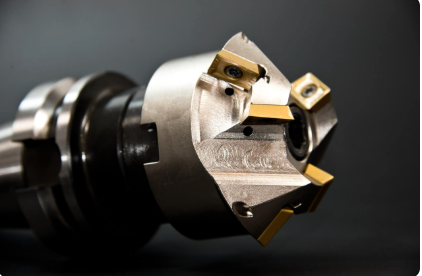
Oil and gas equipment relies on steel for its strength and resistance to harsh environments. Typical parts include valve bodies, wellhead components, drill collars, flanges, and pressure vessel fittings.
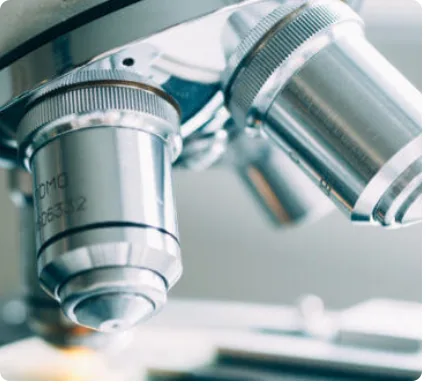
Stainless and specialty steels are used in surgical instruments, orthopedic implants, medical device housings, sterilization equipment, and hospital bed mechanisms.
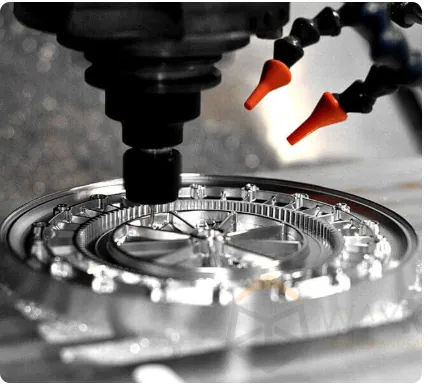
Tool steel components are used extensively in dies, molds, jigs, fixtures, cutting tools, and general engineering applications where precision, hardness, and repeatability are critical.
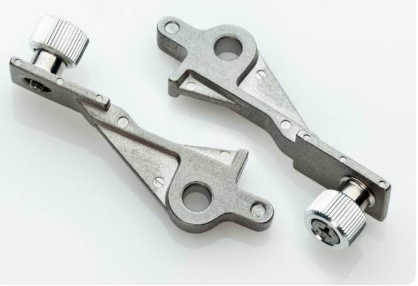
Custom CNC steel parts, including shafts, rods, brackets, and fasteners, meet specialized requirements for strength, precision, and durability across various industrial sectors.