
Medical device development is a marathon of verification: concept, bench testing, design freeze, and ultimately regulatory submission. Before any of that can happen, you need physical parts — and the faster those parts reflect your final design, the faster the whole program moves. That is where medical device prototyping earns its keep. Done well, it de-risks the design, surfaces manufacturability problems early, and produces the evidence that regulators and reviewers expect.
This guide explains what a medical device prototype is, the different types you will need across the development cycle, the manufacturing methods best suited to each stage, and how to choose materials and partners that keep you on the path to a validated, FDA-ready product.
At SHBD Metal, we build medical device prototypes for startups and established manufacturers alike, using CNC machining, 3D printing, and silicone molding under one roof — with documentation that supports your quality system.
What Is Medical Device Prototyping?
Medical device prototyping is the process of producing physical models of a medical device at various stages of development, from early concept models to pre-production units that mirror the final product. Unlike consumer product prototyping, it is shaped by three additional forces: regulatory requirements, biocompatibility, and the need for documented traceability at every step.
Prototypes in the medical world serve several distinct purposes. They let clinicians test ergonomics and usability. They let engineers validate mechanisms, fluidics, and electronics under real conditions. They provide samples for sterilization testing, biocompatibility evaluation, and accelerated aging studies. And they give reviewers — both internal stakeholders and regulatory bodies — something concrete to evaluate.
Because the cost of a design error grows exponentially as the program advances, the goal of prototyping is simple: find and fix problems when they are cheap to fix.
Types of Medical Device Prototypes
Not all prototypes are the same, and teams that treat them as interchangeable waste time and money. In practice, medical device development uses three broad categories:
- Concept and visual models. Simple, often non-functional models used to communicate form, size, and user interaction. They are cheap, fast, and disposable — ideal for early design reviews and user feedback sessions.
- Functional and bench prototypes. Working models that validate the core technology — mechanism, flow path, electronics, or software. They are built with whatever method is fastest, which often means machined or 3D-printed parts, and they may use off-the-shelf components.
- Pre-production and validation units. Units built with the final materials and near-final processes, used for design verification, sterilization validation, and regulatory submission. These must reflect the production design as closely as possible — which is why they are often machined or molded from production-grade materials.
Each stage answers a different question, and the manufacturing method should follow the question being asked, not habit.
Prototyping Methods for Medical Devices
CNC Machining
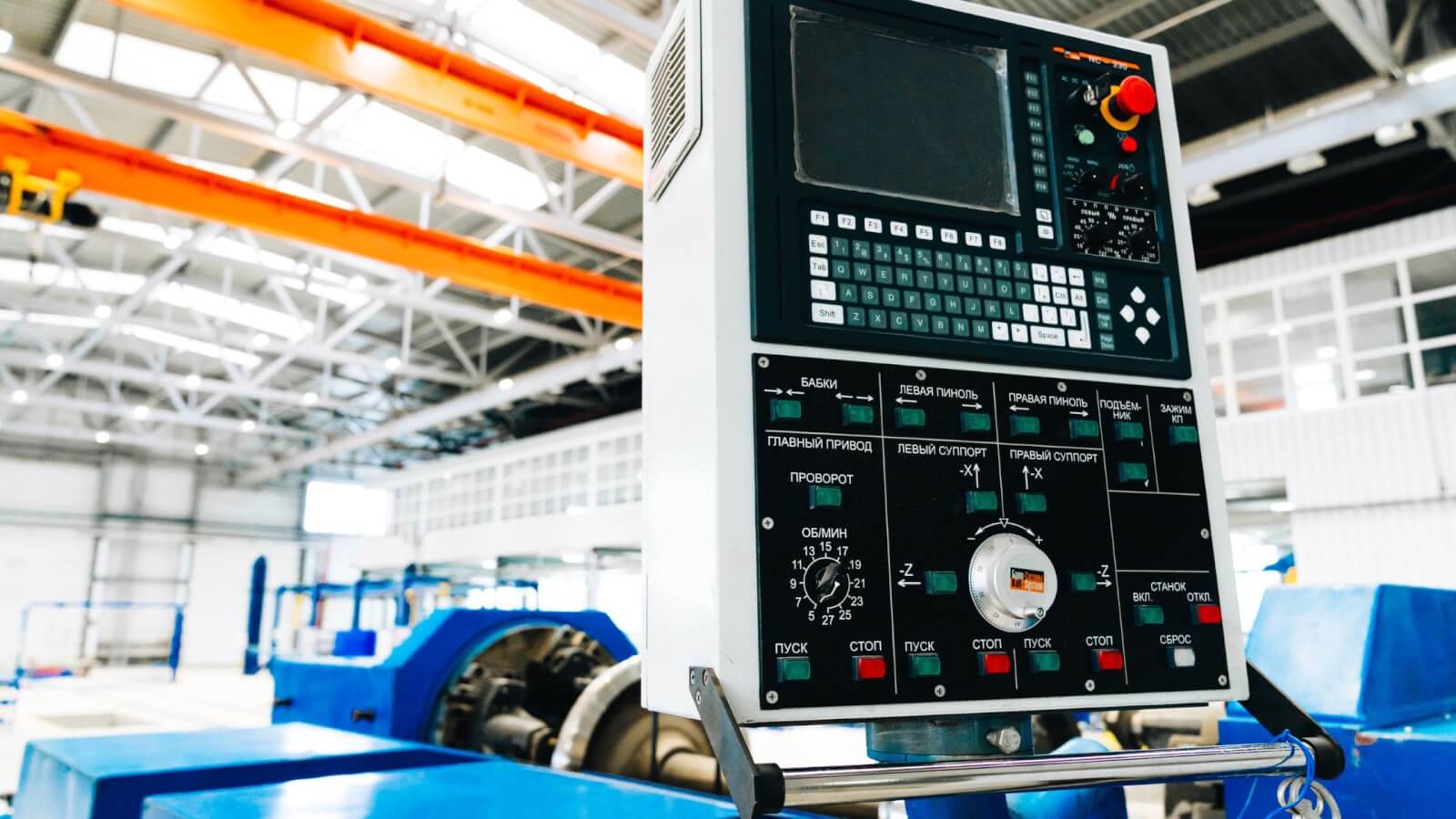
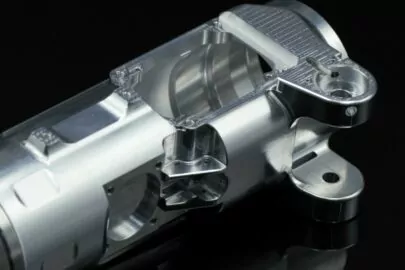
CNC machining is the backbone of functional medical device prototyping. Machined parts are strong, dimensionally accurate, and available in production-grade metals and plastics — which makes them ideal for mechanisms, housings, and metal components that must survive repeated cycling and sterilization.
Machining also supports design iteration better than tooled processes: no molds, no tooling lead time, just CAD changes and a new run of parts. For the hundreds of small, precise components in a typical device — from implantable-grade titanium parts to PEEK insulators and stainless steel shafts — CNC machining delivers production-like properties at prototype speed.
3D Printing
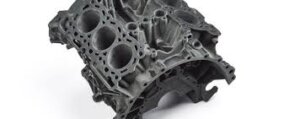
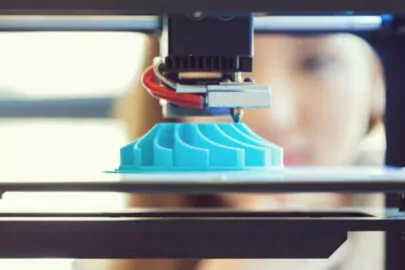
Additive manufacturing excels early in the development cycle, where speed and geometric freedom matter more than final material properties. 3D printing produces concept models, anatomical models for surgical planning, and functional prototypes of complex housings in hours rather than weeks.
It is also the only practical way to prototype certain geometries — internal channels, lattice structures, and complex freeform surfaces. For biocompatibility screening and early flow testing, 3D-printed parts in materials such as medical-grade resins and nylon give useful data long before tooling is committed.
Molding and Casting
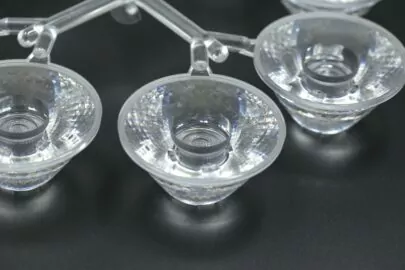
As the design matures, silicone molding and prototype injection molding bridge the gap to production. Silicone molding uses a soft tool to produce short runs of parts in production-like materials — polyurethane, silicone, and other castable resins — at a fraction of the cost of steel tooling. It is the standard route for early clinical-trial quantities and for validating the design before committing to production molds.
For devices that will ultimately be injection molded, prototype tooling validates wall thickness, draft, gate location, and material behavior with parts that behave like the final product.
Materials for Medical Device Prototypes
Material selection during prototyping should anticipate the production material. If the final device will be molded from polycarbonate, prototype machined parts in polycarbonate — not ABS — so mechanical and sterilization testing means something. If the device contacts tissue, the materials should be screened for biocompatibility from the first functional prototype onward.
Common medical prototype materials include stainless steel and titanium for metal components; PEEK, polycarbonate, and polysulfone for sterilizable housings; and medical-grade silicones and polyurethanes for flexible and implantable elements. Compare the mechanical and thermal properties of these and other grades in our materials guide.
Regulatory and Quality Considerations
Medical device prototyping is not just an engineering exercise — it feeds directly into regulatory strategy. Under FDA and ISO 13485 frameworks, design inputs, design outputs, and design verification must all be documented. Prototypes generate much of that evidence, so your prototyping partner should be able to provide material certifications, dimensional inspection reports, and process traceability.
Ask your supplier what documentation they can produce per batch: raw material certificates, inspection data, and any deviations from print. Traceability from material lot to finished part is not bureaucracy; it is the foundation of a defensible design history file. Our quality assurance process describes the inspection and reporting we apply to every medical project.
Working with a Prototyping Partner
The best prototyping partner is the one that reduces your total program risk. Look for a shop that offers multiple processes under one roof, so you are not shipping parts between vendors at every iteration. Look for DFM feedback that improves the design rather than merely confirming it. And look for quality documentation that a registrar or FDA reviewer will accept without rework.
Equally important is speed of iteration. In medical device development, the number of design-build-test cycles you can complete in a quarter often decides whether you beat your competitors to market. A partner that turns drawings around in days, not weeks, is a strategic advantage.
Frequently Asked Questions
What is the difference between a prototype and a medical device prototype?
A general prototype validates form or function. A medical device prototype additionally supports regulatory activities: it is built from materials and processes that anticipate production, and its manufacture is documented well enough to feed into the design history file and regulatory submission.
What materials are used for medical device prototypes?
Stainless steel, titanium, PEEK, polycarbonate, polysulfone, nylon, medical-grade silicones, and polyurethanes are common choices. Material selection should mirror the intended production material so that mechanical, sterilization, and biocompatibility testing are meaningful.
How long does medical device prototyping take?
Machined or 3D-printed prototype parts typically ship in days to two weeks, depending on complexity and quantity. Silicone-molded short runs add tooling time. Planning the prototype stage into the overall development schedule — and choosing a responsive partner — is the best way to keep the program on track.
Is 3D printing or CNC machining better for medical prototypes?
It depends on the stage and the part. 3D printing is faster and better for complex geometry and early iterations; CNC machining delivers production-grade material properties and tighter tolerances for functional testing and validation. Most programs use both, sequentially.
Can a prototype manufacturer support FDA submissions?
A manufacturer can support your submission by providing material certificates, inspection reports, and process documentation. The regulatory submission itself is your responsibility, but the quality of your supplier's documentation makes it dramatically easier.
Get Your Medical Device Prototype Quote
Every day spent waiting on parts is a day your competitors use to close the gap. At SHBD Metal, we combine CNC machining, 3D printing, and silicone molding with strict quality documentation — so your medical device prototype arrives on time, on spec, and ready for the next test.
Upload your CAD files today and receive a detailed quote within hours. From concept models to pre-production validation units, we are ready to help you bring your device to market.