Select the optimal process for your specific requirements—from high-volume production to complex geometries, custom prototypes, and the highest accuracy demands.

Solve the challenge of maintaining consistency and quiet operation across long production runs. Our gear hobbing service delivers accurately cut teeth with minimal noise and vibration, ensuring your automotive or industrial drives transmit power smoothly and reliability, batch after batch.
Get Instant Quote
Overcome the limitation of machining precise teeth on internal surfaces and in tightly spaced assemblies. This process creates the exact fit and smooth operation required for specialized machinery and compact transmissions where other methods cannot reach.
Get Instant Quote
Break away from standard tooth forms. Our 5-axis CNC milling produces complex, custom gears with exceptional accuracy, ideal for functional prototypes, low-volume batches, and intricate systems that demand a perfect fit from the first sample.
Get Instant Quote
Eliminate friction, noise, and premature wear in high-stakes applications. Gear grinding delivers the highest accuracy grades and super-fine finishes necessary for aerospace and precision automotive components that operate under high speeds and extreme loads.
Get Instant Quote
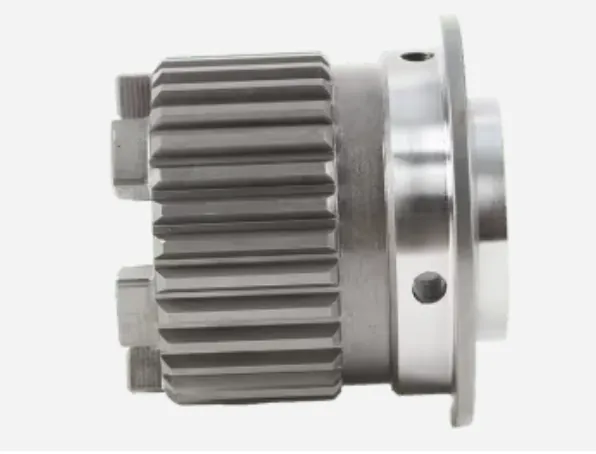
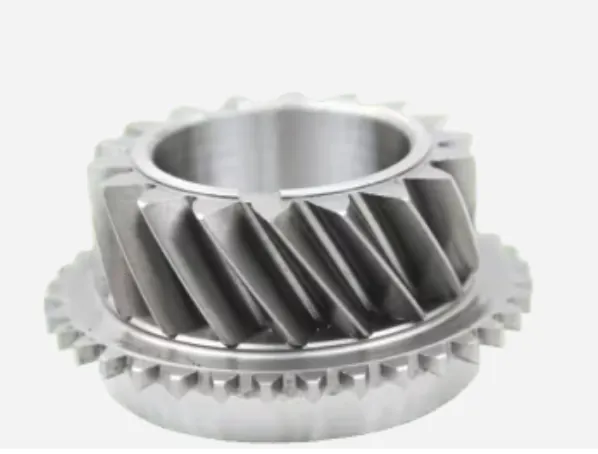
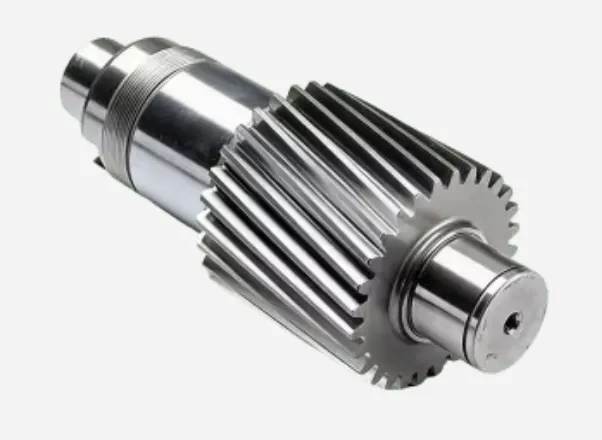


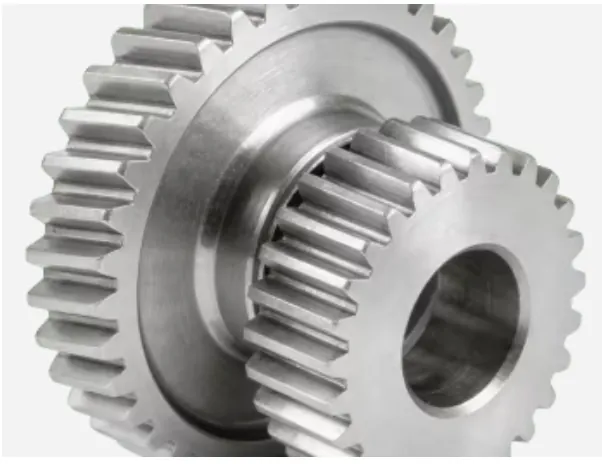
A Journey of High-Performance Gear Manufacturing from Raw Materials to Finished Products

The process begins with spectroscopic analysis and precision cutting of raw materials. We conduct rigorous chemical composition and mechanical property testing on every material batch, ensuring a reliable foundation for gear performance and longevity.
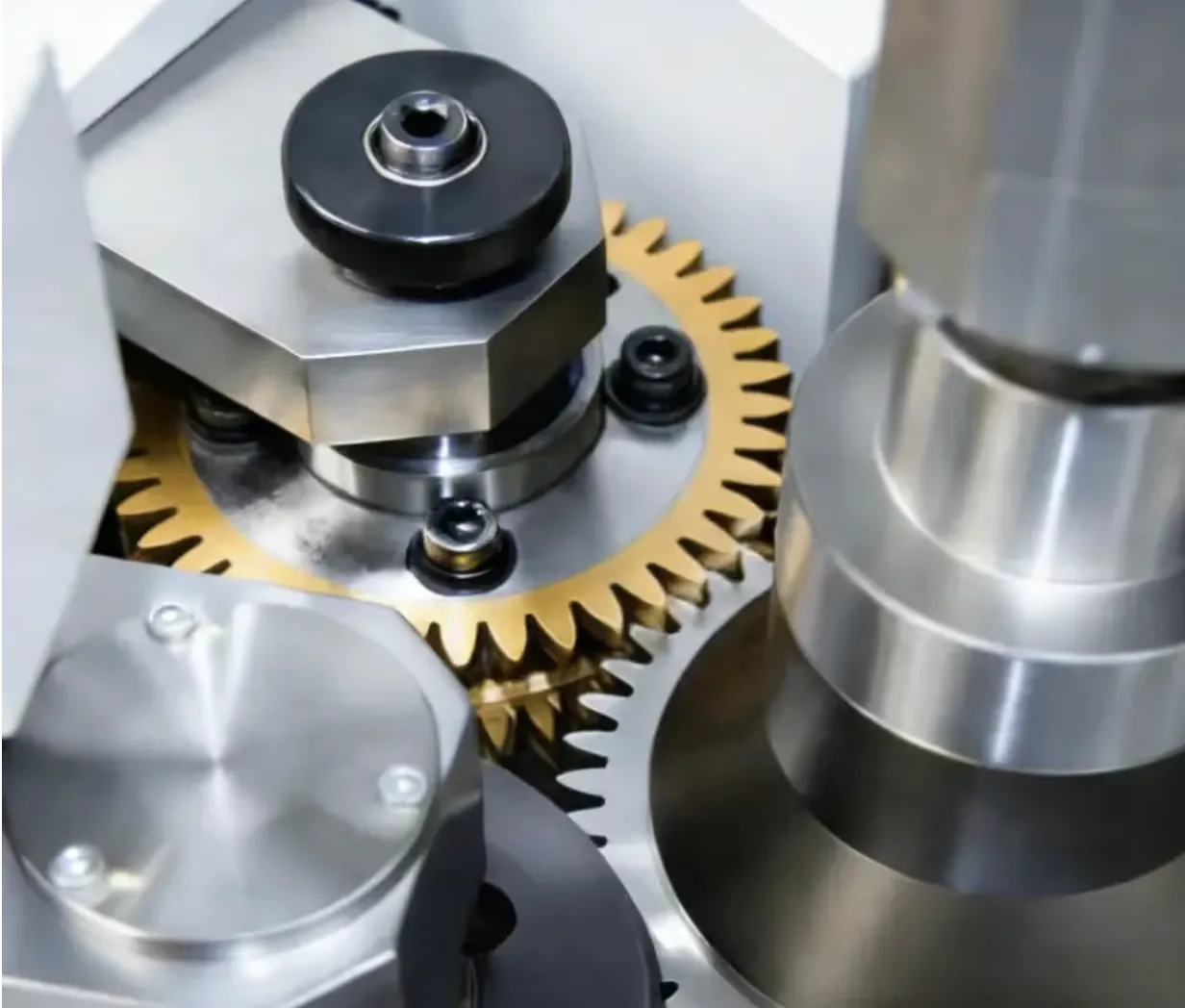
Utilizing multi-axis CNC gear hobbing, shaping, and milling equipment, we accurately cut tooth profiles into gear blanks. This establishes a precise geometric foundation for subsequent processing, ensuring optimal tooth engagement and load distribution.
Through customized heat treatment processes including carburizing, induction hardening, and quenching, we optimize the material's microstructure. This significantly enhances surface hardness, wear resistance, and core toughness to meet demanding application requirements.
Employing gear grinding and honing processes, we perform precision machining on heat-treated tooth surfaces. This achieves exceptional dimensional accuracy, geometric precision, and surface finish as specified in technical drawings.
Final comprehensive inspection using CMMs, gear testers, and specialized equipment ensures 100% compliance with all technical specifications. Each gear undergoes full-dimensional and performance validation before shipment.
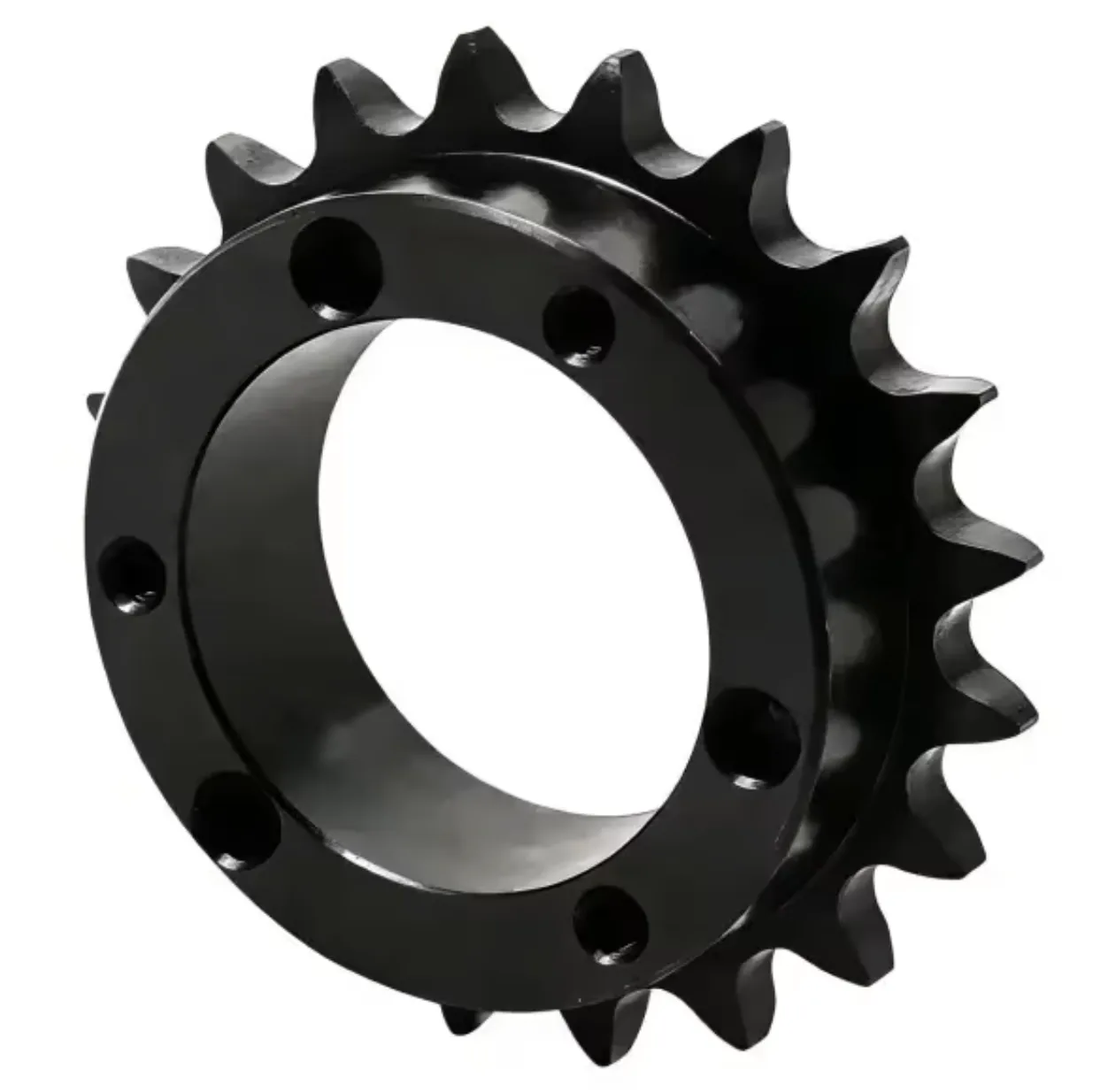
Pulleys and sprockets are machined with precision tooth profiles and belt grooves using CNC hobbing and milling, ensuring smooth power transmission and accurate timing in belt and chain drive systems.
Bores are finished to tight tolerances with keyways and set screw features, providing secure shaft mounting and reliable torque transfer for industrial and automotive drivetrains.
Each pulley and sprocket is dynamically balanced and inspected for pitch accuracy, runout, and surface finish to guarantee vibration-free, long-service operation.
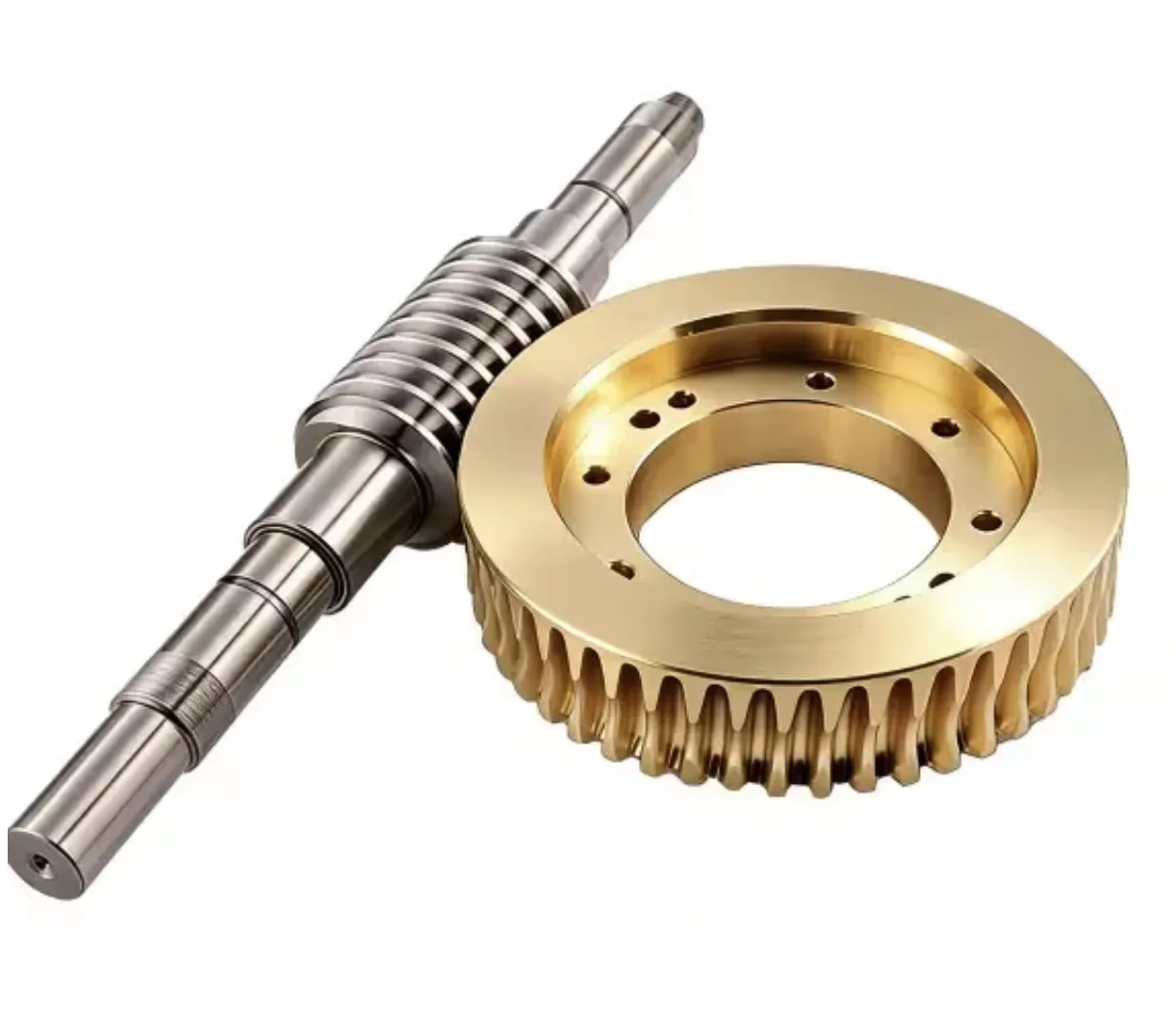
Worm shafts are precision ground and threaded to create accurate worm profiles with controlled lead angles, delivering high reduction ratios and smooth, quiet meshing.
Worm wheels are cut with special hobs to match the worm thread geometry, ensuring full line contact, high load capacity, and minimal wear in demanding applications.
Matched worm sets undergo lapping to refine tooth contact patterns, followed by comprehensive testing for backlash, transmission error, and noise levels.
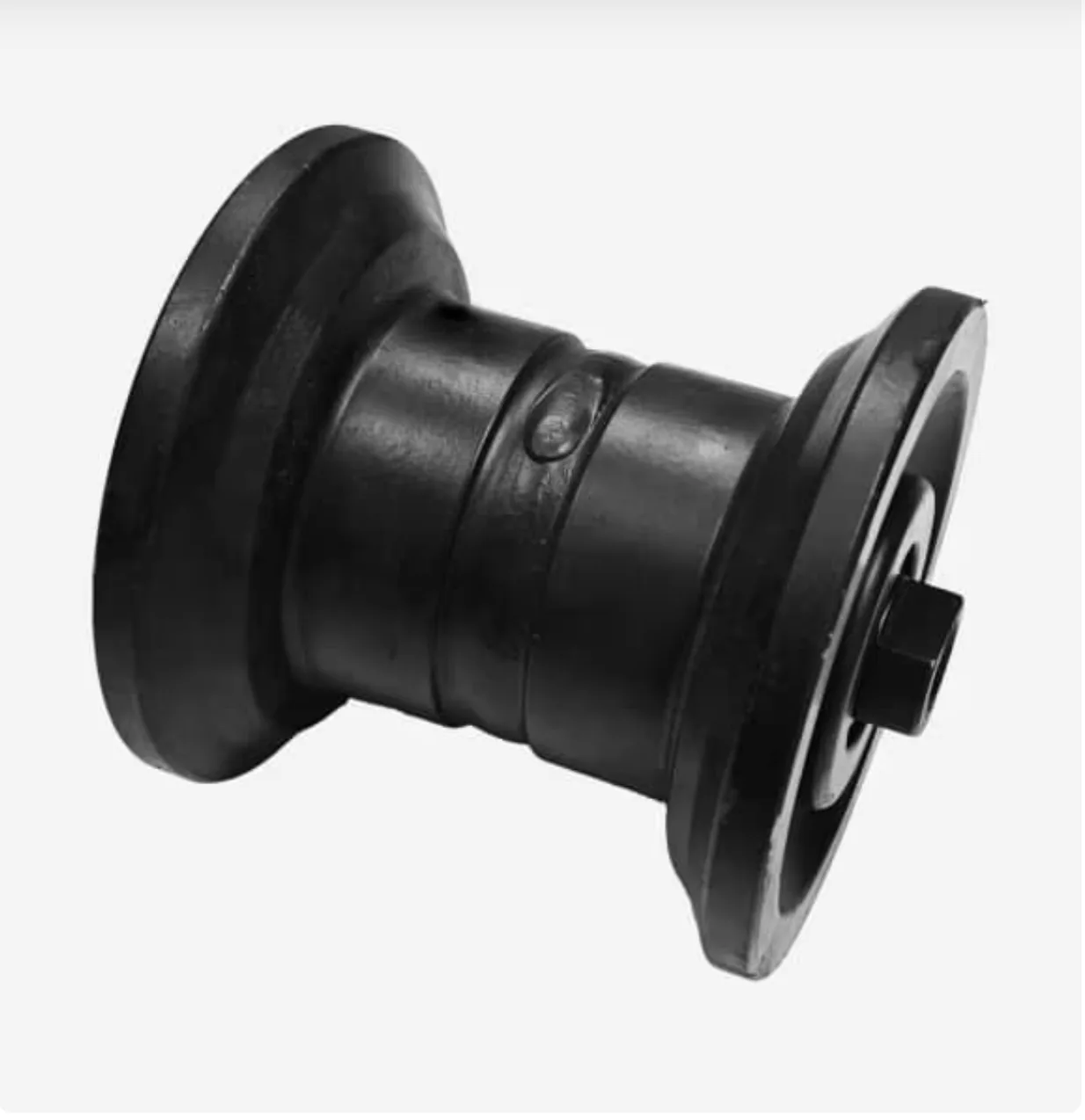
Track wheels and rollers are turned to precise rail profiles and hardened for exceptional wear resistance in heavy-duty material handling and conveyor systems.
Flanges and rail contact surfaces are machined with tight concentricity, ensuring stable guidance and smooth rolling under continuous heavy loads.
Anti-corrosion surface treatments are applied, and every wheel is verified for hardness, roundness, and dimensional compliance before delivery.
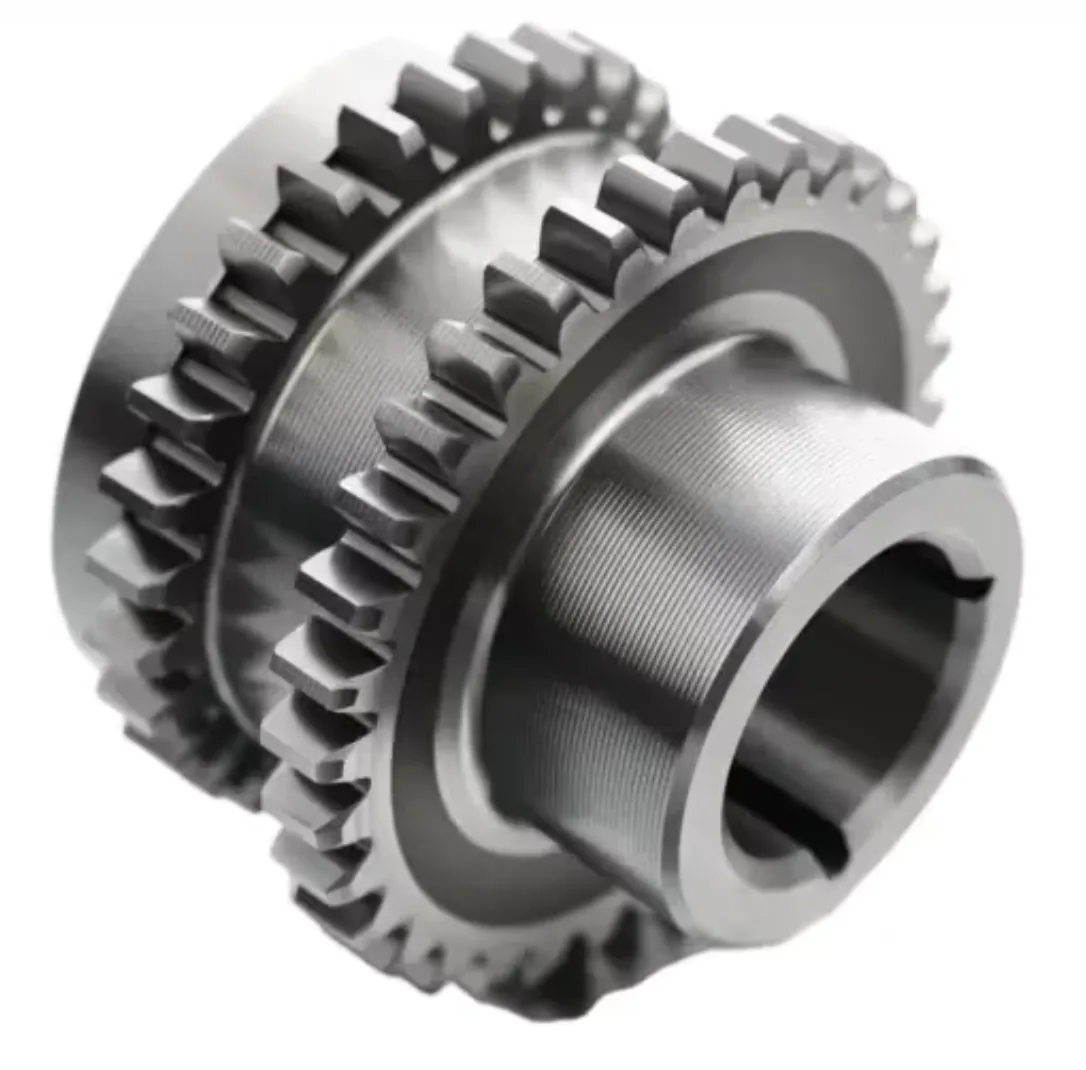
Our engineers collaborate with you on tooth geometry, material selection, and manufacturability, delivering a comprehensive Design for Manufacturability analysis before production.
From one-off prototypes to medium batch production, we machine custom gears using hobbing, shaping, milling, and grinding to meet your exact specifications.
Custom gears are validated with complete inspection reports and material certifications, ensuring every piece meets your performance and quality requirements.
Achieve the ideal balance of strength, wear resistance, and cost-efficiency. Partner with us to leverage our expertise in selecting materials that ensure your gears perform reliably under specified loads, turning material selection into a lasting competitive advantage for your product.

Common grades: 4140 / 4340 / 8620
SHBD Metal's engineers will recommend the optimal grade based on your load, speed, and environmental requirements — balancing strength, wear resistance, and cost-efficiency for your gear application.
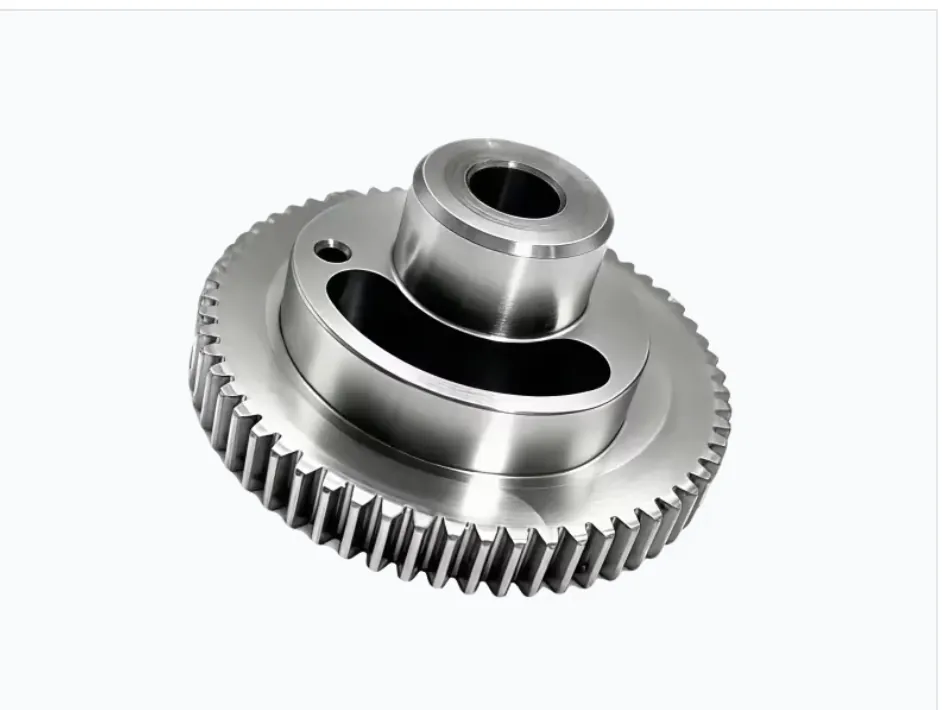
Common grades: 303 / 304 / 316 / 17-4PH
SHBD Metal's engineers will recommend the optimal grade based on your load, speed, and environmental requirements — balancing strength, wear resistance, and cost-efficiency for your gear application.
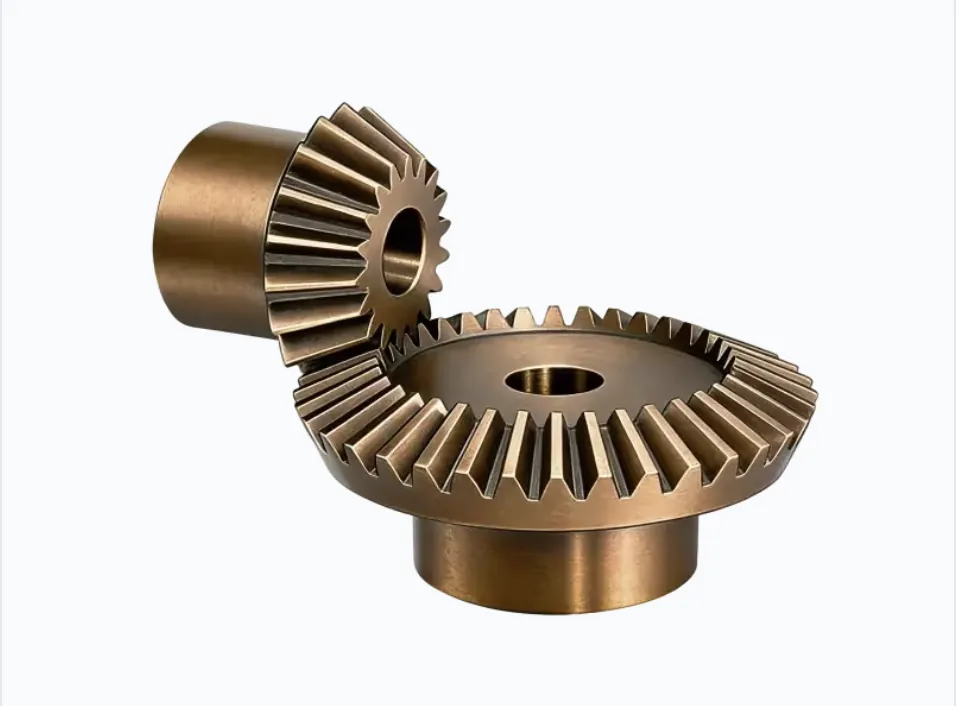
Common grades: C93200 / C95400 / C86300
SHBD Metal's engineers will recommend the optimal grade based on your load, speed, and environmental requirements — balancing strength, wear resistance, and cost-efficiency for your gear application.
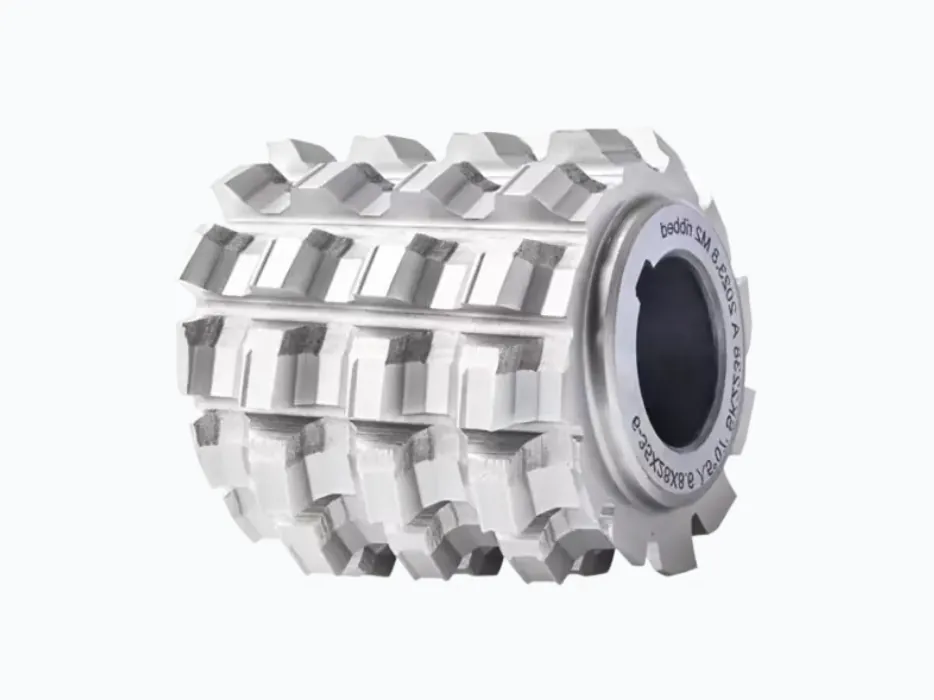
Common grades: 6061 / 7075 / 2024
SHBD Metal's engineers will recommend the optimal grade based on your load, speed, and environmental requirements — balancing strength, wear resistance, and cost-efficiency for your gear application.

Common grades: Ti-6Al-4V / Grade 2 / Grade 5
SHBD Metal's engineers will recommend the optimal grade based on your load, speed, and environmental requirements — balancing strength, wear resistance, and cost-efficiency for your gear application.
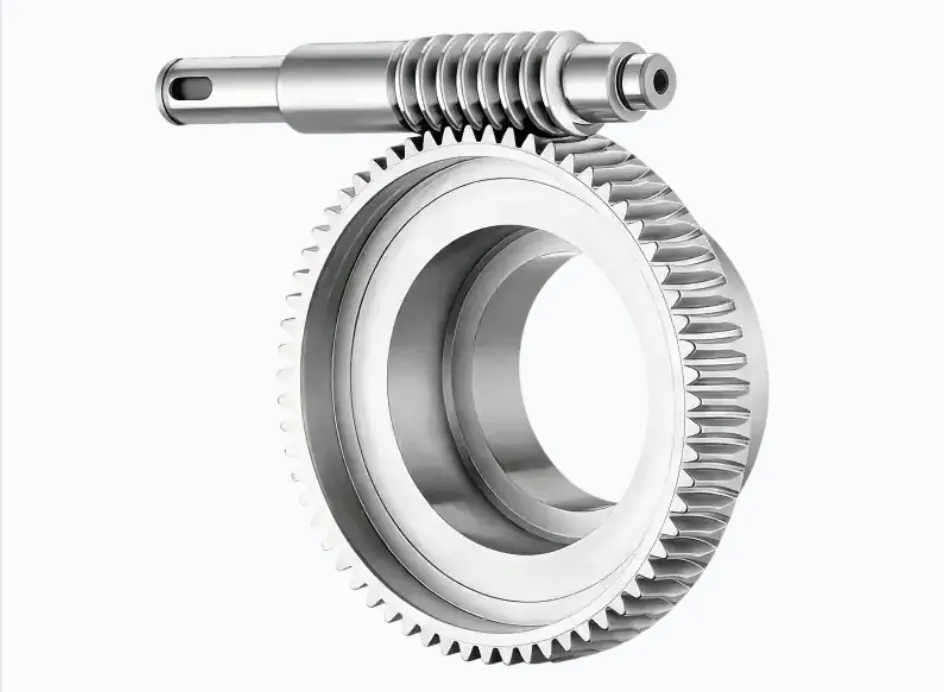
Common grades: AZ31 / AZ61 / ZK60
SHBD Metal's engineers will recommend the optimal grade based on your load, speed, and environmental requirements — balancing strength, wear resistance, and cost-efficiency for your gear application.
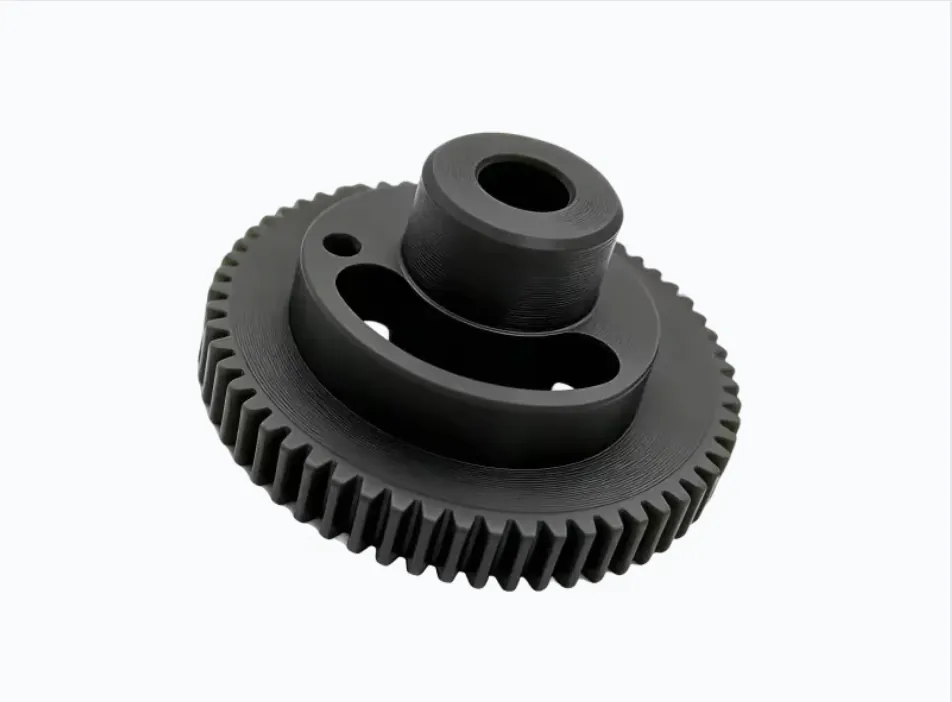
Common grades: POM-C / POM-H
SHBD Metal's engineers will recommend the optimal grade based on your load, speed, and environmental requirements — balancing strength, wear resistance, and cost-efficiency for your gear application.
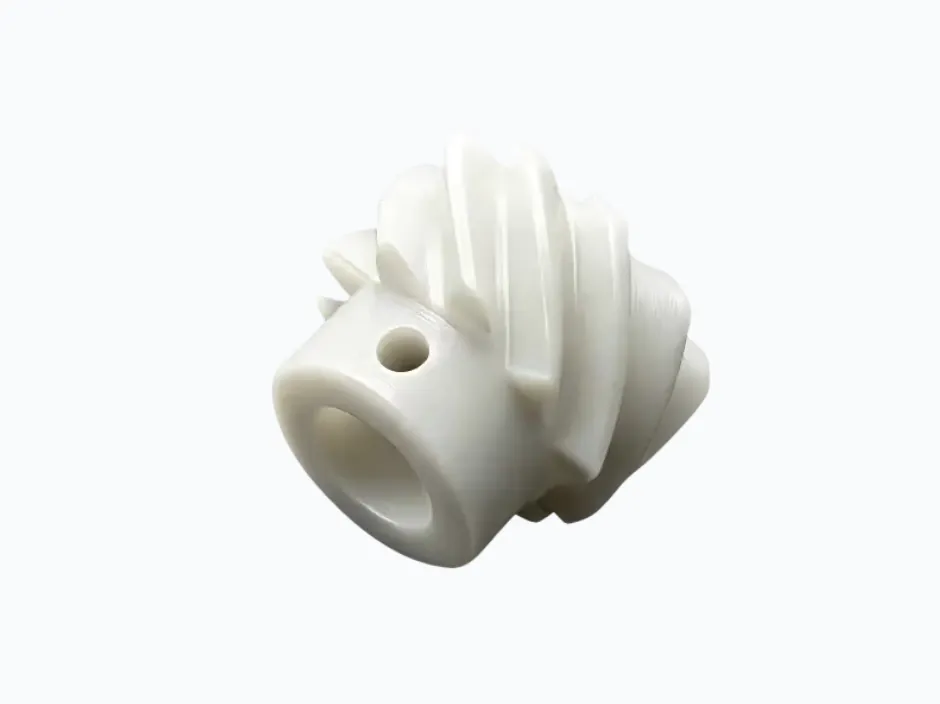
Common grades: PA6 / PA66 / PA12 / PA46
SHBD Metal's engineers will recommend the optimal grade based on your load, speed, and environmental requirements — balancing strength, wear resistance, and cost-efficiency for your gear application.
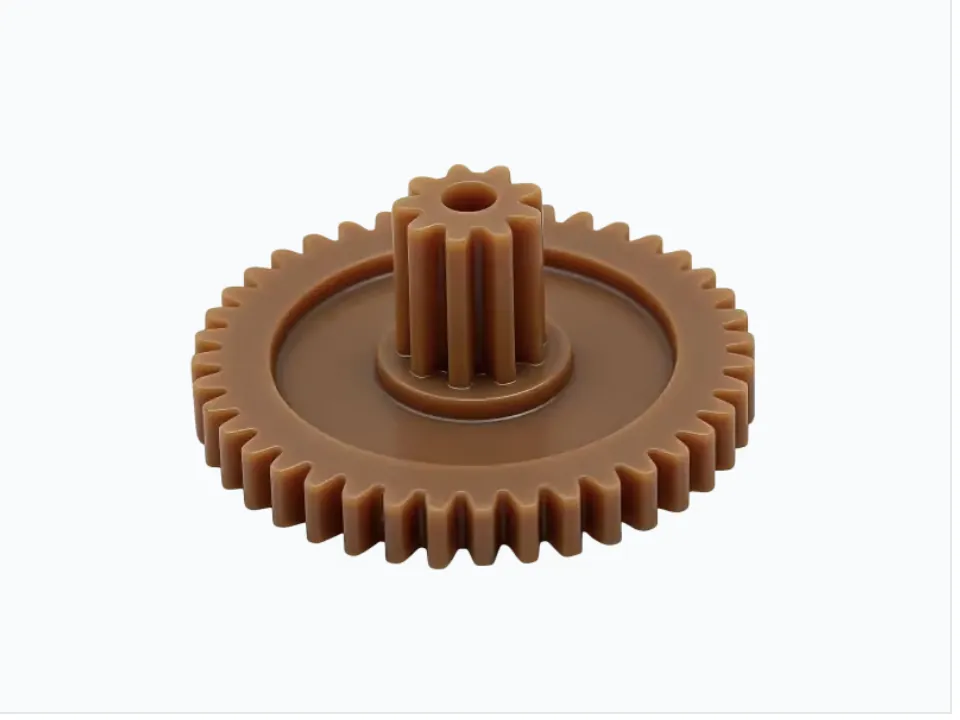
Common grades: PEEK 450G / PEEK CF30 / PEEK GF30
SHBD Metal's engineers will recommend the optimal grade based on your load, speed, and environmental requirements — balancing strength, wear resistance, and cost-efficiency for your gear application.
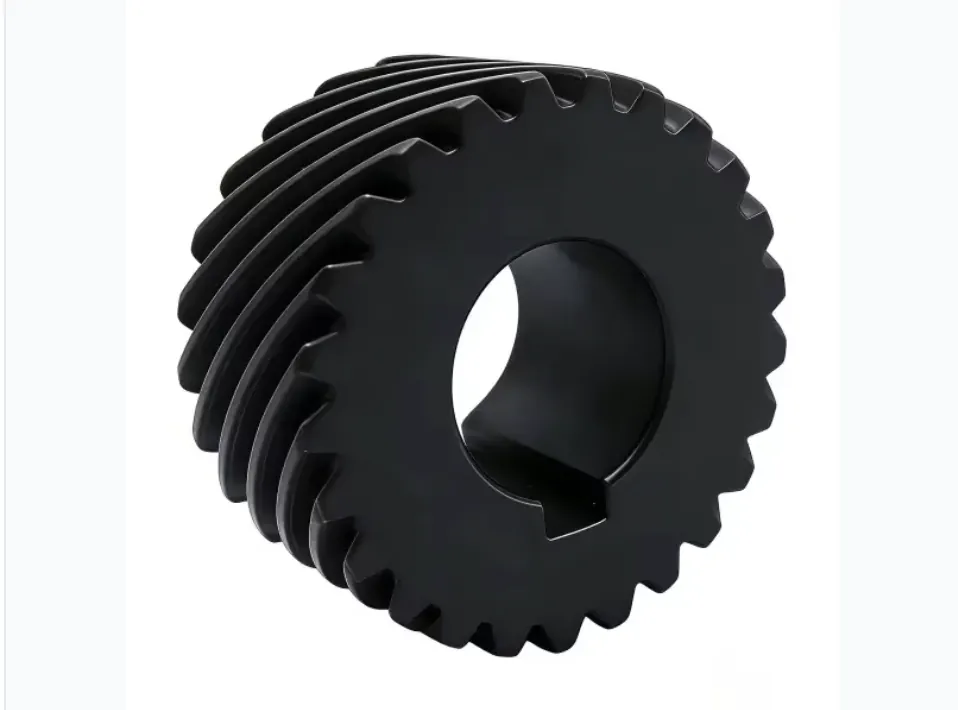
Common grades: UHMWPE 500 / UHMWPE 1000
SHBD Metal's engineers will recommend the optimal grade based on your load, speed, and environmental requirements — balancing strength, wear resistance, and cost-efficiency for your gear application.
Don't let surface finish be the failure point in your drive system. We provide engineered finishing solutions that directly target noise reduction, wear resistance, and longevity. Upload your design for a tailored recommendation that balances performance with cost-effectiveness.

Carburizing and quenching form a high-carbon martensite layer on the surface, which improves the wear resistance and fatigue strength of high-load gears.

A high-hardness surface nitrided layer is generated by low-temperature nitriding, which combines high wear resistance, fatigue resistance and excellent dimensional stability.

Precision surface hardening via electromagnetic induction for targeted heating and quenching. Enhances wear resistance and fatigue strength of critical gear teeth and shafts.

Forms a microcrystalline phosphate coating that significantly boosts corrosion resistance and paint adhesion for precision gear components.

Precision coating process that deposits a durable, corrosion-resistant metallic layer for enhanced surface protection.

A cold-working process that bombards surfaces with media to induce residual compressive stress, significantly enhancing fatigue strength and durability of critical gear components.
Precision Gear Solutions for Mission-Critical Performance
Where your application demands flawless power transmission, our precision gear machining delivers components that ensure smooth motion, high torque capacity, and silent operation across industries requiring uncompromising reliability and longevity.
Develop high-efficiency helical and planetary gear sets that minimize audible noise, maximize power density, and withstand continuous high torque in next-generation e-drive systems, directly enhancing vehicle range and performance.
Deliver zero-backlash strain wave gears and precision planetary sets that enable accurate, repeatable positioning and smooth motion in collaborative and industrial robotic systems.
Produce ultra-reliable, lightweight spiral bevel and spur gears that maintain critical performance standards under extreme environmental stress for actuators, auxiliary power units, and rotor systems.
Machine compact, ultra-quiet gear trains and lead screws that ensure reliable, contamination-free motion for surgical robots, imaging systems, and infusion pumps where precision is critical.
Engineer large-scale, hardened gears built to endure severe shock loads, abrasive contaminants, and continuous 24/7 operation in construction, agricultural, and mining applications.
Fabricate large-diameter, case-hardened planetary and helical gear stages engineered for decades of service under fluctuating loads and harsh environmental exposure in turbine applications.
Beyond Precision Cutting: We Deliver Guaranteed Performance & Reliability
Managing multiple vendors for gear cutting, heat treatment, and finishing creates coordination delays, communication gaps, and accountability issues.
Unstable gear geometry and surface finish lead to transmission noise, vibration, premature wear, and costly production line stoppages.
Lack of technical partnership results in lost opportunities for Design for Manufacturability (DFM), cost optimization, and performance enhancement.
Unreliable deliveries from capacity-constrained shops cause project delays, inventory shortages, and missed market opportunities.
From material and process selection to final inspection and shipping, we provide end-to-end management, ensuring seamless workflow and a single point of accountability.
Our process integrates SPC and advanced metrology to prevent defects, guaranteeing every gear meets specified accuracy (e.g., ISO 6-9) and performance standards.
Our engineers collaborate with you from the start, providing proactive DFM analysis and process optimization to achieve the optimal balance of performance, durability, and cost.
With a dedicated network of gear specialists and transparent production tracking, we ensure on-time delivery that aligns with your production schedule, from prototype to volume runs.
Gear machining is a specialized subtractive manufacturing process that transforms raw material into precise power transmission components with defined tooth profiles. The process begins with your gear design parameters being translated into machine instructions. Dedicated cutting tools, such as hobs or shaping cutters, then generate the tooth geometry through coordinated movements relative to the workpiece, resulting in gears that ensure smooth, efficient, and reliable motion transfer.
Upload your gear data (CAD model or gear specifications). Our engineers perform detailed analysis on tooth geometry, load distribution, and manufacturability, programming the optimal machine kinematics and cutting sequence for your material and performance requirements.
The gear blank (shaft or disk) is securely mounted on a dedicated gear machine (hobber, shaper, or grinder). Pre-calibrated, application-specific cutting tools—such as a hob, shaping cutter, or grinding wheel—are installed and precisely aligned.
The machine executes the programmed cycle. For example, in hobbing, the rotating hob and workpiece synchronize to progressively generate the tooth spaces. This stage creates the precise involute profile, helix angle, and tooth spacing critical for quiet operation and load capacity.
Gears undergo deburring, and often a secondary finishing process like grinding or honing to achieve the specified surface quality and accuracy. Each gear is then rigorously inspected for tooth profile, pitch, runout, and surface finish to ensure it meets the required ISO or AGMA accuracy grade.
Streamline your procurement process. Upload your gear design to receive a manufacturability analysis, precise pricing, and lead time—all within hours.
Easily submit your 2D drawings or 3D CAD models to initiate your gear project. Include key specifications such as module, number of teeth, accuracy grade, and material requirements for the most accurate review.
Receive a detailed, transparent quote and a comprehensive Gear Design for Manufacturability report. Our engineers analyze your design for optimal tooth profile, material selection, and cost-effective manufacturing strategies.
Before manufacturing begins, you will approve a final production order confirming all specifications, delivery schedule, and logistics. We proceed only after your full confirmation, ensuring your gears are built exactly to your requirements.
We provide comprehensive gear machining services including gear hobbing, shaping, grinding, and finishing operations. This allows us to match the right manufacturing method to your specific application—from simple spur gears to complex spiral bevel gears—ensuring optimal tooth contact, noise performance, and load capacity. Our multi-process capability enables complete gear manufacturing solutions in a single source.
Our capabilities include producing gears up to 1000mm diameter with accuracy levels from ISO 6 to 9 grades. We achieve tight tooth profile tolerances (±0.005mm), work with various gear steels, alloys, and engineering plastics, and offer complete heat treatment and finishing services. From prototype quantities to production runs of 10,000+ units, we ensure consistent quality and performance across all gear types.
Gear hobbing uses a rotating hob to generate teeth progressively, ideal for high-production spur and helical gears. Gear shaping employs a reciprocating cutter that mimics meshing action, perfect for internal gears, clusters, and complex profiles. We select the optimal process based on your gear design, volume requirements, and precision needs—often combining both methods for complex gearbox assemblies.
Ground gears undergo precision grinding after heat treatment, achieving superior accuracy (ISO 3-6) and quiet operation for high-speed applications. Cut gears are more cost-effective for moderate precision requirements (ISO 7-9). We recommend ground gears for automotive transmissions, aerospace systems, and high-precision robotics where noise and efficiency are critical.
For automotive transmissions, we recommend Ra 0.4-0.8μm for balanced noise and durability. Aerospace and medical applications often require Ra 0.2-0.4μm for maximum efficiency and precision. Industrial gears typically use Ra 0.8-1.6μm for cost-effective performance. Our engineers will specify the ideal finish based on your operating conditions and performance requirements.
We provide case hardening, induction hardening, nitriding, and through hardening based on your performance needs. Case hardening (carburizing) offers the best combination of surface hardness and core toughness for highly loaded automotive and aerospace gears, while nitriding provides minimal distortion for precision ground gears.
We conduct 100% gear inspection including tooth profile, pitch, runout, and surface finish verification using gear testers, CMMs, and specialized metrology equipment. All gears include full traceability documentation with material certifications, heat treatment records, and inspection reports to ensure compliance with your specifications.
For high-load applications, we recommend case-hardening steels (16MnCr5, 20MnCr5). For wear resistance, nitriding steels (34CrAlNi7) are ideal. Bronze and brass work well for worm wheels, while plastics like POM and Nylon suit lightweight, quiet operations. Our engineers will recommend the optimal material based on your load, speed, and environmental conditions.
Profile grinding uses a dressed wheel that matches the exact tooth space, providing highest accuracy and consistency for high-volume production. Generating grinding creates the tooth form through relative motion between wheel and gear, offering flexibility for prototypes and small batches. We select the grinding method that optimizes both precision and cost-effectiveness for your specific application.