SHBD Metal provides end-to-end die casting solutions, delivering precision parts from rapid prototype to high-volume production. We specialize in aluminum, zinc, and magnesium alloys, managing every step from tooling to finishing to guarantee parts that meet your exact specifications and performance standards.
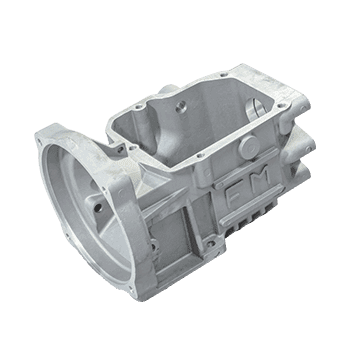
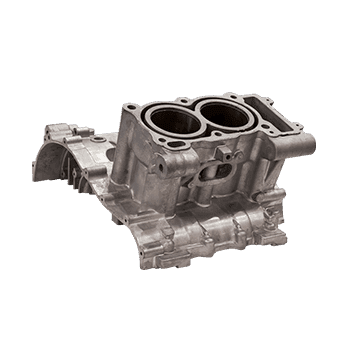
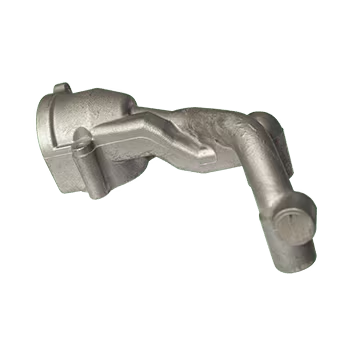
Get instant pricing, project lead times, and DFM feedback.
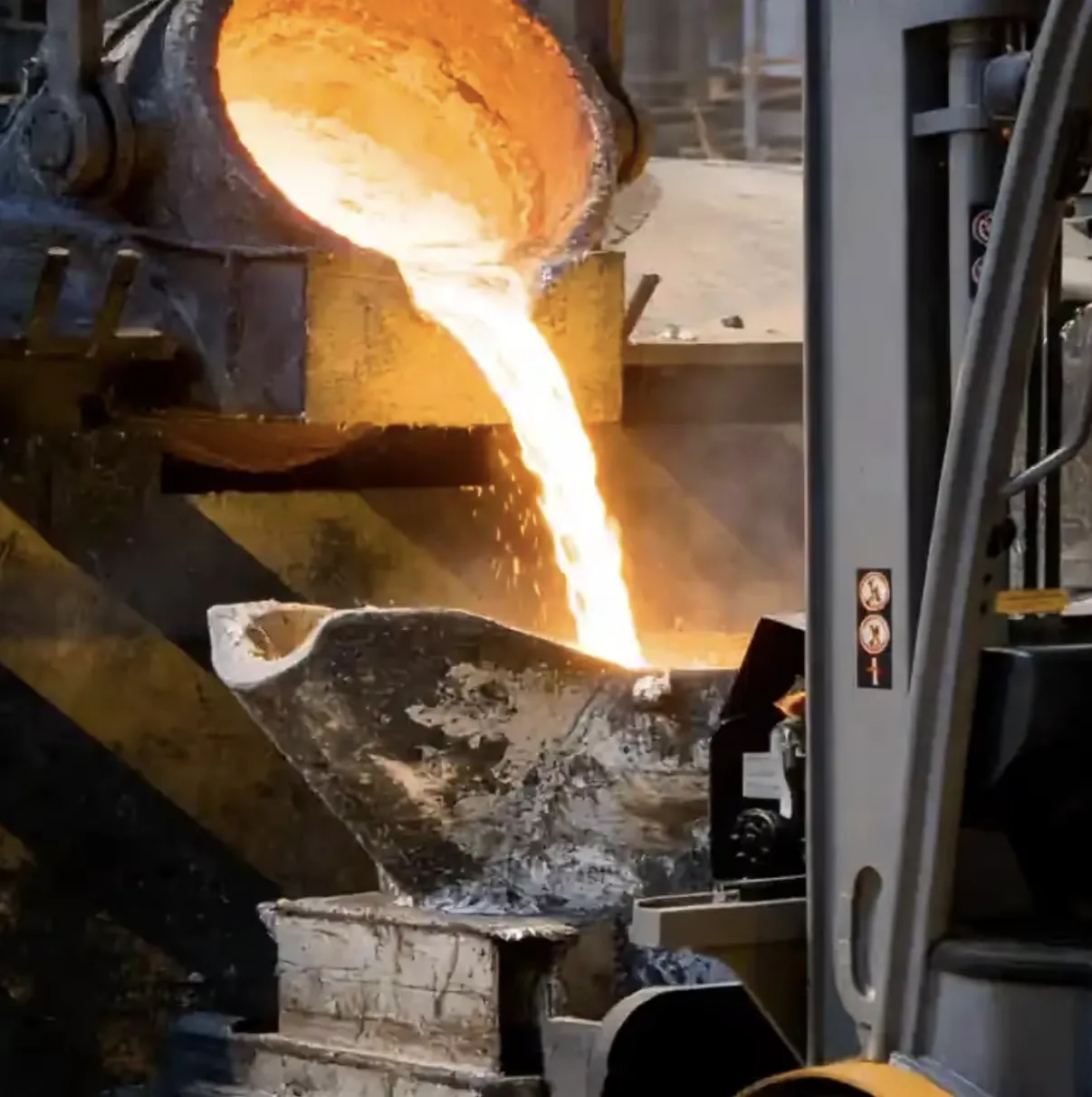
Die casting is a high-efficiency manufacturing process that produces precisely dimensioned, durable metal components by forcing molten metal under high pressure into reusable steel molds. This method delivers exceptional production rates while maintaining consistent quality across high-volume requirements, making it ideal for components where dimensional stability, thin walls, and excellent surface finish are critical.
At SHBD Metal, we specialize in aluminum die casting, zinc die casting, and magnesium die casting services engineered for automotive, electronics, and industrial applications. We address key manufacturing challenges such as warpage, porosity, and dimensional variance through advanced mold flow simulation, scientific cooling channel design, and real-time process monitoring — ensuring each part achieves optimal mechanical properties and cosmetic appearance.
Utilize our digital manufacturing platform to accelerate your production timeline. Submit your 3D model to receive an immediate quote and comprehensive manufacturability analysis — enabling you to obtain high-quality die cast components with shortened lead times and enhanced cost efficiency.
Get Instant QuoteSHBD Metal provides digital die casting solutions engineered for rapid prototyping and high-volume production. Our online platform delivers instant quoting, expert DFM analysis, and seamless order management for complex, thin-walled components requiring exceptional dimensional stability and cost efficiency.
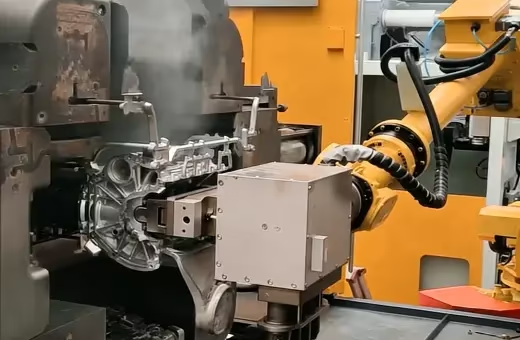
Accelerate production cycles while maintaining tight tolerances with our high-pressure die casting service. Ideal for automotive components and electronic enclosures requiring high volume output and consistent quality.
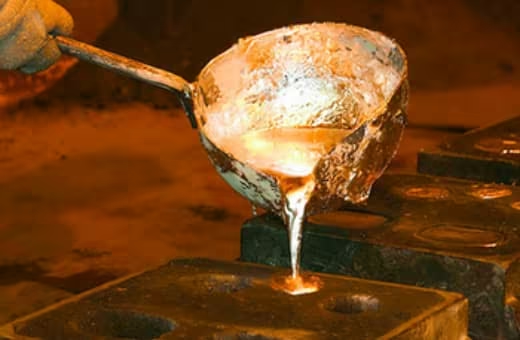
Achieve superior metallurgical integrity for structural components through our low-pressure die casting process. Ensures reduced porosity and enhanced mechanical properties for demanding applications.
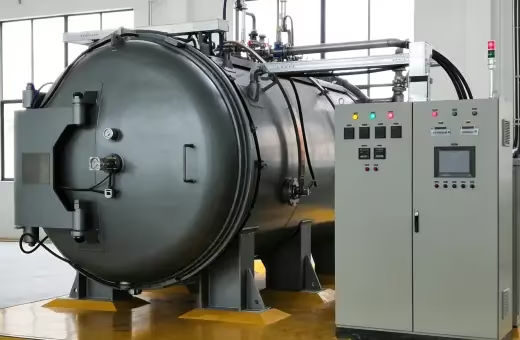
Minimize porosity and ensure pressure tightness with our vacuum-assisted die casting technology. Critical for components requiring high structural integrity and premium surface finish.
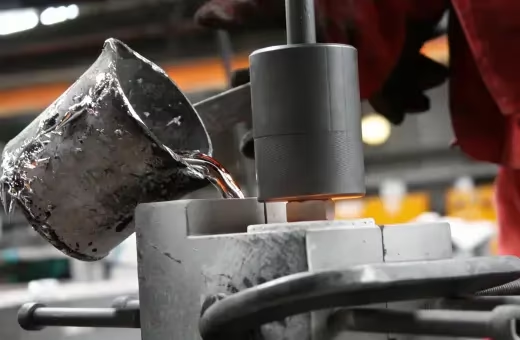
Deliver excellent dimensional accuracy and reliability with our gravity die casting solution. Optimized for medium-volume production of quality-critical components.
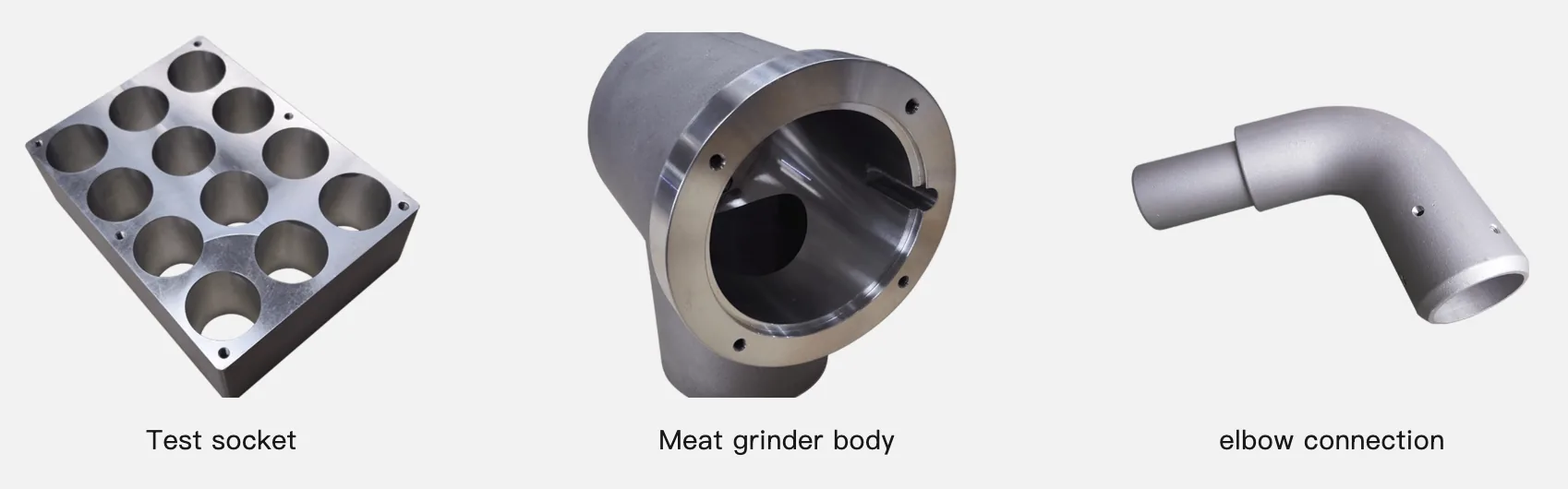
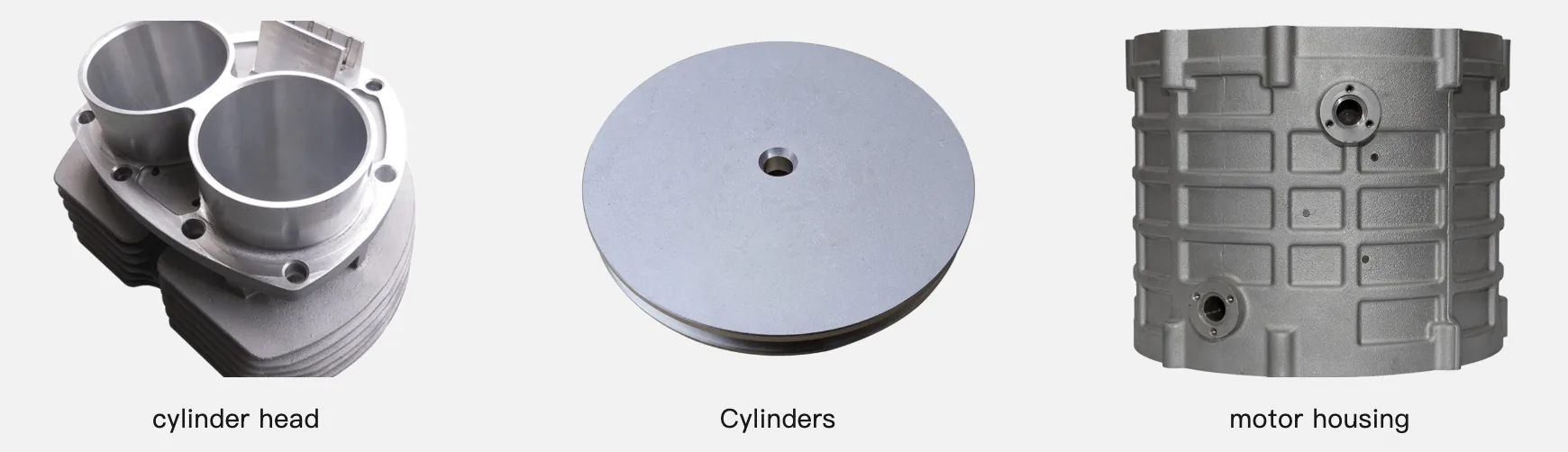
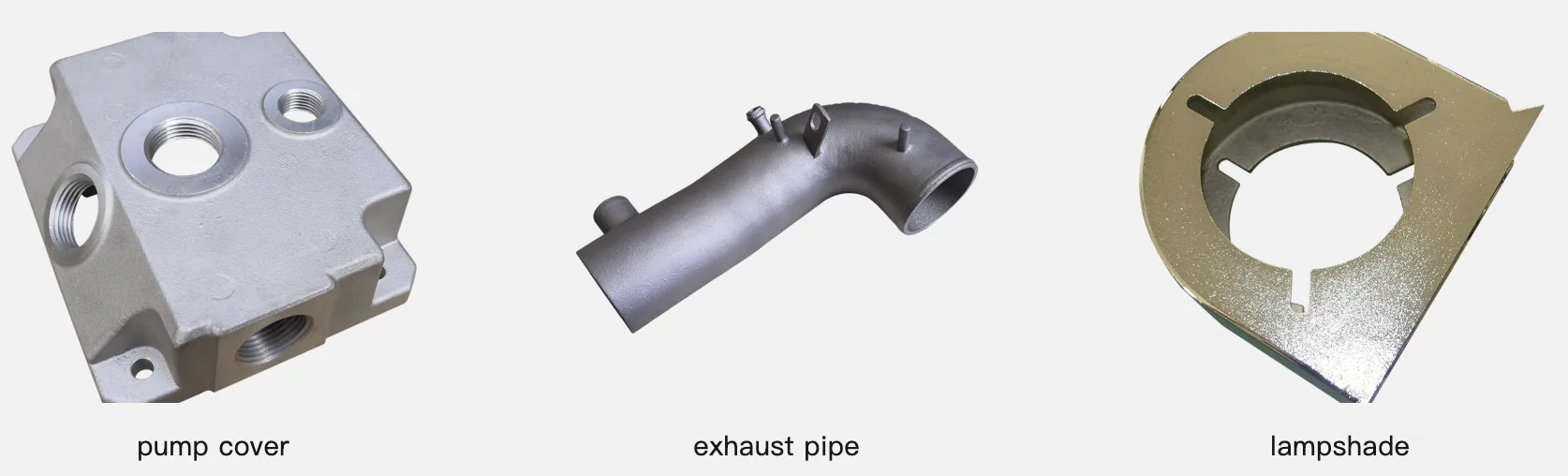
| Capability | Details |
|---|---|
| Dimensional Tolerance | Critical features achieve tolerances up to ±0.01mm, minimizing post-machining needs and ensuring precision fit for complex assemblies. |
| Minimum Wall Thickness | Aluminum alloys: 1.5mm. Zinc alloys: 0.8mm. Ensures structural integrity, proper material flow, and prevents casting defects. |
| Wall Thickness Uniformity | Maintain a uniform ratio within 1:3 to prevent warpage, sinks, and internal stress, ensuring consistent part quality. |
| Hole Diameter & Threading | For optimal precision, holes under 3mm in diameter and all threaded features are achieved via secondary CNC machining. |
| Draft Angle | A minimum 0.5° draft angle is recommended for smooth part ejection, preventing surface drag and extending mold life. |
| Maximum Mold Life (Cycles) | Zinc: 1,000,000+. Aluminum/Magnesium: 100,000+. Durable tooling ensures consistent quality across high-volume production runs. |
| Minimum Order Quantity (MOQ) | Flexible order volumes starting from 500-1,000 pieces, suitable for both prototype validation and mid-volume production. |
| Standard Lead Time | 20-25 days. Timeline is finalized based on final part design complexity and specific mold requirements. |
Die cast tooling uses premium hardened steels to withstand extreme temperatures and pressure. Cast components are primarily made from non-ferrous alloys chosen for their fluidity, low melting points, and corrosion resistance. Ferrous alloys are used for specialized high-wear applications. Below are the standard grades we support; custom alloys can be accommodated.
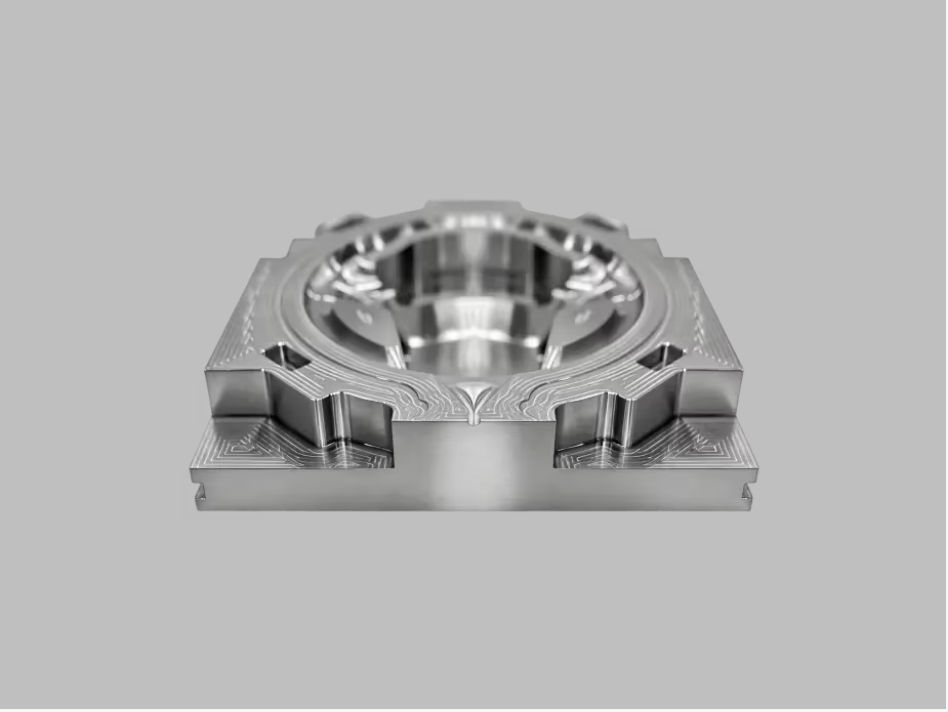
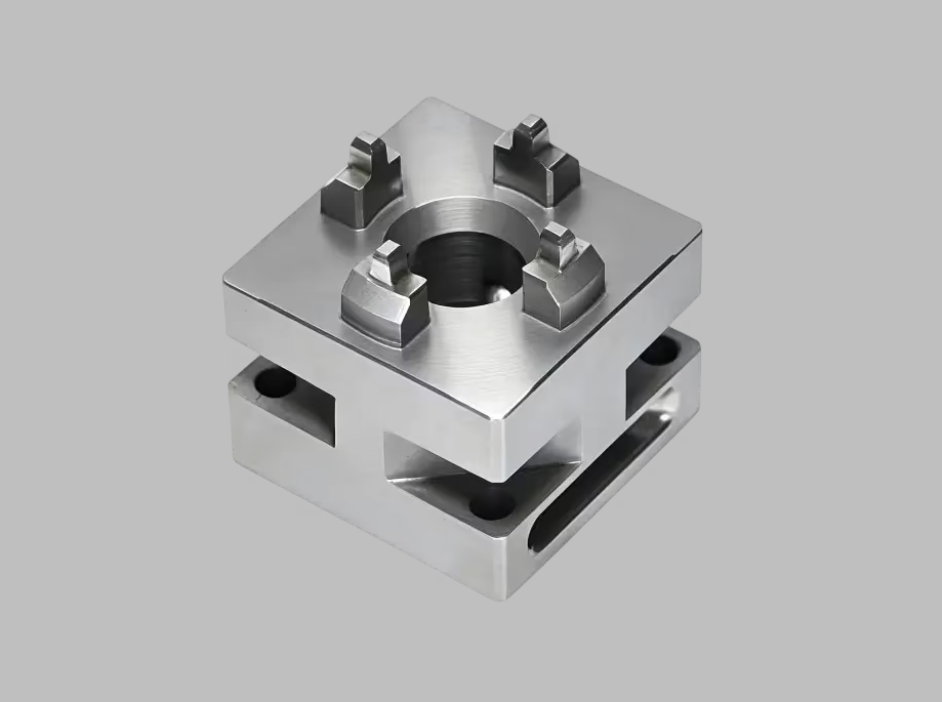
Excellent high-temperature strength and toughness. Resists thermal cracking and maintains hardness under prolonged heat exposure. The ideal choice for aluminum and magnesium die casting molds requiring durability and precision.
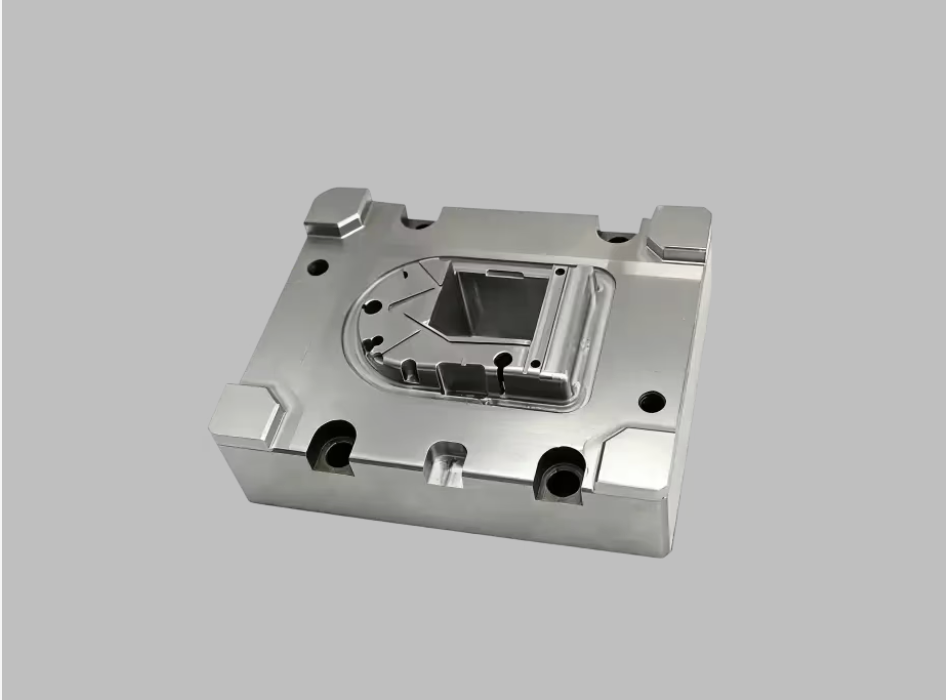
DIN 1.2344 premium hot-work tool steel offering excellent high-temperature strength and superior thermal fatigue resistance. A dependable choice for aluminum die casting molds operating under intense thermal cycling.
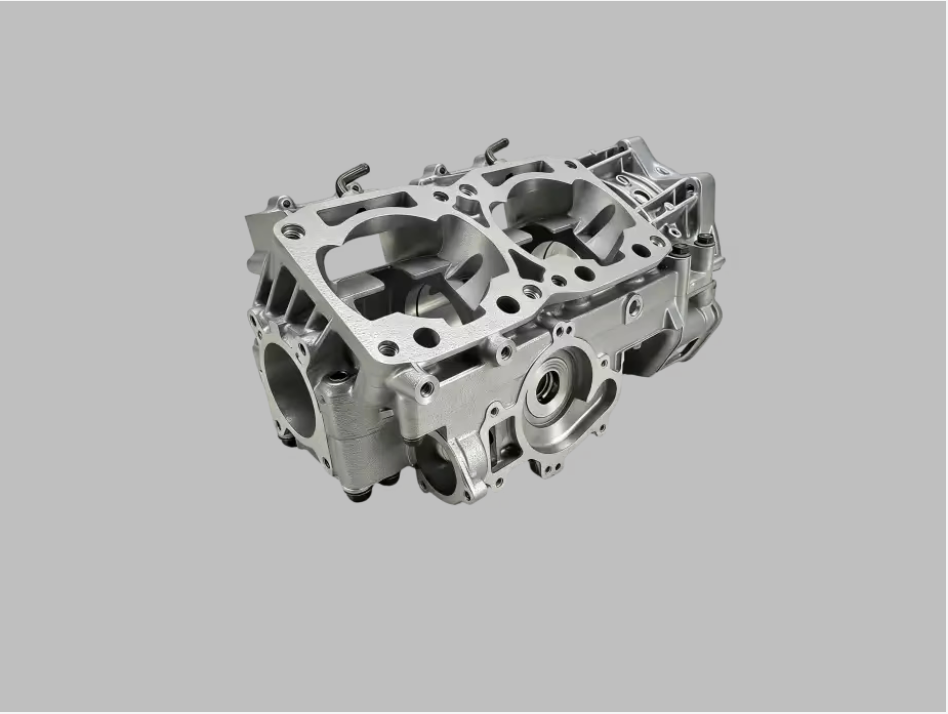
Premium hot-work die steel with exceptional impact toughness and thermal conductivity. Extends mold life under severe thermal cycling while maintaining hardness and dimensional stability for long-run production.
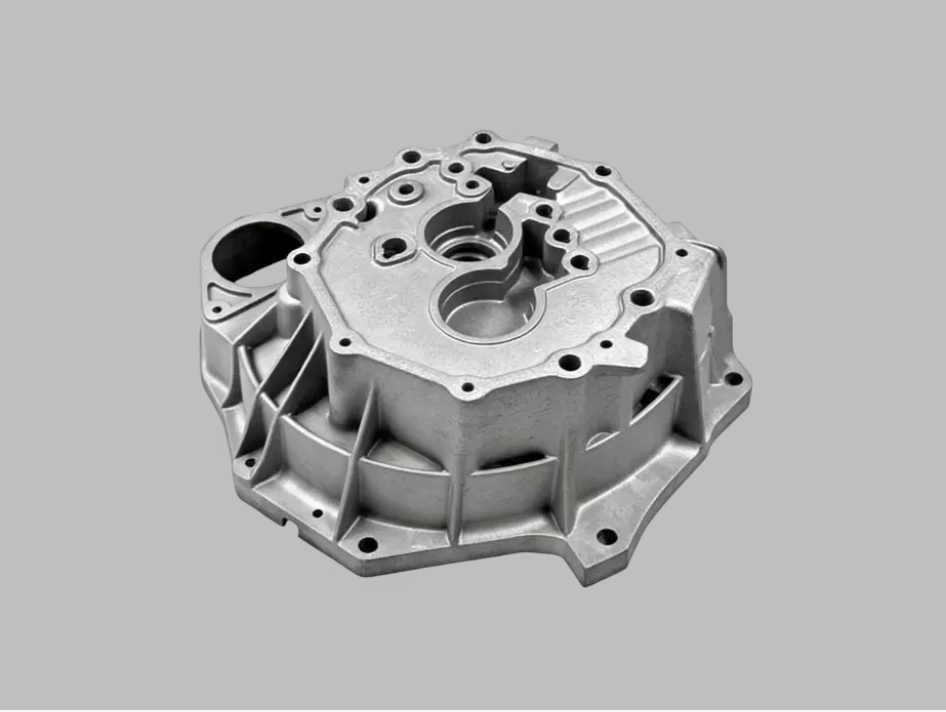
Lightweight, corrosion-resistant, excellent strength-to-weight ratio and thermal conductivity. Ideal for complex, thin-walled components in automotive, aerospace, and electronics.
Exceptionally lightweight with excellent dimensional stability and EMI/RFI shielding capability. Magnesium alloys are ideal for portable electronics, automotive, and weight-critical applications without sacrificing strength.
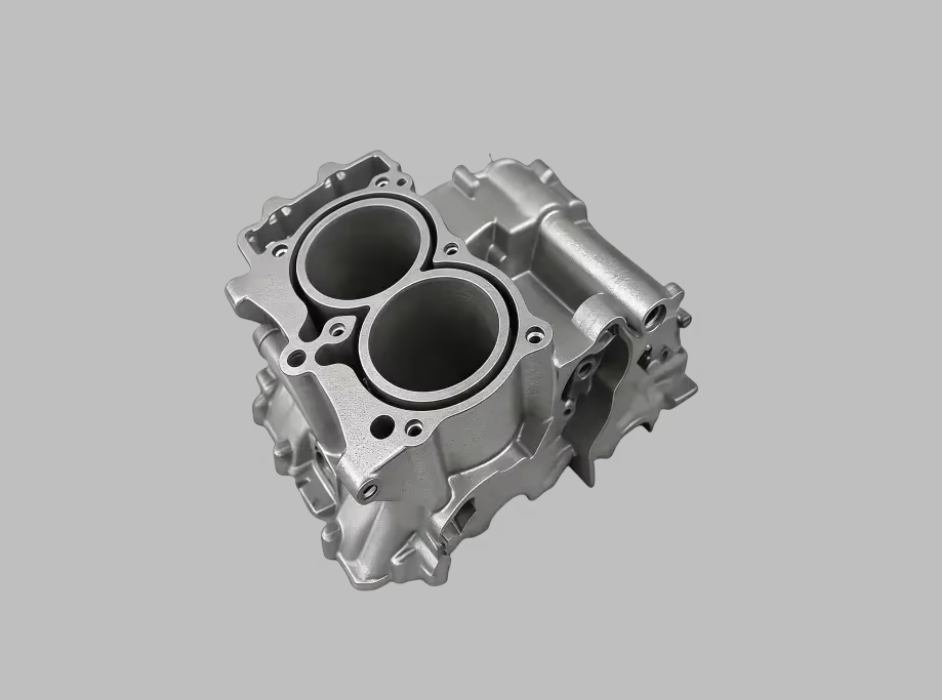
Superior fluidity enables extremely thin walls and intricate geometries. Zinc alloys offer excellent plating and finishing characteristics, high impact strength, and mold life up to 1,000,000 cycles — ideal for hardware, decorative, and precision components.
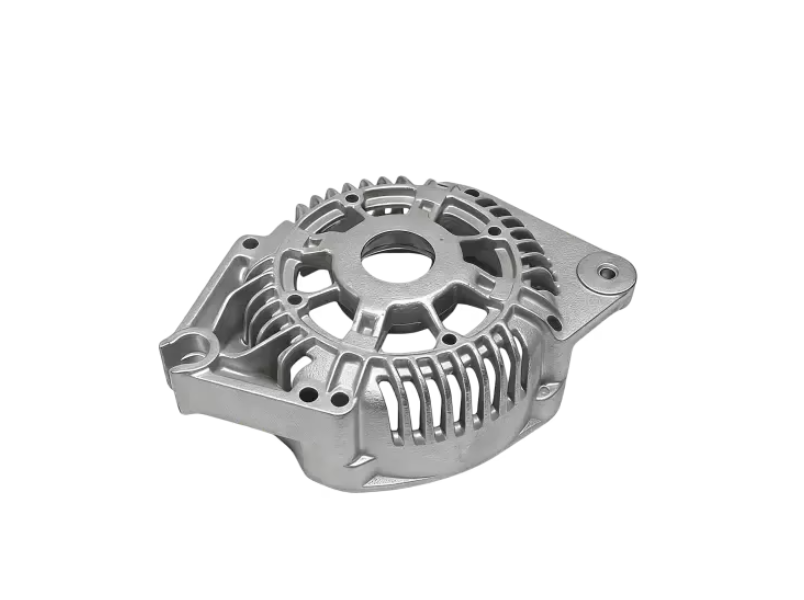
The standard finish straight from the die. It provides a functional surface that is cost-effective, suitable for non-visible components or as a base for secondary finishing operations.
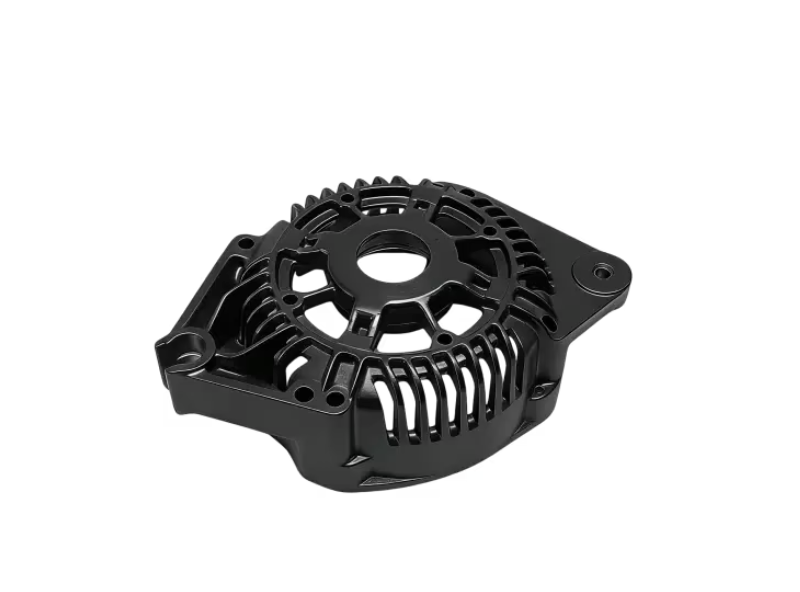
An electrochemical process primarily for aluminum that enhances surface hardness and corrosion resistance. It creates a porous oxide layer that can be dyed in various colors for improved aesthetics and part identification.
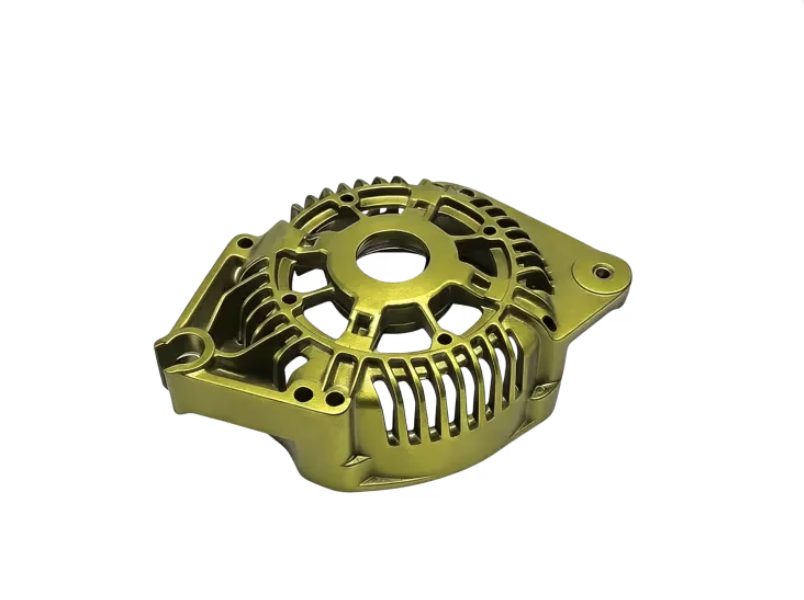
A chemical conversion coating for aluminum and zinc alloys that significantly improves corrosion resistance. It creates a conductive surface ideal as a pretreatment for painting or as a final finish with a distinctive iridescent yellow-green color.
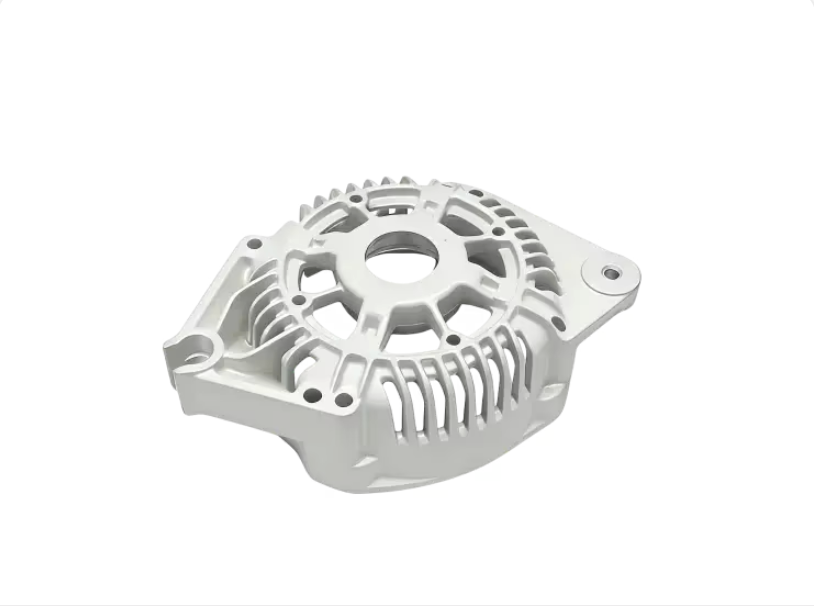
A dry finishing process where electrostatically charged powder is applied and cured into a hard, durable layer. It provides excellent corrosion and wear resistance, a uniform appearance, and is available in a wide range of colors and textures.
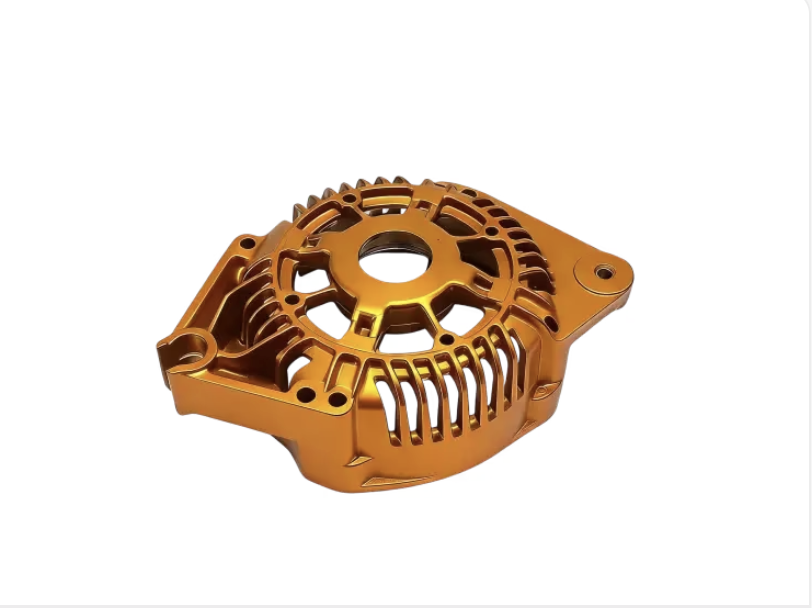
Applies wet liquid coatings (e.g., enamel, acrylic) to add color and enhance visual appeal. It offers additional protection against corrosion and UV exposure, commonly used for branding and meeting specific environmental or color-matching requirements.
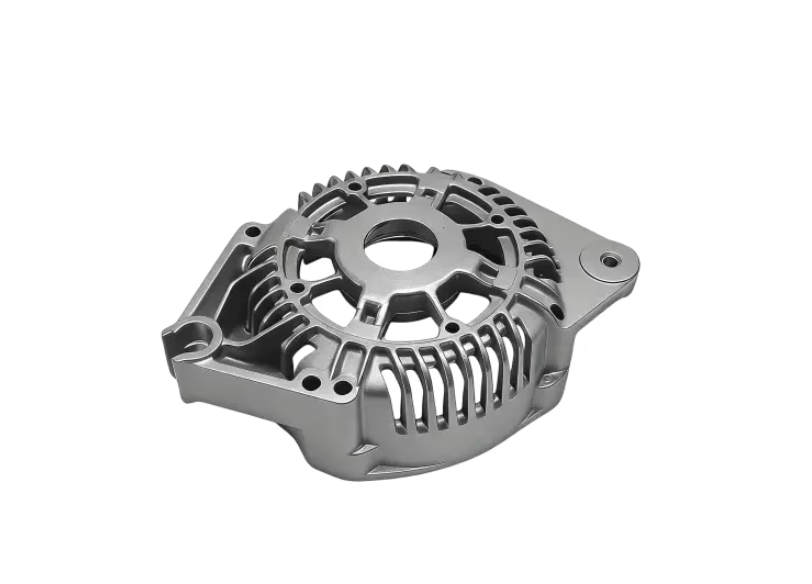
A mechanical process that propels abrasive media to clean, texture, or deburr surfaces. It produces a uniform matte finish, removes minor imperfections, and enhances the adhesion of subsequent paint or coating layers.
SHBD Metal delivers complete machining solutions to transform your die-cast parts into final, precision-ready components. Our integrated engineering analysis optimizes the machining strategy to achieve critical tolerances and complex features, maximizing part functionality while minimizing overall production time and cost.
High-Precision CNC Machining: Multi-axis milling and turning to hold tight tolerances and create precise mounting features, threads, and sealing surfaces.
Wire EDM (Electrical Discharge Machining): For producing intricate contours, sharp internal corners, and fine details that are challenging for conventional cutting tools.
Secondary Finishing & Inspection: Comprehensive services including deburring, surface treatment, and final CMM inspection to guarantee quality and readiness for assembly.
Learn More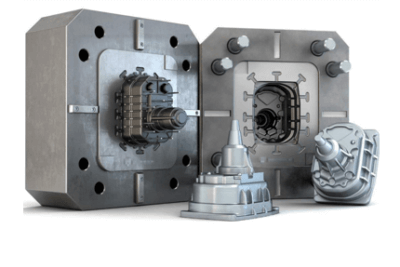
SHBD Metal implements a rigorous quality management system integrated throughout the die casting process to ensure component reliability and compliance with international standards. Our certified inspection protocols deliver comprehensive validation from raw material verification to final performance testing.
Spectrometer testing guarantees alloy conformity and batch consistency.
CMM and optical scanning maintain tolerances within ±0.005mm.
Automated vision systems detect imperfections and finish defects.
X-ray and ultrasonic testing identify porosity and structural flaws.
Hardness and tensile testing verify strength and durability.
Pressure tightness and leak tests under simulated conditions.
Uniform thickness measurement for corrosion protection.
PPAP reports and material certifications for every batch.
We employ industry-leading metrology equipment for rigorous validation. Spectrometers verify alloy chemistry, while high-precision CMMs and 3D optical scanners inspect complex geometries. Dedicated instruments for surface finish, thread gauges, and automated vision systems ensure every critical dimension and feature meets specification.
Every component undergoes a multi-stage verification protocol: material certification, mechanical property testing, corrosion resistance validation, and functional performance checks (e.g., pressure tightness). This holistic approach guarantees your parts perform reliably in their intended application and environment.
Our process yields a first-article inspection pass rate exceeding 95%. We stand behind this reliability with a quality guarantee: should any part fail to meet agreed specifications, we will remake it at no cost. Final audit inspection is mandatory prior to every shipment.
Experience our precision-driven quality system. Submit your design for a detailed quote and see the difference rigorous control makes.
Start Your Die Casting ProjectSHBD Metal delivers high-performance die cast components engineered for complex geometries, thin walls, and demanding environments where dimensional stability, strength, and reliability are non-negotiable.
Lightweight, high-integrity components that meet stringent standards for strength-to-weight ratios, thermal resistance, and performance under extreme operating conditions.
EMI-shielding enclosures, heat dissipation solutions, and high-conductivity connectors that support miniaturization, signal integrity, and thermal performance in compact electronic designs.
Durable, high-strength parts engineered to withstand vibration, heavy loads, and corrosive environments—ensuring extended service life and reduced downtime in demanding operations.
Structural and housing solutions supporting vehicle safety, lightweighting, and thermal management—particularly for electric vehicle battery systems, powertrains, and electronic assemblies.
Corrosion-resistant, high-temperature components for renewable energy infrastructure, power conversion systems, and thermal management applications that demand long-term reliability under cyclic loads.
Precision-cast, biocompatible components manufactured in controlled environments with full material traceability, meeting ISO 13485 and FDA-compliant standards for surgical, diagnostic, and handheld equipment.
Explore more manufacturing capabilities from SHBD Metal.