
CNC machining gives a part its geometry; surface finishing gives it its performance. Two parts cut from the same aluminum block can end up with very different corrosion resistance, wear life, electrical properties, and visual appeal — the only variable is the finishing process applied after the tool paths finish. For procurement managers and design engineers, the finish you specify drives cost, lead time, and whether the part survives its service environment.
At SHBD Metal, finishing is part of the machining workflow, not an afterthought. Every CNC machining project is reviewed for surface requirements before production begins, and parts move from our machining centers directly to in-house or vetted partner finishing lines.
This guide covers the most common surface finishing options for CNC parts, what each process actually does, and how to select the right finish for your application — without overpaying for capability you do not need.
What Is Surface Finishing?
Surface finishing is the collective term for every operation applied to a machined part after material removal to modify its surface. The goals fall into four broad categories:
- Protection: resisting corrosion, oxidation, and chemical attack (anodizing, plating, passivation).
- Mechanical performance: improving hardness, wear resistance, and friction behavior (hard anodizing, electroless nickel).
- Appearance: creating a uniform, branded, or decorative look (bead blasting, polishing, painting).
- Function: enabling soldering, bonding, or electrical contact (tin plating, gold plating, conductive coatings).
Surface finish should not be confused with surface roughness (Ra), the tool-mark texture left by cutting. Both belong on the drawing — a common source of miscommunication between buyer and shop.
Why Surface Finishing Matters
Bare machined surfaces are rarely ready for real-world duty. Aluminum, for example, forms a thin natural oxide layer that offers modest protection, but it is easily scratched and inconsistent across a batch. Steel parts rust within days in humid environments unless protected. Plastics can suffer from stress whitening, witness lines, and poor chemical resistance.
Finishes also change dimensions: coating and plating add material in the micron range, while anodizing grows outward and inward simultaneously. If the finish is specified after tolerances are locked, critical fits can be thrown off. Finish selection belongs at the design review stage, not the purchase order stage.
Common Surface Finishing Options for CNC Parts
The table below summarizes the workhorse finishes for machined components, together with typical applications and cost impact.
| Finish | What It Does | Typical Use | Cost |
|---|---|---|---|
| As-machined | No post-treatment; visible tool marks | Prototypes, internal parts | $ |
| Bead blasting | Uniform matte texture; hides tool marks | Enclosures, consumer housings | $ |
| Anodizing | Hard, corrosion-resistant oxide layer; dyed colors | Aluminum parts, optics, electronics | $$ |
| Electroplating | Metal layer: nickel, zinc, chrome, gold | Fasteners, connectors, wear surfaces | $$ |
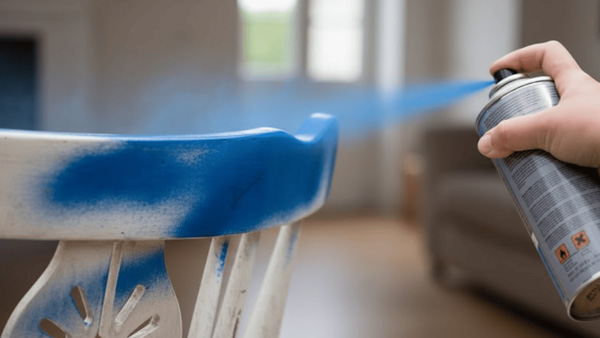
| Powder coating | Thick, tough polymer coating in any color | Frames, brackets, outdoor parts | $$ |
| Polishing | Mirror-like surface, low friction | Molds, medical, decorative | $$$ |
| Black oxide | Thin black conversion layer; mild corrosion protection | Tooling, fasteners, firearm parts | $ |
| Passivation | Removes free iron; boosts stainless corrosion resistance | Stainless steel parts, medical | $ |
Bead Blasting
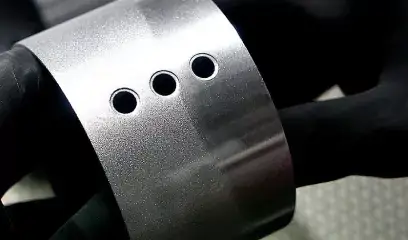
Bead blasting propels fine glass or ceramic media against the part to produce a uniform matte texture. It is one of the fastest ways to make a batch of parts look consistent, and it is frequently combined with anodizing for a satin, scratch-resistant finish. Because blasting erodes the surface by microns, it is safe on parts with non-critical cosmetic faces — but avoid it on precision bearing surfaces or knife-edge geometries.
Anodizing
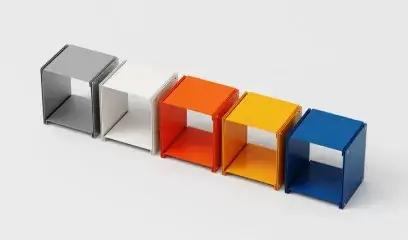
Anodizing is an electrochemical process that converts the aluminum surface into a dense aluminum oxide layer. Type II anodizing produces a 5–25 µm layer suitable for most applications and accepts dye for colored parts. Type III (hard coat) anodizing reaches 25–150 µm and is chosen for wear resistance. Anodized layers are dielectric, corrosion-resistant, and integral to the part — they cannot peel like paint. The main constraint: it applies to aluminum (and to a lesser extent titanium), not steel or plastics.
Electroplating
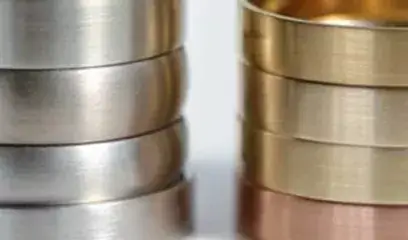
Electroplating deposits a metal layer onto the part using an electric current. Common options include zinc and zinc-nickel for corrosion protection on steel, nickel for hardness and wear, and gold or tin for conductivity and solderability. Because the coating is conductive and metallic, plated parts can serve as electrical contacts — something no paint or anodize can do. Dimensional growth is typically 5–25 µm, so plating thickness must be accounted for on tight fits.
Powder Coating
Powder coating applies a dry polymer powder that is cured into a tough, thick film (60–120 µm). It offers excellent impact and corrosion resistance, full color selection, and good edge coverage. It is a strong choice for steel and aluminum parts exposed to weather — machine frames, enclosures, brackets, and outdoor equipment. The main trade-offs are thickness (which affects fit and threads) and masking effort on features that must stay bare.
Polishing and Mechanical Finishes
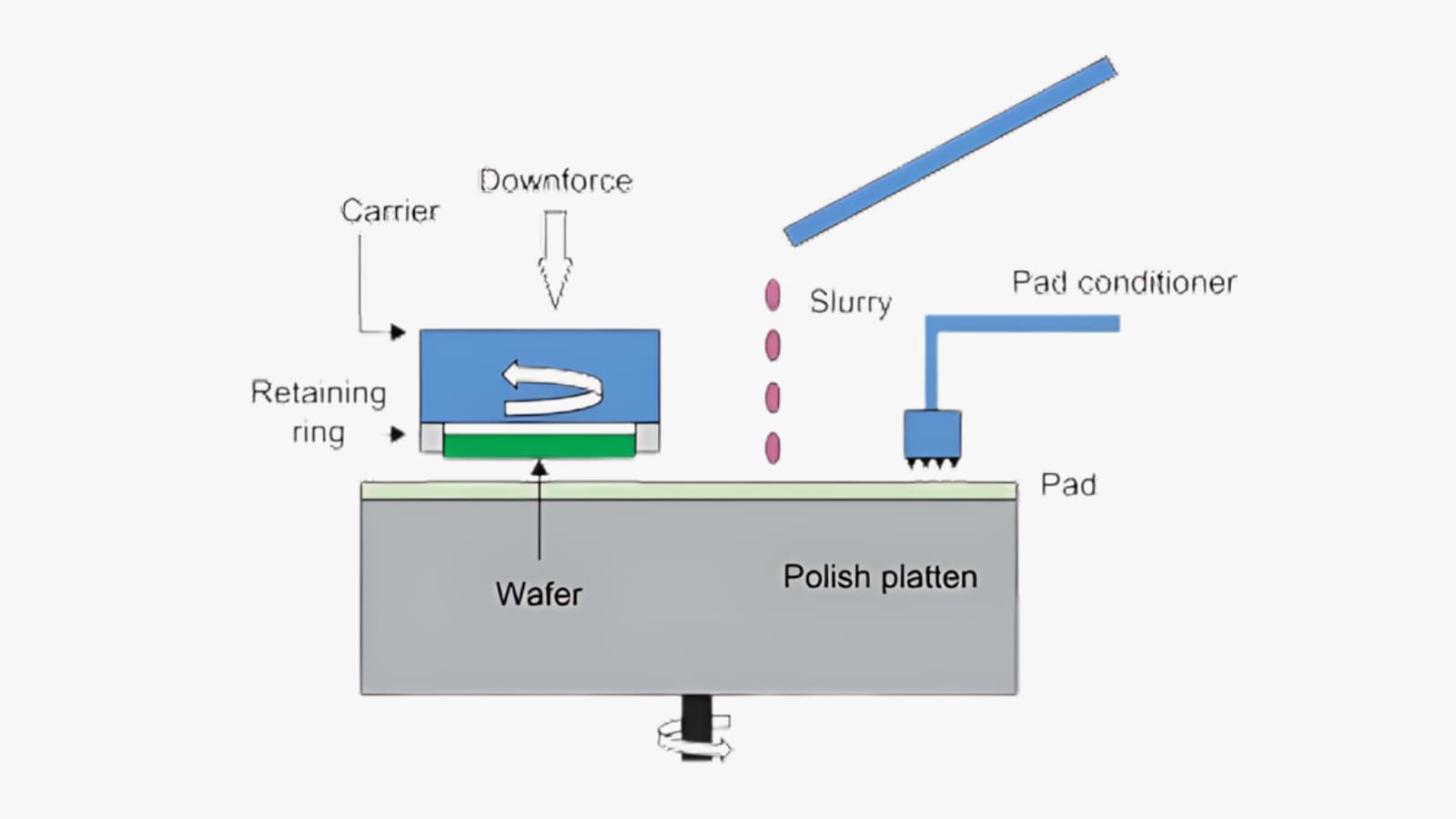
Polishing progressively refines the surface with abrasive wheels and compounds up to a mirror finish — standard in medical devices, food processing, and mold tooling. A related option is vibratory tumbling, which deburrs and rounds edges in bulk at very low per-part cost. See our surface finishes overview for the full catalog of treatments.
How to Select the Right Surface Finish
Work through these questions in order:
- What is the material? Aluminum opens the door to anodizing; steel needs plating, painting, or powder coating; stainless steel often needs nothing beyond passivation. Material choice and finish choice are linked — compare properties in our materials guide before committing.
- What environment will the part face? Indoor, dry, and protected parts tolerate simple finishes. Marine, chemical, and outdoor service demands anodizing, plating, or powder coating with proper thickness.
- Are electrical or thermal properties required? Conductive paths mean plating, not anodize or paint.
- Are tolerances tight? On bearing diameters, threads, and press fits, keep the finish thin (passivation, thin anodize) or apply it before final machining.
- What does the customer see? Cosmetic parts deserve blasting plus a uniform coating; hidden brackets can ship as-machined.
Surface Finish and Quality Control
A finish is only as good as the part underneath it. Blisters, pinholes, and adhesion failures usually trace back to dirty or damaged substrates. Reliable suppliers verify surface condition before finishing and measure coating thickness afterward using calibrated gauges. At SHBD Metal, finished parts pass through the same inspection gates as machined parts — dimensional checks, surface inspection, and documented reports — which you can review on our quality assurance page.
Surface Finishing Costs: What to Budget
Finishing typically adds 5–25% to the part price. Chemical baths (anodizing, plating) benefit from batch economies — a full rack costs little more than a handful. Labor-intensive processes (polishing, masking) scale linearly. The most expensive finish is the one specified late: rework and scrap from a wrong finish dwarf any finishing fee.
Frequently Asked Questions
Which surface finish is best for aluminum CNC parts?
Anodizing is the default for aluminum because it is hard, corrosion-resistant, integral to the part, and available in clear or dyed finishes. For cosmetic parts, bead blasting before anodizing produces a consistent satin look. Hard coat anodizing is the choice when wear resistance is the priority.
Does surface finishing affect tolerances?
Yes. Anodizing and plating add material measured in microns; anodizing also grows inward. On fits tighter than 25 µm, specify the finish thickness on the drawing or apply the finish before a final machining pass. Passivation and blasting remove material and can enlarge holes slightly.
Can steel parts be anodized?
No. Anodizing is limited to aluminum, titanium, and a few other valve metals. Steel parts are protected with zinc or nickel plating, powder coating, painting, or black oxide, depending on the environment and appearance required.
What is the difference between as-machined and bead blasted surfaces?
An as-machined surface shows the concentric or linear tool marks left by the cutter. Bead blasting erodes those marks into a uniform matte texture that hides machining lines and improves consistency across a batch. Blasting slightly reduces reflectivity and roughness peaks.
How do I choose between powder coating and electroplating?
Powder coating wins on color choice, thickness, and corrosion protection for large or outdoor parts. Electroplating wins where conductivity, solderability, hardness, or thin, precise coatings are required. If the part must carry current, plate it; if it must look good in any color, coat it.
Get a Quote for Your Finished CNC Parts
Choosing the right surface finishing partner is as important as choosing the right machining partner. At SHBD Metal, our engineers review your material, geometry, and service conditions together, then recommend a finish that meets performance requirements without padding the price. Machining, finishing, and inspection are managed under one roof, with one point of contact.
Upload your CAD files today and receive a detailed quote — including finish options and lead times — within hours. Whether you need a single prototype or a production run of thousands, we will help you bring your design to life.