
Choosing a CNC routing provider is not just about finding the lowest quote. Routing capabilities vary widely — from large-format 5-axis foam sculpting to high-precision PEEK manifold machining. The right match depends on your material, part size, tolerance requirements, and whether you need one prototype or ten thousand panels.
This comparison covers six CNC routing companies, each with a distinct specialization. All specifications come from each company’s official service pages. Where a provider does not publish a specific parameter, the table and text reflect that gap rather than an assumed value.
Comparison of Top CNC Routing Service Providers
The following table summarizes the primary capabilities, standard lead times, and structural models across the top industry options.
| Company | Best For | Standard Lead Time | Achievable Precision | Operations Model |
| RapidDirect | Multi-Material Routing & Engineering DFM | 3–5 Days | Down to ±0.1 mm | Factory-Direct (In-House) |
| Xometry | Online Supplier Network Sourcing | 5–10 Days | Not Published | Brokerage Network |
| Pro Carve | Large-Format 5-Axis Structural Shapes | Fast-Track Options | Not Published | Specialized UK Facility |
| IPFL | Precision Engineering Plastics | 5–10 Days | Custom Tight Tolerance | UK Plastic Specialist |
| CNC Creations | Architectural Wood Panels & Joinery | Project-Based | Architectural Standard | Commercial Joinery Workshop |
| MF Engineering | Marine & Industrial Plastic Sheet Processing | Rush Available | ±1.59 mm (±1/16″) | Regional Machine Shop |
Deep Dive: Top 6 CNC Routing Companies
RapidDirect – Best for Multi-Material CNC Routing with Engineering Support
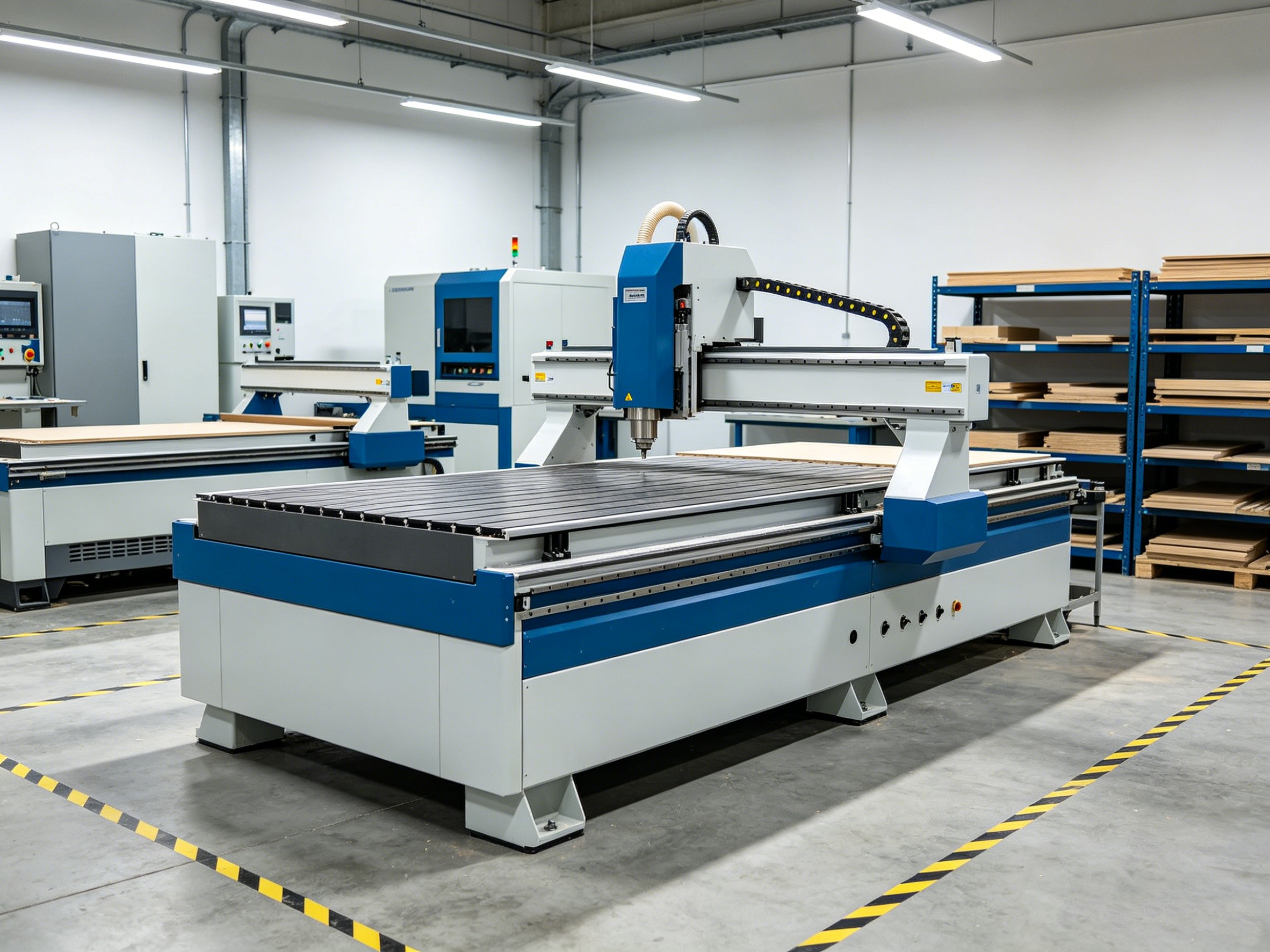
RapidDirect operates three owned production facilities housing over 500 advanced machines, delivering custom cnc routing machining for engineering plastics, wood, composites, and aluminum sheet metal. The factory-direct model eliminates third-party platform markups, allowing procurement teams to access competitive pricing directly from the source. Every project undergoes a thorough Design for Manufacturability (DFM) check performed by experienced mechanical engineers before production begins.
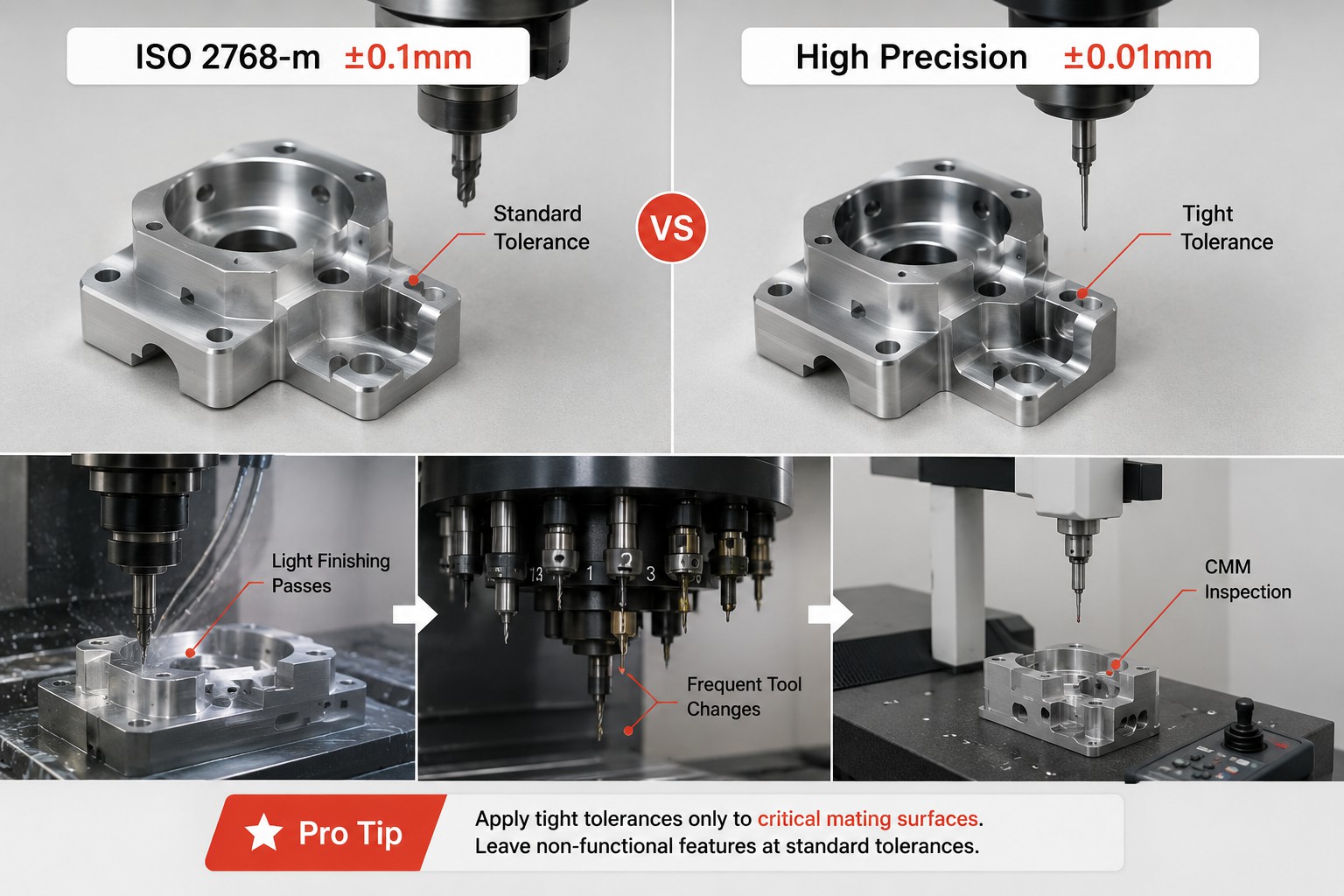
The facility processes large-format sheet material up to 3000 × 1500 mm with standard material thicknesses ranging from 3 mm to 50 mm. Achievable precision tolerances reach down to ±0.1 mm under ISO 2768-m standards, bridging the gap between flat panel routing and high-precision CNC milling. By integrating AI-driven quotation with hands-on engineering checks, potential manufacturing risks—such as tool chatter, tight internal corner radii, or edge melting on acrylics—are resolved prior to cutting.
Key Specs
- Lead Time: Starting from 3–5 days
- Precision Tolerance: Standard ISO 2768-m; Precision down to ±0.1 mm
- Maximum Panel Size: 3000 × 1500 mm
- Certifications: ISO 9001:2015, IATF 16949, ISO 13485
- Supported Materials: ABS, PMMA/Acrylic, Polycarbonate, PEEK, Plywood, MDF, Composite Panels, Aluminum Sheets
Pros
- Factory-direct manufacturing structure removes third-party broker markups.
- Instant digital quotation backed by manual engineering DFM analysis.
- Precise tolerances down to ±0.1 mm suitable for industrial housings and enclosures.
- Comprehensive surface finishing options including anodizing, polishing, and powder coating.
Cons
- Air freight logistics require 3–5 days transit time for international deliveries.
Xometry – Best for Digital Brokerage & Network Sourcing

As an on-demand manufacturing broker, Xometry pairs client CAD files with a global pool of verified independent machine shops. This platform model offers broad access to various CNC router services, including sheet cutting, engraving, and panel profiling across various regions.
Because Xometry operates as an intermediary rather than running primary manufacturing plants, pricing includes broker commission fees. Machine bed dimensions, exact router rigidity, and achievable tolerances vary depending on which individual subcontractor receives the order.
Key Specs
- Lead Time: Typically 5–10 days
- Tolerance: Dependent on matched supplier shop
- Maximum Panel Size: Not published
- Certifications: ISO 9001:2015, AS9100D, ITAR Registered
- Supported Materials: MDF, Plywood, Acrylic, HDPE, UHMW, Polycarbonate, Aluminum, Brass
Pros
- Centralized digital interface for broad manufacturing capacity.
- Extensive material selection across plastics, soft metals, and foams.
- Instant online order placement for fast digital checkout.
Cons
- Broker business model results in higher overall unit prices.
- Variable part quality and edge finishes due to third-party outsourcing.
Pro Carve – Best for Large-Format 5-Axis Routing
Pro Carve is a UK-based specialist focusing on 3-axis and 5-axis structural routing. Operating four 3-axis routers alongside 5-axis machining equipment, the company produces complex 3D shapes, polyurethane modeling boards, and tooling patterns.
The company features an expansive 5-axis working envelope of 3500 × 2000 × 1000 mm, making it suitable for large composite patterns and architectural sculptures. Their focus centers predominantly on tooling boards, EPS foam, and timber, meaning they are less equipped for high-precision mechanical metal components.
Key Specs
- Lead Time: Project-dependent; fast-track options available
- Tolerance: Not published
- Maximum Size: 3500 × 2000 × 1000 mm (5-axis)
- Certifications: Not published
- Supported Materials: Polyurethane Tooling Boards, Epoxy Boards, EPS, Hardwood, Softwood, Plywood, MDF
Pros
- Large 5-axis machining envelope for complex 3D contoured shapes.
- High-power vacuum clamping tables that minimize the need for holding tabs.
- Specialized experience with dense modeling boards and patternmaking.
Cons
- Limited capability for tight-tolerance engineering metals or technical plastic parts.
- Lacks an automated online instant quoting tool.
IPFL – Best for Precision Engineering Plastics
IPFL is a UK manufacturing shop concentrating on plastic CNC routing service applications and polymer machining. With over five decades of plastic processing experience, the facility machines engineering polymers including PEEK, Ultem, PTFE, Acetal, and Acrylic.
The facility combines 3-axis sheet routing with secondary 5-axis milling, turning, and plastic diffusion bonding. Their capabilities target specialized fluidic manifolds, clear acrylic displays, and electronic housings, though their capacity focuses primarily on short prototype runs rather than mass production.
Key Specs
- Lead Time: 5–10 days standard
- Tolerance: Tight tolerances evaluated per drawing
- Maximum Panel Size: Not published
- Certifications: ISO certified plastic fabrication facility
- Supported Materials: PEEK, Ultem, PTFE, Acetal, Acrylic, Polycarbonate, HDPE, COC, PVC
Pros
- Deep technical focus on machining high-performance engineering polymers.
- Secondary processing including plastic solvent bonding, polishing, and laser cutting.
- Ideal for prototype microfluidic devices and specialized medical housings.
Cons
- Does not process metallic sheets or architectural timber goods.
- Manual quotation reviews slow down procurement timelines.
CNC Creations – Best for Wood Panels & Architectural Components
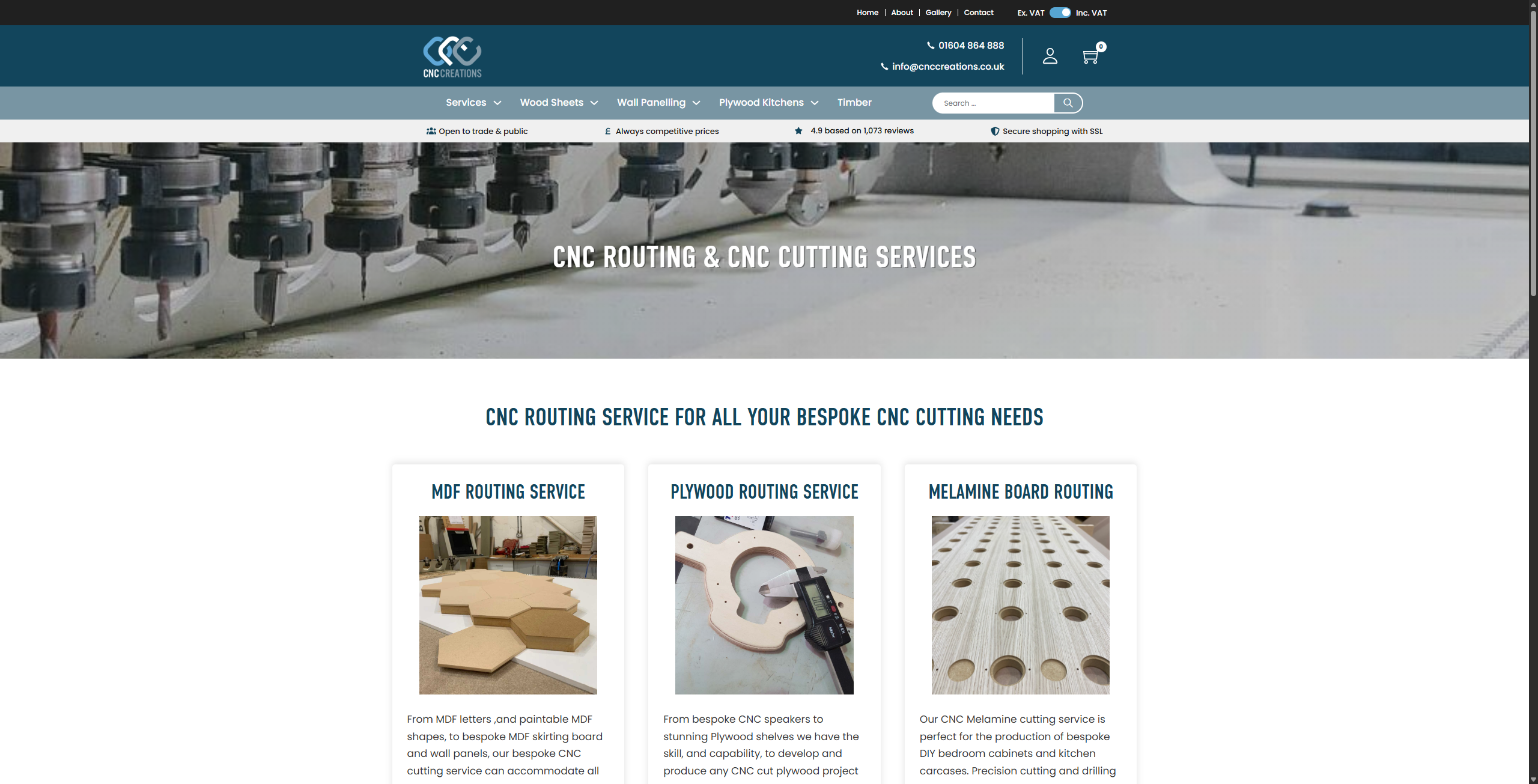
CNC Creations operates a UK woodworking facility dedicated to commercial wood panel routing, joinery, and furniture manufacturing. Their equipment setup handles sheet processing, precision line drilling, curved edge-banding, and surface finishing for interior fit-outs.
The shop accepts large sheet materials up to 3660 × 2100 mm, offering secondary laminating, priming, and sprayed paint finishes. Because their tooling and machinery cater specifically to cabinetry and timber, they do not produce industrial metal parts or engineering plastic components.
Key Specs
- Lead Time: Project-dependent
- Tolerance: Standard architectural wood tolerances
- Maximum Panel Size: 3660 × 2100 mm
- Certifications: FSC and PEFC certification available upon request
- Supported Materials: MDF, Veneered MDF, Birch Plywood, Melamine, Fire-Rated Boards, Timber
Pros
- Large table capacity capable of routing oversized timber sheets.
- Comprehensive wood post-processing, including edge-banding, spraying, and joinery.
- FSC certified timber sourcing for eco-conscious building projects.
Cons
- Restricted entirely to wood products and timber composites.
- Unsuited for precision mechanical tolerances or metallic sheet components.
MF Engineering – Best for Industrial & Marine Plastics
MF Engineering is a US-based job shop providing custom cnc routing machining and plastic sheet fabrication. Their machinery configuration features 3-axis routing tables equipped with aggregate heads and live tooling for multi-sided drilling and pocketing.
The company focuses heavily on marine-grade plastics, King StarBoard, and heavy-duty wear liners for industrial equipment. Their published routing tolerance is ±1.59 mm (±1/16″), which serves rough plastic panel cutting but lacks the precision required for tight mechanical assemblies.
Key Specs
- Lead Time: Project-dependent; emergency rush options available
- Tolerance: Published routing standard of ±1.59 mm (±1/16″)
- Maximum Size: Not published
- Certifications: Lean Manufacturing practices
- Supported Materials: King StarBoard, HDPE, Nylon, Acetal, PTFE, Phenolic, Marine Foam, Rubber
Pros
- Specialized knowledge in processing marine plastics and heavy wear plates.
- 3D digital digitizing capabilities for reverse-engineering legacy templates.
- Aggregate heads allow horizontal drilling and side pocketing.
Cons
- Wide standard routing tolerance (±1.59 mm) limits mechanical engineering applications.
- Lacks an integrated global instant quoting engine.
Technical Evaluation Guide: Selecting CNC Routing Companies
Selecting among top cnc routing companies requires evaluating key technical criteria beyond basic price estimates. Understanding machine dynamics, business structures, and design constraints prevents costly project delays.
Factory-Direct vs. Digital Brokerage Models
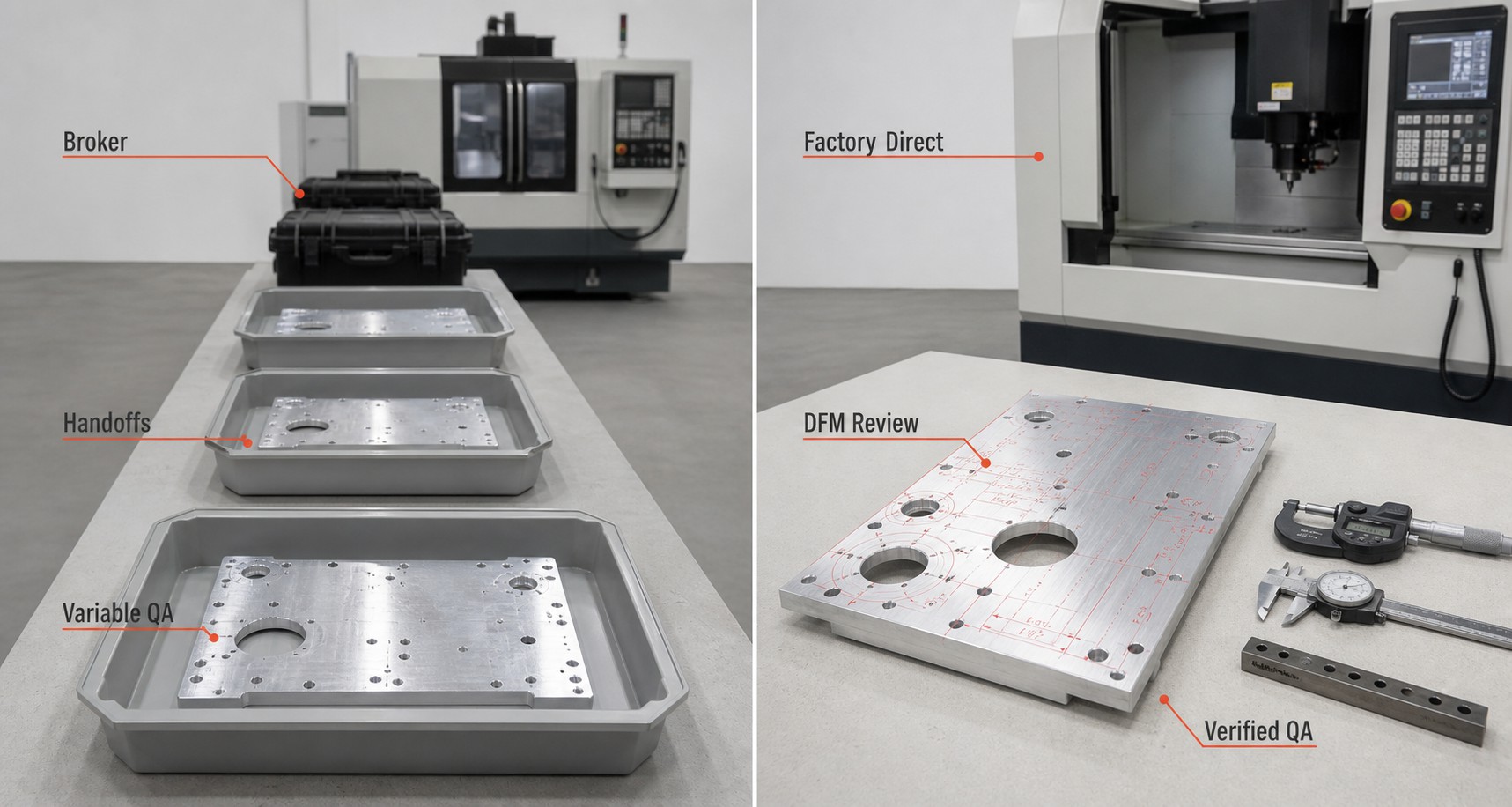
The manufacturing market is divided into direct factory owners and platform brokers. Brokers outsource orders to third-party networks, adding commission markups of 20% to 30%. This layer can obscure quality origin and complicate communication if technical revisions arise.
Factory-direct providers control their production floor, machinery maintenance, and quality inspections directly. Communicating directly with the operating factory ensures consistent quality standards, direct DFM feedback, and faster turnaround times.
Tolerances and Machine Rigidity
CNC routers differ significantly from heavy CNC milling centers. Standard gantry-style routers excel at processing large, thin sheets rapidly but may experience flex when cutting deep pockets or hard materials.
- Standard Sheet Routing: Yields tolerances between ±0.5 mm and ±1.5 mm, appropriate for architectural panels, wood joinery, and basic plastic enclosures.
- Precision Mechanical Routing: Requires heavy-duty machine frames and high-speed spindles to maintain tolerances down to ±0.1 mm.

The Importance of Human DFM Reviews
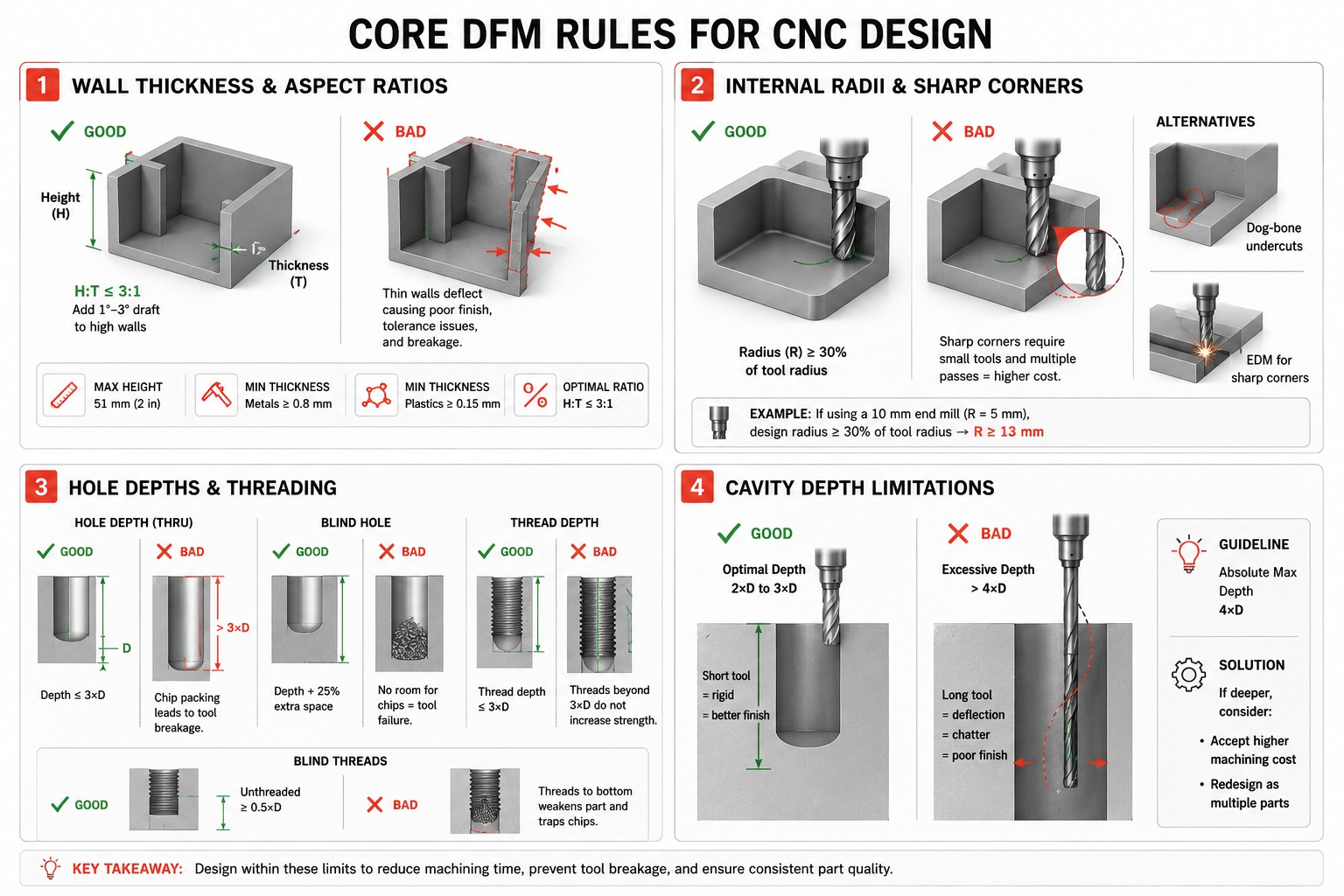
While automated quoting systems provide instant pricing, they often fail to detect subtle routing issues. A round router bit cannot cut sharp internal 90-degree corners, leaving a fillet radius equal to the cutter radius.

An experienced engineer reviews the CAD file to identify thin wall structures, recommend relief slots (dogbone corners) for mating parts, and select optimal nesting strategies. This step prevents premature material waste and tool failure.
Technical FAQs
CNC routers utilize a gantry design optimized for high-speed cutting across large, thin sheet materials like plywood, plastics, and aluminum sheets. CNC mills feature rigid bed structures designed for heavy material removal on thick 3D blocks, maintaining tighter tolerances under high cutting forces.
Standard sheet routing achieves tolerances around ISO 2768-m (±0.1 mm to ±0.3 mm depending on feature size). General woodworking or marine plastic cutting often operates under wider tolerances, such as ±1.59 mm (±1/16″).
Wood routing performs best with engineered boards like Baltic birch plywood, MDF, and hardwood composites due to their dimensional stability. Plastic routing requires tailored spindle speeds and single-flute end mills to prevent melting on materials like Acrylic, ABS, Polycarbonate, HDPE, and PEEK.
Manual DFM feedback identifies design features that automated scripts miss, such as impossible internal square corners, insufficient vacuum holding area, or excessive sheet deflection. Correcting these issues before machining prevents scrapped parts and production delays.
Vector and 3D CAD formats like STEP, STP, DXF, and DWG are ideal. STEP files provide full three-dimensional geometry for depth pocketing and chamfers, while DXF files are ideal for flat panel profile cutting and nesting layouts.