
Stainless steel is famous for its corrosion resistance, but even the best grades can rust and corrode over time. That is where stainless steel passivation comes in — a chemical treatment that enhances the metal's natural corrosion resistance by removing contaminants and promoting the formation of a protective oxide layer. This guide explains what passivation is, why it is needed, the different methods, and the best practices for reliable results.
1. What Is Stainless Steel Passivation?
Passivation is a surface treatment that enhances the natural oxide layer on stainless steel, improving its corrosion resistance. The surface is treated with an acid solution that removes free iron and other contaminants, allowing a uniform passive oxide film to form. The treatment does not change how stainless steel looks, but it significantly improves longevity and performance.
Passivation matters in industries such as food processing, cosmetics, and pharmaceuticals, where equipment corrosion can create safety hazards and heavy losses. Properly passivated stainless steel also boosts productivity and reduces maintenance.
2. Why Is Passivation Needed?
The thin layer of chromium (and sometimes nickel) oxide on stainless steel provides its corrosion resistance. This protective layer can be inadequately formed or damaged, leaving the steel vulnerable. Passivation restores that layer for optimal performance.
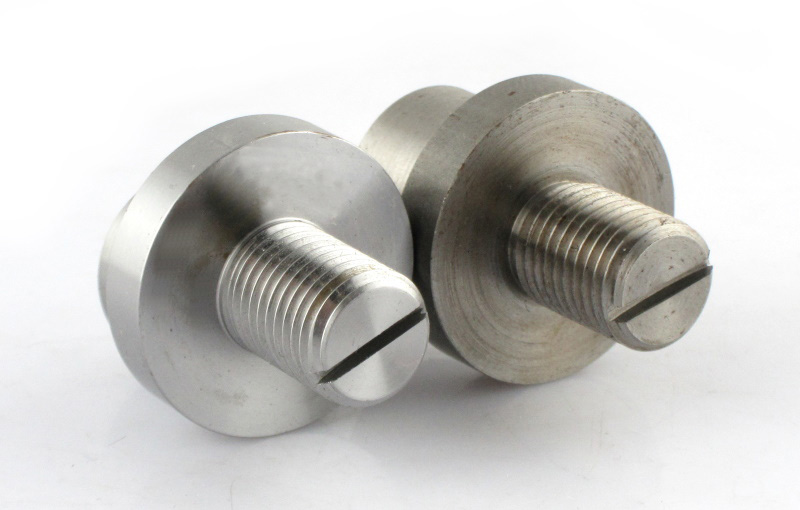
Stainless steel may require passivation for several reasons:
- Low-quality raw materials: impurities from poor-quality raw material can affect chemical passivity if not removed during fabrication.
- Machining/grinding: tools can embed iron particles or leave lubricant residues that compromise the surface.
- Welding: welding can damage the chromium oxide layer, especially in heat-affected areas.
- Assembly: friction during assembly can wear away the oxide layer at contact points.
- Regular wear & tear: prolonged exposure to various environments degrades the protective layer.
Given how common these scenarios are in industrial settings, regular passivation is crucial for maintaining the longevity and quality of stainless steel components — saving time, money, and effort in the long run.
3. The 3-Step Passivation Process
Step 1: Cleaning
The stainless steel surface must be thoroughly cleaned to remove dirt, grease, oil, and other contaminants so the acid solution can act effectively. Alkaline detergents and high-temperature baths (up to 65°C) are highly effective. Engineers often verify cleanliness with techniques such as the camphor test.
Step 2: Acid Bath
The cleaned surface is submerged in an acid solution with additives such as accelerators and inhibitors. This removes free iron from the surface, raising the chromium-to-iron ratio and promoting a protective chromium oxide layer. Three parameters control the bath: acid concentration, temperature, and duration. Nitric acid and citric acid are the most common acids used.
Step 3: Quality Testing
Rigorous testing confirms the treatment worked. The water immersion test alternates wet and dry conditions to simulate a corrosive environment — visible rust indicates inadequate passivation. Chemical tests such as the Ferroxyl test detect free iron by color change, and passivity meters measure the metal's reactivity. In-process checks monitor iron concentration and acidity during the bath.
4. Types of Passivation Methods
- Nitric acid passivation: the most common and effective method, ideal for high-performance applications, but hazardous to handle.
- Citric acid passivation: a safer, more environmentally friendly alternative with less hazardous waste, ideal for sustainability-focused applications.
Comparison: Nitric acid provides robust corrosion resistance and is generally faster and more effective. Citric acid is safer to handle, gentler on the environment, and preferred when reducing environmental footprint matters. The right choice depends on the application, safety concerns, and environmental impact.
5. Equipment Features for Stainless Steel Passivation
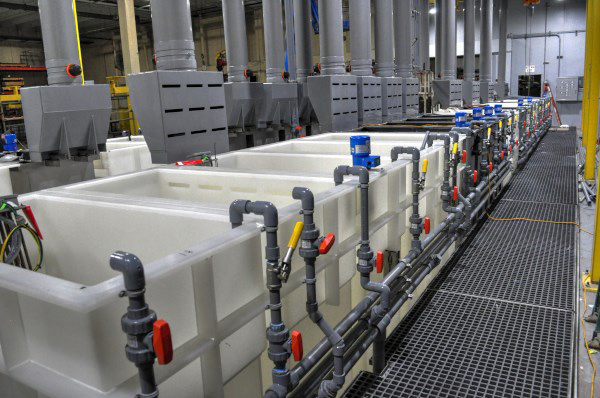
- Size: the passivation tank must accommodate the components to be treated.
- Passivating capacity: equipment must handle the required volume and type of stainless steel.
- Functionality: precise control of temperature, acid concentration, and time.
- Manual/automatic: automated systems deliver more consistent results but cost more; choose according to your workflow.
6. Best Practices for Passivated Stainless Steel Parts
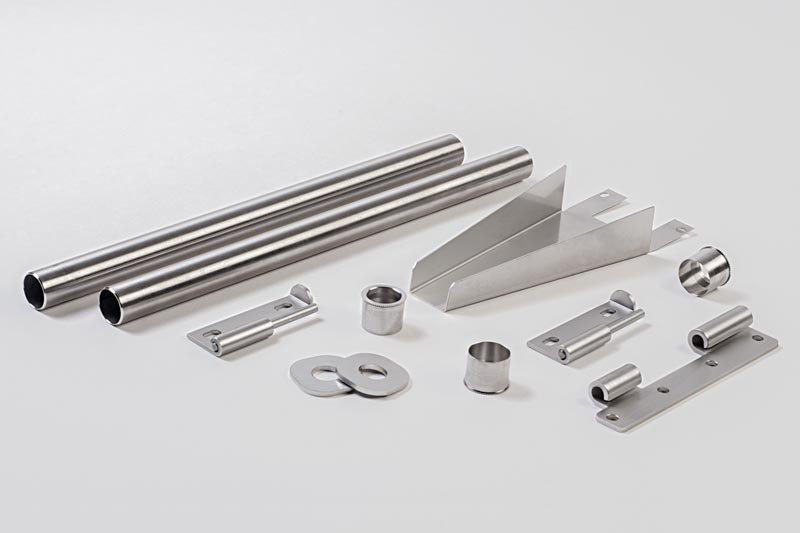
- Always passivate new and repaired/replaced parts to ensure uniform corrosion resistance across all components.
- Regularly monitor equipment to maintain process integrity and consistent quality.
- Separate machinery and tooling for stainless steel to avoid cross-contamination with non-stainless materials.
- Control quality of industrial fluids — check for contamination in passivation fluids regularly.
- Adjust the method to the steel grade: every grade is different, and the same cycle does not fit all; experience is needed to tune the process per grade and part.
7. Industry Standards for Passivation of Stainless Steel
Passivation is highly standardized, with ASTM and SAE (through AMS standards) as the primary guidelines, covering essential grades such as 304 and 316.
- ASTM A967/A967M: outlines chemical passivation using nitric and citric acids plus electrochemical treatments, including quality testing methods, criteria, and recommendations for cleaning and descaling.
- ASTM A380/A380M: provides process instructions and safety guidelines for passivating stainless steel parts, assemblies, and systems, covering cleaning, descaling, and passivation.
- AMS 2700: maintained by SAE International, specifies procedures for passivating stainless steel surfaces — focusing on removing iron and other less noble metals — particularly relevant for aerospace and automotive industries.
8. Benefits of Stainless Steel Passivation
- Enhanced corrosion resistance and longevity: passivated parts resist corrosion better and last longer.
- Improved aesthetic appearance: removal of discoloration and stains enhances the look of components.
- Reduced maintenance costs: fewer repairs and replacements due to corrosion.
- Compliance with industry standards: components meet rigorous quality requirements for safety and performance.
9. Applications of Passivated Stainless Steel
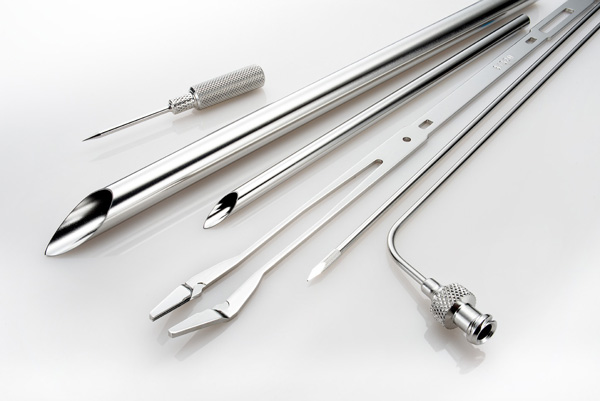
- Medical devices: surgical instruments and implants benefit from enhanced corrosion resistance.
- Aerospace: aircraft components and fasteners require strict corrosion control for safety and reliability.
- Food and beverage: processing equipment and storage tanks must stay hygienic and resist corrosion.
- Marine: offshore equipment and hardware must withstand harsh marine environments without degrading.
10. Challenges and Considerations in Passivation
- Potential issues: flash attacks, over-etching, and improper handling can affect quality — careful monitoring is required to avoid damaging the material.
- Handling and disposal of acids: proper safety measures and waste management are essential.
- Safety precautions: proper PPE and handling procedures prevent chemical burns and fume inhalation; adherence to safety protocols is crucial.
For manufacturing services from part production to stainless steel passivation, contact SHBD Metal — our team delivers components with durability and consistent performance. We respond to passivation project inquiries within 12 business hours. Explore our surface finishing options and stainless steel machining capabilities, or upload your CAD files for an instant quote.
FAQs
Is passivation necessary for all stainless steel parts?
While all stainless steel can benefit from passivation, it is particularly important for parts exposed to corrosive environments or critical applications.
How often should passivation be performed?
The frequency depends on the environment and usage conditions. In highly corrosive environments, passivation may be required more frequently.
Can passivation be done on-site or must it be outsourced?
Passivation can be done on-site when proper facilities and expertise are available. Otherwise, outsourcing to a specialist may be more practical.
Do 304 and 316 stainless steel need to be passivated?
Passivation is recommended for both 304 and 316 grades for long service life. While 316 offers better corrosion resistance thanks to its higher molybdenum content, it still benefits from passivation in most industrial environments.