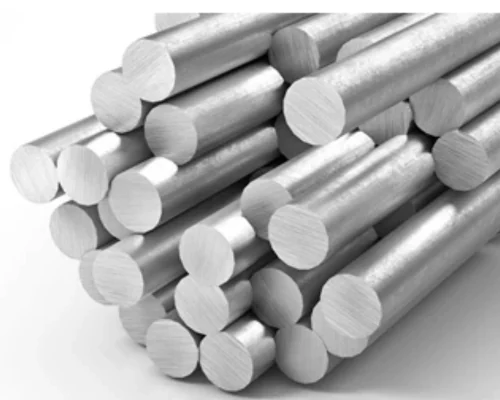
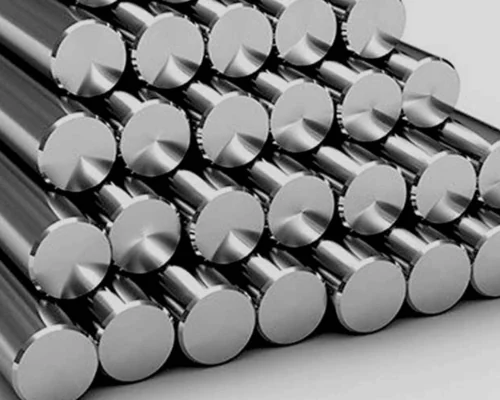
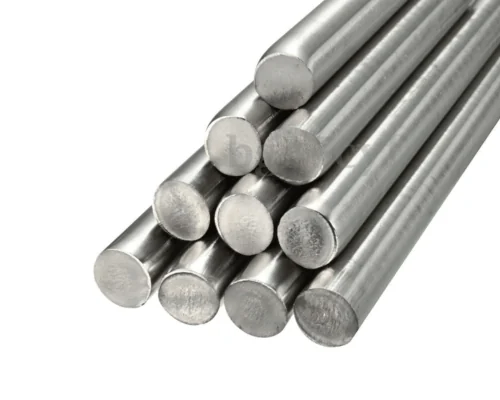
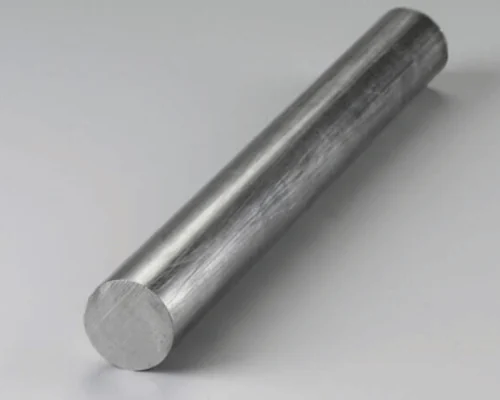
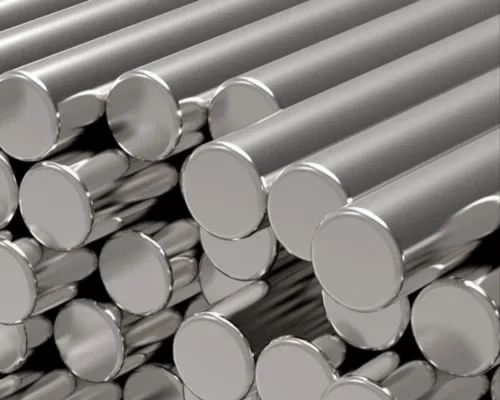
Round bar is specified by diameter, grade and condition, and the condition is the part that gets left off the enquiry. A bar in the annealed condition machines differently from a cold-drawn one, and a 440C bar that has been hardened cannot be drilled the same way. We quote the diameter, the tolerance and the condition together.
Diameter and tolerance, not just diameter. A 50 mm bar can be supplied to several tolerance bands and straightness limits. The band decides whether it goes straight into a collet or needs turning first.
Sawn to length on a cold saw. Bars cut to the length on your drawing, with a square cut that machines cleanly and a length tolerance you can plan the machining allowance against.
Free-machining and engineering grades. 303 where the part is turned from bar all day, 304 and 316 where corrosion matters more than cutting speed, 440C where the part has to hold an edge or a bearing surface.
Processing before dispatch. Sawing, grinding, peeling and heat treatment are quoted with the bar, so the material arrives in the condition the machining plan expects.
Four grades cover most bar work. The difference between them shows up at the machine first and in service second.
303 free-machining bar
Sulphur is added to break the chip, which makes 303 the fastest-cutting austenitic bar and the usual choice for high-volume turned parts. The same sulphur lowers corrosion resistance, so it stays out of marine and chemical work.
The general-purpose austenitic grade: strong, formable and weldable, and the sensible default where the environment is not aggressive. The L grade keeps carbon low for welded assemblies.
Shafts, pins, fasteners, food and general engineering
316 and 316L bar
Molybdenum raises pitting and crevice resistance, which is why 316 is the grade for chloride exposure, marine fittings and product-contact parts that are cleaned in place.
Marine and chemical hardware, pumps and valves, medical instruments
440C and high-carbon bar
A martensitic grade with enough carbon to harden to a wear-resistant surface, used where the part is a bearing race, a knife edge or a wear plate rather than a structural shaft.
Bearings, valve trim, blades, wear parts
321, 347 and the duplex grades are quoted on request, as are peeled and ground bars in the tolerance band a Swiss-type lathe needs. Send the drawing with the diameter, the length and the condition, and we will confirm what is available at that size.
Size Range and Condition
Bar is quoted as diameter with the condition, because the same diameter can arrive annealed, cold drawn, peeled or ground, and each machines differently.
Swipe the table sideways for the notes →
Parameter
Range
What decides it
Diameter
10 – 1200 mm
Small bar is drawn or peeled; large bar is forged or rolled and then machined.
Length
1 – 12 m, or sawn to length
Sawn lengths carry a cutting charge but remove the handling of a full bar.
Ground and polished bar is specified where the outside diameter is a functional surface.
Condition
Annealed, cold drawn, hardened and tempered (per grade)
Machining allowance and hardness target decide the condition, not the grade alone.
Standards
ASTM A276, A479, A582; AMS on request
The standard sets the test regime and the tolerance table used for the bar.
Processing
Sawing, grinding, peel turning, heat treatment
Quoted with the material so the bar arrives ready for the first operation.
Products' Properties and Advantages
Stainless bar earns its place on four properties, and the balance between them is what the grade selection is really about.
Corrosion resistance from the chromium
Above roughly 10.5% chromium the surface forms a passive oxide layer that repairs itself. That is what makes the bar usable in marine, chemical and food environments without a coating.
Strength retained at temperature
Austenitic grades keep their toughness from cryogenic service up into the creep range, which is why 304L and 316L appear in cold and hot parts of the same plant.
Machinability and formability
303 cuts fast but corrodes sooner; 304 and 316 form and weld well but work-harden. Choosing between them is a production decision as much as a materials one.
Recyclable without loss of quality
Stainless scrap returns to the melt without downgrading, which matters where a project carries a recycled-content requirement.
How We Help Customers
Bar enquiries usually fail on two words: condition and tolerance. We settle both before a price is issued.
01
State the diameter and the tolerance band
Nominal diameter alone does not define a bar. The tolerance and straightness decide whether it runs in a collet or needs a first turning pass.
02
Name the grade and the condition
Annealed, cold drawn or hardened changes both the price and the machining plan. The condition is quoted in words, not implied.
03
Choose the length and the cut
Full bars, sawn blanks or sawn with a machining allowance: the cutting plan is part of the quote because it decides the yield.
04
Agree the test and the paperwork
Chemical composition and mechanical properties to the standard, with the heat number traceable from the certificate to the bar.
Corrosion and mechanical testing are recorded against the heat number, so the certificate and the bar that ships can be matched.
Real Applications
Bar work is mostly turning, and the application decides whether the priority is cutting speed, corrosion resistance or hardness.
Shafts, spindles and pins
Turned and ground parts where the diameter is a bearing surface and the tolerance band matters more than the grade's corrosion rating.
Pumps, valves and fittings
Bodies, stems and trim in 316 or duplex, where the bar is exposed to the process fluid and the part has to hold a sealing face.
Fasteners and machined hardware
Bolts, studs and small turned parts, where 303 keeps the cycle time down and the environment is mild enough to accept its lower corrosion resistance.
Food, medical and marine hardware
Product-contact and saltwater parts in 316L, where cleanliness and chloride resistance decide the grade and the surface finish.
Have a bar diameter, condition and cut length to price? Send the specification, quantity and any certification requirement and we will come back with what we can supply.