
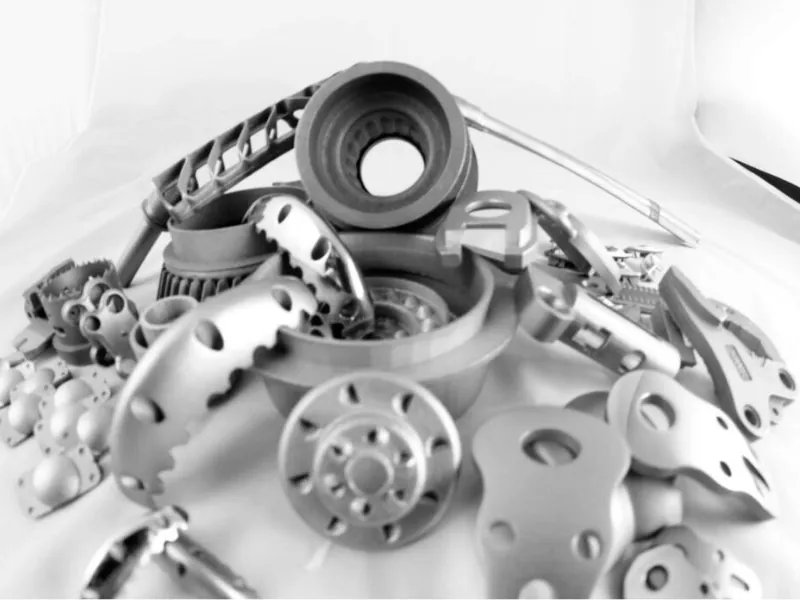
3D printing, also known as additive manufacturing, is transforming the aerospace industry, making it possible to build aircraft parts in ways we never thought possible. Since its adoption in the late 1980s, this technology has become a preferred choice for the majority.
By the mid-2010s, 3D printing had captured about 16% of the multibillion-dollar aerospace market, highlighting its significant impact.
Why is 3D printing so popular in aerospace? It’s simple: it allows for the quick creation of complex designs without the hefty costs of traditional manufacturing tools. This means faster development cycles and lower costs—critical benefits in an industry where cutting-edge innovation and cost-efficiency are crucial.
In this article, we are going to discuss in depth how 3D printing is making all this happen, and what it means for the future of flying.
What are the Advantages of 3D Printing in Aerospace?
- Reduced Lead Times: 3D printing streamlines the production of crucial aerospace components, enabling on-demand, localized manufacturing which cuts down on wait periods.
- Cost and Weight Efficiency: Lighter components significantly reduce operational costs by lowering fuel consumption and enhancing the aircraft’s range. Some studies suggest that optimizing even a single part can markedly decrease drag.
- Simplified Inventory and Assembly: By consolidating multiple parts into one, 3D printing reduces the complexity of inventory management and decreases the potential for failure points in assembled components.
- Streamlined Supply Chains: The technology fosters a more digital supply chain that lessens dependence on vast warehouses and numerous suppliers, allowing for parts to be printed as needed.
- Long-term Savings: Optimized geometries in 3D printing not only utilize less material but also contribute to better overall aerodynamic performance, leading to cost savings throughout the product’s lifecycle.
Geometric Design Freedom
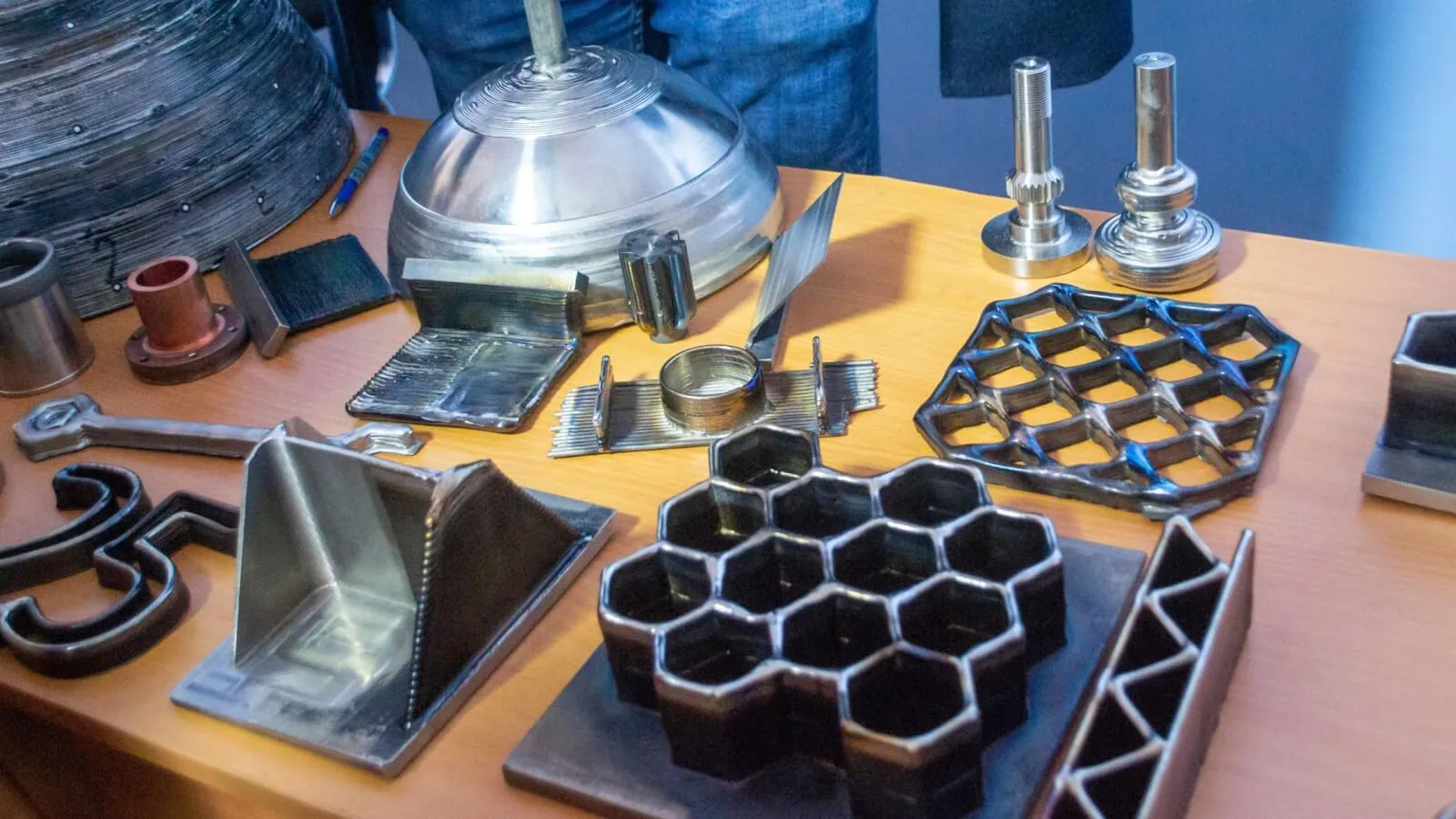
One of the most significant advantages of 3D printing in the aerospace sector is the ability to create complex geometries that are virtually impossible with traditional machining. This design freedom allows for the integration of intricate internal channels directly into engine parts and structural components, which can significantly enhance performance.
For instance, aerospace engineers can incorporate cooling and airflow channels into designs that improve the efficiency of engines and reduce the risk of overheating.
The potential for these topological optimizations to boost performance has been demonstrated in several aerospace applications, where parts have shown improvements in efficiency by double-digit percentages.
This capability not only maximizes the functionality of individual components but also contributes to the overall advancement of aerospace technology, making 3D printing an indispensable part of modern aerospace manufacturing processes.
Part Consolidation
3D printing significantly streamlines aerospace manufacturing by allowing the consolidation of multiple, traditionally assembled parts into a single, complex structure.
This integration reduces the assembly time and the labor involved, making the production process more efficient. With fewer components needed to construct a part, the potential for mechanical failure diminishes, enhancing the reliability of aerospace components.
Additionally, this reduction in parts necessitates fewer fasteners and adhesives, which further simplifies the manufacturing process and lowers maintenance demands, contributing to a leaner, more cost-effective production workflow.
Weight Reduction
Additive manufacturing plays a pivotal role in reducing the weight of aerospace components through the use of lattice structures and optimized designs that do not compromise on strength.
For example, by integrating lattice infills, aerospace engineers can achieve a weight reduction of 25–30% in certain non-pressurized components while maintaining the necessary load-bearing capabilities.
This significant reduction in mass translates directly into fuel savings, making aircraft more economical to operate over their lifetime. Such optimizations are crucial in the aerospace industry where even minor enhancements can lead to substantial improvements in overall efficiency and cost savings.
Faster Production
The ability of 3D printing to expedite production processes is a game-changer in the aerospace industry. This technology enables more rapid prototyping and shorter lead times through on-demand production capabilities.
The adoption of ‘just-in-time’ manufacturing models reduces the need for large inventories, allowing parts to be produced as needed. Particularly in aerospace, where the need for rapid updates and the ability to respond to specific engineering demands quickly is critical, the impact of additive manufacturing is profound.
By slashing the end-to-end production cycles by 40–60%, additive manufacturing not only accelerates product development but also enhances the agility of aerospace operations, especially crucial in settings that require high adaptability and swift turnaround.
Supply Chain Optimization
3D printing enhances supply chain flexibility in the aerospace industry by enabling localized and distributed manufacturing. This shift significantly reduces the complexity of logistics and shipping, making it easier to manage production closer to the point of use.
With over half of aerospace professionals citing supply chain resilience as a crucial benefit, it’s clear that additive manufacturing supports more agile and responsive operations. This method drastically cuts down on the need for large production runs and reliance on specialized tooling, facilitating cost-effective low-volume manufacturing.
By simplifying the supply chain, aerospace companies can achieve not only faster response times but also substantial cost reductions.
Surface Finish and Support Structures
The quality of aerospace components significantly depends on their surface finish and the strategies used for support structure removal. Advanced finishing techniques like polishing and electroplating can greatly enhance the aesthetic and functional properties of 3D-printed parts.
Moreover, the orientation of a part during the printing process is critical as it influences how support structures are implemented and removed. Techniques in powder-based and binder-based printing have evolved to reduce or eliminate the need for extensive post-processing, which in turn minimizes the overhead associated with removing these supports.
These advancements ensure that parts meet rigorous aerospace standards while maintaining structural integrity and performance.
What are the Applications of 3D Printing in Aerospace?
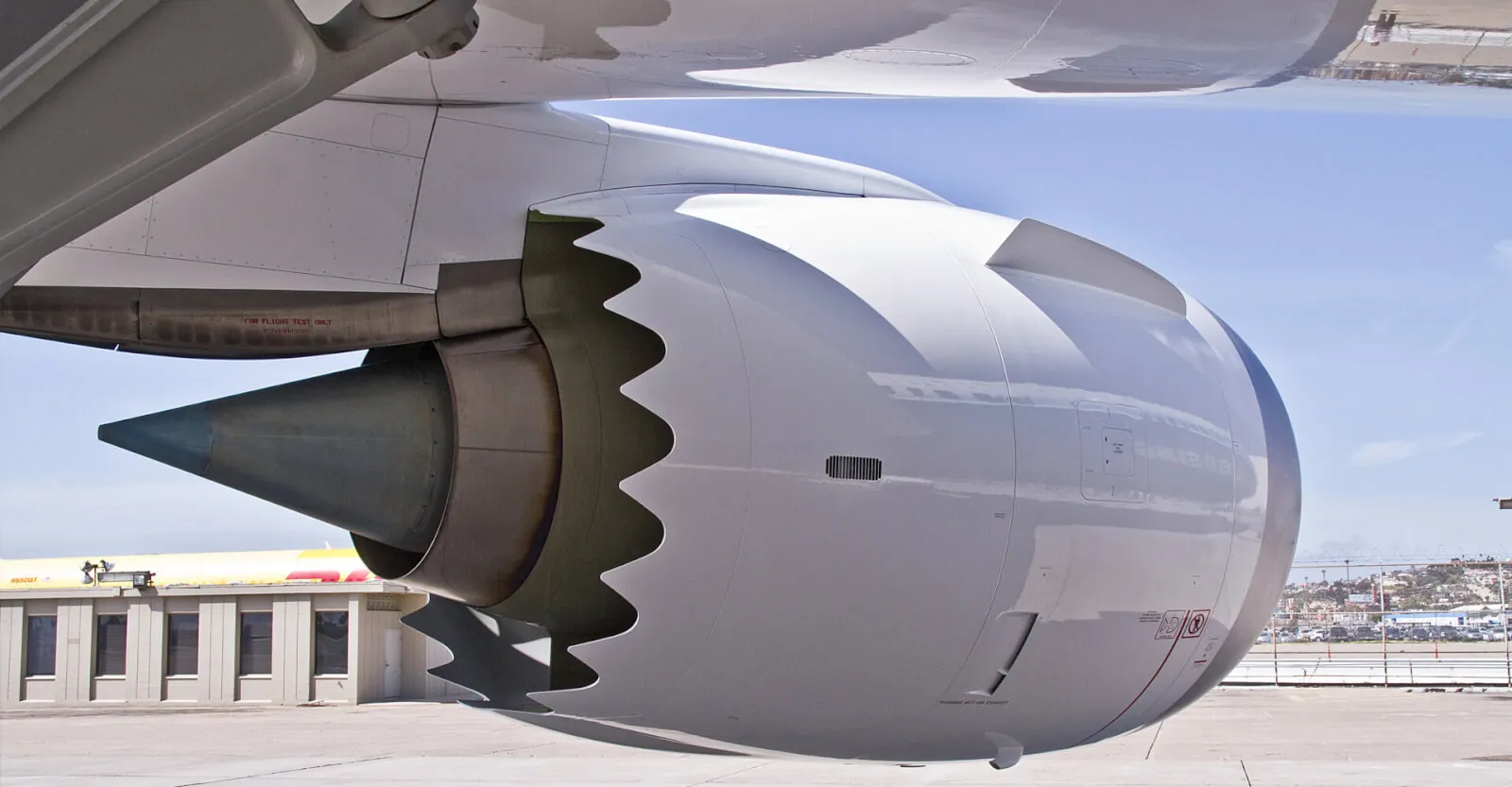
Aerospace experts have incorporated over a thousand 3D-printed parts in modern aircraft, showcasing the extensive adoption and trust in this technology. In satellites, 3D printing is used to create optimized brackets that withstand extreme temperature fluctuations, which are common in orbital environments.
This capability demonstrates not only the versatility of 3D printing applications like handling complex designs and challenging conditions but also its role in pushing the boundaries of aerospace innovation and performance.
Jigs & Fixtures
3D printing has improved the creation of jigs and fixtures in the aerospace industry, providing substantial time savings and enhanced manufacturing precision. By utilizing additive manufacturing, aerospace companies can rapidly produce custom tooling that perfectly matches their specific needs.
This capability significantly reduces the lead times for fixtures, with some production lines reporting reductions of 60–90%.
Moreover, the flexibility of 3D printing allows for on-demand production of jigs, minimizing downtime by enabling immediate response to design changes or repair needs. This shift not only streamlines production but also improves the overall efficiency of manufacturing processes.
Surrogates
In aerospace manufacturing, the use of surrogates or mock components is a critical strategy for assembly tests, offering both cost and time benefits.
These placeholder parts are extensively used for operator training, speeding up the assembly practice while minimizing the risk of damage to expensive final components. Surrogates also play a crucial role in ensuring the correct spacing or fit during the assembly process, and they can be swiftly replaced with the actual part once adjustments are verified.
This approach helps maintain high standards of quality and accuracy in the manufacturing of aerospace components, enhancing the functionality and reliability of the final product.
Mounting Brackets and Structural Parts
The design and production of mounting brackets and structural parts through 3D printing bring forth significant advantages in terms of strength-to-weight efficiency and assembly complexity.
Additive manufacturing allows for the creation of lightweight metal brackets that are 20–40% lighter than their traditionally forged counterparts. This weight reduction is achieved without sacrificing the part’s strength and functionality, critical for maintaining safety and performance in aerospace applications.
Additionally, the consolidation of multiple parts into a single printed unit simplifies the assembly process, reducing the time and cost associated with multiple component configurations. Such innovations underscore the transformative impact of 3D printing on the aerospace sector, driving advancements in both design and production efficiency.
High-Detail Prototypes
3D printing excels in creating high-detail prototypes that are essential for design reviews and wind tunnel tests within the aerospace industry. These detailed scale models are crucial for verifying aerodynamic properties before final production.
The ability to achieve a smooth surface finish is vital, as even minor imperfections can affect data accuracy during wind tunnel testing. Modern 3D printing techniques ensure that prototypes have minimal layer lines and can be polished or coated to meet exact specifications.
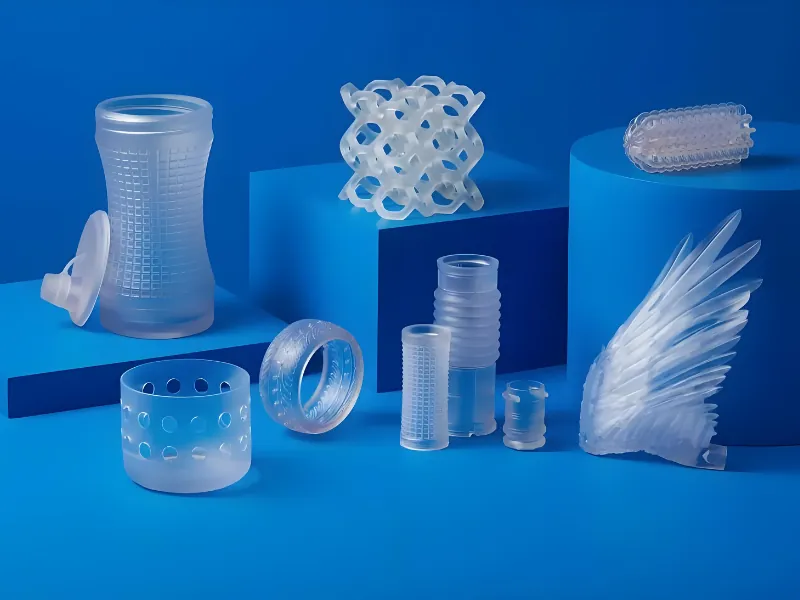
Additionally, the transparency offered by some 3D printing materials allows for precise observation of airflow or fluid movement, enhancing the understanding of how designs will perform in real-world conditions.
Complex Rocket Components
The aerospace sector leverages 3D printing for developing complex components such as rocket engines and nozzles, which benefit significantly from the intricate cooling channels that can be incorporated directly into the print.
This ability to integrate complex internal features without the need for multiple parts not only simplifies the assembly process but also reduces the overall weight and material waste. Rapid prototyping capabilities allow engineers to iterate designs quickly, testing various configurations to optimize performance efficiently.
Such advancements in additive manufacturing provide unprecedented freedom in rocket design, promoting innovation while reducing the costs and time associated with traditional methods.
Can You 3D Print a Whole Spacecraft?
While 3D printing offers extensive capabilities in producing parts and prototypes, the complete fabrication of a spacecraft remains a challenge that the industry continues to explore.
Currently, partial assemblies have been successfully implemented, but producing a full-scale operational spacecraft via 3D printing is not yet commercially viable. Research in this area focuses on developing large-scale printers and advancing materials that can withstand the harsh conditions of space travel.
These developments are crucial for future missions, potentially reducing the cost and complexity of building spacecraft while increasing the feasibility of more ambitious space exploration projects.
Satellite Parts
3D printing significantly enhances the production of satellite components, enabling the creation of lighter, more compact parts that are crucial for the efficiency of space missions. By using additive manufacturing, aerospace engineers can design parts with complex geometries that are optimized for both strength and lightness, which helps manage the extreme thermal stresses and vacuum conditions of space.
Metal 3D printing, for example, allows for the production of satellite brackets that not only reduce material waste but also cope effectively with temperature fluctuations in orbit.
These advancements in manufacturing technology lower launch costs by reducing the weight of the spacecraft, thereby allowing for additional payload capacity or the inclusion of more sophisticated instruments.
Does NASA Use 3D Printing?
Yes, NASA extensively uses 3D printing across various projects to enhance their space exploration efforts. The agency employs additive manufacturing to create parts that are tested under the rigorous conditions of space, such as vacuum and microgravity environments.
Additive manufacturing helps in developing prototypes rapidly, which are then subjected to in-situ monitoring, electroplating, and nondestructive evaluation to ensure they meet the stringent reliability requirements necessary for space missions.
Through 3D printing, NASA is able to innovate faster and more efficiently, pushing the boundaries of what’s possible in aerospace technology.
Does SpaceX Use 3D Printers?
SpaceX is a prominent user of 3D printing, particularly for producing parts for its reusable rocket systems. The flexibility and speed of additive manufacturing allow SpaceX engineers to rapidly prototype and test various components, such as engine parts and structural housings.
This capability significantly shortens the development cycle, enabling the iterative testing of multiple designs. The use of 3D printers supports SpaceX’s goal to develop more cost-effective and reliable aerospace technologies, thereby accelerating the pace at which new iterations of rockets and their components can be deployed.
Implementing 3D Printing in Aerospace Design and Product Development
These mockups facilitate immediate feedback and continuous improvement, crucial for developing complex components like rocket engines or specialized tooling.
During the prototyping stage, functional prototypes are created to test mechanical properties and validate the design under realistic conditions. This step is critical for ensuring the design meets all required specifications before moving to production.
The ability to rapidly produce prototypes reduces the lead time for testing and validation, enabling quicker transitions to final production.
In the pre-production phase, 3D printing contributes significantly to reducing risks associated with scaling up manufacturing. By using additive-manufactured tooling, aerospace companies can perform pilot runs that help fine-tune the production process without the extensive costs typically associated with traditional tooling.
This approach not only saves time but also significantly reduces financial investment, making it easier to scale operations flexibly and responsively.
Overall, 3D printing fosters a highly collaborative environment where communication among teams is streamlined, and modifications can be made swiftly. This adaptability is crucial for aerospace, where the precision and reliability of every component are essential for successful missions.
Design Communication
Effective communication is crucial in aerospace design, and 3D-printed mockups significantly enhance this aspect. By creating detailed and accurate representations of intended designs, engineers and designers can convey complex ideas clearly and effectively.
These models, often featuring precise details or transparent sections, are instrumental in demonstrating aerodynamic profiles or internal structures to stakeholders who may not have technical backgrounds.
Furthermore, the use of color-coded or labeled features in these prints helps to clarify design intentions and foster a better understanding across various teams. This visual communication tool is invaluable in ensuring that all stakeholders are aligned, which streamlines the development process and helps avoid costly misunderstandings or reworks.
Validation
Validation is a critical phase in aerospace design where 3D printing excels by enabling the rapid production of functional prototypes.
These prototypes are essential for testing and refining aerospace components to ensure they meet stringent industry standards. Made from engineering-grade materials, these prototypes can undergo rigorous testing to validate their fit, form, and function.
The speed at which these prototypes can be produced and tested allows engineering teams to make necessary adjustments quickly, significantly reducing the time from design to market. This rapid validation process is crucial for maintaining competitive advantage in the fast-paced aerospace industry, where innovation and speed are paramount.
Pre-production
In the pre-production phase of aerospace development, 3D-printed prototypes are invaluable for reducing both time and costs associated with final design adjustments. Utilizing low-cost, additively manufactured molds for injection or thermoforming allows teams to quickly validate tooling concepts with minimal financial outlay.
Additionally, a limited run of 3D-printed parts, typically ranging from hundreds to a few thousand, acts as a transitional “bridge.” This approach facilitates testing and refinement without the substantial upfront costs associated with traditional mass production methods.
This phase is critical for ensuring that any potential issues can be addressed efficiently, thereby streamlining the path from prototype to production readiness.
Production
The production stage in aerospace where 3D printing is applied often involves the manufacture of low-volume or highly specialized parts. This method is particularly advantageous for producing interior components or complex assemblies that require precise customization.
Additive manufacturing technologies ensure process repeatability and maintain stringent quality controls, essential for meeting the aerospace industry’s high standards.
Consistent machine calibration and thorough quality checks are integral to ensuring that each batch of printed parts adheres to the required specifications, thus maintaining the reliability and safety standards necessary for aerospace components.
Customization
3D printing shines in its ability to customize aerospace parts quickly and efficiently. Specific mounting brackets and other mission-critical components can be tailored to meet unique operational demands, often with little to no lead time compared to traditional manufacturing methods.
Advanced 3D scanning technologies enhance this capability, allowing engineers to adapt designs for retrofitting older aircraft or addressing specific mission requirements. This flexibility is invaluable in an industry where the ability to respond swiftly to new challenges and opportunities can significantly impact the success of a project.
Customizable options extend to cabins and fitting systems, which can be swapped or modified with minimal downtime, thus optimizing both the functionality and operational efficiency of aerospace vehicles.
Rapid Prototyping for Rocket Testing
Rapid prototyping via 3D printing significantly accelerates the development cycle for rocket engines and their components. This technology enables aerospace engineers to quickly produce functional prototypes for thorough testing and evaluation.
By facilitating short-duration hot-fire tests, 3D printing allows for immediate validation of design changes on critical components like thrusters and igniters. The ability to rapidly test and iterate multiple design variations within a single development cycle leads to substantial cost and time savings.
Moreover, the use of transparent, heat-resistant polymer prints during these tests provides a clear view of fluid or combustion patterns, enhancing the understanding of how changes affect performance.
Prototyping Aerospace Tooling
3D printing is changing the creation of aerospace tooling, including jigs, fixtures, and other essential equipment. This additive manufacturing technology enables the production of highly customized and robust tooling that can withstand the stresses of aerospace production.
Specialized drill caps, masking aids, and quality-check gauges are now produced much faster, sometimes reducing turnaround times from weeks to days.
Tooling made with 3D printing can also incorporate complex features such as embedded channels and customized grips, which are often impossible to achieve with conventional methods. This not only enhances the functionality of the tools but also significantly extends their usable life, contributing to more efficient and less costly manufacturing processes.
What are the Main Materials Used for Aerospace 3D Printing?
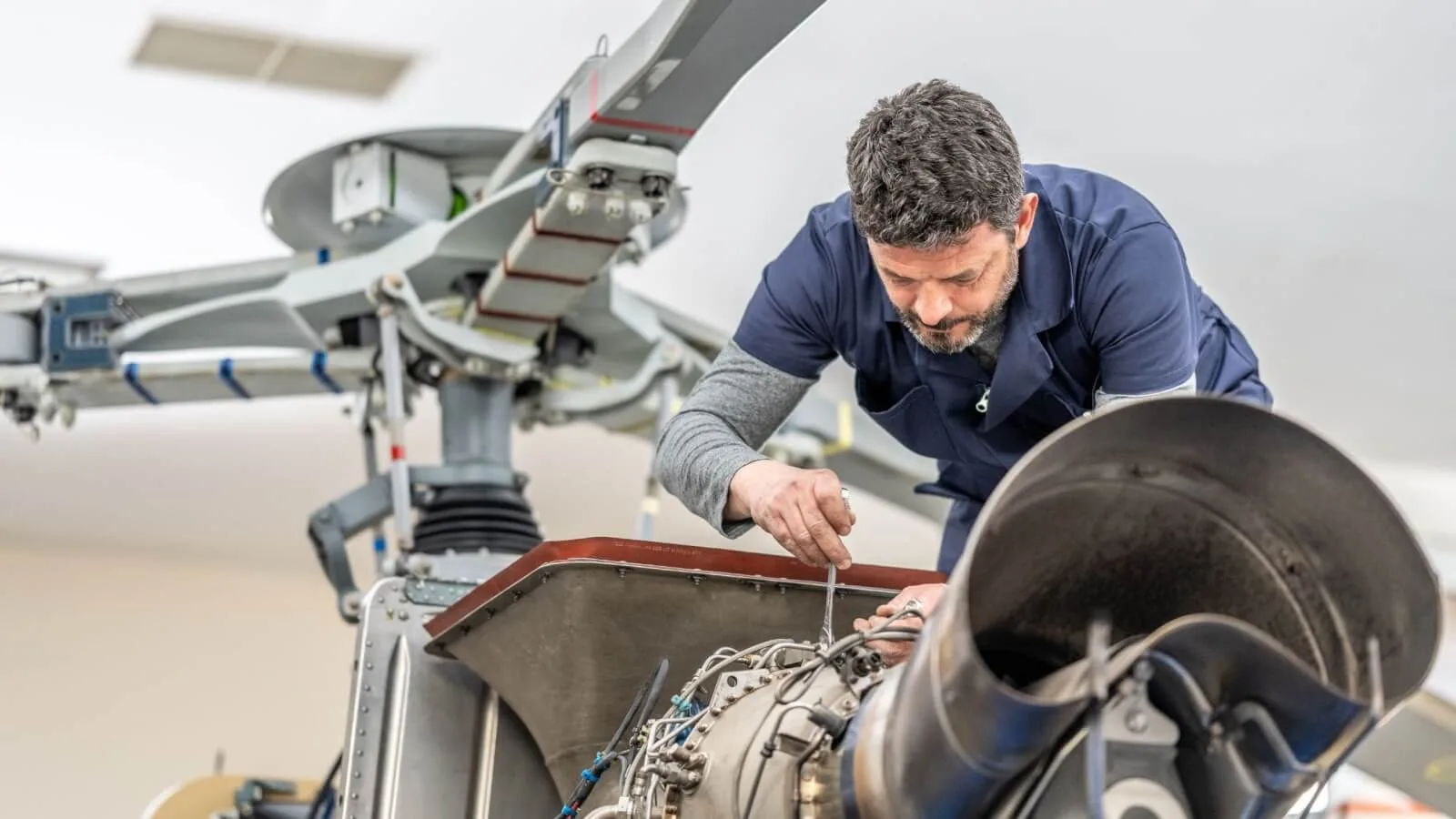
Metals like titanium and aluminum alloys are preferred for engine or structural parts due to their ability to withstand high temperatures and stress.
High-performance polymers, known for their flame-retardant and low-outgassing properties, are often used for cabin interiors and protective enclosures.
Additionally, thermoplastic composites are valued for their strength-to-weight advantages, crucial for aerospace applications where compliance with stringent safety standards is a must.
What are the Main Processes Used for Aerospace 3D Printing?
Aerospace 3D printing encompasses a variety of additive manufacturing processes like Stereolithography (SLA) and Selective Laser Sintering (SLS) which are common for creating detailed parts with high accuracy.
Few other methods used are:
- Direct Metal Laser Sintering (DMLS) is widely used for metal parts requiring high strength and durability.
- Fused Deposition Modeling (FDM) allows for the rapid prototyping of larger, durable components commonly used in aerospace testing.
- Additionally, powder-bed fusion technologies like SLS for polymers and DMLS for metals are prevalent due to their ability to produce strong, functional parts with intricate features.
- Emerging technologies, such as pellet-based processes, offer faster build times for large-scale parts, and material jetting provides the capability to create multi-color or multi-material prototypes, enhancing the visualization and functional testing of new designs.
Challenges, Safety, and Certification in Aerospace 3D Printing
Using 3D printing in aerospace not only involves navigating technical and operational hurdles but also rigorous safety and regulatory standards.
Key challenges include achieving and maintaining exact dimensional tolerances and strength requirements essential for aerospace components, which are often exposed to extreme environmental conditions. Nondestructive evaluation techniques like X-ray scanning and ultrasound are critical for identifying porosity or micro-cracks that could undermine the integrity of printed parts.
Certification under aerospace standards demands exhaustive documentation of the entire printing process. This includes detailed machine calibration logs and the traceability of all materials used. Regulatory bodies require that each part consistently meet specified criteria before approval for use in the field.
Additionally, real-time build monitoring is becoming standard practice; it helps in verifying layer consistency and optimal temperature conditions throughout the print process, allowing for immediate detection and correction of potential defects.
Ensuring Reliability and Quality
Reliability and quality assurance are paramount in aerospace 3D printing. Nondestructive testing methods are employed to ensure that each component meets rigorous safety standards.
In-situ monitoring technologies enable real-time oversight of the printing process, with sensors tracking temperature, laser power, and powder-bed consistency layer by layer. This level of monitoring helps to identify and rectify issues as they occur, significantly enhancing the reliability of the manufacturing process.
Traceability is another critical factor. It involves detailed logging of each manufacturing step and the parameters used. Modern traceability systems may include barcoding or digital tagging of each build run, which helps in maintaining records for quality assurance and regulatory compliance.
Qualification and Certification Processes
Qualification for aerospace and defense components via 3D printing involves meticulous steps that ensure each part meets the highest standards of safety and functionality. The process typically includes extensive destructive testing of sample builds to validate consistent mechanical properties.
Engineers must also conduct multiple test builds under varying conditions and orientations to establish robust design envelopes. This phase is crucial to determining the part’s ability to withstand real-world aerospace conditions.
Known standards and guidelines, such as those set by aerospace regulatory bodies, guide these qualification steps. Each component must comply with strict criteria, often necessitating repeated tests to confirm durability and safety under extreme conditions. The adherence to these standards ensures that every 3D-printed part can perform reliably when deployed within critical aerospace applications.
Cost Structure and Production Considerations
Understanding the cost structure in aerospace 3D printing is essential for managing expenses and optimizing production efficiency.
Key factors influencing costs include the price of materials—particularly specialized metals in powder form, machine maintenance, and the extensive post-processing required for aerospace standards.
Scaling production presents opportunities to reduce costs per part significantly. As production volumes increase, investing in more advanced or faster 3D printing systems becomes justifiable, effectively lowering the overall expenses per unit.
Process optimization and recycling strategies for expensive materials like titanium and aluminum powders also play a crucial role in cost control, helping manufacturers maintain competitiveness while adhering to the aerospace industry’s rigorous standards.
Aerospace Research, Education, and Defense Applications
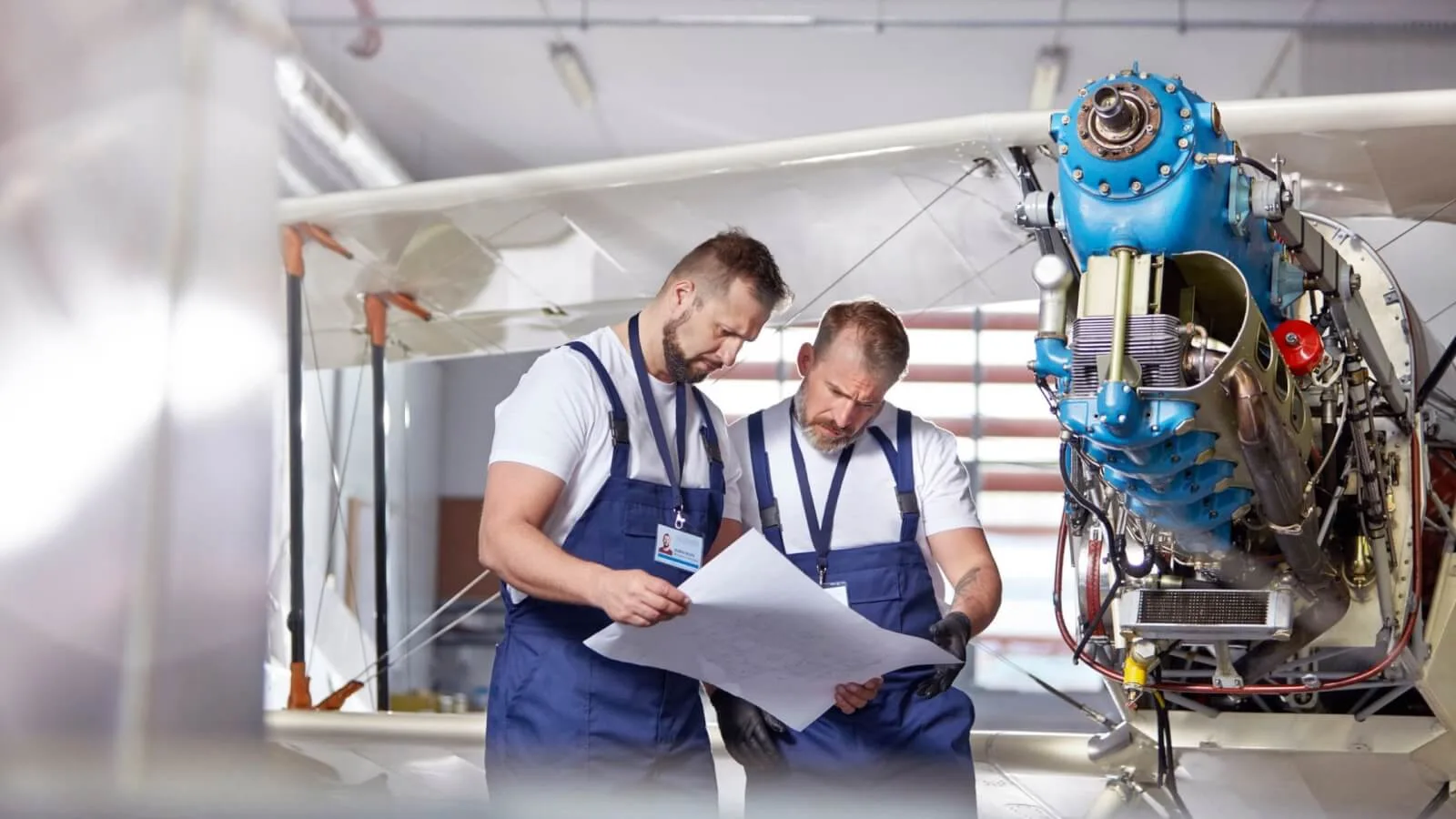
Wind Tunnel Test Parts and Testing in Space
In aerospace research and development, 3D printing plays an important role in the creation and testing of prototype models within aerodynamic or zero-gravity environments. This process allows for the quick production of varied designs, facilitating extensive aerodynamic testing and experimentation.
For instance, 3D-printed scale models are frequently utilized in wind tunnel tests, where minor adjustments in geometry can be made swiftly to study subtle aerodynamic changes. This iterative process is crucial for refining aircraft designs for optimal performance.
Furthermore, aerospace agencies are actively testing 3D-printed materials in space to assess their reliability under the harsh conditions of outer space, including extreme temperatures and vacuum exposure.
These tests often focus on how different materials and coatings respond to space radiation and temperature fluctuations, providing invaluable data that influences the design of future aerospace components.
Training and Upskilling Engineers
In the educational sector, the incorporation of 3D printing into curricula from the freshman year onwards revolutionizes the training landscape. It provides students with invaluable hands-on experience, deepening their understanding of additive manufacturing technologies.
This practical exposure helps students master the design-for-additive principles, encompassing the intricacies of layer-by-layer manufacturing, optimal support placement, and efficient post-processing techniques.
As these budding engineers graduate, their thorough familiarity with various 3D printing technologies ensures they are well-prepared to seamlessly integrate these methods into future aerospace roles, enhancing both innovation and practical application in the field.
Defense-Specific Use Cases
In the defense sector, 3D printing is transformative, particularly in the realms of logistics and manufacturing efficiency.
The technology facilitates just-in-time manufacturing of mission-critical components, which is crucial for operations in remote or distributed locations. This capability allows military installations to swiftly produce necessary parts on-demand, thereby significantly reducing the need for extensive inventories and minimizing logistics complexity.
Furthermore, the use of secure digital design files streamlines the production process, enhancing the confidentiality of sensitive military hardware designs while ensuring the rapid delivery of essential equipment.
The Future of 3D Printing in Aerospace
The horizon of 3D printing within the aerospace industry is expanding at an unprecedented rate, driven by continuous advancements in materials, manufacturing methods, and the integrative use of cutting-edge technologies. This evolution is set to redefine aerospace manufacturing, promising enhanced performance and cost-efficiency.
Emerging trends in the sector focus on the development of large-format 3D printers capable of constructing substantial assemblies such as entire fuselage sections, which are currently under vigorous research.
These advancements are likely to revolutionize the construction and design of aircraft and spacecraft by allowing more complex and robust structures to be produced more efficiently.
Additionally, new materials are being developed to offer greater thermal stability, lighter weight, and increased strength, catering specifically to the demanding conditions of next-generation aerospace vehicles.
This includes advanced composites and exotic metal alloys designed to withstand the extreme environments of space and high-speed air travel.
The future also points towards a significant reduction in manual post-processing through automated techniques and the incorporation of real-time monitoring systems within the 3D printing process. These innovations aim to enhance production consistency, reduce error rates, and further lower the manufacturing costs by streamlining operations and minimizing waste.
Real-World Case Studies
The application of 3D printing technology in aerospace has not only demonstrated its viability but also its capacity to revolutionize traditional manufacturing processes. Several case studies highlight the successful integration of 3D printing into aerospace operations, showcasing significant benefits in terms of cost reduction, performance enhancement, and production speed.
One notable example includes the use of temperature-resistant metal printing methods that have successfully produced functional brackets and housing capable of operating under extreme thermal conditions—from cryogenic to high-heat environments.
This capability significantly enhances the durability and reliability of critical aerospace components.
Another case involved the adoption of rapid tooling solutions, which facilitated up to a 90% reduction in turnaround times for producing masks, jigs, and fixtures used in aerospace assembly lines. This acceleration in production speed directly correlates with increased operational efficiency and reduced costs.
Furthermore, a groundbreaking initiative achieved a 5-6% reduction in fuel costs during a flight test by optimizing parts designed to reduce aerodynamic drag. This test not only proved the financial viability of implementing 3D printed components in commercial aircraft but also highlighted the potential for substantial environmental impacts through increased fuel efficiency.
How Big Is the Aerospace 3D Printing Market?
This robust expansion is underpinned by the maturation of additive manufacturing as essential components attain certification and integration into more complex applications.
Forecasts consistently indicate a multi-billion-dollar surge as the technology advances, with a majority of aerospace manufacturers anticipating a doubling of their 3D printing activities in the near future, driven by both technological innovations and increasing acceptance by regulatory bodies.
Conclusion
3D printing’s role in aerospace continues to evolve from prototyping to substantial inclusion in end-use applications. Its proven efficacy in streamlining production and enhancing component performance has been instrumental in its growing adoption.
Future growth will be supported by broader regulatory acceptance and ongoing advancements in materials and processes. This progress promises not only to enhance the capabilities of 3D printing in aerospace but also to establish it as a fundamental component of modern aerospace manufacturing, making it a critical element in the industry’s ongoing innovation and efficiency improvements.
Comment
0 comments
Got thoughts or experiences to share? We’d love to hear from you!