
Ceramic CNC machining may seem like a complex concept at first, but it’s not as difficult to understand as it might appear. Compared to traditional manufacturing methods, ceramic CNC machining offers the precision and durability required to work with high-performance materials.
You might be surprised to learn that ceramics aren’t just for household items—they’re also vital in fields like medical equipment manufacturing.
In this guide, we’ll explore the techniques used in ceramic CNC machining and the various applications of different ceramic materials. By the end, you’ll have a clearer understanding, ready to approach ceramic machining with confidence.
What is Ceramic CNC Machining?
Ceramic CNC machining refers to the use of computer numerical control (CNC) technology to shape and process ceramic materials. Ceramics are often difficult to machine due to their hardness and brittleness.
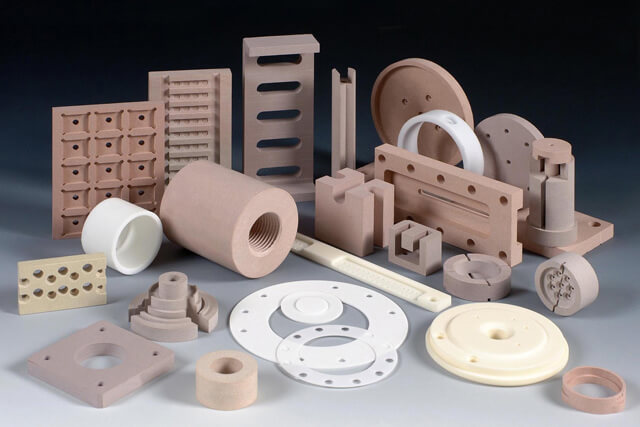
CNC machining supports many materials and allows for precise cutting, drilling, and shaping of ceramics, making it possible to create complex geometries and high-tolerance components. The process utilizes various cutting tools and techniques, ensuring minimal tool wear and optimal surface finish.
How Does Ceramic CNC Machining Work?
Ceramic CNC machining works by utilizing computer numerical control (CNC) technology to shape and cut ceramic materials with precision. Ceramics, known for their hardness and brittleness, require specialized machining processes to achieve the desired results.
The process starts with the creation of a digital design, which is then translated into a set of instructions for the CNC machine. The machine uses various cutting tools, often made from diamond or other wear-resistant materials, to remove layers from the ceramic workpiece. This technique allows for complex geometries, precise tolerances, and consistent quality throughout the production process.
What Are the Different Stages When CNC Machining Ceramic?
Below is an overview of the main stages in the process:
- Material Preparation: Before machining, ceramic materials are often pre-formed into blocks or blanks, which are easier to handle during the CNC machining process.
- Rough Milling: This initial stage involves using CNC milling to remove large amounts of material and shape the ceramic into the desired form. Diamond tools or similar wear-resistant tools are used to handle the hardness of ceramics.
- Fine Grinding: In this stage, precision grinding tools refine the surface finish and dimensions of the part. Fine grinding helps achieve the tight tolerances required in most ceramic applications.
- Laser Cutting: In some cases, laser cutting is used for intricate designs or cutting thin sections of ceramic. This method ensures clean, precise edges without causing material stress.
- Surface Grinding: After the primary shaping, surface grinding is employed to create a smooth surface finish on the ceramic part. This stage is critical for applications that require high precision and surface quality.
- Core Drilling: For parts that require holes or cavities, core drilling is employed using diamond-tipped drills. This method ensures that the ceramic material maintains its integrity while being accurately drilled.
- Polishing and Finishing: The final step in ceramic CNC machining involves polishing the surface to meet specific surface finish requirements. This ensures that the ceramic parts are not only dimensionally accurate but also meet the necessary aesthetic and functional standards.
What are Important Parameters of Ceramic CNC Machining?
Ceramic CNC machining requires careful consideration of various parameters to ensure high precision, surface finish, and material integrity. Ceramics are brittle and hard materials, which makes machining them challenging compared to metals or plastics. Understanding and controlling these parameters is crucial to achieving optimal results in the manufacturing process.
Let’s take a closer look at the essential factors that determine the success of ceramic CNC machining.
- Cutting Speed: The cutting speed plays a crucial role in maintaining the integrity of ceramic parts. A lower cutting speed is typically used to avoid cracking or shattering the material.
- Feed Rate: The feed rate, or the rate at which the cutting tool moves through the material, must be carefully controlled. A slower feed rate ensures smooth material removal and reduces stress on the ceramic.
- Spindle Speed: The spindle speed, which controls the rotation of the cutting tool, must be high enough to maintain a clean cut while avoiding excessive heat buildup. Higher spindle speeds are ideal for achieving a good surface finish and prolonging the tool’s life.
- Cutting Tools: Diamond tools or cubic boron nitride (CBN) tools are commonly used for machining ceramics due to their wear resistance. These tools can withstand the hardness of ceramic materials, ensuring precision without rapid tool degradation.
- Coolant and Lubrication: Proper cooling is critical to prevent excessive heat generation during machining. Coolants are often used to dissipate heat, improve surface finish, and extend tool life.
- Material Removal Rate: This refers to the volume of material removed per unit of time. It must be carefully optimized to balance the machining time and avoid damage to the ceramic.
- Toolpath Strategy: A well-planned toolpath strategy helps to minimize tool wear and ensures consistent machining of the ceramic part. Optimized toolpaths reduce unnecessary movements and improve the overall efficiency of the process.
- Surface Finish: Achieving a smooth surface finish is important for many applications, especially in industries like electronics and aerospace. Fine grinding or polishing is often required after the initial machining to meet the necessary surface quality standards.
- Tool Wear: The wear on cutting tools is a significant consideration in ceramic CNC machining. Diamond tools are preferred because they can handle the abrasive nature of ceramics and maintain their cutting edge longer.
- Workholding: Proper workholding techniques ensure that the ceramic part remains stable during machining. Specialized clamps or vacuum fixtures are often used to secure delicate ceramic components without causing damage.
- Vibration Control: Minimizing vibration during machining is essential to prevent surface defects and maintain the precision of the final product. Ceramic parts are sensitive to mechanical stress, so controlling vibrations is critical for high-quality machining.
- Thermal Management: Ceramics are poor conductors of heat, so managing thermal expansion and heat buildup during machining is vital. Using coolants and controlling cutting temperatures help in reducing thermal stress on the part.
Tolerances in Ceramic Machining
The recommended tolerance levels for ceramic parts are typically between 0.01 to 0.05 mm, depending on the specific requirements. Achieving such tight tolerances is challenging because ceramics are brittle and prone to cracking under mechanical stress. CNC machines, coupled with high-precision cutting tools like diamond tools, allow for accurate material removal while maintaining the required tolerances.
In dimensional tolerances, CNC machining ensures that ceramic parts meet exact specifications. Even slight deviations can compromise the performance of ceramic components in critical applications, such as electronics or aerospace.
Positional tolerances also need to be precise, especially when drilling holes or creating features that need to align with other components.
What Are the Key Techniques in Ceramic CNC Machining?
Ceramic CNC machining relies on a range of techniques to shape and finish ceramic materials with high precision.
Below are some of the key methods employed in ceramic CNC machining, each tailored to handle the unique properties of ceramic materials.
CNC Milling
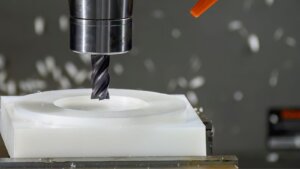
CNC milling is one of the primary techniques used in ceramic CNC machining. It involves the use of rotating cutting tools to remove material from the ceramic workpiece. Due to the hardness of ceramics, diamond-coated or carbide tools are commonly employed to prevent excessive tool wear.
CNC milling is ideal for creating complex shapes, fine details, and intricate geometries. The precision of CNC milling allows designers to achieve a variety of designs while maintaining tight tolerances.
Surface Grinding
Surface grinding is another crucial technique in ceramic machining. This process uses an abrasive grinding wheel to smooth and refine the surface of the ceramic material. Surface grinding is commonly employed when a smooth, polished finish is required, particularly for parts that will be exposed to high-stress environments, such as in the aerospace or defense industries.
The grinding wheel, often made from diamond or cubic boron nitride, efficiently removes small amounts of material to achieve the desired surface finish without compromising the integrity of the ceramic.
Laser Cutting
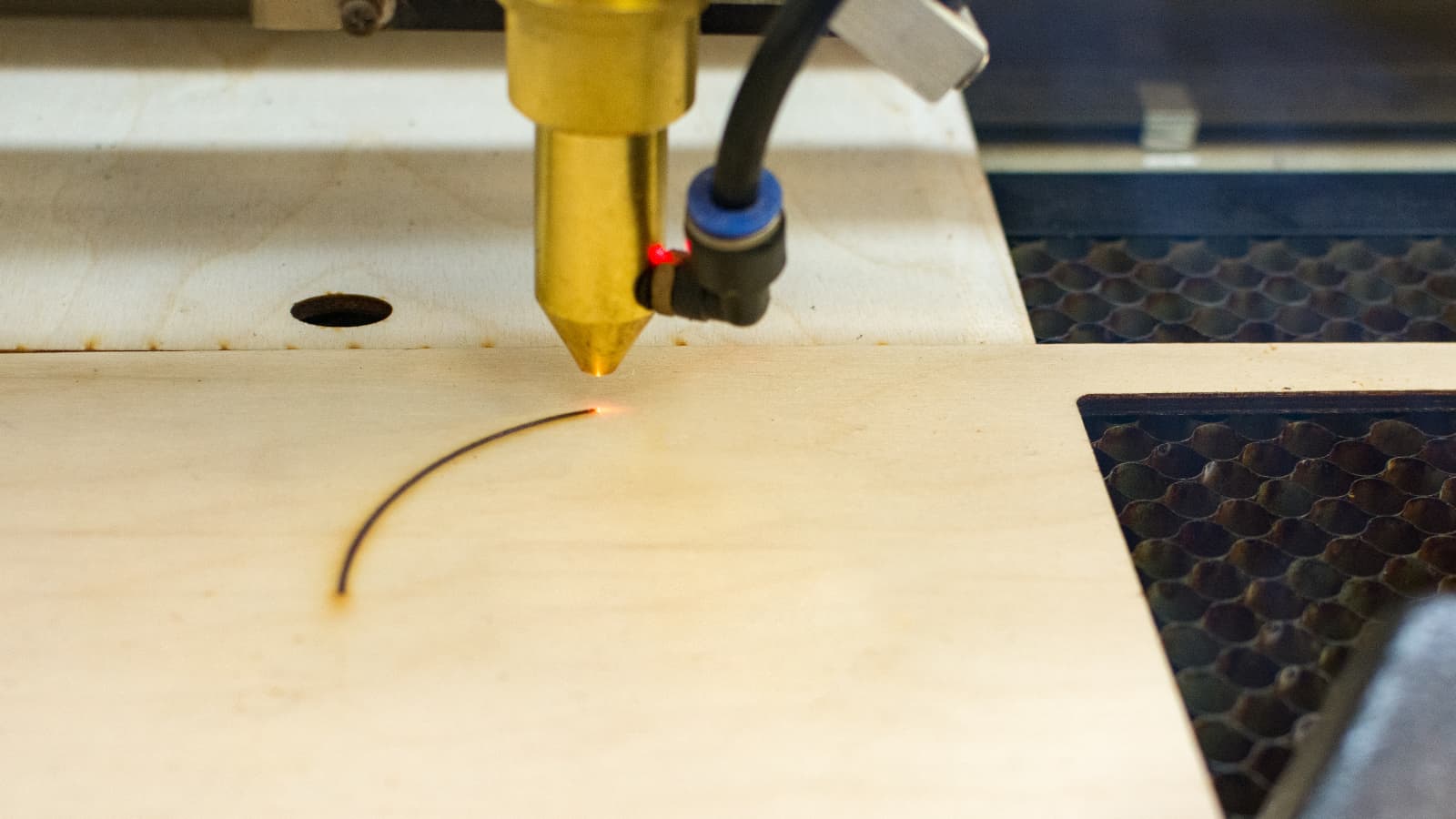
Laser cutting is a highly precise method used in ceramic CNC machining, particularly for intricate or delicate parts. This technique involves directing a high-powered laser beam onto the ceramic surface to cut through the material with minimal force. Since ceramics are brittle, the non-contact nature of laser cutting helps prevent cracks and fractures during the process.
It is especially useful for thin ceramic sheets, complex shapes, or designs requiring tight tolerances. The focused heat of the laser creates clean edges without excessive material loss or wear on the cutting tools, making it ideal for precision machining ceramics like boron nitride or alumina.
Core Drilling
Core drilling is another crucial technique for creating holes in ceramic parts. It involves using a hollow, cylindrical drill bit—typically diamond-coated—to remove a core of material, leaving a clean and precise hole in the ceramic.
This method is particularly useful for ceramics because it minimizes the stress placed on the material, reducing the risk of cracks or chips. Core drilling is often used for parts that need precise, small-diameter holes, such as components in the aerospace industry or ceramic parts that require holes for fasteners or fluid passages.
ID Slicing
ID slicing is a method primarily used in ceramic CNC machining for cutting thin, precise slices of material. It is commonly applied in the production of components like silicon wafers, where high precision is necessary.
The process uses a thin wire or blade to slice through the ceramic material, ensuring minimal material loss and providing a clean cut. Due to its accuracy, ID slicing is particularly valuable for ceramics that require high tolerance and a smooth surface finish. This technique is favored when working with delicate materials, such as boron nitride or silicon carbide, where maintaining the integrity of the ceramic during cutting is essential.
Diamond Grinding
Diamond grinding is a fundamental technique in ceramic CNC machining, used to achieve high precision and excellent surface finish on ceramic parts. The process employs machines equipped with diamond-coated grinding wheels, which are extremely hard and resistant to wear. These grinding wheels cut through the ceramic material with great efficiency, ensuring accuracy and minimizing tool wear. Diamond grinding is particularly useful for achieving fine tolerances and intricate shapes in ceramics, such as alumina or silicon carbide.
- Precision shaping: Diamond grinding allows for the creation of complex geometries and tight tolerances.
- Surface finishing: This method provides a smooth surface finish that can meet specific industrial requirements.
- Tool longevity: The use of diamond tools minimizes wear, ensuring cost-effectiveness and consistent performance over extended periods.
- Reduced thermal damage: Due to the hardness of diamond, less heat is generated during the process, reducing the risk of thermal cracking in the ceramic material.
Wafer Dicing
Wafer dicing is a critical technique in ceramic CNC machining, especially when working with ceramic substrates and silicon wafers. This method uses a high-speed rotating blade, often diamond-tipped, to slice through thin materials with high precision.
Wafer dicing is essential for producing small, intricate parts where maintaining tight tolerances is crucial. The accuracy of this process helps minimize material loss (kerf) and ensures a smooth surface finish on ceramic parts. It’s commonly used in industries like electronics, where delicate components such as silicon carbide or borosilicate glass need precise cutting.
Hot Pressing
Hot pressing is a technique that involves applying heat and pressure simultaneously to shape ceramic materials. This process is particularly useful in forming complex shapes from powders like aluminum nitride or silicon carbide. The combination of high temperature and pressure densifies the ceramic, enhancing its strength and wear resistance.
Hot pressing is crucial in applications where mechanical strength, thermal conductivity, and insulation properties are key. It is often used to manufacture parts for industries requiring advanced performance, such as the aerospace and defense sectors, ensuring a consistent and precise outcome.
Isostatic Pressing
Isostatic pressing is a critical technique used in ceramic CNC machining, particularly for creating uniform, high-density ceramic components. This process applies equal pressure from all directions using a fluid medium, ensuring that the ceramic material is compressed evenly. It is especially effective for complex shapes or parts that require high strength and durability.
Isostatic pressing is used in applications that demand precise dimensions and consistent mechanical properties, such as in aerospace or defense industries. It supports machining ceramics like silicon carbide and aluminum nitride, which are known for their insulation properties and wear resistance.
What Type of Ceramics are Used in CNC Machining?
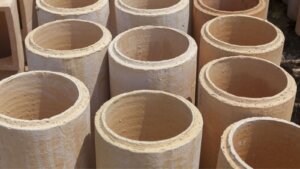
Ceramics used in CNC machining are chosen for their unique properties, which include high wear resistance, strength, and thermal stability. They are unique in their look and feel, have a great level of compressive endurance (though less in terms of tensile force endurance) and provide a decent basis for a number of different products.
Macor
Macor is a machinable glass ceramic often used in CNC machining because of its unique combination of easy machinability and high performance in extreme environments. It is ideal for applications requiring insulation properties, such as in electrical components.
Macor can be machined into complex shapes using standard CNC milling and cutting tools without requiring post-machining heat treatment. Typical properties include low thermal conductivity, making it suitable for applications that experience high temperatures. Industries like aerospace and medical devices benefit from Macor for its accuracy and precision machining capability.
Alumina Ceramics
Alumina ceramics, specifically alumina oxide, are widely used in CNC machining due to their hardness, wear resistance, and excellent heat resistance. These ceramics are often employed in industries where high-performance materials are needed, such as the aerospace and defense sectors.
Alumina’s ability to withstand high temperatures while maintaining structural integrity makes it ideal for parts exposed to thermal cycling, such as turbine components. Its properties include superior hardness and corrosion resistance, which contribute to its extensive use in manufacturing processes where durability is critical.
Aluminum Nitride
Aluminum nitride is a highly suitable material for ceramic CNC machining because of its excellent thermal conductivity and electrical insulation properties. This makes it ideal for applications where managing heat is critical, such as electronic components and heat sinks. Aluminum nitride can withstand high temperatures while maintaining structural integrity, offering superior wear resistance.
This material is often used in the aerospace industry and electronics manufacturing, where precision machining and resistance to thermal expansion are required. Its ability to dissipate heat effectively without compromising performance is one of its most valued characteristics in machining processes.
Alumina Silicate
Alumina silicate is another key material used in ceramic CNC machining, known for its strength and durability. It is highly resistant to both wear and corrosion, making it ideal for applications in harsh environments, such as those found in the defense and manufacturing industries.
Its thermal stability allows for use in high-temperature conditions, which is essential in components that require excellent insulation and shock resistance. In CNC machining, alumina silicate is often utilized in precision parts that demand high tolerances and a smooth surface finish, especially in environments where both mechanical stress and high temperatures are factors.
Graphite Ceramics
Graphite ceramics are ideal for CNC machining because of their excellent thermal conductivity, low thermal expansion, and resistance to high temperatures. These properties make graphite ceramics particularly suitable for applications that involve high heat and where consistent thermal management is crucial, such as in the aerospace and electronics industries.
Graphite ceramics also have good machinability, meaning they can be easily processed with CNC milling machines and cutting tools without excessive wear. Common applications include precision components for furnaces, molds, and electrical contacts in industries where heat and electrical insulation are key considerations.
Glass Ceramics
Glass ceramics are a versatile material used in CNC machining because of their unique combination of high strength, low thermal expansion, and wear resistance. These ceramics are often chosen for applications requiring precision and durability, especially in industries like aerospace, electronics, and medical devices.
Their thermal stability and resistance to chemical corrosion make them suitable for machining complex parts with tight tolerances. Glass ceramics also offer excellent surface finish quality, making them ideal for applications where a smooth surface is critical, such as optical devices and high-end laboratory equipment.
Boron Nitride
Boron nitride is commonly used in ceramic CNC machining because of its unique insulation properties and high thermal conductivity. This material is ideal for applications where electrical insulation and heat management are critical, such as in the aerospace and electronics industries.
Its machinability is excellent, allowing it to be processed using CNC milling machines with minimal tool wear. Boron nitride also offers chemical stability, making it a reliable choice for components exposed to corrosive environments. Typical applications include heat shields, electrical insulators, and high-temperature components.
Silicon Carbide
Silicon carbide is another popular material used in ceramic CNC machining due to its outstanding hardness and wear resistance. It is one of the hardest materials available, making it highly suitable for precision machining operations that require cutting tools capable of withstanding significant wear.
Silicon carbide also offers superior thermal shock resistance and is widely used in the manufacturing process of high-performance components in the defense and aerospace industries. Its ability to maintain strength at high temperatures makes it perfect for applications like turbine components, water-resistant industrial parts, and heat exchangers.
Mullite
Mullite is highly regarded in ceramic CNC machining for its excellent thermal stability and high-temperature resistance. These properties make it ideal for machining ceramic parts used in demanding environments, particularly in industries that require components to withstand extreme heat.
Mullite also offers good resistance to thermal shock, meaning it can endure rapid temperature changes without cracking, which is essential in manufacturing processes. Its low thermal conductivity and moderate strength make it suitable for insulation applications, including furnace linings and kiln components.
Glass (Pyrex, Vycor and similar materials)
Various types of glasse are used in many applications where optical high thermal shock resistance and insulating properties are required
Mycalex
Mycalex is a machinable glass-mica ceramic that offers high insulation properties and excellent thermal stability. It is particularly well-suited for applications where electrical insulation is critical, such as in electronics and aerospace industries.
Mycalex is easy to machine with standard CNC tools, making it cost-effective for producing high-precision parts. It also resists thermal shock, maintaining its integrity under rapid temperature changes, which is valuable in various manufacturing processes.
Titanate Ceramics
Titanate ceramics are known for their high dielectric constants and excellent electrical insulation properties. They are highly resistant to heat and wear, which makes them ideal for CNC machining in environments that require high temperature endurance.
These ceramics also provide low thermal expansion, ensuring dimensional stability in applications that involve significant thermal cycling. Titanate ceramics are commonly used in electronic components, such as capacitors and substrates for semiconductor devices, due to their insulation characteristics.
Quartz
Quartz is a highly durable material commonly used in ceramic CNC machining due to its superior hardness and excellent thermal stability. These characteristics make quartz a suitable material for precision parts where high heat tolerance is essential.
Quartz also provides excellent chemical resistance, making it highly effective for use in industries like aerospace, semiconductor manufacturing, and optical components. CNC machines, using advanced techniques like laser cutting and surface grinding, handle the machining process of quartz efficiently.
Zirconia
Stabilized zirconia offers chemical and corrosion resistance to temperatures well above the melting point of alumina. These characters make it a pretty good material for dental applications and prostheses.
It’s high hardness can make it difficult to machine but it helps to process it at high cutting speeds (above 670m/minute). Zirconia ceramics have the ability to absorb great amounts of stress relative to other ceramic materials. It exhibits the highest mechanical strength and toughness at room temperature.
Steatite
The cost of Steatite is relatively low when compared with other ceramic materials. It’s useful in applications where insulating and temperature resistance are a concern.
How to Select the Right Ceramic for CNC Machining?
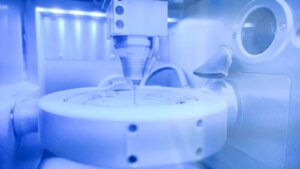
Choosing the right ceramic material for CNC machining requires considering several important factors:
- Thermal Conductivity: The ability of a ceramic to dissipate heat efficiently is crucial, especially when machining parts that are exposed to high temperatures. For example, materials like aluminum nitride are known for excellent thermal conductivity.
- Wear Resistance: Ceramics with high wear resistance extend the life of parts in abrasive environments. Silicon carbide is a popular choice for parts that experience significant wear.
- Toughness: This refers to how well a ceramic can resist fracture under stress. Zirconia is valued for its toughness, making it ideal for applications that require strength under mechanical pressure.
- Precision and Surface Finish Requirements: Some ceramics are better suited for producing high-precision parts with smooth surface finishes. Materials like glass ceramics are preferred in industries where fine detailing and smooth surfaces are essential.
- Electrical Insulation: Ceramics such as boron nitride provide excellent electrical insulation properties, making them ideal for electrical components and insulation in electronic devices.
- Corrosion Resistance: Some ceramics offer superior resistance to corrosion, making them perfect for applications in harsh chemical environments. Silicon carbide, for example, is used for its resistance to acids and alkalis.
- Machinability: Not all ceramics are easy to machine. Some materials, such as Mycalex and Macor, are known for being easier to machine due to their lower hardness and better machinability compared to tougher ceramics like zirconia.
What are the Applications of Ceramic CNC Machining?
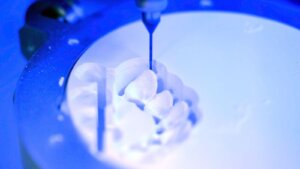
Ceramic CNC machining plays an essential role across various industries due to the material’s unique properties like wear resistance, high temperature tolerance, and electrical insulation. Its applications are broad, offering precise machining for products used in challenging environments. Some of the industries and products that rely on ceramic CNC machining include;
- Aerospace Industry: Ceramic parts are used for components exposed to high temperatures and wear in jet engines and other aerospace applications.
- Medical Devices: CNC-machined ceramics like zirconia are used to make components for implants, dental products, and prosthetics.
- Electronics: High-purity ceramics are used in semiconductors, insulators, and components where electrical insulation and thermal management are critical.
- Automotive: Ceramic parts such as heat exchangers and sensors are widely used in engines and electrical systems.
- Defense Industry: CNC-machined ceramics are used for armor and other defense components that require high resistance to wear and impact.
- Energy: Ceramic materials are used in power generation equipment, particularly in gas turbines and renewable energy applications like wind turbines.
- Chemical Processing: Due to their corrosion resistance, ceramic parts are used in pumps, valves, and chemical reactors.
- Telecommunications: Ceramics are ideal for producing components such as waveguides and insulators in high-frequency devices.
What Are Some Common CNC Machining Ceramic Problems?
CNC machining ceramics presents several challenges due to the unique properties of ceramic materials. Below are some common issues faced during ceramic CNC machining and practical ways to address them.
High Brittleness of Ceramics
Ceramics are inherently brittle, which makes them prone to breaking or cracking under sudden forces, vibrations, or machining flaws. This can result in production delays, increased scrap, and higher costs.
Solutions:
- Improve Material Quality: Ensure that the ceramic material used is of high quality, with minimal porosity. This can be achieved by using optimized sintering processes and controlling additive composition.
- Optimize CNC Machining Process: Adjust tool paths, speeds, and monitor cutting forces to reduce vibrations. This helps to stabilize the workpiece and prevent breakage.
- Tool Design: Use tools made from materials like diamond or cubic boron nitride (CBN). These tools offer better wear resistance and lower friction, reducing the chances of ceramic failure during machining.
Difficulty in Shaping Complex Designs
Ceramics’ high hardness makes it challenging to machine complex designs, especially those with fragile features and intricate details. This often leads to difficulty in achieving desired shapes and precision.
Solutions:
- CAD Software for Design Precision: Utilize advanced 3D modeling software for accurate CNC machining path optimization, ensuring precise cuts.
- Diamond Tooling: Use diamond-coated tools, which provide better heat management and allow for precision when machining intricate designs.
- Multi-Axis CNC Machines: These machines enable machining from multiple angles, improving both accuracy and surface finish in complex parts.
Tool Wear
The hardness and abrasiveness of ceramic materials cause rapid tool wear, increasing machining costs and reducing the accuracy of the machined parts.
Solutions:
- High-Quality Cutting Tools: Use wear-resistant tools specifically designed for machining ceramics. These tools last longer and maintain better accuracy during the process.
- Tool Coatings: Apply diamond-like carbon (DLC) coatings or other protective layers to cutting tools. These coatings increase tool durability and reduce wear from abrasive ceramic surfaces.
- Cooling and Lubrication: Use high-temperature coolants or lubricants to reduce tool adhesion and prevent excessive tool wear. Cooling also helps to manage heat generated during machining.
- Optimize Cutting Conditions: Adjusting cutting speeds and feed rates can significantly reduce tool stress, leading to longer tool life and improved machining results.
SHBD Metal Tips for Successful Ceramic CNC Machining
Here are our top tips for successful ceramic CNC machining, with a focus on material selection and machining methods.
Material Selection and Machining Method
Selecting the right material and machining method is crucial for achieving the best results in ceramic CNC machining. Different types of ceramics, such as zirconia and mullite, have unique properties that influence machining techniques. Understanding these differences is key to selecting the right process for your needs.
- Material Selection: Ceramics come in a wide variety of types, each suited to different applications. Zirconia, for instance, is favored for its toughness and resistance to wear, making it ideal for parts subjected to high-stress environments. Mullite, on the other hand, is known for its thermal stability and is often used in high-temperature applications. When selecting a ceramic material, you should consider its specific properties, including thermal conductivity, wear resistance, and brittleness.
- Machining Method for Zirconia vs. Mullite:
- Zirconia: Due to its high toughness and density, zirconia requires the use of diamond tools or cubic boron nitride (CBN) cutting tools. These tools help reduce tool wear and ensure precision during the machining process. Zirconia’s hardness can also necessitate slower spindle speeds to avoid chipping and cracks.
- Mullite: Mullite is easier to machine compared to zirconia because of its lower hardness, but it still requires careful handling to prevent cracks. For mullite, traditional CNC milling can be employed with proper tooling, and cooling systems are essential to prevent thermal stress and cracking.
- Adjust Techniques Based on Material Properties: Once you’ve chosen the appropriate ceramic material, it’s important to adjust your CNC machining process accordingly. For instance, materials like silicon carbide, known for their high hardness, demand advanced machining methods like laser cutting or surface grinding. For softer ceramics like boron nitride, traditional CNC milling may suffice, but it’s critical to monitor cutting forces to prevent tool wear.
- Consult Suppliers and Industry Experts: Whether you’re working with silicon nitride, alumina ceramics, or another material, it’s helpful to consult your material suppliers or other business owners who work with similar ceramics. They can offer insights into the best machining methods, cutting tools, and surface finish requirements for specific materials. Their experience can guide you toward the right techniques and avoid costly mistakes in your machining process.
Design Considerations
Designing ceramic components for CNC machining comes with specific challenges due to the material’s brittleness.
Ceramics do not behave like metals or plastics, meaning that design strategies need to focus on reducing stress points and preventing fractures.
Below are twelve important design guidelines to follow for successful ceramic CNC machining:
- Avoid Pointy Edges, Especially Long Ones: Ceramics are prone to breakage, especially at sharp points and edges. Long pointy edges concentrate stress in small areas, making the ceramic more likely to crack under pressure or during machining operations. By rounding off edges and avoiding pointy designs, you minimize the risk of breakage and improve the strength of the part.
- Use Round Designs Instead of Oval Ones: Round shapes distribute stress more evenly across the surface compared to oval shapes. This is particularly important in ceramic machining, where even small flaws can lead to cracks or material failure. Round designs are more compatible with the physical properties of ceramic materials, ensuring better structural integrity.
- Avoid Sharp Corners and Edges: Sharp corners are weak points in any ceramic design. The sudden change in direction creates stress concentrations, leading to a higher likelihood of cracks. To prevent this, you should always use rounded corners or gentle curves where possible. This reduces the likelihood of stress concentration and makes the part more durable during both machining and use.
- Use Corner Pockets as Alternatives to Sharp Corners: If you need to create a pocket in the design, make sure to avoid sharp 90-degree corners. Instead, use rounded pockets or filleted corners. This design choice prevents fractures by reducing stress buildup, which can lead to failure during the machining process or in the final product.
- Ensure Holes Are Not Too Close to Each Other: When drilling holes into ceramic parts, spacing is crucial. If holes are drilled too close together, it weakens the structure between them. This can lead to cracking or breakage during machining. To avoid this, make sure that there is adequate space between holes to maintain the structural strength of the material.
- Use Simple Wall Designs Instead of Complex Shapes: While complex shapes may seem appealing, they increase the risk of breakage in ceramic materials. Simple, uniform wall designs reduce stress concentrations and make the machining process smoother. Avoid intricate geometries that could compromise the material’s structural integrity.
- Avoid Sudden Changes in Cross-Section: Abrupt changes in cross-section lead to stress concentrations in the ceramic. These areas are prone to breaking during machining or when the part is in use. To prevent this, you should ensure that transitions between different sections of your design are gradual and smooth, reducing the risk of fractures.
- Convert Tensile Stress to Compressive Stress: Ceramic materials perform better under compressive stress compared to tensile stress. Whenever possible, design the part in a way that converts tensile stress (which ceramics handle poorly) into compressive stress. This improves the part’s ability to absorb and withstand mechanical forces.
- Use Diamond Tools: Diamond tools are ideal for ceramic machining due to their wear resistance and sharpness. Ceramics, being hard and brittle, require cutting tools that can maintain a fine edge and withstand prolonged use without dulling. Diamond tools come in various shapes, such as round and square, making them suitable for a wide range of machining operations.
- Use a Light Touch During Machining: Since ceramics are brittle, applying too much force during machining can cause cracking. It’s essential to use a light touch and remove material gradually rather than in large amounts. This approach prevents damage to the material and results in a smoother surface finish.
- Use a High Spindle Speed: High spindle speeds are beneficial for ceramic CNC machining because they reduce the heat generated at the cutting point. Excessive heat can cause cracking or chipping, especially with ceramics. A faster spindle speed allows for smoother cuts, reduces tool wear, and enhances the surface finish of the machined part.
- Apply Adequate Coolant: Maintaining a cool temperature during ceramic machining is critical to avoid heat-related damage. Coolant not only helps keep the temperature low but also removes chips and debris from the cutting area. This reduces the chance of scratches or other surface defects, ensuring a high-quality surface finish.
How to Choose the Right Ceramic CNC Machining Service?
When it comes to selecting the right provider of machining ceramic services, several factors should be considered, including the equipment used, the service provider’s expertise, and the quality assurance measures in place.
- Equipment: The type of equipment used plays a major role in the quality of ceramic machining. Ensure that the machining service has advanced CNC machines specifically designed for handling ceramics, such as HAAS CNC mills and lathes, which are capable of achieving tight tolerances. Modern machines also provide better control over spindle speed, wear resistance, and surface finish.
- Expertise: It is important to choose a service provider with extensive experience in ceramic CNC machining. Working with engineers who have deep knowledge of machining ceramics ensures your project will benefit from their understanding of materials like silicon carbide, aluminum nitride, and boron nitride, along with their ability to handle complex designs with high precision.
- Quality Assurance: The machining process should include stringent quality assurance measures. Look for services that use tools like Hexagon CMMs (Coordinate Measuring Machines) and Olympus XRF analyzers to verify that parts are made to the correct dimensions and material specifications. Precision is critical, especially for industries like aerospace and defense that rely on tight tolerances.
- Capabilities: A comprehensive machining service should offer a range of solutions, from prototyping to low-volume and production machining. Fast turnaround times and flexibility in manufacturing are added benefits, especially when you need parts quickly.
- Tolerance Levels: High-quality machining services must offer tight tolerances. For ceramic CNC machining, tolerances as tight as ±0.01 mm are essential for achieving accurate dimensions and high surface finish quality. Ensure the service provider can meet these tolerances to prevent issues during the final application of the ceramic parts.
Why Choose SHBD Metal?
SHBD Metal is a trusted provider of custom CNC machining services, offering precision and reliability in every project. With advanced in-house equipment like HAAS CNC mills and lathes, Hexagon CMMs, and Olympus XRF analyzers, SHBD Metal ensures that your CNC parts are produced with the correct material and to exact dimensions. The company’s experienced engineers have deep expertise across various industries, making them a reliable choice for both prototyping and production machining.
SHBD Metal guarantees fast turnaround times, with the ability to deliver parts in as little as 5 days. This quick delivery is made possible by their in-house capabilities and qualified manufacturing network. Whether you need prototype machining or full-scale production, SHBD Metal offers services tailored to your specific project needs.
To build a ceramics prototype or product, get in touch with SHBD Metal for a free quote. or check our CNC machining services page. We’ll gladly offer advice about your best options.
Conclusion
Choosing the right ceramic CNC machining service is crucial for ensuring the highest quality and performance of your parts. It’s essential to assess the provider’s expertise and dedication to quality assurance before entrusting them with your project. Companies like SHBD Metal, with advanced technology and a team of skilled engineers, deliver the precision and efficiency required to achieve successful results in ceramic CNC machining projects.
Frequently Asked Questions
1. Why are Ceramics Difficult to Machine?
Ceramics are difficult to machine because they are extremely hard and brittle, which makes them prone to cracking or breaking during the machining process. This brittleness, combined with their hardness, requires specialized CNC machining techniques, cutting tools like diamond tools, and careful control over spindle speeds to achieve the desired surface finish and precision.
Comment
0 comments
Got thoughts or experiences to share? We’d love to hear from you!