

Understanding the types of CNC machining tools is the foundation for achieving precise and reliable results. These tools play a crucial role in modern manufacturing, offering a level of accuracy and efficiency that traditional methods simply can’t match.
Powered by computer numerical control (CNC) systems, they are designed to cut, shape, and form a wide range of materials with exceptional precision. Whether you’re working on aerospace components or straightforward metal parts, the right CNC machining tools make all the difference. This guide will walk you through the various types of CNC tools and their functions, helping you make the best choice for any application.
What is a CNC Machining Tool?
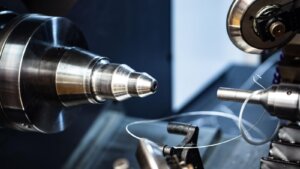
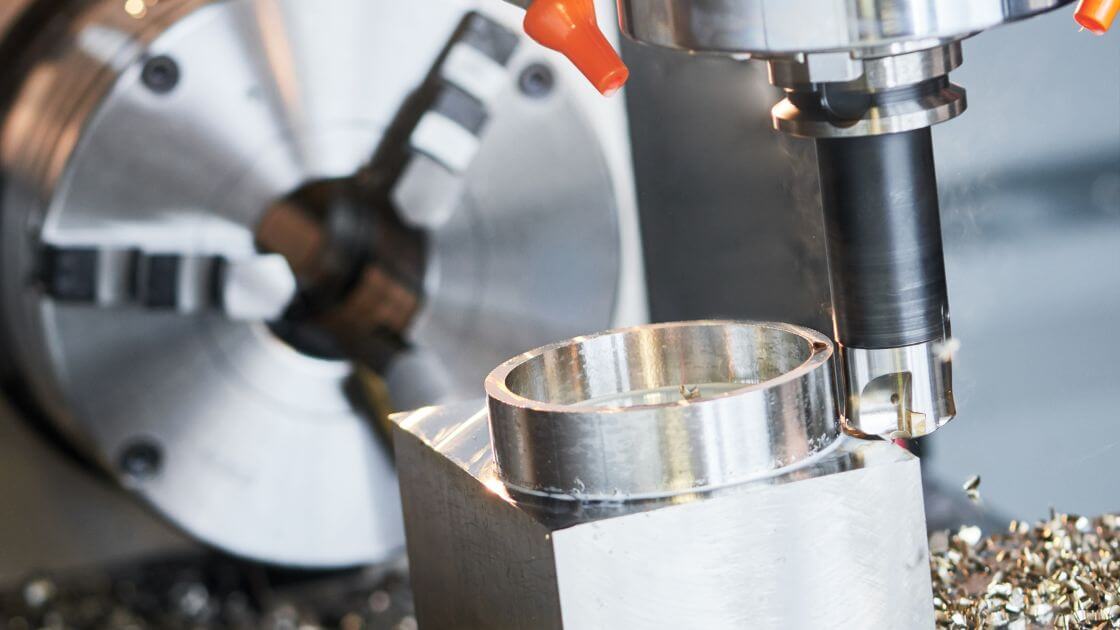
A CNC machining tool is a device used to remove material from a solid block, or workpiece, through a process known as shear deformation. These tools are attached to the spindle of a CNC machine, which precisely controls their movements according to pre-programmed computer instructions. This technology allows for the creation of intricate shapes, detailed designs, and consistent results that would be difficult to achieve manually.
The primary role of cutting tools in CNC machines is to remove material from the workpiece, forming chips in the process. Depending on the type of tool, this can happen in various ways. For example, some tools make contact at a single point, while others, like end mills, interact with the material at multiple points.
Most CNC cutting tools have features known as flutes, which are helical grooves running along the exterior of the tool. These flutes help guide chips away from the workpiece, ensuring a smooth operation and preventing clogging. The ideal number of flutes depends on the material being cut. For instance, a tool with fewer flutes works best for softer materials as it allows larger chips to escape. Conversely, tools with more flutes are better suited for harder materials, though they may face issues with chip removal.
What Are Common CNC Machining Tools?
CNC (Computer Numerical Control) machining tools are vital for various manufacturing processes, enabling precise and efficient material removal from workpieces. Understanding the different types of CNC machining tools, their functions, and applications is essential for machinists and manufacturing professionals to optimize production and ensure quality results.
CNC machining encompasses several processes, each requiring specific tools:
- Milling: Tools such as end mills, face mills, ball nose mills, and slab mills are commonly used for cutting, shaping, and contouring materials.
- Turning (Lathe Work): Turning tools include cutting inserts, boring bars, and threading tools, essential for shaping cylindrical parts.
- Drilling: Various drill bits, such as twist drills and ejector drills, are used for creating holes.
- Grinding: Abrasive wheels and grinding bits are applied for surface finishing and precision shaping.
- Cutting: Specialized tools like fly cutters and slitting saws are used for specific cutting applications.
Let’s take a closer look at some of these tools and their primary functions.
Drill Bits
Drill bits are essential cutting tools used in CNC machines for drilling operations. They feature one or more flutes with a conical cutting point, allowing them to create holes of various sizes and depths in a workpiece. The flutes channel the chips away, preventing blockages and ensuring a smooth drilling process.
CNC machines use different types of drill bits, including:
- Twist Drill: This is the most common type, designed for general-purpose hole-making. Twist drills can quickly and accurately create standard holes in a variety of materials, from metal to plastic.
- Center Drill: Ideal for precise hole placement, center drills are used to start holes accurately, reducing the risk of the drill bit wandering.
- Ejector Drill: These are designed for deep hole drilling. The design allows for efficient chip removal, which is essential when creating deeper cuts.
End Mill
The end mill is a versatile and widely used tool in CNC milling, especially for vertical machining centers. It has cutting teeth at both the end and along the sides, allowing it to cut and shape materials effectively. End mills can remove significant amounts of material quickly, making them suitable for a range of machining tasks, from basic cutting to more intricate operations.
End mills come in different forms, each suited to specific tasks:
- Flat End Mill: This general-purpose tool has a flat cutting face, perfect for creating sharp, 2D features, slots, and edges on the workpiece.
- Ball Nose End Mill: Characterized by its rounded, ball-shaped end, this tool is ideal for creating 3D contours, curves, and smooth finishing on surfaces.
- Bull Nose End Mill: With a flat bottom and slightly rounded edges, the bull nose end mill is effective for roughing operations, providing a balance between flat and contoured cutting.
Roughing End Mill
A roughing end mill is a specialized type of end mill designed for the rapid removal of material. It is characterized by its serrated, or wavy, cutting edges, which allow it to cut larger chips from the workpiece. This design reduces cutting force and minimizes heat generation, making it suitable for high-speed operations. Roughing end mills are often used in the early stages of machining, where the goal is to remove as much material as possible quickly, rather than achieve a smooth finish.
These tools are particularly effective in handling tougher materials like steel, cast iron, and other alloys. However, they leave a rougher surface compared to standard end mills, which means a finishing pass with a smoother tool is typically required to achieve the desired surface finish. Available in various sizes and flute configurations, roughing end mills are versatile and can be tailored to specific machining tasks, from heavy-duty roughing to semi-finishing operations.
Face Mill
A face mill is a cutting tool designed to make flat surfaces on a workpiece. It consists of a solid body equipped with multiple interchangeable cutter inserts, usually made from carbide. The cutting edges are located on the side of the tool, which means that face mills operate horizontally on the workpiece. This design makes them ideal for quickly removing material from broad, flat areas.
Face mills are especially useful when creating flat sections before more detailed machining steps. The replaceable inserts make them cost-effective, as you can swap out the worn inserts without needing to replace the entire tool. This flexibility also allows for adjustments in cutting profiles, enhancing the tool’s versatility. Face mills are used in industries such as aerospace, automotive, and general manufacturing where smooth, flat surfaces are crucial.
Ball End Mill
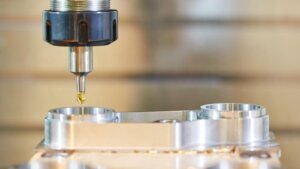
A ball end mill is a type of end mill that has a rounded, ball-shaped cutting end. This design makes it perfect for creating 3D contours and curves, enabling machinists to add intricate, smooth details to a workpiece. Unlike flat or bull nose end mills, the ball end mill is particularly suited for projects that require precision in sculpted or rounded designs.
Ball end mills come in various sizes, with different numbers of flutes, allowing for flexibility in cutting. They are often used in CNC milling to craft molds, dies, and complex parts in industries such as mold making, automotive, and aerospace. The rounded tip makes the ball end mill ideal for reducing tool marks on contoured surfaces, ensuring a smoother finish on 3D features.
External Round Mill
An external round mill, also known as an external milling cutter, is used to machine the outer circumference of cylindrical workpieces. It operates by rotating around its axis, with cutting edges on its periphery that engage with the material to create a smooth, rounded surface. External round mills are essential in operations where you need to shape the outside of shafts, rods, and other cylindrical parts.
This tool is commonly utilized in the automotive and aerospace industries to produce components that require precision outer diameters. External round mills are efficient at material removal while maintaining surface finish quality, making them ideal for high-speed machining operations on various metals, including steel and aluminum.
Countersink Mill
A countersink mill is a tool designed to create a conical hole that allows screws or bolts to sit flush with or below the workpiece’s surface. It has a cone-shaped tip with cutting edges that gradually expand outward, allowing it to carve out precise, angled depressions. Countersink mills are essential when the goal is to prevent fasteners from protruding, ensuring a sleek and flat surface finish.
These tools are used across multiple sectors, from electronics to construction, where assemblies need a smooth, flush appearance. They come in various angles to match different screw head designs, making them versatile for different applications. For machinists, having a reliable countersink mill streamlines the process of preparing holes, ensuring that parts can be assembled without interference or rough edges.
Thread Cutting Mill
A thread cutting mill is designed to produce threads on the internal or external surfaces of a workpiece. Unlike taps, which are used only for internal threads, this cutting tool is more versatile and can create threads on various diameters and surfaces. It operates by using multiple cutting edges along its body, forming threads as it rotates and moves through the workpiece material.
Thread cutting mills are commonly used in CNC machines for creating threaded holes or external threads on cylindrical parts. They provide the advantage of faster machining and greater flexibility compared to traditional tapping tools, especially when working on metals like steel or aluminum.
T-Shape Mill
A T-shape mill, also referred to as a T-slot cutter, is used for machining T-shaped slots into a workpiece. These slots are critical for parts that need to accommodate bolts or other fastening components. The tool has a unique design with a narrow neck and wider cutting edges at the base, resembling the shape of a “T.”
The primary function of T-shape mills is to cut slots that enable components to interlock, making them common in machining fixtures and assembly setups. They are favored for their efficiency in producing precise slots without requiring multiple passes. T-shape mills can be found in a range of CNC milling machines and are effective in cutting through metals like carbon steel, brass, and aluminum.
Reamers
Reamers are CNC tools designed to refine and expand existing holes in a workpiece, providing a more precise diameter and superior surface finish than other cutting tools. They work by removing a small amount of material from the inner wall of the pre-drilled hole, creating a smoother, more accurate fit.
Reamers are often used in applications where exact tolerances are essential, such as in the aerospace and automotive industries. Unlike standard drill bits, which create rougher finishes, reamers ensure high precision, making them perfect for parts that require tight tolerances. These tools are available in various designs, including straight-flute and spiral-flute, to accommodate different materials and machining needs.
Gear Cutters
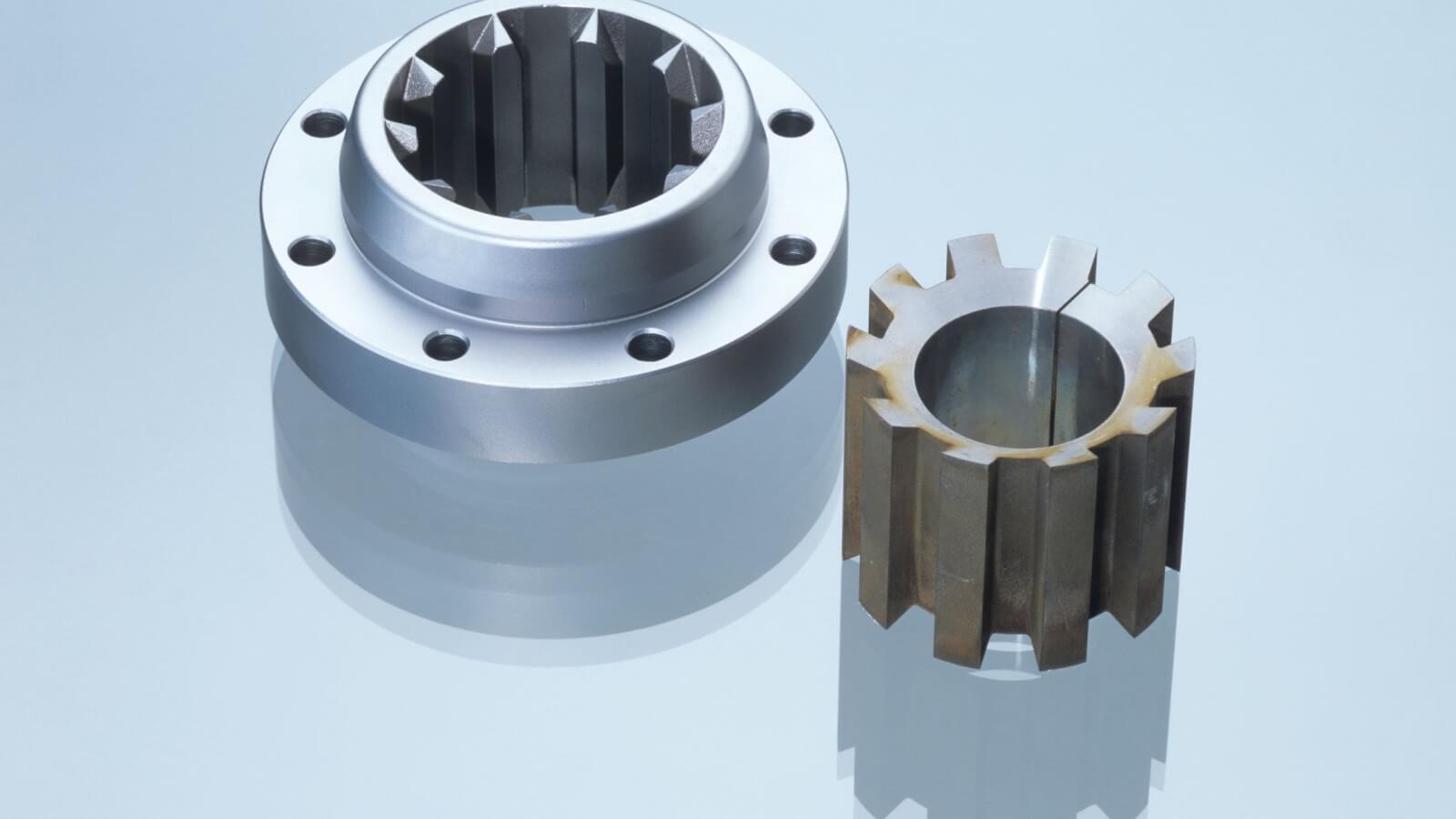
Gear cutters are specialized CNC tools used to machine gears with specific shapes and dimensions, such as spur gears or helical gears. These tools are essential for producing gear components that transmit motion in mechanical systems. Gear cutting can be done using standard CNC milling machines or a dedicated hobbing machine, which is specifically designed to cut gears with precision.
The process involves removing material from a metal blank to create the desired gear teeth. Precision is crucial in gear manufacturing, as the gear’s shape and pitch determine how effectively it meshes with other gears. Common applications for gear cutters include manufacturing automotive and industrial machinery parts where durability and accuracy are critical.
Hollow Mill
A hollow mill is a unique cutting tool with an inside cutting edge, making it look like an inverted end mill. It has a pipe-like shape with cutting teeth on the interior, which allows it to shape the outer diameter of a workpiece. Unlike typical end mills that cut on their exterior, hollow mills can be used to create precise contours, such as full points and radii, making them useful for CNC turning tools and milling operations.
These tools are often applied in situations where consistent diameters or shapes are necessary across multiple parts, including machining processes for automotive components. Their design makes them ideal for smooth, repetitive cuts, ensuring an even and accurate finish.
Thread Mill
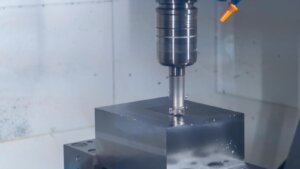
Thread mills are used in CNC machines to cut threads on the inside or outside of a hole, offering an alternative to traditional tapping. Unlike taps, thread mills can create threads in both hard and soft materials, making them more versatile. The cutting edges move in a spiral pattern, forming the thread while maintaining accuracy even with asymmetrical or tough materials.
This tool is often preferred in cases where the workpiece material is challenging to tap, such as harder metals or when the thread size is too large. Thread mills are also efficient for creating threads in parts where precise alignment and surface finish are critical, such as in aerospace components and custom manufacturing projects.
Slab Mill
A slab mill, also known as a plain milling cutter, is designed to cut flat surfaces parallel to the machine table. Unlike other types of CNC milling tools, slab mills do not have side teeth, which means their cutting edges are focused on the cylindrical surface. This makes them ideal for machining wide, flat sections on the workpiece efficiently.
These tools are commonly used for heavy-duty machining processes where large material removal is needed. With their robust design, slab mills handle rough machining tasks, especially on materials like carbon steel, cast iron, and other metals. For many, they serve as an essential tool in CNC milling operations, providing reliable and smooth surface finishes.
Fly Cutter
Fly cutters are unique tools designed for CNC machining, consisting of a solid body that holds one or two cutting tool bits. These bits make broad, shallow cuts, ideal for creating smooth, flat surfaces. Fly cutters are often seen as a cost-effective alternative to face mills, delivering similar surface finishes without the higher expense.
While most fly cutters come with a single tool bit, some have two, known as “fly bars,” which provide a wider cutting range. They are perfect for finishing tasks where achieving a polished, uniform surface is essential, especially in aerospace components and other precision parts.
Side-and-Face Cutter
Side-and-face cutters are designed with teeth both on their sides and around their circumference. This setup allows them to perform unbalanced cuts, making them ideal for cutting slots, grooves, and even keyways on a workpiece. Depending on the machining requirements, their teeth can be straight or staggered to manage different feed rates and precision levels.
These cutters are often used in CNC milling machines where precise and fast cuts are necessary. The combination of side and circumferential cutting edges offers enhanced control over the cutting process, ensuring a smooth finish on complex shapes.
What Tools Are Used in CNC Milling?
CNC milling relies on a variety of tools to perform different operations, and the choice of tool significantly impacts the machining process. Here are some common tools used in SHBD Metal CNC milling services:
- End Mills: Essential for creating detailed cuts, grooves, and cavities.
- Face Mills: Used for flattening surfaces with precision, often in the initial stages of machining.
- Fly Cutters: Cost-effective alternatives to face mills for achieving smooth, broad cuts.
- Ball End Mills: Ideal for creating contoured surfaces and 3D shapes.
- Thread Mills: Employed for cutting internal and external threads on complex parts.
- Slab Mills: Great for removing large volumes of material quickly.
What Tools Are Used in CNC Turning (Lathe)
CNC turning, often performed on lathes, requires specialized tools to shape and refine materials. Turning tools are used to remove material from the workpiece as it rotates on the lathe. Key tools in this category include:
- Turning Inserts: These carbide or high-speed steel inserts are placed on the tool holder, responsible for cutting and shaping the material. Their design allows for high-speed machining, making them efficient for large production volumes.
- Boring Bars: Used to enlarge or smooth out existing holes, ensuring precise diameters and finishes.
- Grooving Tools: Ideal for creating specific slots or grooves on a workpiece, allowing for intricate design patterns.
- Parting Tools: These tools are utilized to cut off or separate a finished part from the remaining material.
Types of CNC Cutting Tools
CNC machining employs a variety of cutting tools tailored to different machining tasks. These tools are classified based on their function, design, and the type of material they are used on. Some common types of CNC cutting tools include:
- End Mills: Used for creating complex shapes, grooves, and cavities, they can cut horizontally or vertically, making them versatile for multiple applications.
- Face Mills: Ideal for surface flattening, face mills produce a smooth finish, often used at the start of machining to prepare surfaces.
- Drill Bits: Essential for hole drilling, they vary in size, length, and material to suit various workpiece materials, from metal to plastic.
- Thread Mills: Designed for creating internal and external threads, especially on tougher materials where taps may not be effective.
- Fly Cutters: These provide a broad, smooth surface finish and are often a cost-effective alternative to face mills.
- Chamfering Tools: Used for creating angled cuts or edges, perfect for tasks that require beveled or deburred edges.
What Tools Are Used in CNC Drilling?
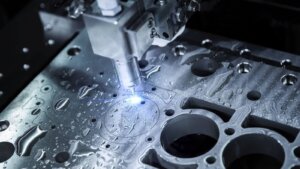
CNC drilling tools are essential for creating precise, clean holes in a workpiece. The most common tools in this category are:
- Twist Drills: These are the standard for most drilling tasks, featuring a helical design that allows efficient chip removal. Made from high-speed steel or carbide, they provide durability and accuracy across different materials.
- Ejector Drills: Designed for deeper holes, ejector drills have a cooling mechanism to prevent overheating and ensure a consistent feed rate.
- Center Drill Bits: Used to create a small starting point for more accurate hole drilling, preventing the main drill bit from wandering.
- Step Drills: Useful for drilling holes of varying diameters, step drills allow machinists to create multiple sizes without changing tools.
What Tools Are Used in CNC Grinding?
CNC grinding tools are designed to refine surfaces, improve finishes, and achieve precise shapes. These tools often come into play when parts need to meet exact tolerances and high-quality finishes. Common tools include:
- Grinding Wheels: These are the primary tools for grinding, made from abrasive materials like aluminum oxide or diamond. They come in various shapes and sizes to suit different applications, from surface grinding to cylindrical grinding.
- Diamond Tools: Ideal for grinding hard materials like ceramics and composites, diamond tools offer long-lasting performance and high precision.
- Deburring Tools: After grinding, parts may need deburring to remove any remaining sharp edges. Deburring tools ensure smooth finishes and improve the part’s safety and appearance.
- Flap Discs: Used for polishing and finishing, flap discs provide a smoother finish than standard grinding wheels, ideal for preparing surfaces before further machining.
What Tools Are Used in CNC Routing?
CNC routing tools are designed to cut and shape materials like wood, plastic, and aluminum. These machines rely on a variety of cutting tools to handle intricate designs and patterns efficiently. Common tools include:
- End Mills: These are versatile and can cut through various materials, ideal for detailed routing tasks. With multiple cutting edges, they ensure smooth cuts and are often used to produce complex 3D shapes.
- Ball Nose Cutters: Essential for producing curved surfaces and contours, ball nose cutters are perfect for intricate designs. They provide a rounded finish and are effective in applications that need a detailed, clean result.
- Straight Bits: Typically used for creating clean, straight cuts in wood and plastic, these bits handle tasks like edge trimming, slotting, and grooving.
- Fly Cutters: Useful for surfacing large areas, fly cutters offer a smoother finish compared to face mills. They are less expensive and suitable for larger, flat surfaces.
What Tools Are Used in CNC Electrical Discharge Machining (EDM)?
CNC EDM tools are designed for precision work, especially with hard metals that are difficult to machine using traditional methods. EDM tools utilize electrical discharges (sparks) to erode the material, creating accurate shapes and patterns. Key tools include:
- Wire EDM: This uses a thin wire as the electrode to cut intricate shapes in the workpiece. Ideal for making dies, molds, and components with tight tolerances, it allows for precision without applying physical force on the material.
- Sinker EDM: Also known as ram EDM, this method involves an electrode shaped like the final product to “sink” into the workpiece. It’s particularly effective for creating cavities, such as molds and complex shapes, in hard materials.
- Small Hole Drilling EDM: This is used to drill tiny, precise holes in materials like hardened steel or carbide. It’s essential when high accuracy is needed in applications like aerospace and medical devices.
What Tools Are Used in CNC Laser Cutting?
CNC laser cutting tools utilize a high-powered laser beam to cut through materials. These tools are highly accurate, making them suitable for intricate designs, fine edges, and detailed patterns. The key tools include:
- Laser Nozzles: These direct the laser beam onto the workpiece. Different nozzle designs control the beam’s width and intensity, affecting how deep and precise the cuts are. Laser nozzles can handle a range of materials, from metal to plastic.
- Assist Gas Systems: Often paired with the laser, assist gases like oxygen or nitrogen help remove molten material, resulting in a cleaner cut. The choice of gas affects the cutting speed and finish quality, especially for metals.
- Beam Delivery System: This guides the laser beam from the source to the work area. It ensures that the beam remains focused and consistent, which is critical for achieving uniform cuts, especially when working with thin materials or intricate patterns.
What Tools Are Used in CNC Plasma Cutting?
CNC plasma cutting tools employ a jet of ionized gas (plasma) to cut through electrically conductive materials. Plasma cutters are powerful and efficient, making them ideal for thicker metals. Common tools include:
- Plasma Torches: These tools direct the high-temperature plasma stream onto the metal workpiece. The torch can cut through thick materials like carbon steel, aluminum, and stainless steel quickly and accurately. Plasma torches are designed for durability, ensuring consistent performance over long periods.
- Electrodes and Nozzles: These components are crucial in focusing the plasma arc. They play a key role in determining the cut quality. The electrode provides the initial spark, while the nozzle shapes the plasma stream for precise cutting.
- Cooling Systems: Plasma cutting generates a lot of heat, so cooling systems are essential to maintain tool performance and prevent overheating. They ensure that the components last longer and can handle extended periods of operation.
What Tools Are Used in CNC Water Jet Cutting?
CNC water jet cutting tools utilize a high-pressure stream of water, sometimes mixed with abrasive materials, to cut through a range of materials. The essential tools include:
- Water Jet Nozzles: The nozzle directs the high-speed water stream onto the workpiece. Depending on the application, the water jet can be pure (for softer materials like rubber or wood) or mixed with abrasive particles to cut harder materials, including metals. The nozzle design affects the precision and cutting edge quality, ensuring clean and accurate cuts.
- High-Pressure Pumps: These pumps generate the necessary pressure (up to 60,000 psi) to force water through the nozzle. The strength of the pump determines the cutting speed and ability to handle different types of raw material. Reliable pumps are crucial for maintaining consistent cuts, especially in manufacturing processes requiring tight tolerances.
- Abrasive Feed System: When cutting hard materials like carbon steel or titanium, the water jet system uses an abrasive feeder. This system introduces materials such as garnet into the water stream, which improves the cutting capability by grinding through the workpiece. It is essential for applications where a clean and precise finish is required.
What Tools Are Used in CNC Broaching?

CNC broaching involves using a toothed tool to remove material and shape workpieces. The tool is called a broach, and it can be used for internal or external cutting. Broaching is highly efficient for machining parts that need precise grooves, splines, or even complex forms.
- Broach Tool: The broach itself has a series of progressively larger teeth, which remove material in stages. The design allows for one-pass machining, providing a smooth surface finish. Broaches can be designed for specific tasks, from keyways to intricate internal shapes. This makes them versatile for various machining operations.
- Broaching Machine: This machine tool applies the broach to the workpiece with a controlled feed rate, ensuring that each tooth cuts the material evenly. Consistent feed and power are crucial for maintaining the broach’s lifespan and efficiency. CNC control systems can precisely manage the motion, improving the accuracy of the machining procedure.
- Fixtures and Holders: These components secure the workpiece during the broaching process. Proper positioning is necessary to maintain tolerances, especially when producing precision parts like gears or aerospace components. Fixtures must be designed to handle the specific dimensions and shapes of each project.
What Tools Are Used in CNC Hobbing?
CNC hobbing is a method primarily used to produce gears, splines, and sprockets. It relies on a hob, which is a cutting tool shaped like a cylindrical gear with helical teeth. The hob rotates in synchronization with the workpiece, creating precise gear teeth by removing material gradually. The design allows it to handle various gear types, including helical, spur, and worm gears.
- Hobs: Made from high-speed steel or carbide, these cutting tools are essential for generating gear teeth accurately. Different hobs are selected based on the gear’s specifications, such as pitch and shape. Their helical cutting edges ensure smooth, consistent cuts, minimizing tool wear.
- Hobbing Machines: These CNC machine tools control the hob and workpiece movement, maintaining alignment and feed rate. The precision of CNC control ensures consistency, making it easier to manufacture high-quality gears at scale. Advanced hobbing machines can handle different types of CNC machining tasks beyond gear production, increasing versatility.
- Fixtures and Holders: Keeping the workpiece steady is vital in hobbing. Specially designed fixtures hold the material in place, allowing for precise and repeated cuts. This helps maintain accuracy, especially for producing precision parts like automotive components.
What Tools Are Used in CNC Swiss Machining?
CNC Swiss machining, also known as Swiss turning, is a specialized process used to produce small, intricate parts. This method is highly efficient for creating precision components with tight tolerances, like those found in medical devices or electronics. Unlike conventional CNC lathes, Swiss machines keep the workpiece stationary while the cutting tool moves, allowing for very detailed and precise operations.
- Turning Tools: These tools are central to the Swiss machining process. Designed to cut and shape the material accurately, they’re capable of producing complex features on small parts. High-speed steel or carbide cutting tools are commonly used to ensure durability and precision. The selection of turning tools depends on the required surface finish and material properties of the workpiece.
- Guide Bushings: A guide bushing supports the workpiece close to the cutting area. This minimizes deflection, which is especially important when dealing with long, slender components. Maintaining accuracy is easier with this setup, as the part remains stable throughout the machining process.
- Live Tools: These tools allow CNC Swiss machines to perform milling, drilling, and other machining procedures without transferring the part to another machine. Equipped with their own rotation mechanisms, live tools can create features such as grooves, holes, or even threading, enhancing the machine’s flexibility.
What Tools Are Used in CNC Lapping?
CNC lapping is a precision process used to achieve ultra-smooth surfaces and tight tolerances. It is commonly used for parts that require a fine finish, like valve seats, optical components, and aerospace components. Unlike other CNC machining processes, lapping is less about cutting material away and more about polishing and refining the surface.
- Lapping Plates: The main tool in CNC lapping is the lapping plate, which is typically made from cast iron or other durable materials. These plates are embedded with abrasives that help wear down the workpiece surface gently, smoothing out any imperfections. Different plates are selected based on the material type and desired finish, such as aluminum, carbon steel, or even harder metals.
- Abrasive Compounds: These compounds play a key role by acting as the cutting agent. The abrasives range in size from coarse to ultra-fine, allowing for different levels of material removal and finish. For more delicate applications, finer abrasives ensure that the workpiece is polished without introducing new scratches or flaws.
- Fixtures and Holders: To keep the workpiece steady during the lapping process, CNC machines use custom fixtures. These holders make sure that the material remains in contact with the lapping plate consistently, ensuring an even finish across the entire surface.
What Tools Are Used in CNC Electrochemical Machining (ECM)?
CNC electrochemical machining (ECM) is a unique process used for complex shapes that are difficult to machine using traditional cutting tools. It uses electrical currents to remove material from the workpiece, allowing for smooth surfaces and precise dimensions without mechanical contact. ECM is ideal for parts that require intricate shapes and complex geometries, like turbine blades or medical implants.
- Electrodes: In ECM, the electrode is the main tool. It is made from conductive materials, typically copper or graphite, and does not wear down during the machining process. The electrode’s shape is mirrored onto the workpiece, making it essential for creating detailed and precise parts. Unlike typical cutting tools, electrodes do not cut; they facilitate the chemical removal of material.
- Electrolyte Solution: The process relies on a continuous flow of electrolyte, which helps to carry away the material that is dissolved during machining. The selection of the electrolyte depends on the workpiece material. For instance, sodium nitrate solutions are often used for carbon steel. The flow rate and composition of the electrolyte are critical factors for controlling the finish and precision.
- Power Supply Units: Since ECM uses electrochemical reactions, a stable power supply is crucial. These units maintain the voltage and current needed to sustain the material removal process. The precision control of the electrical parameters directly affects the machining speed and the quality of the finish.
What Materials Are Used to Make CNC Tools?
CNC tools are crafted from a range of materials, each chosen for its specific properties that enhance performance, durability, and precision. Whether you are milling, drilling, or turning, selecting the right material for your cutting tools can significantly impact the machining process. Below, we’ll look at some of the common materials used for making CNC tools, focusing on their properties and applications.
Carbon Steel
Carbon steel is widely used for making CNC tools due to its affordability and ease of manufacturing. While it doesn’t match the durability of materials like carbide, it works well for lower-speed applications where tool wear is less of an issue. Carbon steel tools are often chosen for cutting softer materials such as wood, plastic, and aluminum. Its ability to withstand moderate stress and provide consistent performance makes it suitable for general-purpose tools like twist drills and reamers.
Carbide
Carbide is highly favored in CNC machining because of its hardness and resistance to wear. Unlike carbon steel, carbide can handle high-speed operations without losing its edge, which is essential for precision parts. This material is commonly used for cutting tools that need to maintain sharpness over extended periods, such as end mills, face mills, and inserts for turning tools. Additionally, the toughness of carbide allows it to machine hard metals with ease, making it a go-to for demanding tasks in industries like aerospace and automotive.
High-Speed Steel (HSS)
High-Speed Steel is a popular choice for CNC tools due to its combination of hardness and toughness. Unlike other metals, HSS can retain its cutting edge even at elevated temperatures, making it ideal for drilling, tapping, and milling. It’s often used when a tool needs to be resilient against high wear and moderate heat. HSS is also more affordable compared to carbides, which makes it suitable for general-purpose CNC machining, particularly in less abrasive materials.
Cemented Carbides
Cemented carbides are valued for their extreme hardness and wear resistance, which makes them suitable for high-speed machining. These tools can operate at significantly higher cutting speeds than HSS, enabling faster machining operations while maintaining precision. They are commonly found in CNC milling tools, face mills, and inserts used in turning machines. Cemented carbides are especially effective for machining hard metals and abrasive materials, providing an extended tool life and improved surface finish on the workpiece.
Cutting Ceramics
Cutting ceramics are ideal for CNC tools because of their remarkable heat resistance and hardness. Unlike metal-based tools, ceramics can withstand high temperatures without losing integrity, making them suitable for machining hard and abrasive materials. They are often used for high-speed cutting and finishing operations where precision is essential, such as turning and milling of cast iron and superalloys. These tools are typically applied when other cutting tools, like HSS or carbide, struggle with maintaining efficiency at higher speeds.
Ceramics
Ceramic materials in CNC tools provide excellent wear resistance and stability at elevated temperatures, which makes them effective for precision machining. They can maintain a sharp cutting edge, reducing the need for frequent tool changes, thus improving efficiency. Ceramic tools are used when working with hard-to-machine materials like superalloys, titanium, and hardened steels. Their ability to handle high-speed operations ensures a smooth surface finish on demanding workpieces, enhancing productivity in machining procedures.
Cubic Boron Nitride (CBN)
Cubic Boron Nitride (CBN) is highly suitable for making CNC tools because of its extreme hardness and excellent heat resistance. It is particularly effective when machining hardened ferrous metals, such as cast iron and steel. CBN maintains its cutting edge even at high temperatures, making it ideal for high-speed CNC turning and milling operations. Unlike other materials, CBN provides a precise finish on tough materials, ensuring longevity and consistent performance, which is crucial in industries that demand high precision, like aerospace and automotive components.
Polycrystalline Diamond (PCD)
Polycrystalline Diamond (PCD) is known for its superior hardness and wear resistance, making it a top choice for CNC cutting tools, especially when machining non-ferrous materials such as aluminum, plastics, and composites. PCD tools can maintain sharpness much longer than traditional materials, offering extended tool life and excellent surface finishes. Due to their ability to handle high-speed machining without losing efficiency, PCD tools are often used in applications that require smooth, precise cuts, particularly in industries like electronics and automotive manufacturing where precision parts are critical.
Coated Materials
Coated materials are commonly used in CNC machining because they increase the wear resistance and heat tolerance of cutting tools. Coatings like titanium nitride and chromium nitride are applied to tools such as end mills, drill bits, and face mills. These coatings reduce friction, which helps in high-speed machining and improves the surface finish of the workpiece. Coated tools are especially useful when working with tough or abrasive materials, as they prevent premature wear, making them ideal for production environments requiring precision and consistency across multiple operations.
What Are the Various Coatings for CNC Machining Tools?
Coatings play a vital role in enhancing the performance of CNC machining tools. They help improve wear resistance, heat tolerance, and overall tool lifespan. Different coatings are applied depending on the machining task, workpiece material, and required finish. Choosing the right coating ensures better performance, lower friction, and efficient cutting.
Titanium Nitride (TiN) Coated
Titanium Nitride (TiN) is a widely-used coating for CNC cutting tools because it offers increased hardness and excellent heat resistance. TiN coatings have a high oxidation temperature, allowing tools to maintain sharpness even at higher speeds. You’ll find this coating on drill bits, end mills, and other tools where durability is a priority. It also reduces friction, helping to achieve a smooth surface finish on workpieces. Overall, TiN-coated tools are suitable for a range of applications, including general-purpose machining and precision milling, especially when working with steel and other tough metals.
Titanium Carbonitride (TiCN) Coated
Titanium Carbonitride (TiCN) coatings are known for their added surface lubricity and improved hardness compared to standard TiN. This coating is especially effective when you need tools that can handle high-speed machining while maintaining wear resistance. TiCN-coated tools have a lower friction coefficient, which means less heat is generated during operations, resulting in longer tool life. Machinists often choose this coating for applications involving abrasive materials or when working with harder metals. It’s frequently used on milling cutters, slitting saws, and other CNC tools to ensure smooth and efficient cutting performance across different types of CNC operations.
Titanium Aluminum Nitride (TiAlN) Coated
Titanium Aluminum Nitride (TiAlN) is a robust coating known for its excellent heat resistance and hardness. It is especially useful when machining at high speeds, as it forms a heat-resistant barrier that helps dissipate heat away from the cutting edge. This coating also improves the tool’s lifespan by resisting oxidation and wear, making it ideal for demanding operations like milling and drilling. You will often see TiAlN coatings used in CNC milling tools, end mills, and face mills when machining materials like steel, cast iron, and other tough metals. Its ability to handle higher temperatures without losing efficiency makes it a reliable choice for CNC machine shops.
Super-life Titanium Nitride (Al-TiN)
Super-life Titanium Nitride (Al-TiN) adds another layer of heat resistance, particularly suited for carbide cutting tools. This coating is designed to improve performance when minimal coolant is used, allowing the tools to sustain high temperatures during cutting processes. Al-TiN provides a smooth, wear-resistant surface that reduces friction, extending the tool life and ensuring a consistent finish on precision parts. It is especially beneficial for applications requiring high-speed machining of hardened steels and other challenging materials. You’ll find Al-TiN coatings on tools like chamfering tools, drill bits, and milling cutters, where maintaining sharpness and stability is critical.
Chromium Nitride (CrN)
Chromium Nitride (CrN) is well-regarded for its corrosion resistance and added hardness, making it a reliable choice for CNC cutting tools. This coating reduces friction, allowing cutting edges to stay sharp longer, which is particularly useful when working with materials like aluminum and plastic that can cause tool wear over time. CrN coatings are also effective in environments where humidity or other corrosive factors are a concern. You will often find CrN on end mills, drill bits, and other CNC tools that require both durability and smooth, precise cuts, ensuring a consistent surface finish during operations.
Diamond Coated
Diamond coatings are designed for the most abrasive machining tasks. They provide superior wear resistance and hardness, which makes them ideal for cutting tough materials like graphite, carbon composites, and ceramics. The high-performance nature of diamond-coated tools means they are often used in industries like aerospace where precision parts are essential. Diamond coatings allow for efficient machining of abrasive materials without compromising tool life, which can be especially beneficial for long production runs. You’ll find these coatings on CNC tools such as end mills and drills where maintaining sharpness and minimizing tool wear is key.
How Do Coatings Enhance CNC Tool Performance?
Coatings on CNC machining tools play a critical role in boosting efficiency and durability. By forming a protective layer over cutting edges, coatings like Titanium Nitride, Chromium Nitride, and diamond coatings help tools withstand extreme conditions. This includes high temperatures, continuous wear, and friction against various workpiece materials.
For instance, coatings like Titanium Nitride (TiN) are known for their high-speed capabilities and wear resistance, making them ideal for operations in CNC machine shops. Meanwhile, Chromium Nitride (CrN) enhances corrosion resistance, which is useful for machining applications involving wet or corrosive environments. Diamond coatings, on the other hand, are applied to tools used for cutting abrasive materials, ensuring they maintain sharpness longer than uncoated tools.
By minimizing friction and heat, these coatings also improve the surface finish on materials, whether you are using face mills, end mills, or other cutting tools. They prevent premature wear, reducing the need for frequent tool changes, which in turn increases productivity.
How to Select the Right CNC Tool?
Choosing the correct CNC tool is essential for ensuring precision and efficiency in machining operations. The first thing you should consider is the type of material you are working with. For instance, materials like carbon steel or aluminum require different cutting tools and techniques. Next, think about the operation type—whether it’s milling, drilling, or turning. Tools such as end mills, thread mills, and face mills are each designed for specific tasks.
You also need to factor in the required cutting speed and feed rate. High-speed steel tools might work well for general machining, but carbide tools are better suited for high-speed operations. Your tool selection can also depend on the complexity of the part geometry and the required surface finish. For intricate shapes or 3D contours, ball nose end mills and fly cutters may be more appropriate.
Why Is Tool Selection Critical in CNC Machining?
Tool selection plays a vital role in CNC machining because it directly affects the quality, efficiency, and lifespan of both the tools and the machinery. If you use a tool not suited for the material or the operation, you risk compromising the surface finish, reducing cutting precision, and causing tool wear. For example, choosing a high-speed steel cutter for machining hard metals like titanium may lead to quicker tool degradation and frequent replacements.
Moreover, selecting the right tool helps in reducing cycle time. Efficient cutting tools like titanium nitride-coated drill bits allow for smoother machining, even at higher speeds. Similarly, coatings such as chromium nitride enhance wear resistance, extending the life of the tool. Using suitable CNC cutting tools ensures that the workpiece material is cut cleanly, with fewer burrs and better edges, which reduces the need for secondary finishing. This also means fewer interruptions during the manufacturing process, leading to better production rates.
What Are the Latest Advancements in CNC Tool Technology?
CNC tool technology has seen significant advancements, enhancing precision, efficiency, and adaptability. One major development is the integration of smart tooling systems, which use sensors to monitor wear, cutting speed, and feed rate. This data helps machinists make real-time adjustments, extending tool life and ensuring consistent quality. The emergence of advanced coatings, such as diamond-like carbon and titanium aluminum nitride, has also played a crucial role. These coatings improve wear resistance and heat dissipation, allowing for faster machining operations, especially when cutting harder workpiece materials.
Another breakthrough is in the development of multi-functional cutting tools. These tools can perform multiple operations—like milling, drilling, and chamfering—without needing to change out the tool, saving time during machining procedures. Hybrid CNC machines that combine additive manufacturing with traditional subtractive methods have further expanded the possibilities, offering more flexibility and precision in creating complex geometries. These innovations are redefining what CNC machining tools can achieve, bringing greater efficiency and productivity to manufacturing processes across industries, from aerospace components to precision parts for electronics.
Conclusion
This guide has offered valuable insights into selecting the right CNC tools, emphasizing why thoughtful tool choice is crucial for achieving precision and efficiency. With recent advancements in CNC technology, from smart sensors that monitor tool wear to innovative coatings that enhance durability, understanding these elements can significantly improve your machining processes. By staying up-to-date with the latest developments, like multi-functional tools that streamline operations, you can ensure your CNC machine shop maintains top performance. Always keep in mind the material, machining requirements, and desired surface finish to make informed decisions that lead to optimal results.
Comment
0 comments
Got thoughts or experiences to share? We’d love to hear from you!