

A perfectly machined enclosure can still cause headaches once it reaches the customer’s floor. A protective layer might hide a surface that was supposed to stay bare. Label printing can end up competing with openings or fasteners for the same patch of metal. A pre-installed fastener can make it impossible to reach the component beside it. Panels that satisfy every drawing dimension can refuse to line up when bolted together.
On the surface these read as finishing or assembly errors. In most cases, though, the real fault lies in how the project was planned.
Masking, coating, printing, hardware installation, inspection, and assembly are usually scheduled as the final acts of the production run. The truth is that each of them can reshape dimensions, feature placement, tolerances, access, materials, and the order of operations well before the first blank is cut.
The rule of thumb is easy to state: know what the finished enclosure looks like before you make any of its parts.
Fabrication Is Only the Beginning
Most electronics enclosures start life as sheet metal. Bodies, chassis, panels, covers, brackets, server-rack components, and industrial control panels can all come out of a fabrication shop.
Very few customers, however, order raw cut-and-formed metal. The delivered product usually includes welded joints, machined features, additively manufactured parts or fixtures, coatings, selective masking, printed identification, installed hardware, inspection, and final assembly.
SHBD Metal covers this full spectrum through sheet metal fabrication, CNC machining, additive manufacturing, welding, finishing, inspection, hardware installation, and assembly.
Having a wide capability list is not the point. The point is knowing exactly how one operation reshapes the next one.
One Enclosure May Require Several Processes
Calling a product a “sheet metal enclosure” does not force every component to be formed from sheet metal.
The body, doors, covers, panels, and most brackets lend themselves naturally to cutting, bending, and forming. Other components may have very different functional or dimensional requirements.
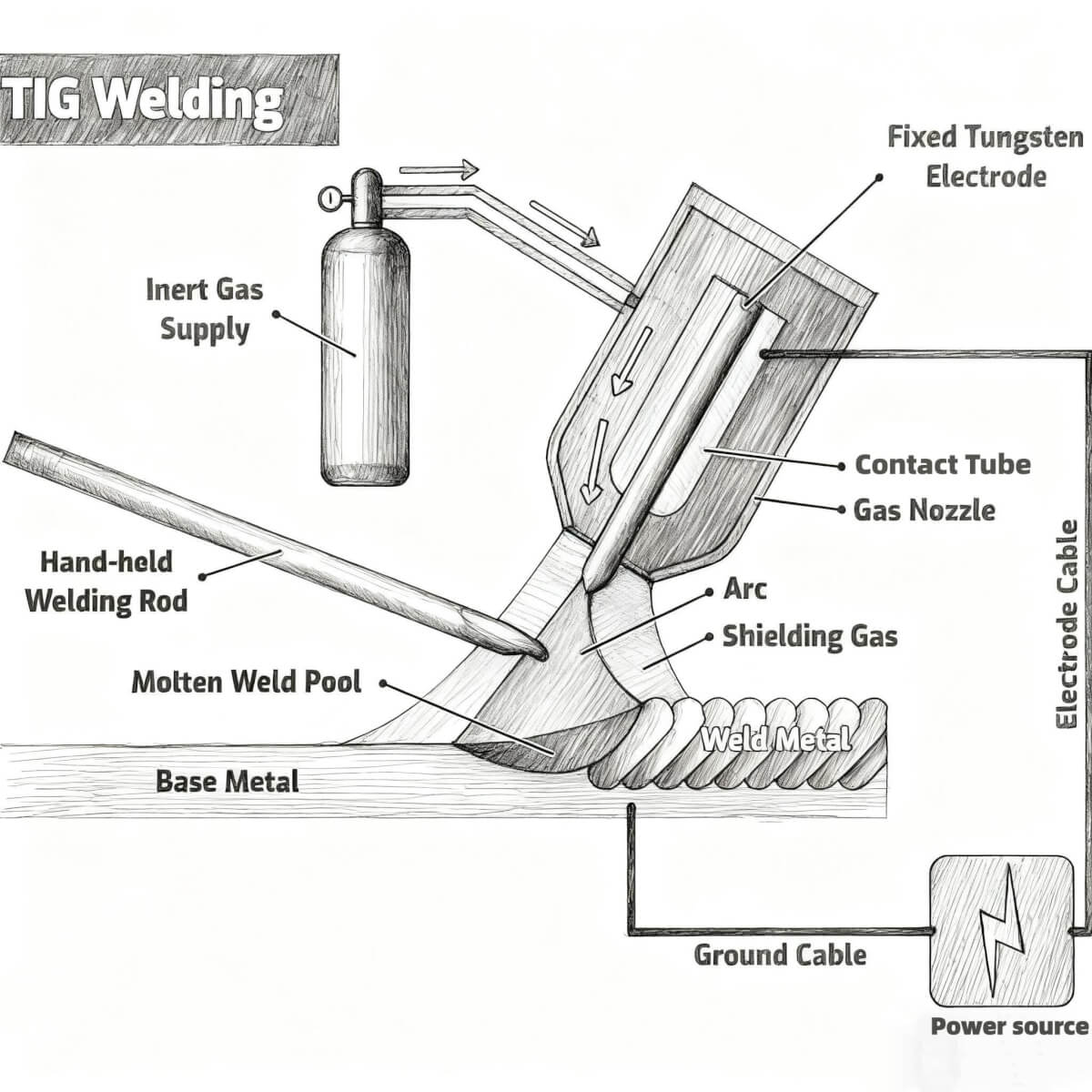
CNC machining is frequently the better answer for thicker parts, precision interfaces, mounting features, heat sinks, or shapes that forming cannot achieve. Additive manufacturing comes into play for early design iterations, low-volume internal parts, fixtures, or elements likely to change as the product matures. Welding is what joins fabricated or machined pieces into structures too complex to make as a single unit.
No enclosure requires every technology. Because SHBD Metal runs all of these processes in-house, our engineers can review the entire application and pick the right mix rather than forcing every component through a single method.
That review should consider what the enclosure has to contain or protect, which dimensions and interfaces matter most, how far along the design is, the volumes expected, finish requirements, assembly needs, and the exact condition the enclosure must be in when it ships.
Ready to Start Your Project?
Get Instant QuoteFinishing and Assembly Are Design Inputs
Finishing belongs in the design phase, not as a late addition to a completed part.
Production needs to know which surfaces get coated, which ones stay bare, whether hardware is installed before or after finishing, and how parts are handled through later operations. Print and marking layouts must leave room for bends, openings, fasteners, seams, and the space that is actually available.
Decisions like these ripple into hole sizes, dimensional allowances, contact surfaces, hardware sequence, inspection plans, packaging, and handling.
Hardware and assembly bring their own constraints. Inserts, rivets, fasteners, brackets, hinges, and panels all have to stay reachable during installation. Components that meet their own drawings can still fail to fit together as a system. A bracket that looks harmless in CAD might block a tool on the shop floor. A tolerance that works in isolation can cause interference when several mating parts come together.
SHBD Metal’s value-added services treat fabrication, finishing, masking, printing or marking, hardware installation, inspection, and assembly as one connected workflow. Taking that broader view makes it possible to catch conflicts before anything reaches the machines.
Integrated Processes Reduce Disconnected Decisions
Without integration, an enclosure project shuttles between a fabricator, a machine shop, a welder, a coating supplier, a printer, a hardware installer, an assembler, and an inspection provider.
Every one of those shops can do its job flawlessly. The trouble appears at the seams between them.
Each transfer adds a schedule, a shipment, a purchase order, a set of instructions, an inspection step, and one more chance for a detail to be read differently. A coating delay stalls assembly. A fabrication change never makes it to the hardware installer. A dimension problem stays invisible until the project has bounced through several hands.
SHBD Metal’s integrated workflow connects the core manufacturing technologies with finishing and assembly in a single coordinated chain. For multi-process enclosures that means simpler communication, clearer accountability, and easier management of changes, quality, and delivery dates.
The real gain is not a shorter vendor list. It is a shorter chain of disconnected decisions.
Define the Finished State Early
Ask one simple question at the kickoff of every enclosure project, and most downstream surprises disappear:
What exactly should show up at your loading dock?
The answer might be loose fabricated parts, a welded enclosure, a coated and printed chassis, a subassembly with all hardware installed, or a unit ready for equipment integration.
Whatever it is, that delivery state belongs in the project specification. Alongside the CAD files and drawings, the requirements should list anticipated quantities, materials, critical dimensions, finish specifications, masking instructions, printing or marking requirements, hardware lists, assembly expectations, and inspection needs.
An early engineering review can then expose conflicts, fix responsibilities, and set a workable production sequence before any metal is cut.
Plan the Assembly, Not Just the Parts
Judging an enclosure project only by whether each panel matches its drawing misses the point.
The enclosure also has to carry its internal components, line up correctly, accept the specified hardware, satisfy finishing and identification requirements, and arrive ready for whatever the customer does next.
When fabrication, machining, welding, finishing, masking, printing, hardware installation, inspection, and assembly are planned as a single project, SHBD Metal can move customers from a pile of parts toward a genuinely production-ready enclosure.
The last steps deserve a seat at the planning table. They should shape the manufacturing sequence from day one, not trail along behind it.
Ready to Start Your Project?
Get Instant QuoteFrequently Asked Questions
Which services can a single enclosure project cover?
Everything from sheet metal fabrication and CNC machining to additive manufacturing, welding, finishing, masking, printing or marking, hardware installation, inspection, and assembly can be part of one project. The right combination depends on the design and the desired delivery state.
Why does finishing need to be considered before fabrication starts?
Finishing has an impact on dimensions, contact surfaces, masking, hardware installation, handling, and assembly sequence. Nailing down those requirements early allows the manufacturing plan to accommodate them.
Does an enclosure have to be built completely from sheet metal?
Not always. Sheet metal is a natural fit for enclosure bodies, panels, covers, and brackets, but machined or additively manufactured components can be a better answer for certain geometries, interfaces, tolerances, quantities, or development stages.
What information should a customer supply for an enclosure project?
Bring whatever CAD files and drawings you have, plus quantities, materials, critical tolerances, finishing and masking specifications, printing or marking requirements, hardware information, assembly expectations, inspection needs, and the delivery state you are aiming for.
Comment
0 comments
Got thoughts or experiences to share? We’d love to hear from you!