
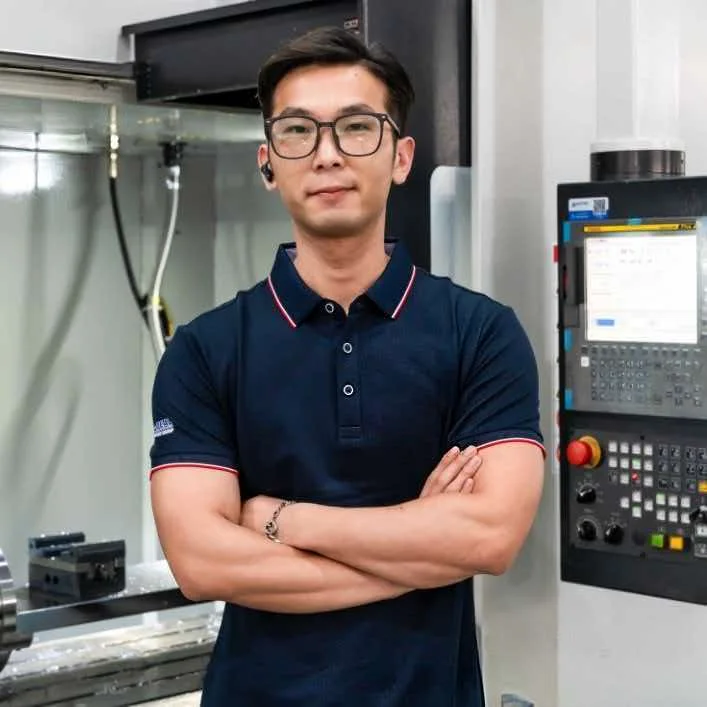

CNC—short for computer numerical control—has reshaped how parts get manufactured. By driving tools through pre-programmed software, it delivers a level of precision, speed, and flexibility that manual processes cannot match. Engineers and product teams rely on it as a core production method, and this guide walks through why: the main advantages, the industries that depend on it, and the trends reshaping the technology.
Understanding CNC Machining
CNC machining is a subtractive process. Software translates a digital model into exact tool movements, and a machine removes material from a solid block to create the finished shape. Because the instructions are computer-controlled, parts can be reproduced with remarkable consistency, run after run.
The process works across a broad spectrum of materials—metals, plastics, and composites—which is why it shows up in nearly every corner of manufacturing.
Benefits of CNC Machining
Precision and Accuracy
CNC machines hold tolerances down to thousandths of an inch—something essentially impossible to repeat by hand. That accuracy matters most in industries such as aerospace, automotive, and medical devices, where components are complex and failure is not an option. Consistent precision is also what keeps end-product quality and reliability at the level customers expect.
Increased Efficiency and Productivity
Automation shrinks cycle times and removes the variability that human operators introduce. Fewer manual steps mean fewer errors, faster throughput, and—as a bonus—a safer environment for machinists compared with hands-on manual work.
High Quality
Every part produced on CNC equipment is held to the same standard. Modern machines combined with experienced technicians deliver parts with unmatched consistency and repeatability. For customers, that translates into tighter tolerances, more reliable components, and stronger performance—which is why CNC machining sits at the core of SHBD Metal’s production capability.
Cost Effectiveness
Computer-controlled cutting reduces material waste and streamlines production, which lowers overall cost. Better precision and efficiency also improve margins and keep manufacturers competitive in the marketplace.
Benefits of CNC Machining: Applications
CNC machining supports a wide range of sectors, from aerospace and automotive to electronics and medical. It produces aircraft components, custom vehicle parts, implants, and surgical instruments. Tight tolerances ensure every piece is consistent and high quality, which is exactly what these industries demand.
Whether it is a complex aerospace bracket or a bespoke automotive component, CNC machining handles complex geometries, holds tight tolerances, and leaves excellent surface finishes—making it the default choice across industries.
In medical manufacturing, CNC machining creates orthopedic implants, surgical tools, and prosthetic devices with the accuracy and safety that patient care requires. In electronics, it machines circuit board housings and fine components that push new technology forward.
The technology even reaches consumer goods, producing everything from premium furniture to custom jewelry. Its precision and repeatability make it ideal for one-of-a-kind products built to a discerning customer’s standards.
As manufacturing evolves, CNC machining stays at the leading edge, giving businesses the tools they need to remain competitive and responsive to changing customer demands.
Ready to Start Your Project?
Get Instant QuoteEmerging Trends in CNC Machining
Integration with AI and IoT
Artificial intelligence and machine learning are moving into CNC operations. AI algorithms optimize machining parameters, forecast tool wear, and spot defects in real time. IoT connectivity has changed monitoring and maintenance, feeding continuous data back on machine performance.
Advanced Techniques
Multi-axis machining, high-speed cutting, and hybrid CNC systems are pushing what is possible, producing complex parts more efficiently. These advances have improved how advanced materials are machined and raised the overall quality of CNC operations.
Automation and Real-Time Monitoring
Real-time monitoring and adaptive control let machines adjust their own operations based on live feedback, further tightening precision and efficiency.
Ready to turn your manufacturing project into reality?
Ready to Start Your Project?
Get Instant QuoteFAQs
Define CNC machining.
CNC machining is a subtractive manufacturing process in which computer software controls the movement of cutting tools to remove material from a workpiece and create precise parts and components.
What types of CNC machines are there?
Common types include CNC milling machines, CNC lathes (turning centers), routers, grinders, and electrical discharge machines (EDM). Each is suited to different geometries and operations.
Which materials can CNC equipment handle?
Nearly all engineering materials: aluminum, steel, stainless steel, titanium, brass, copper, and plastics such as ABS, POM, PC, and nylon, plus composites where machining is appropriate.
What finishing and post-processing options exist after CNC machining?
Options range from as-machined and bead blasting to anodizing, powder coating, plating, polishing, and custom painting. The right finish depends on the part’s function, environment, and appearance requirements.

Comment
0 comments
Got thoughts or experiences to share? We’d love to hear from you!