
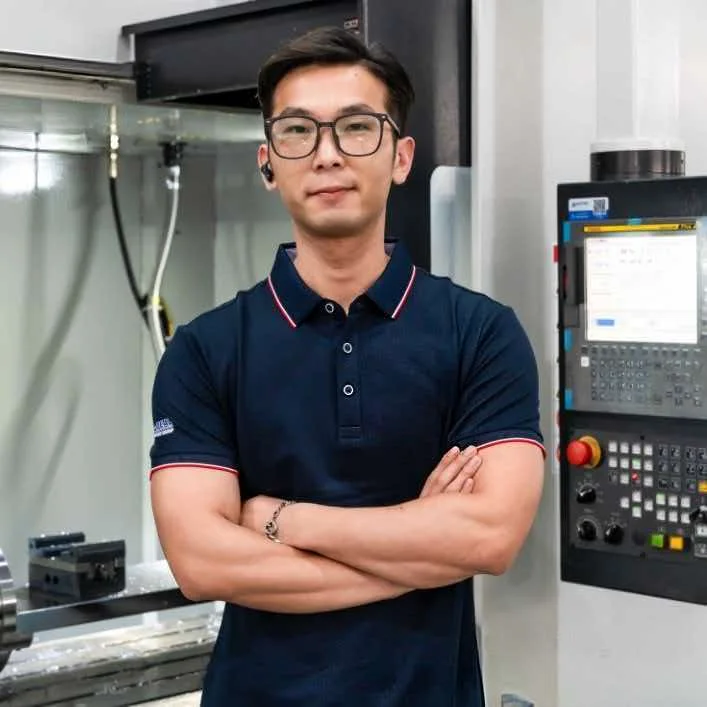
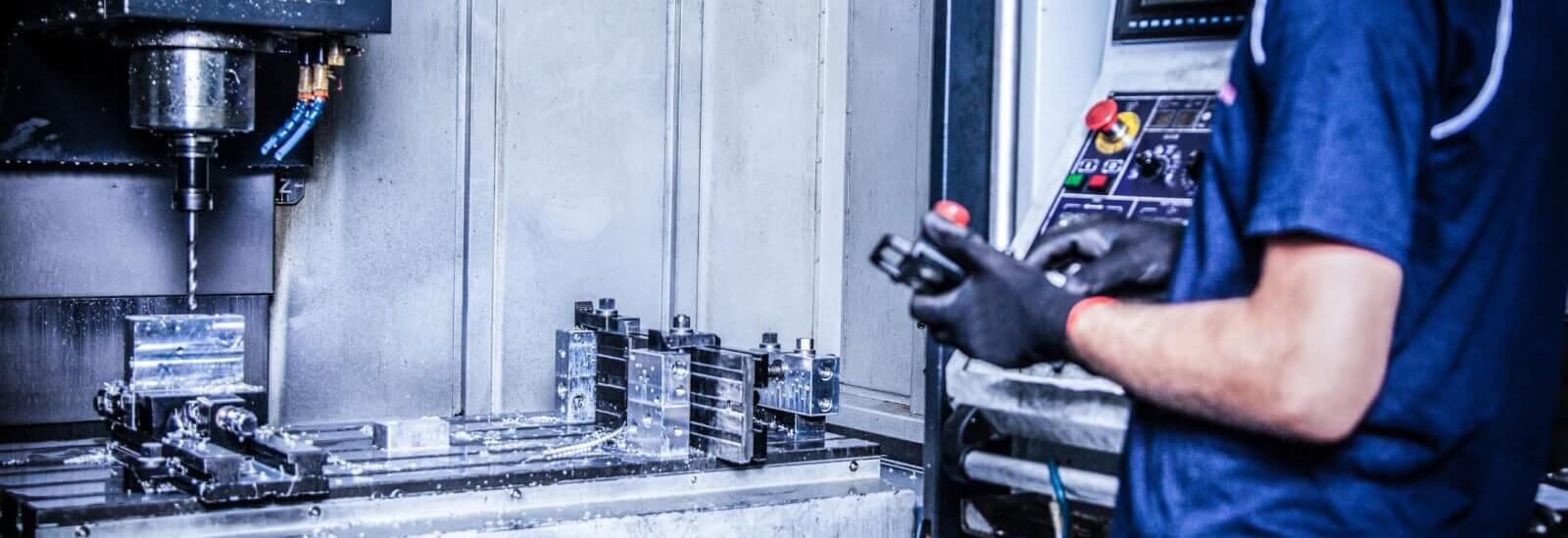
Most of the manufactured products you see around you are created as a result of machining processes. This has been the case for centuries now, with the various steps involved in the process evolving dramatically through the ages.
Many people often ask about the basics of what is machining, how it works, the different types of machining processes, and many other details regarding these topics. This article will go through all this information and more, providing detailed insight into the machining world.
What is Machining?
Machining is a manufacturing process that involves shaping a piece of material to a final desired shape by removing material in a controlled manner. Since machining processes utilize machine tools like machining centers and work by removing material, they are often termed as subtractive manufacturing processes, unlike additive manufacturing, which involves a controlled addition of material.
Machining processes can work on a large number of materials, including metals, plastics, wood, glass, and more. The workability of machining processes on this vast range gives these processes applications in numerous industries.
History of Machining Processes
The history of machining processes dates back a few centuries. In the 18th century, machining processes pertained to repairing machines and equipment by using hard-working processes such as wood carving or metalworking using forging. Machining tools came into existence later in the middle of the 20th century. This happened due to the emergence of machining processes such as drilling, turning, boring, milling, broaching, planing, sawing, reaming, taping, and more. Over the years, with the emergence of computers and various technologies, all the machining processes got associated with Computer Numerical Control (CNC).
How Does Machining Work?
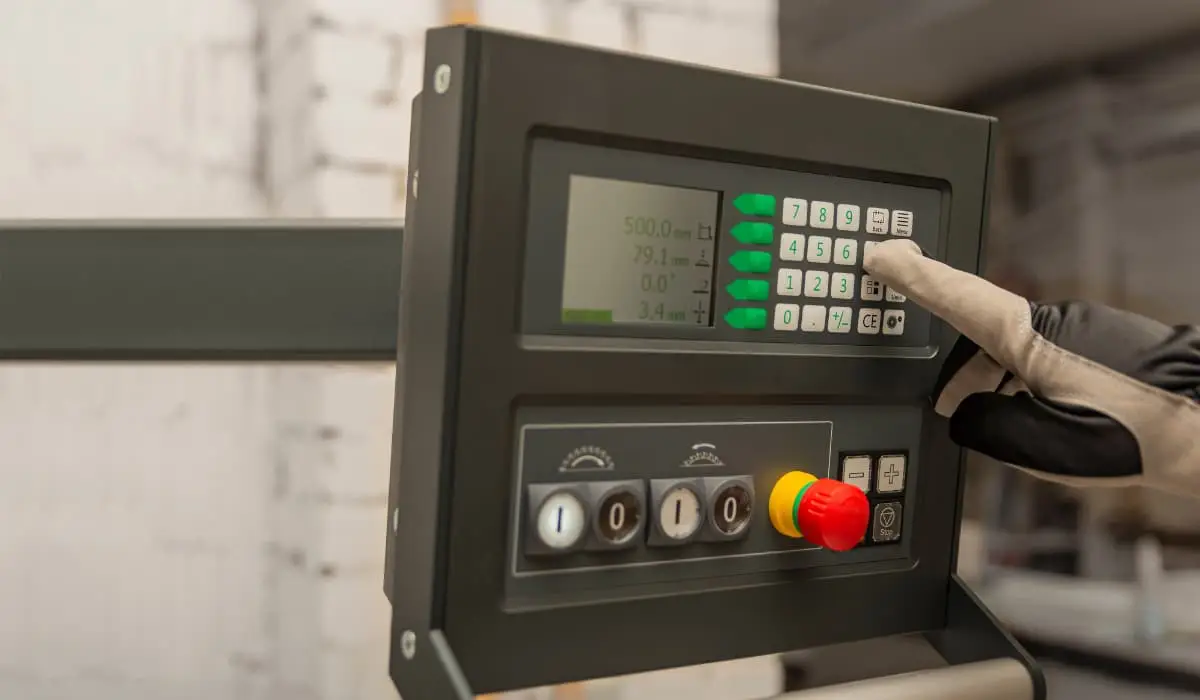
The concept of machining is to start with a bigger piece of material than the required part, and then remove the material with a controlled cutting tool. In the modern manufacturing world, machining tools are controlled by Computer Numerical Control (CNC) technologies. It is a structured process that starts with a conceptual design of the desired shape and then proceeds with the execution of design on the machining tools.
Stages of the Machining Process
Creating Blueprints: Firstly, it is important to create a conceptual idea of the part that is required. This is done through engineering drawings and blueprints of the part, with the intended dimensions mentioned on the blueprints.
Creating CAD Models: Once the blueprints of the part are ready, it needs to be converted into a digital 3D model using Computer Aided Design (CAD) software. The CAD models are converted to Computer Aided Manufacturing (CAM) programs that the CNC machine understands.
Machine Setup: The machine setup is carried out by the operator and involves adjusting the tooling and mounting the workpiece materials on the CNC machine.
Program Execution: Once the machine is ready, the operator executes the program. The machine then works on shaping the program to the final part.
Applications of Machining
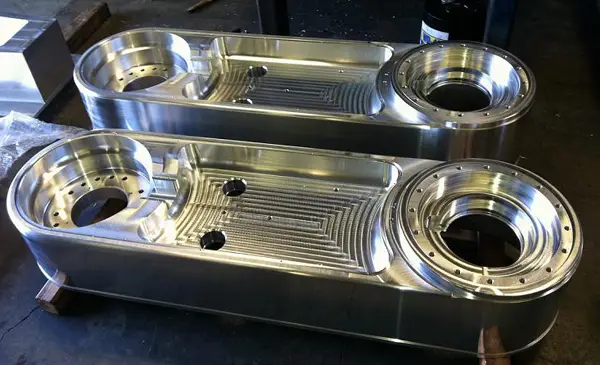
Machining tools are used in every kind of industry for creating a wide array of parts, including bicycle frames, engines, smartphone and laptop cases, scientific projects, aerospace parts, military and firearms equipment, medical and surgical equipment, and many other parts.
Types of Machining Processes
There are many types of machining processes and operations, each with its own purpose and design:
- Turning: The workpiece rotates around a central axis while the cutting tool shaves off material. Used for shafts, threads, tapers, and engine components.
- Milling: A rotating cutting surface moves against the workpiece to create different shapes. Used for gears, slots, aerospace components, and automotive parts.
- Drilling: Creates holes using drill presses. Used for screw holes, fuel injector bodies, and heat exchanger tubes.
- Boring: Enlarges previously drilled holes. Used for engine cylinders and firearm barrels.
- Reaming: Slightly widens drilled holes and adds internal surface finish.
- Grinding: Removes small amounts of material for smooth finish and precise dimensions.
- Planing: Generates flat surfaces using a planer machine.
- Sawing: Uses a sharp blade with toothed edges for cutting.
- Broaching: Uses a toothed cutting tool for precision machining of niche shapes.
Machining Tools
The machining tools used in a process depend on the machining method being utilized. Common turning tools include bowl gouge, spindle gouge, roughing gouge, and parting tools. Milling tools include face mills, end mills, ball cutters, and slab mills. Grinding tools include belt grinders, bench grinders, surface grinders, and angle grinders. Drilling tools include hand drills, hammer drills, and benchtop drills with various bit options.
Advantages of Machining
- Versatile Process: Works on a vast range of materials including metals and nonmetals.
- Precision: CNC machining provides precision with tolerances around 0.001 inches.
- Surface Finishing: Provides smooth finishes that can eliminate secondary finishing stages.
- High-Density Machining: Can work on the toughest materials for aerospace and defense.
- Labor Saving: Automated and controlled by computers, reducing manual labor.
- Production Rate: High production rate suitable for mass production.
- Consistency: High repeatability due to computer-controlled tools.
Disadvantages of Machining
- Surface Limitation: Some surfaces may not be reachable by rotating cutting tools.
- Operator Skill: Requires skilled operators and programming teams for complex products.
- Initial Cost: High initial cost for industrial machining setups, especially multi-axis machines.
Machinable Materials
There is virtually no limit when it comes to materials that can undergo machining processes. Popular options include:
- Aluminum: Low weight and high strength - common grades include 6061, 7075, 6082, 5083.
- Steel: Versatile and rugged - stainless steel, carbon steel, and mild steel are common.
- Brass: Often used in art pieces and sculpting.
- Titanium: One of the hardest metals, used when high strength is required.
- Wood: Commonly machined for furniture making and carving.
- Plastics: All varieties including thermoplastics and thermosetting plastics.
Machining Terminology
Common terms include: Adapter, Allowance, Apron, Axis, Bearings, Tool/Bit, Burr, Chamfer, Coolant, Headstock, Setup, and Stock.
Cost of Machining
The price bracket of machining is very wide. Machine costs can start at a few thousand dollars and go over $500,000. Hourly costs for 3-axis machines can be around $40, while multi-axis machines can cost up to $120 per hour.
Frequently Asked Questions
Is machining difficult? Machining requires skill and experience, especially for complex parts, but modern CNC technology has made the process more accessible.
What is the most common machining process? CNC milling is one of the most common machining processes due to its versatility and precision.
What is the difference between machining and manufacturing? Manufacturing is the broader term that encompasses all processes used to create products. Machining is a specific subset of manufacturing that involves removing material to shape parts.
Start Your CNC Project Today
SHBD Metal offers precision CNC machining services including milling, turning, and more. Contact us or request a quote today.
Comment
0 comments
Got thoughts or experiences to share? We’d love to hear from you!