
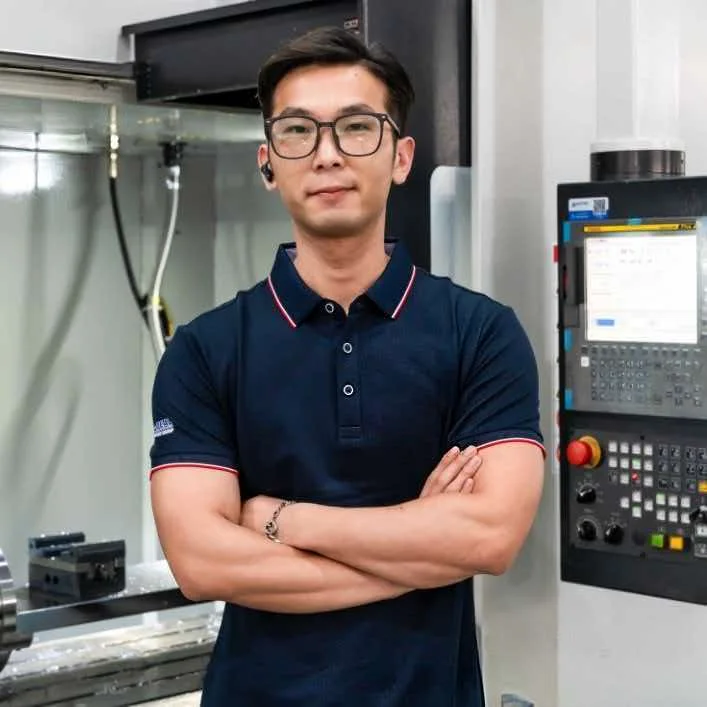
Bringing a product design to market – no matter how physically large or small – is no easy feat.
Imagine walking into a store and finding shelves stocked with affordable, identical products, from canned goods to household appliances.
This convenience is largely thanks to mass production, a manufacturing approach that churns out large quantities of standardized items efficiently.
By using assembly lines and automation, companies can produce goods quickly and consistently, making them accessible to many. However, while this method keeps costs down and products uniform, it also brings challenges.
Maintaining quality, managing supply chains, and addressing environmental concerns are ongoing issues that manufacturers face.
In this article, we’ll explore how mass production shapes our daily lives, its benefits, and the hurdles it presents.
What Is Mass Production?
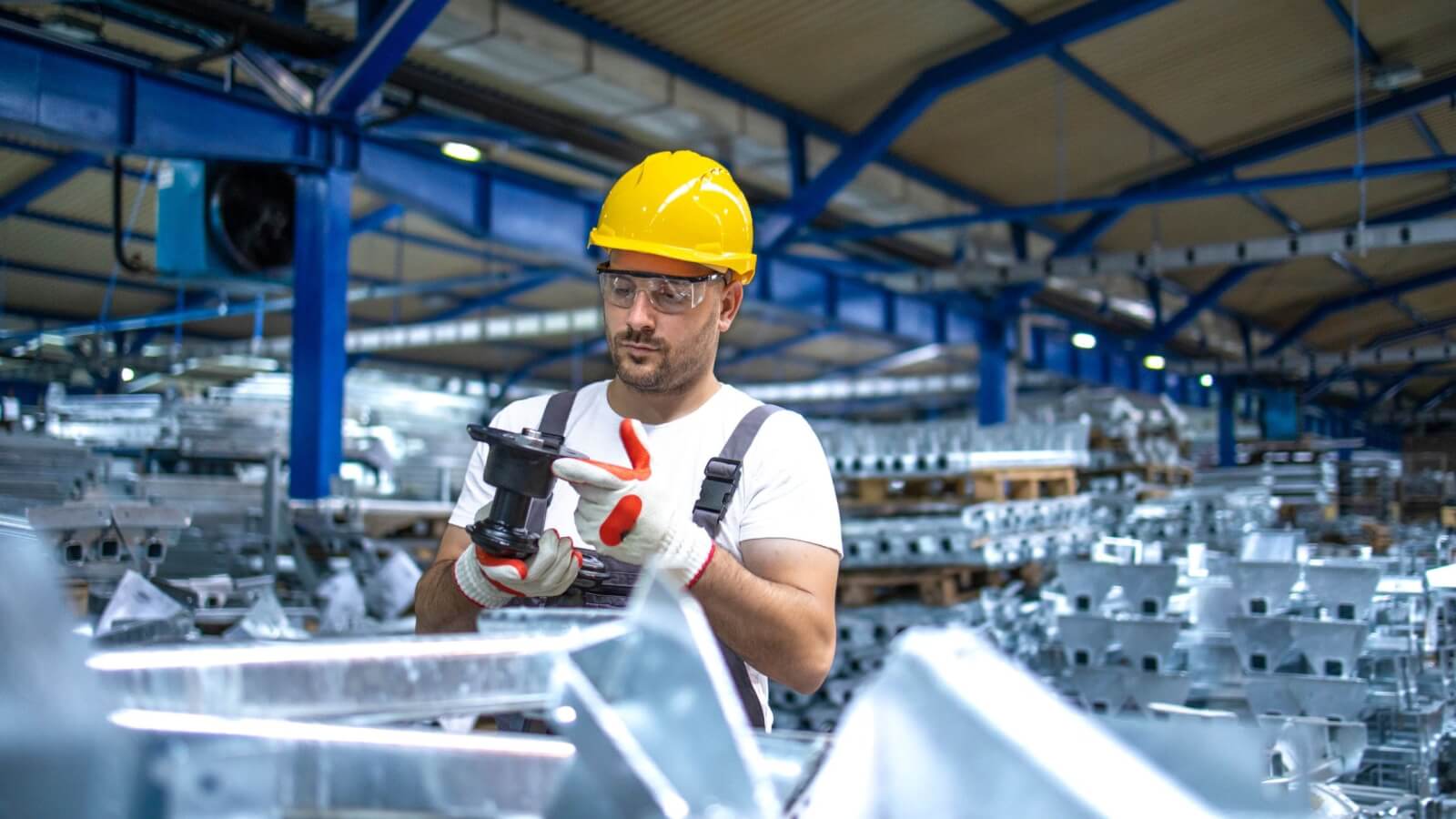 Mass production is the large-scale manufacturing of standardized products, utilizing assembly lines or automation technology to enhance efficiency and reduce labor costs. This method relies on a meticulous organization of material flow and strict quality control, alongside a comprehensive division of labor.
Originating in the late 19th and early 20th centuries, mass production has historical roots in the use of uniform parts for crossbows and ships, which exemplifies early standardization efforts.
Despite its age, the principle requires only a relatively small workforce to manage highly specialized equipment today, thanks to advances in mechanization.
By creating large quantities of standardized products, mass production reduces per-unit costs and makes consumer goods more affordable, supporting a continuous manufacturing flow that synchronizes each machine or workstation to prevent bottlenecks, ensuring that products are consistently identical across the production process.
What Is the Difference Between Mass Production and Batch Production?
Batch production differs from mass production by focusing on the creation of a specific quantity of a product in a single run, offering greater flexibility but at a slower pace.
Unlike mass production, which is designed for continuous, large-scale output to maximize economies of scale, batch production allows machinery to be reconfigured between batches to accommodate different product variations.
However, this flexibility requires more frequent setup changes, which can increase costs and reduce overall throughput compared to the uninterrupted flow of mass production lines.
What Is the Difference Between Mass Production and Job Shop Manufacturing?
Job shop manufacturing caters to small-scale, often customized or complex products requiring specialized skills and processes.
It contrasts with mass production by focusing on flexibility and the ability to handle unique or short-run products, which typically results in lower volumes and higher per-unit costs. In contrast, mass production achieves cost efficiency through high-volume, standardized production using highly automated and repetitive processes.
Job shop environments are prized for their adaptability, making them ideal for prototypes or short runs where customization and personalization are crucial.
What Is the Difference Between Mass Production and Mass Customization?
Mass customization merges the cost-effectiveness of mass production with the ability to personalize products.
While mass production focuses on producing uniform products in large volumes, mass customization allows for variations based on consumer preferences, such as color and features, using a common product platform.
This approach is supported by modern digital tools, modular designs, and flexible production lines, which facilitate customization without significantly sacrificing the economies of scale typically associated with mass production.
Some manufacturers have even begun to utilize automated design platforms that enable customers to specify preferences before production, effectively combining speed with personalization.
What is the History of Mass Production and How It Evolves Over Time?
Mass production’s journey begins in antiquity, with early examples like the interchangeable parts for crossbows in ancient China and uniform ship components in Carthage. These practices set the stage for more sophisticated systems.
The Industrial Revolution marked a significant evolution, introducing mechanization and steam power, which were crucial in automating manufacturing processes. The most iconic moment in modern mass production history occurred in 1913 when Henry Ford established the assembly line technique, producing over 15 million Model T vehicles by 1927.
This innovation demonstrated the power of standardized parts and continuous flow in manufacturing, significantly reducing costs and increasing output.
Historically, mass production was also evident in shipbuilding techniques in dockyards, which foreshadowed later practices by emphasizing standardization and repetitive tasks. By the mid-20th century, mass production had expanded its reach to include consumer goods such as food, exemplified by the mass production of marshmallow confections, showcasing the method’s adaptability.
Today, the principles of mass production are applied in modern transportation manufacturing, where the production of hundreds of thousands of units annually underlines the enduring relevance of assembly line methods.
Innovations like automated robotics, computer-controlled machinery, and the Industrial Internet of Things (IIoT) continue to refine and enhance the efficiency of mass production, ensuring its place as a cornerstone of modern manufacturing.
Who Invented Mass Production?
While the systematic use of assembly lines and interchangeable parts is often attributed to Henry Ford, it’s crucial to recognize that he was not the sole pioneer of mass production.
Ford’s refinements in the early 20th century brought mass production to new heights by dramatically speeding up automobile manufacturing, making cars affordable and accessible to the general public.
However, the concept of interchangeable parts was already being applied in other industries, such as armory and early mechanized production of goods. Innovations in firearms manufacturing in the 19th century laid the groundwork for Ford’s later successes.
Today, the principles Ford popularized are being adapted to modern manufacturing needs, including electric and alternative-fuel vehicles, demonstrating the lasting impact of his innovations on contemporary industrial practices.
What Were The Earliest Forms of Mass Production?
The earliest forms of mass production can be traced back to ancient times, where standardized parts were used for efficiency and uniformity. Notable examples include the shipyards of Carthage and the Venetian Arsenal, where ships were built using repetitive processes and standardized parts to streamline production and reduce costs.
In ancient China, large-scale production of uniform crossbow parts is another testament to the early understanding of mass production principles. These practices highlight how early civilizations recognized the benefits of standardized components and division of labor to speed up production and reduce errors, setting the foundation for the more mechanized production methods that would follow.
How Did the Industrial Revolution Shape Mass Production?
The Industrial Revolution was a pivotal era for mass production, as the introduction of steam power and later, mechanization, transformed traditional manufacturing methods. The development of new machine tools and precision engineering during this period enabled the production of consistent, interchangeable parts, paving the way for the assembly line methods that would revolutionize production.
The segmentation of labor among specialized tasks allowed for faster and more efficient production processes. Factories began to see the benefits of centralizing production under one roof, which facilitated the coordination of various manufacturing processes and significantly increased daily output.
This period laid the foundational principles of modern mass production, emphasizing continuous flow and efficiency that are still relevant in today’s manufacturing industries.
What Impact Did Factory Electrification Have on Mass Production?
The advent of factory electrification marked a revolutionary shift in mass production, enabling more compact and efficient factory layouts by replacing cumbersome steam-driven systems.
Electric motors brought significant improvements in machine speeds, precision, and reliability, fostering continuous operation across production lines. This electrification allowed factories to better coordinate processes, drastically reduce downtime, and incorporate advanced tooling that supported higher-volume output.
Notably, electrified production floors facilitated the use of individually powered equipment, which allowed each step in the manufacturing line to operate independently yet cohesively. This independence enhanced the synchronization of production processes, significantly boosting throughput and ensuring a smoother flow of production activities.
How Has Modern Technology Transformed Mass Production?
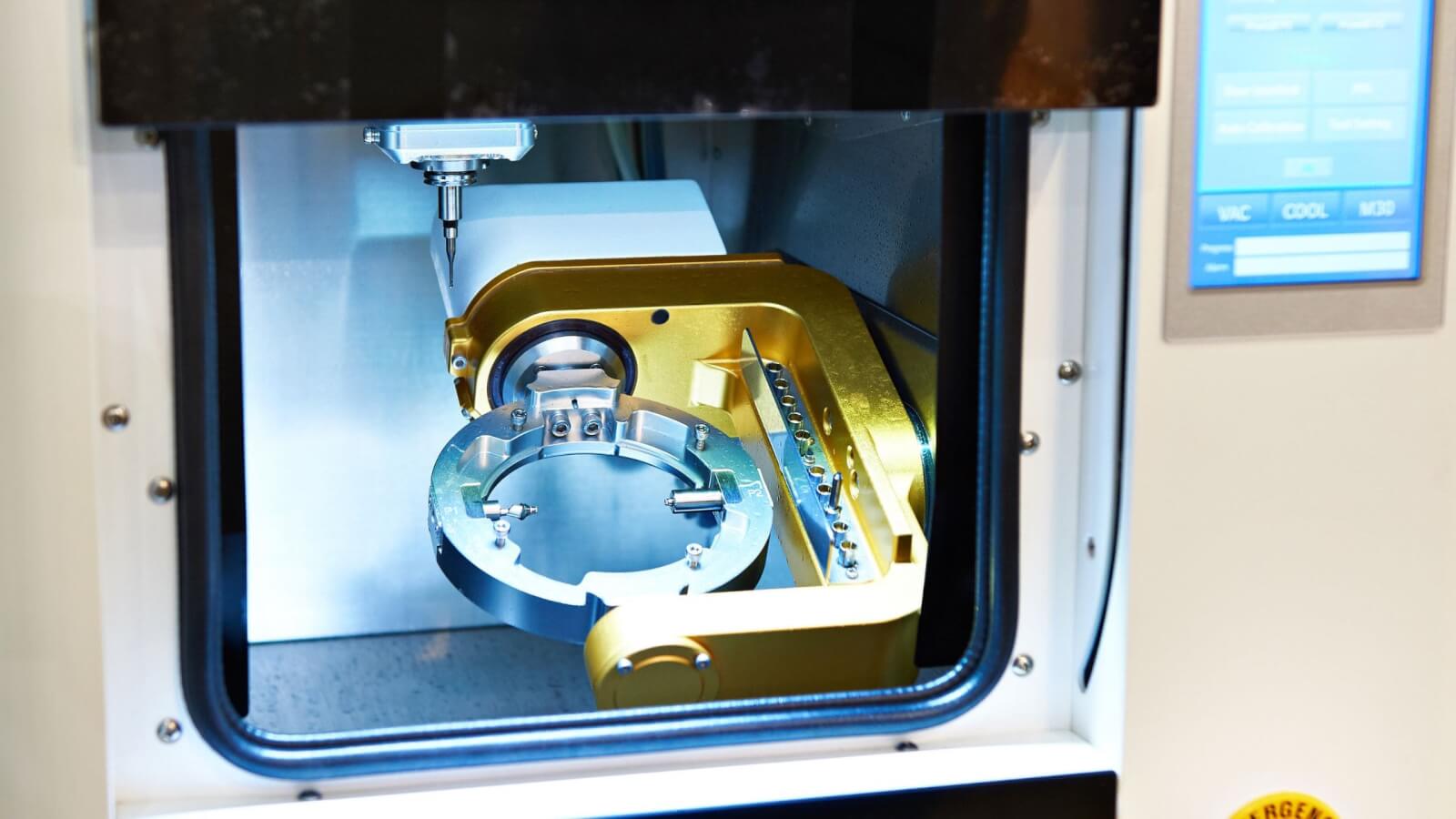
Modern technology has fundamentally transformed mass production by introducing robotics, automation, computer numerically controlled (CNC) machines, and 3D printing. These technologies have accelerated production processes, ensuring both speed and precision.
CNC machining and injection molding have become prevalent in machine shops and manufacturers, highlighting a shift towards more versatile and state-of-the-art manufacturing capabilities. Additionally, the integration of the Industrial Internet of Things (IIoT) has been pivotal, enabling predictive maintenance, real-time quality checks, and extensive data analytics that foster continuous improvements across the board.
The enhanced connectivity among machines not only streamlines operations but also minimizes waste and enables manufacturers to adjust production strategies swiftly, adapting to market demands without significant downtime. Furthermore, digital work instructions, automated scheduling software, and connected devices have become essential tools, helping operators quickly address production issues or adapt to changes in demand.
What are the Key Principles of Mass Production?
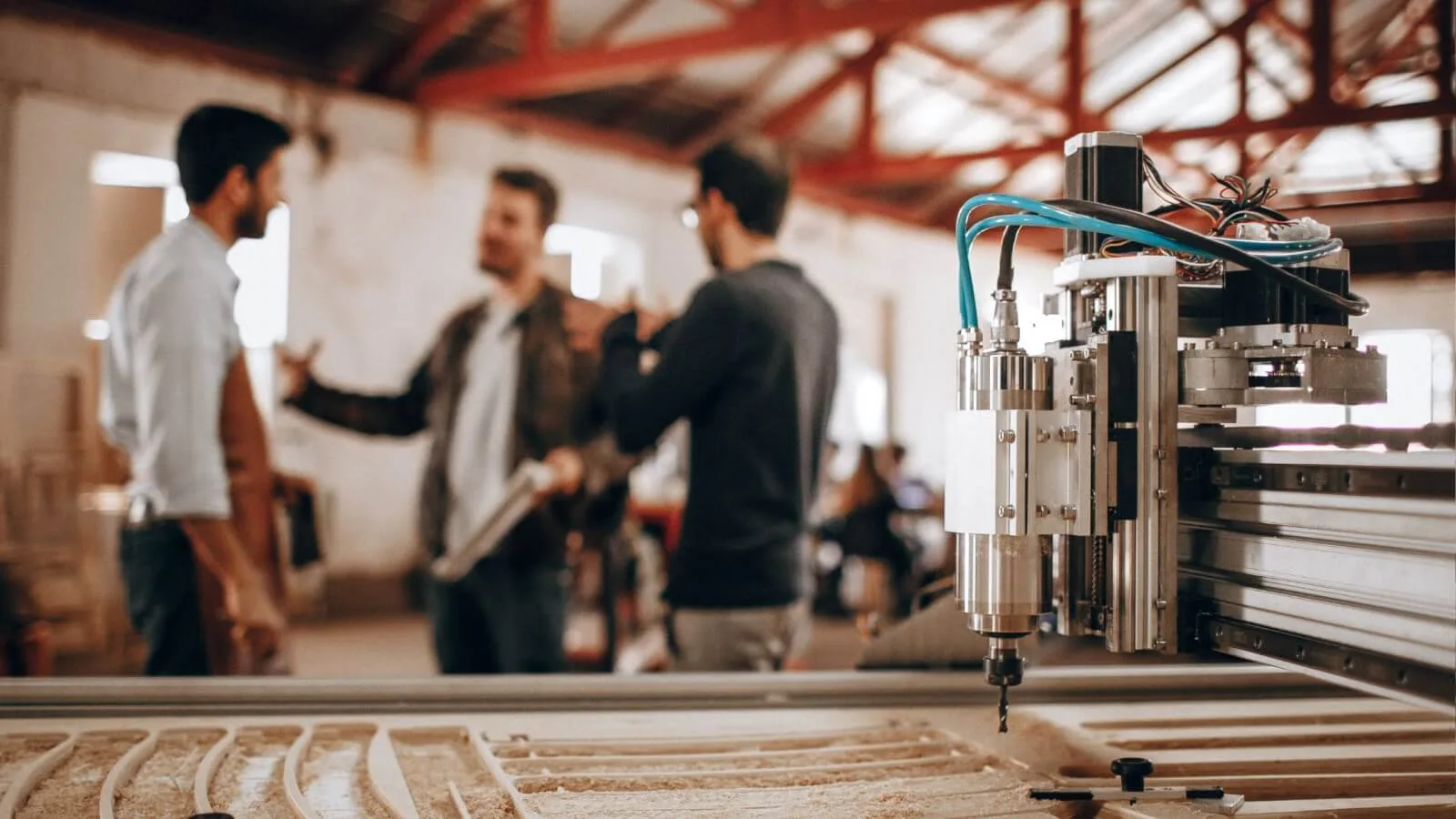 Understanding key mass production principles provides insights into how large-scale production achieves its speed, consistency, and cost-effectiveness.
- Division of Labor: This principle involves assigning specific tasks to workers or machines, focusing on specialization to enhance speed and efficiency.
- Standardization: Standardized processes and parts simplify assembly and reduce errors, making the production process more predictable and controllable.
- Mechanization/Automation: By utilizing machinery to perform repetitive tasks, mass production facilities can increase throughput and reduce human labor.
- Continuous Flow: A seamless movement of products through the production line minimizes downtime and enhances the pace of production.
- Quality Control: Implementing regular checks throughout the production process ensures that each product meets predetermined standards of quality.
- Economies of Scale: Producing in large volumes typically reduces the cost per unit, making products more economically viable to produce and purchase.
What are the Advantages of Mass Production?
The advantages of mass production make it a dominant method in various industries, particularly where uniformity and volume are required. Here are some of the key benefits:
- High Precision and Consistency: Automated processes and standardized parts ensure each product meets the same quality standards.
- Lower Per-Unit Costs: Economies of scale mean that the more units produced, the lower the cost per unit, making products more affordable.
- Faster Production Rates: Assembly lines and mechanization reduce the time it takes to produce each item, increasing overall production efficiency.
- Efficient Resource Use: Optimized processes minimize waste and manual labor, enhancing the overall efficiency of production.
- Scalability: Mass production systems can quickly increase output to meet rising market demands without significant delays.
What are the Disadvantages of Mass Production?
Despite its numerous advantages, mass production also faces several challenges:
- High Initial Capital Costs: The investment required for automated machinery and production lines is substantial.
- Inflexibility: Once a production line is set up, making changes to the product design or adapting to fluctuating market demands can be costly and time-consuming.
- Risk of Quality Issues Spreading: If a defect goes undetected, it can be replicated across many products before it is identified.
- Worker Dissatisfaction: The repetitive nature of tasks in a mass production environment can lead to job dissatisfaction and high turnover rates.
- Potential Environmental Strain: Mass production can lead to significant waste and resource consumption if not managed responsibly.
How Does Mass Production Work?
Mass production is a highly structured process designed for efficiency and high-volume output. It begins with meticulous planning and the use of standardized parts, which are essential for streamlining the manufacturing steps.
These components are assembled on staged assembly lines, where each segment of the process is finely tuned to maintain a continuous flow. This continuity is crucial as it ensures that products move smoothly from one stage to the next without bottlenecks, facilitating a seamless production cycle.
The entire mass production workflow, from the initial design to the final packaging of the products, is typically managed using advanced production management software or ERP systems. These systems track quality, monitor supply levels, and oversee throughput to ensure that production meets predetermined standards.
Additionally, to enhance product quality and efficiency, pre-production testing and limited trial runs are conducted. These tests help identify any potential design flaws or process inefficiencies, allowing corrections to be made before full-scale production commences.
What are the Main Stages of the Mass Production Process?
The mass production process can be viewed as a series of interconnected stages that form a streamlined workflow, much like a conveyor belt system in a factory. During these stages, some manufacturers implement a formal validation phase to confirm that the production system can handle the required volumes and that suppliers can consistently deliver the needed raw materials.
Here’s a brief overview of the main stages:
- Initial Planning: Setting objectives and scheduling production runs.
- Design and Development: Creating prototypes and finalizing product designs.
- Material Procurement: Sourcing and acquiring necessary materials.
- Production: Assembling products using a series of automated processes.
- Quality Control: Conducting inspections and tests to ensure product standards.
- Packaging and Distribution: Preparing finished products for shipping and sale.
Below are detailed descriptions of all ten steps that every mass production process should follow.
Design and Development
In the design and development stage of mass production, several critical tasks must be completed to ensure the product can be efficiently mass-produced:
- Define the Product’s Purpose: Clearly identifying what the product is intended to do.
- Identify Required Materials: Selecting appropriate materials that meet the needs of production and product functionality.
- Standardize Parts: Creating uniform parts to ensure they fit together seamlessly during assembly.
- Feedback Incorporation: Using insights from previous product cycles to enhance the design.
- Efficiency Planning: Designing the product to be easily assembled on the production line.
Procurement of Raw Materials
Effective procurement is vital for maintaining the efficiency of the mass production process. This stage involves several key activities:
- Bulk Sourcing: Acquiring materials in large volumes to reduce costs.
- Quality Checks: Assessing materials upon arrival to ensure they meet quality standards.
- Supplier Relations: Establishing and maintaining reliable relationships with suppliers to ensure a steady supply of necessary materials.
- Logistics Management: Coordinating the delivery and storage of materials to align with production schedules.
Production Planning
In mass production, meticulous planning is paramount to ensure that each component of the manufacturing process is optimized for efficiency. Here’s how the planning stage is structured:
- Outline Task Schedules and Allocate Workstation Tasks: This step involves detailed scheduling of tasks and assignment of specific tasks to appropriate workstations, enhancing the flow of operations.
- Use Data-Driven Forecasting Tools: Leveraging advanced forecasting tools helps align production volumes with actual market demand, preventing overproduction and underutilization.
- Integrate Capacity Planning: Effective capacity planning ensures the production process is scalable and flexible, preventing bottlenecks and maximizing resource use.
- Develop Contingency Plans for Supply Chain Disruptions: Preparedness for potential disruptions in the supply chain safeguards against production delays.
- Engineering and Design Validation Testing: Before initiating mass production, conducting comprehensive testing of each component ensures they meet both performance and aesthetic standards, preparing the system for large-volume production runs.
Division of Labor
The division of labor is a cornerstone of efficient mass production systems, designed to enhance productivity and precision:
- Assign Specific Tasks: Assigning each worker or machine a specific, often repetitive task helps streamline the workflow and reduces complexity.
- Skill Set Matching: Ensuring that each worker’s skills align with their assigned tasks enhances efficiency and reduces the error rate.
- Reduce Transition Times: By minimizing the time between tasks, the overall throughput of the production process is maximized.
- Clear Instructions: Maintaining straightforward and clear instructions for each station ensures seamless transitions and continuity in production.
- Specialized Stations: While increasing the efficiency of production, highly specialized stations can adapt more slowly to changes in product design, highlighting the need for strategic flexibility in task assignments.
Mechanization and Automation
Mechanization and automation are pivotal in modern mass production, driving efficiency and reducing labor costs:
- Employ Specialized Machinery: The use of robots and automated conveyor systems for repetitive tasks minimizes human error and speeds up production.
- Utilize Advanced Monitoring: Implementing sensors, PLCs (Programmable Logic Controllers), and IIoT-enabled devices allows for real-time monitoring and adjustments in the production process.
- Increase Productivity: Automation not only enhances productivity but also reduces the costs associated with manual labor.
- Routine Maintenance: Keeping machinery well-maintained is crucial to avoiding downtime and maintaining continuous production flow.
- Focus on Efficiency Improvements: Automated systems significantly reduce the need for manual supervision, freeing up operators to focus on optimizing production efficiency and addressing any emergent issues swiftly.
Quality Control
In mass production, quality control is pivotal, encompassing continuous inspections and utilizing technological advances to maintain product standards and prevent defects. The process integrates three primary strategies within the quality control framework:
- Continuous Inspections and Standardized Measurements: Regular checks are conducted at multiple checkpoints along the production line, utilizing standardized measurements and tolerances to ensure product consistency.
- Advanced Inspection Systems: Machine vision systems and Automated Optical Inspection (AOI) tools are deployed for high-speed, reliable checks.
- Three-Pillar Quality Approach: The first is testing materials before they enter the production line to ensure they meet quality specifications (Incoming Quality Control). Secondly, the products are inspected at critical production stages to catch issues early (In-Process Quality Control). And finally, completed products are verified against specifications before packaging (Final Quality Control).
Assembly
Assembly in mass production is a critical phase where precision and efficiency are key. Components are assembled in a pre-set sequence, ensuring consistency and quality:
- Sequenced and Standardized Assembly: Components move to dedicated stations in a specified sequence, adhering to strict assembly guidelines.
- Workflow Management: Tasks are balanced to prevent delays, focusing on efficient, repeatable motions for consistent quality.
- Digital Work Instructions: Detailed digital guides provide step-by-step instructions, minimizing confusion and standardizing assembly methods across the production line.
Testing
Testing ensures that each product meets safety and performance standards, involving:
- Comprehensive Testing: Functionality and safety tests verify product integrity, using automated diagnostic tools to assess performance efficiently.
- Defect Management and Data Analysis: Defective units are flagged for rework or disposal, with test data recorded to identify recurring issues and inform continuous improvements.
- Stress Testing: Products undergo stress or endurance tests to confirm reliability under expected or extreme conditions, enhancing product trustworthiness.
Packaging and Shipping
Packaging and shipping are the concluding stages of mass production, focusing on protection and efficiency:
- Automated Packaging and Standardization: Automated machines quickly package products using standardized materials to minimize damage during transit.
- Efficient Tracking and Distribution: Products are labeled with barcodes for efficient tracking and inventory management, with logistics coordinated to ensure prompt delivery.
- Optimized Distribution Systems: Automated sorting systems direct packaged goods to appropriate shipping lanes, optimizing distribution and reducing delivery times.
Feedback and Continuous Improvement
Mass production thrives on refinement and innovation, ensuring each phase of the manufacturing process is optimized for peak efficiency and product quality. Feedback and continuous improvement are critical to this dynamic environment, integrating a holistic approach to production enhancements:
- Data-Driven Enhancements: Leveraging production metrics, customer feedback, and return data to guide adjustments in machinery, workflow, and quality assurance processes.
- Worker Engagement: Encouraging input from workers on productivity enhancements and safety improvements, fostering a proactive workplace culture.
- Scheduled Reviews: Regularly reviewing production processes to stay competitive and responsive to market changes.
- Real-Time Data Utilization: Employing advanced tracking and analytics to monitor real-time data from all stages of production, aiding in the detection of trends, prediction of potential breakdowns, and facilitation of ongoing process refinements.
What Industries Rely on Mass Production?
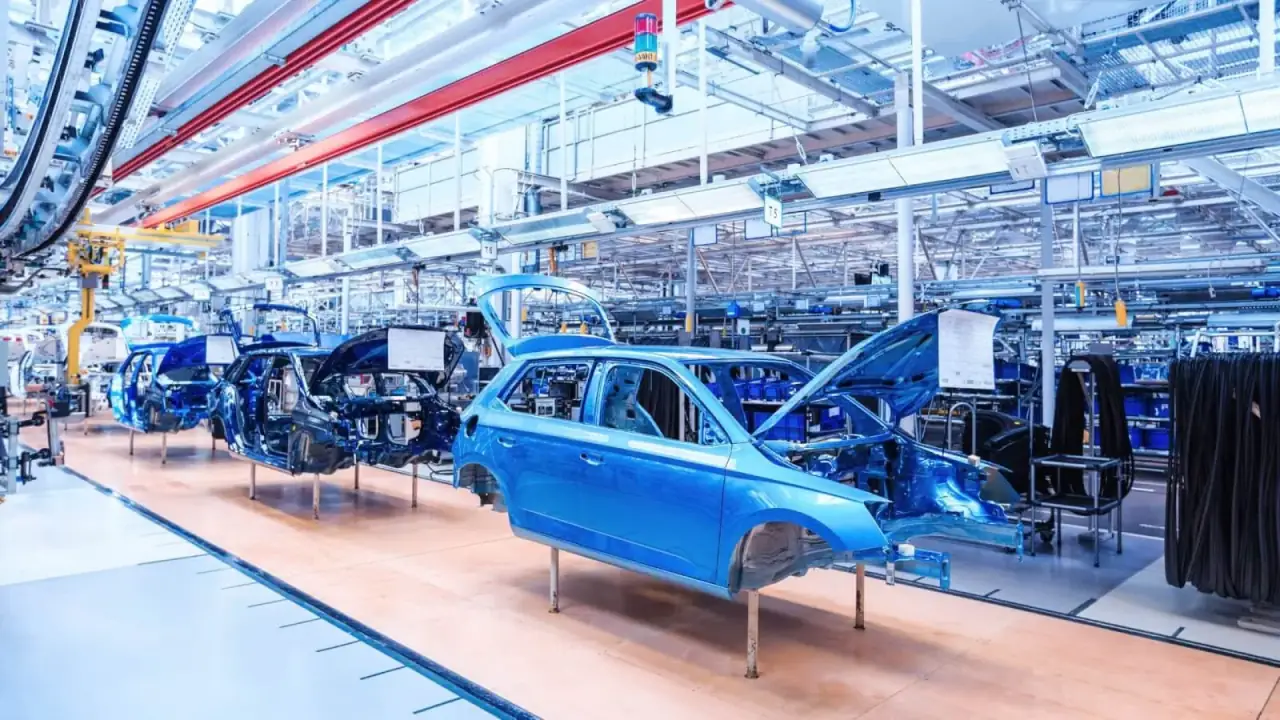 Mass production is particularly important in sectors where consistency, cost reduction, and efficiency are key.
Here’s how specific industries leverage the principles of mass production:
- Automotive and Transportation: This industry thrives on rapid assembly lines capable of producing vehicles to meet global consumer and industrial demand. Techniques like the assembly line method, pioneered by Henry Ford, remain central to this sector.
- Electronics and Consumer Goods: From smartphones to household appliances, the electronics industry depends on mass production to deliver large quantities of high-quality, standardized products that maintain innovation and consumer satisfaction.
- Food and Beverage: Automated systems are crucial in this sector, handling everything from packing to processing to produce millions of food items daily, ensuring safety and efficiency.
- Pharmaceutical: Characterized by stringent regulatory and quality controls, this industry relies on mass production to ensure the safe, efficient, and ethical distribution of medical products worldwide.
- Clothing and Textiles: Mass production in textiles enables the rapid manufacturing of uniform apparel using automated and high-speed sewing and cutting technologies, meeting the fast-paced demands of global fashion markets.
What are the Essential Tools and Machinery Used in the Mass Production Process?
The essence of mass production is to enhance productivity and consistency while minimizing costs and manual labor. Here’s a concise overview of the core machinery integral to these operations:
- Specialized Machines: These include CNC machines, die-casting machines, and industrial robots, each designed to perform specific, repetitive tasks with precision and speed.
- Industrial Robots: Utilized extensively on production lines, these robots handle tasks from welding to assembly, enhancing speed and reducing human error.
- Advanced Conveyor Systems: These systems transport components between stations seamlessly, crucial for maintaining the continuous flow essential in assembly lines.
- Control and Monitoring Equipment: Including SCADA systems and sensors, these tools offer real-time data on production metrics, allowing for immediate adjustments. This integration ensures processes remain optimized and can swiftly adapt to new production demands.
- Manufacturing Execution Systems (MES): These platforms collect comprehensive data from various machines, providing a holistic view of manufacturing operations. This capability allows for enhanced decision-making and quick adaptation to changes in production without significant downtime.
Material Processing and Shaping Tools
Mass production relies on a suite of specialized tools that ensure high speed, precision, and repeatability, crucial for maintaining the standards of mass-produced goods:
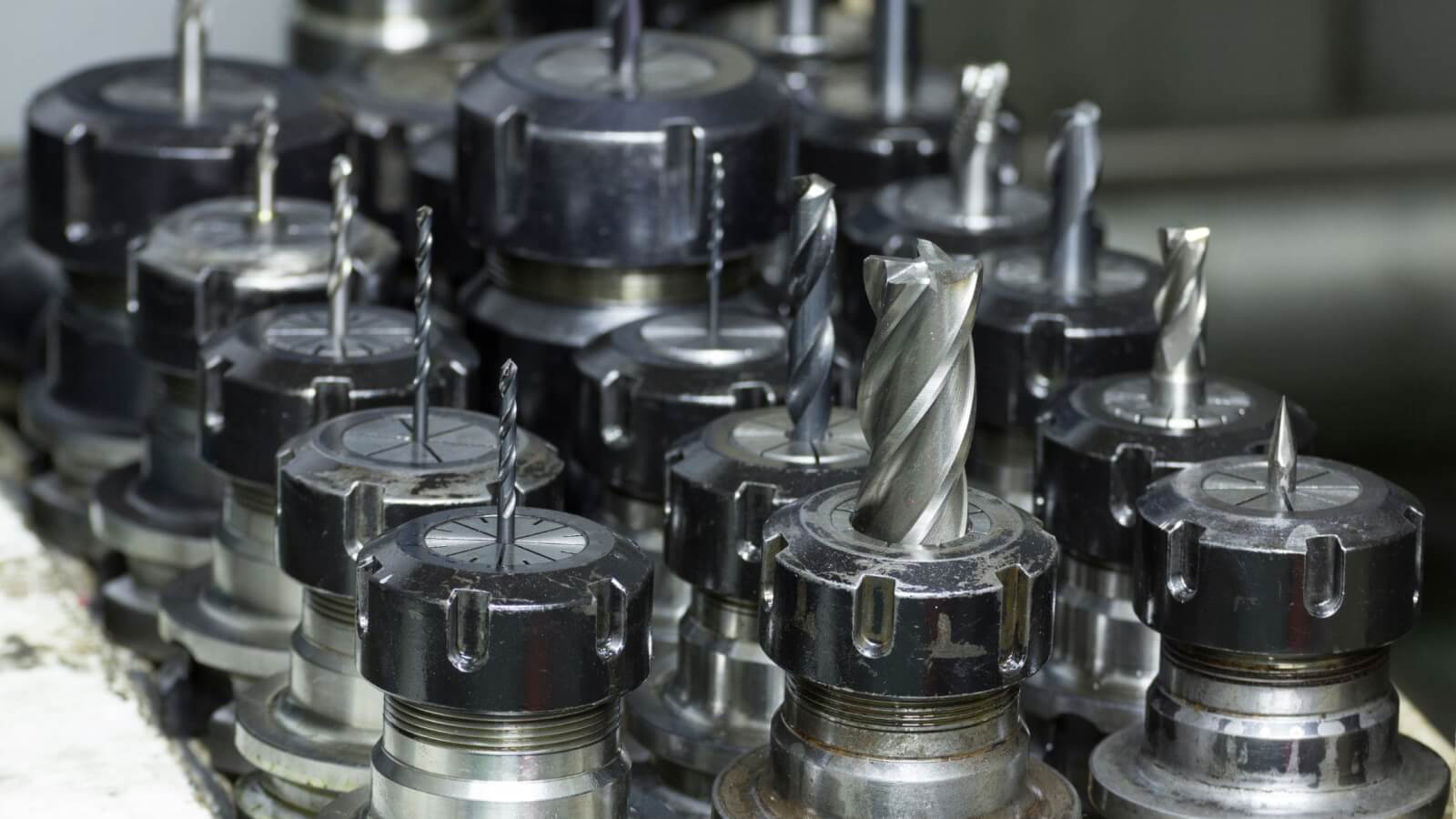
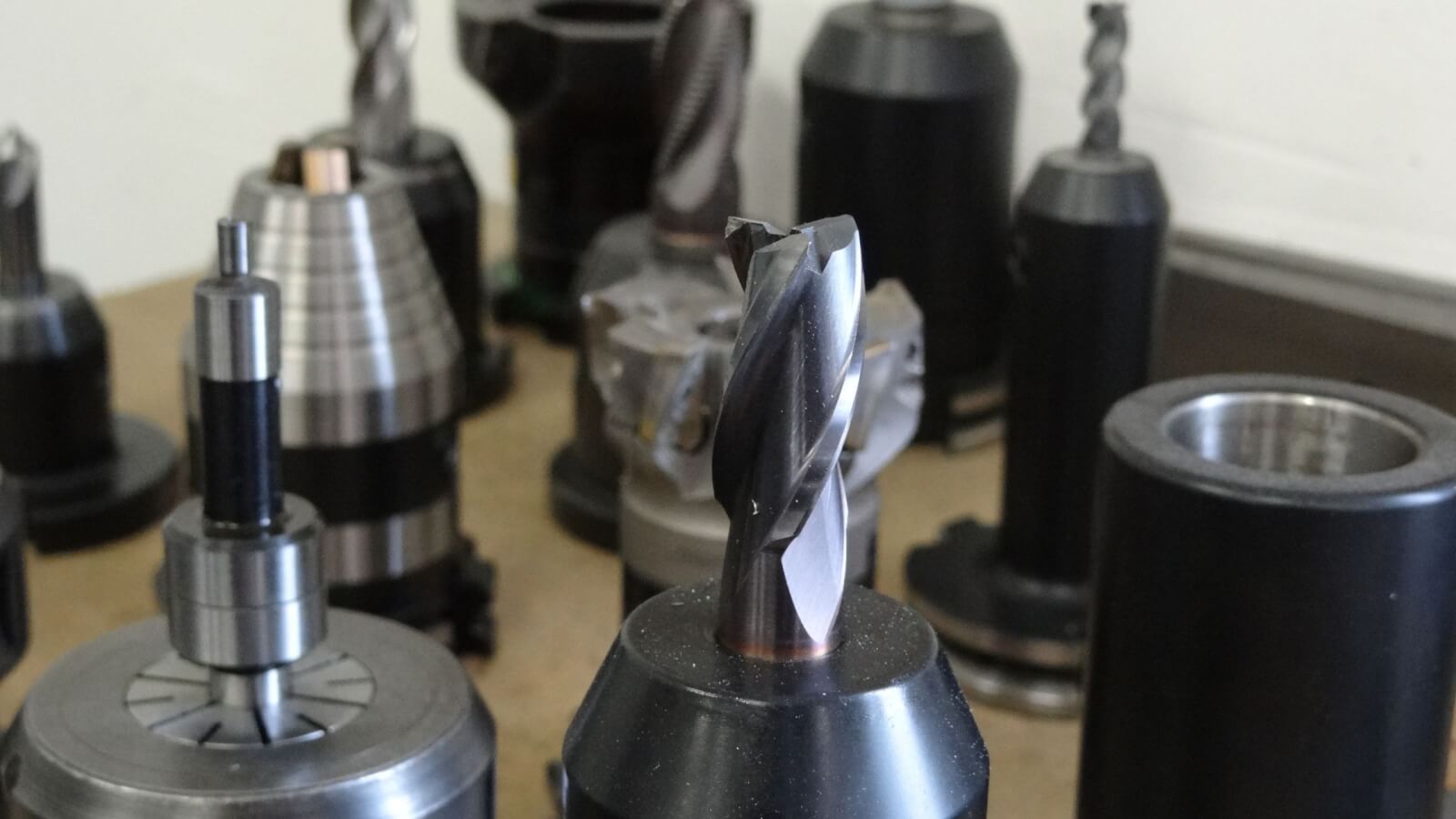
- CNC Machines (Milling, Turning, Grinding): These automate the shaping of materials with exceptional precision, critical for maintaining uniformity across thousands of parts.
- Injection Molding Machines: Facilitate the mass production of plastic parts by molding materials under high pressure, with systems in place to monitor mold temperature and pressure continuously.
- Die Casting Machines: Essential for manufacturing complex metal components, these machines inject molten metal into steel molds under high pressure.
- Press Machines (Stamping, Punching, Bending): These transform flat sheets of metal into specific shapes through high-force application.
- Extrusion Machines: Produce long stretches of material like tubing or sheeting, which are then cut to size.
Cutting and Welding Equipment
The final shaping and assembly of mass-produced parts depend on sophisticated cutting and welding technologies:
- Laser Cutters, Plasma Cutters, Water Jet Cutters: These tools provide high-precision cutting of materials, from metals to composites, allowing for intricate designs and tight tolerances.
- Welding Machines (Spot Welding, Arc Welding, Laser Welding): Automated welding machines ensure strong, consistent joints in metal products, crucial for structural integrity.
Assembly and Automation Machinery
Automated systems are the backbone of modern mass production, ensuring consistent output, reducing human error, and enhancing efficiency.
- Industrial Robots (Pick-and-Place, Assembly, Welding Robots): Handle delicate or repetitive tasks with greater accuracy and speed, minimizing human intervention and labor costs.
- Automated Conveyor Systems: Orchestrate the movement of parts across the production line, ensuring continuous material flow and reducing handling errors.
- Automated Guided Vehicles (AGVs): Transport materials and components throughout the factory floor, streamlining logistics and improving efficiency.
- Robotic Arms for Assembly: Execute precise and standardized tasks, ensuring uniform product quality, repeatability, and reliability.
- Automated Assembly Stations: Can be quickly reprogrammed for minor product variations, striking a balance between continuous production and moderate customization.
Quality Control and Inspection Tools
Maintaining strict quality control is crucial in mass production. Modern manufacturers integrate advanced inspection tools to detect and prevent defects before products reach the market.
- Machine Vision Systems: Use high-speed cameras and AI-driven algorithms to detect defects, measure tolerances, and ensure product consistency at scale.
- Coordinate Measuring Machines (CMMs): Provide precise dimensional measurements for components requiring tight tolerances, ensuring uniformity across all production units.
- X-Ray and Ultrasonic Testing Machines: Assess internal structures and verify material integrity, ensuring compliance with safety and regulatory standards.
- Automated Optical Inspection (AOI) Systems: Perform high-speed, real-time quality checks without halting production lines, reducing downtime and improving defect detection rates.
- Advanced Analytics for Predictive Quality Control: Help manufacturers anticipate defect patterns, allowing swift process adjustments before major quality issues arise, reducing waste and costly rework.
Packaging and Handling Equipment
Efficient packaging and handling equipment ensure that mass-produced goods are properly prepared for distribution, minimizing damage and optimizing logistics.
- Automated Packaging Machines: Swiftly package products to maintain high output while ensuring consistency in sealing, labeling, and presentation.
- Palletizing Robots: Stack and organize products efficiently, reducing manual labor, optimizing storage space, and facilitating bulk shipping.
- Labeling and Barcoding Machines: Improve traceability and inventory management by ensuring accurate tracking of products throughout the supply chain.
- Automated Sorting Systems: Direct products to the correct distribution channels, reducing logistical bottlenecks and improving overall shipping accuracy.
- Integrated Tracking Systems: Generate precise shipping forecasts, minimizing delays, reducing misplacements, and ensuring timely restocking for retailers.
Process Monitoring and Control Tools
To maintain efficiency and consistency in mass production, manufacturers use monitoring and control tools that track critical parameters such as temperature, pressure, speed, and material flow. These tools ensure precision and allow for real-time adjustments to prevent bottlenecks and defects.
- Supervisory Control and Data Acquisition (SCADA) Systems: Aggregate data from sensors and industrial machines to provide centralized control, optimizing production efficiency and minimizing downtime.
- Smart Sensors for Real-Time Monitoring: Detect variations in production conditions, allowing for immediate corrective actions to maintain product quality and consistency.
- Industrial IoT (IIoT) Devices: Enable remote monitoring, predictive analytics, and automated alerts to address equipment failures before they impact production.
- Programmable Logic Controllers (PLCs): Automate repetitive production tasks, ensuring smooth operation of assembly lines and material processing stations.
- Automated Production Scheduling Solutions: Coordinate multiple production lines simultaneously, optimizing machine utilization and ensuring that no station is overloaded, which helps prevent inefficiencies and delays.
What are the Key Performance Metrics in Mass Production?
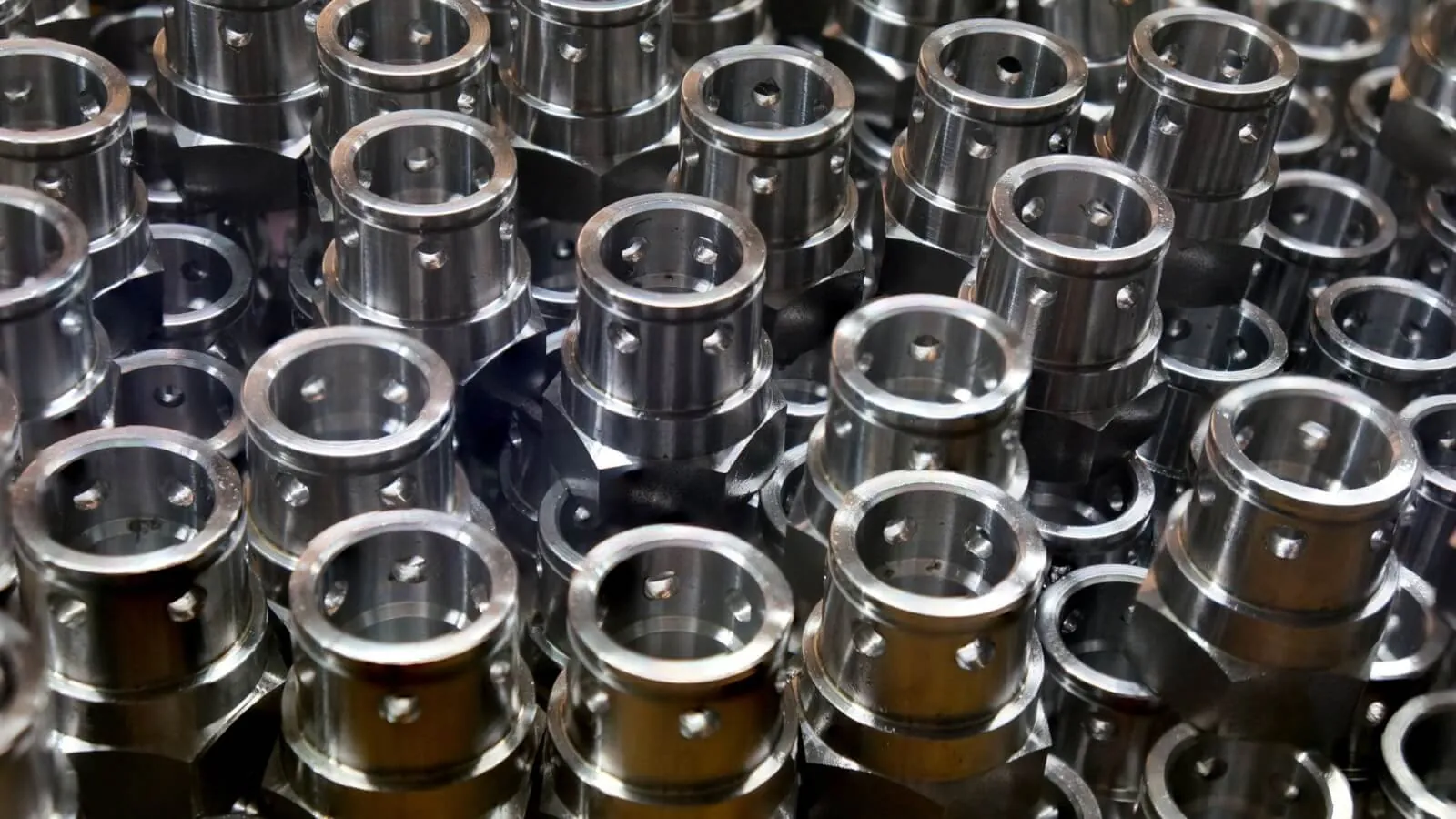 Manufacturers rely on key metrics to track production speed, equipment effectiveness, and defect rates. Real-time dashboards and data analytics allow supervisors to monitor these performance indicators live, making immediate adjustments if necessary.
- Throughput: Measures the number of products manufactured per unit of time, ensuring that production targets align with demand.
- Cycle Time: Tracks the duration of one complete production sequence, helping identify inefficiencies in assembly lines.
- Overall Equipment Effectiveness (OEE): Evaluates machine performance by measuring availability, production speed, and quality consistency.
- Defect Rate: Identifies the percentage of flawed products in total output, allowing manufacturers to address quality control issues early.
- Lead Time: Measures the time from order placement to the final product, influencing supply chain efficiency.
- Inventory Turnover: Assesses how quickly raw materials or finished goods move through production or sales, optimizing stock management.
What Are the Most Common Challenges in Mass Production?
Mass production comes with challenges that can impact efficiency, cost, and product quality. Manufacturers must continuously monitor operations to prevent small issues from scaling into significant disruptions.
- Supply Chain Disruptions: Delays in raw materials or components can halt entire production lines, affecting delivery schedules.
- Equipment Downtime: Machinery breakdowns lead to costly delays, requiring proactive maintenance strategies.
- Workforce Management: Keeping employees engaged in repetitive tasks is challenging, and high turnover can affect productivity.
- Adapting to New Regulations: Compliance changes may necessitate expensive retooling and process modifications.
- Overproduction: Producing more than market demand can result in excess inventory, leading to financial strain.
- Inadequate Quality Checks: Poor quality control results in product recalls, customer dissatisfaction, and potential legal issues.
- Poor Forecasting: Misjudging demand can leave companies with unsold inventory or raw material shortages, both of which harm profitability.
Does Mass Production Compromise Product Quality?
No, mass production does not inherently compromise product quality, but poor oversight can lead to widespread defects. If a flaw goes undetected, it can be replicated across thousands of units, increasing the risk of recalls. However, automation, frequent inspections, and strict quality control protocols help ensure consistency.
Modern production lines integrate interim quality checks at multiple stations, reducing the number of defective products. Automated inspection tools and real-time monitoring systems identify deviations early, preventing issues from escalating. By implementing stringent testing measures, manufacturers can maintain high standards while benefiting from mass production’s efficiency.
What are the Key Factors That Influence Mass Production Efficiency?
Real-time data analysis helps track machine performance and product quality, identifying bottlenecks early and reducing cycle times.
Certain factors can either positively or negatively influence mass production efficience;
- Process Optimization: Eliminating bottlenecks and unnecessary steps improves workflow and prevents slowdowns.
- Equipment Reliability: Regular maintenance reduces machinery downtime, ensuring consistent operation.
- Skilled Workforce: Well-trained employees can troubleshoot issues quickly and oversee automated systems efficiently.
- Supply Chain Coordination: Ensuring timely delivery of raw materials and components prevents production delays.
- Automation Level: Robotics and Industrial IoT (IIoT) devices enhance precision, reduce human error, and accelerate production speeds.
How Much Does Mass Production Cost?
A full-scale production facility can range from $500,000 to over $100 million, depending on the industry, automation level, and production scale. Companies conduct cost-benefit analyses to estimate long-term returns, knowing that large upfront costs are justified by economies of scale and higher output.
Once established, per-unit costs decrease significantly due to bulk production and automation.
Some of the factors affecting setup costs includes;
- Machinery and Automation Investment: Includes robotic arms, conveyor systems, and high-speed presses tailored to production needs.
- Plant Layout and Facility Construction: Optimized factory design ensures smooth material flow and operational efficiency.
- Staff Training: Workers need instruction on operating machinery, troubleshooting issues, and maintaining efficiency.
- Regulatory Compliance: Meeting industry standards requires testing, certification, and safety enhancements.
- Assembly Line Machinery: Precision tools such as stamping presses, injection molding machines, and automated welding systems.
- Facility Construction or Renovation: Infrastructure improvements to accommodate production lines.
- Tooling for Standardization: Ensures consistent product dimensions and high-quality output.
- Inventory and Logistics Systems: Streamlined material handling and storage solutions reduce waste and optimize production flow.
How Does Mass Production Impact Workers?
Mass production creates jobs by offering opportunities to operate and maintain machinery, often requiring workers to develop specialized skills. However, the repetitive nature of assembly line tasks can reduce engagement and lower morale, sometimes leading to high turnover rates.
Workplace safety is another major concern, as fast-moving equipment and strict schedules increase the risk of accidents. Companies implement detailed safety procedures, protective gear, and automation to mitigate hazards.
Cross-training employees across different stations can help break the monotony, increase adaptability, and improve job satisfaction by providing varied tasks throughout the shift.
Does Mass Production Lower Wages?
Mass production does not inherently lower wages, but competitive cost-cutting can result in lower salaries in certain regions. In countries with strong labor laws or unionized workforces, wages remain protected.
Automation reduces reliance on low-skill labor but simultaneously increases demand for skilled technicians who program, maintain, and repair machinery. Companies invest in upskilling and retraining programs to transition workers into higher-value roles, ensuring job security and sustaining wage levels.
As production lines become more automated, workers who adapt to new technical responsibilities often benefit from increased earnings and career stability.
How Does Mass Production Affect Working Conditions?
Fast-paced production schedules and repetitive tasks can lead to physical strain and stress. Some factories implement ergonomic workstations, scheduled breaks, and employee wellness programs to mitigate fatigue and prevent injuries.
While modern facilities follow strict safety protocols, older or poorly managed plants may lack proper ventilation, lighting, or emergency procedures, leading to unsafe conditions. Machine-paced workflows set demanding work rhythms, but companies that invest in frequent training and compliance inspections reduce accident risks.
Regular monitoring and adherence to safety standards are essential for ensuring that mass production environments remain both productive and worker-friendly.
What are the Environmental Impacts of Mass Production?
Mass production has significant environmental implications due to the high volume of materials used and waste generated:
- Factories require large amounts of energy, often sourced from fossil fuels, leading to high carbon emissions.
- Manufacturing processes also produce industrial waste, including defective products, scrap materials, and excessive packaging.
- Transportation networks for distributing goods further contribute to pollution. Overproduction can result in surplus goods that may never be used, leading to unnecessary disposal.
To address these concerns, many manufacturers are adopting sustainable practices, such as energy-efficient machinery, recycling programs, and eco-friendly materials. Some companies are also investing in cleaner production lines to comply with environmental regulations and meet consumer demand for sustainable products.
How Can Companies Reduce Waste in Mass Production?
Lean manufacturing principles focus on eliminating inefficiencies while maintaining productivity. Overproduction is one of the primary sources of waste, as producing beyond market demand leads to unsold inventory.
Defects and quality issues also result in wasted materials, requiring costly reworks. Inefficient material usage, such as excessive scrap or offcuts, can be minimized by improving design and adopting precision machining techniques.
Excessive packaging further contributes to waste but can be addressed with optimized packaging solutions. Continuous improvement, recycling programs, and smart material tracking software help companies reduce unnecessary waste and improve sustainability.
- Overproduction Beyond Market Demand – Producing too much leads to surplus inventory that may never be sold.
- Defects or Reworks from Low-Quality Processes – Poor manufacturing practices result in rejected products, wasting resources.
- Inefficient Material Usage – Excessive scrap and offcuts increase costs and material waste.
- Excessive Packaging – Unnecessary packaging materials create waste and environmental strain.
How Does Mass Production Affect Global Supply Chains?
Mass production relies heavily on global supply chains to source standardized parts and raw materials in large quantities.
Any disruption—whether from geopolitical conflicts, natural disasters, or transportation issues—can cause delays that quickly halt production lines. Because assembly lines depend on just-in-time inventory management, a shortage in one component can disrupt an entire operation.
To mitigate these risks, companies invest in stronger supplier partnerships, diversify sourcing, and develop contingency plans to ensure production continuity.
How Do Regulations and Compliance Affect Mass Production?
Regulatory frameworks set the standards for product safety, worker protection, and environmental responsibility in mass production. Manufacturers must comply with strict regulations that dictate how products are made, how workers are treated, and how emissions are controlled.
Failure to comply can result in fines, recalls, or even factory shutdowns, making regulatory adherence a top priority for large-scale producers.
What are the Future Trends in Mass Production?
The future of mass production is shaped by automation, sustainability, and customization. Industry 4.0 is leading the transformation, integrating AI, robotics, and real-time data analytics into smart factories that adapt to production needs in real time.
Predictive maintenance, enabled by Industrial IoT (IIoT) devices, helps manufacturers reduce downtime by anticipating machine failures before they occur. Sustainability is also a growing priority, with companies reducing energy consumption, implementing eco-friendly production methods, and cutting carbon emissions.
- Industry 4.0 and Smart Factories – AI-driven automation enables greater efficiency and flexibility.
- Predictive Maintenance – Advanced sensors detect equipment issues before breakdowns happen.
- Sustainability Initiatives – Factories focus on reducing energy use and emissions to meet environmental goals.
- Mass Customization Trends – Companies blend standard mass production techniques with on-demand personalization to meet consumer preferences.
Conclusion
Mass production is what keeps the world moving. It makes products more affordable, businesses more efficient, and supply chains more reliable. But it’s not just about speed and volume, because quality, flexibility, and sustainability matter just as much.
With new technology like AI, automation, and predictive maintenance, manufacturers can stay ahead, reduce waste, and improve efficiency. The future isn’t just about making more, rather it’s about making it better.
At SHBD Metal, we understand that precision matters. With 100K+ CNC-machined parts delivered, we ensure every component meets the highest standards—tight tolerances, thorough inspections, and defect-free production. Whether you need prototyping or full-scale manufacturing, we have the expertise to bring your designs to life with reliability and consistency.
Comment
0 comments
Got thoughts or experiences to share? We’d love to hear from you!