
Rubber is everywhere in engineered products — but it is rarely engineered like the metals and plastics around it. Seals, gaskets, grommets, O-rings, vibration mounts, and protective boots all start as raw elastomer and end as precisely shaped parts inside a mold. Understanding molded rubber — the processes, the materials, and the design rules — is essential for anyone sourcing custom rubber components that must seal, damp, flex, and survive for years.
This guide covers the three dominant molding processes, the elastomer families you will choose between, and the design guidelines that separate a part that seals perfectly from one that leaks, tears, or wears out early.
What Is Molded Rubber?
Molded rubber refers to rubber parts produced by shaping uncured elastomer inside a heated mold cavity, where heat and pressure drive the vulcanization (curing) reaction that cross-links the polymer chains. Before molding, rubber is soft and plastic — it can be squeezed and shaped. After curing, it becomes elastic: it returns to shape after deformation, resists heat and chemicals, and holds its dimensions.
The molding process is what gives rubber parts their precision. Mold cavities are machined to the finished geometry (with allowances for shrinkage), so every part from a given mold is identical — which is exactly what seals, gaskets, and precision mounts require.
Molded Rubber Processes Compared
Three processes dominate rubber molding. They share the same chemistry but differ in how the material is introduced into the mold — and that difference drives cost, complexity, and part design.
Compression Molding
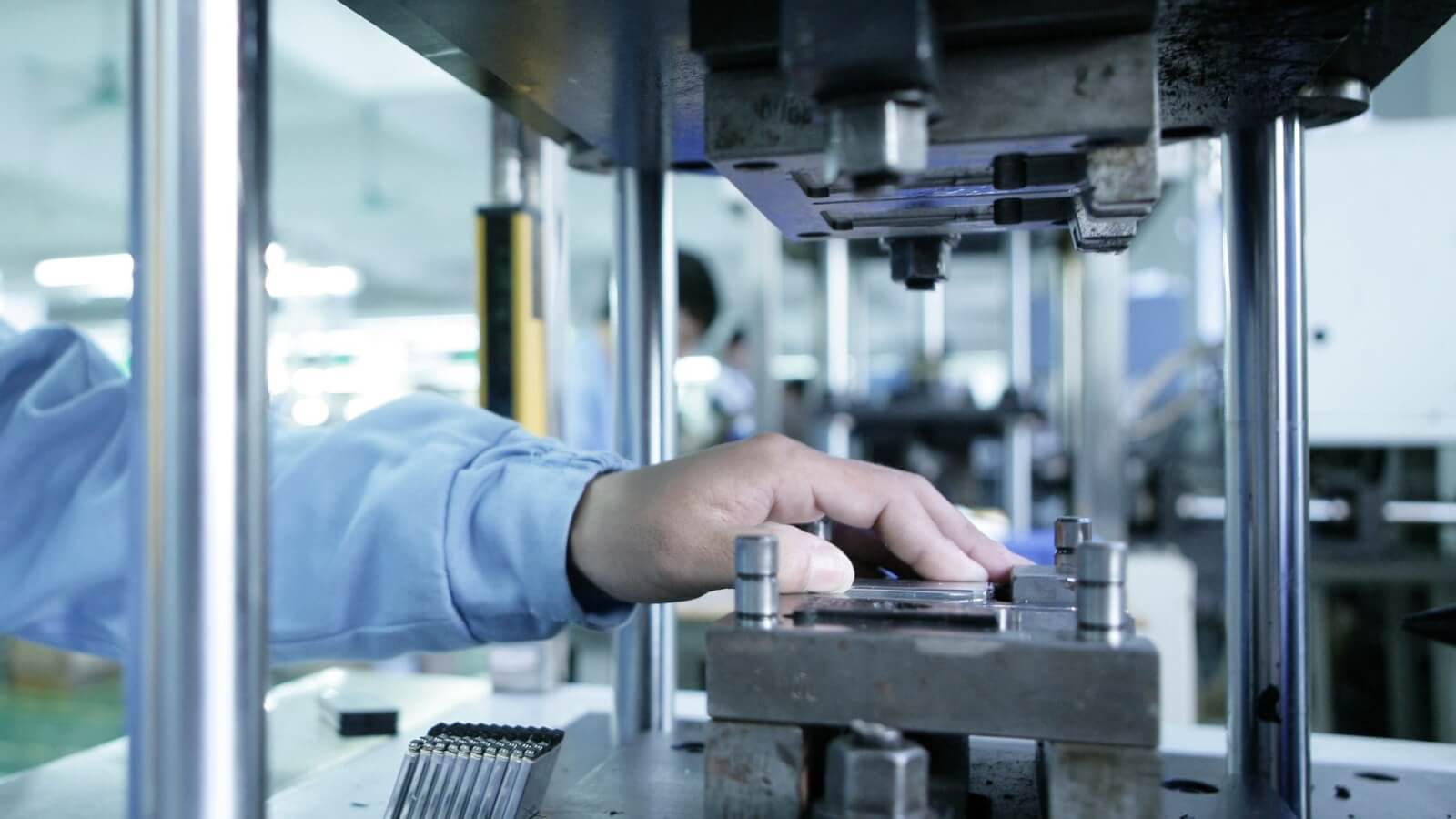
Compression molding is the oldest and most economical rubber molding process. A pre-weighed slug of uncured rubber is placed directly into the open mold cavity, and the press closes, squeezing the material into shape as heat cures it. Tooling is simple and inexpensive, which makes compression molding ideal for low to medium volumes, large simple parts, and short development cycles.
The trade-offs: cycle times are longer, flash (excess rubber squeezed out at the parting line) is more prominent and must be trimmed, and part geometry is limited to shapes that fill well under simple squeeze pressure.
Transfer Molding
Transfer molding sits between compression and injection. The rubber is loaded into a transfer pot, then pushed by a plunger through runners and gates into closed mold cavities. It produces more consistent density and handles inserts, intricate cavities, and tighter tolerances better than compression molding, with tooling costs still moderate.
Transfer molding is a common choice for parts with metal inserts — where the insert must stay precisely positioned during curing — and for multi-cavity tooling of small precision components.
Rubber Injection Molding
Rubber injection molding feeds preheated rubber through a screw and barrel into the closed mold at high pressure — the same architecture as plastic injection molding, adapted for elastomers. It offers the fastest cycle times, the tightest tolerances, the least flash, and the best automation potential, which makes it the process of choice for high-volume molded rubber parts.
The cost is higher tooling and machine investment, so injection molding pays off when volumes justify it. For design engineers, injection molding also enables more complex geometries — thin walls, fine details, and consistent shot-to-shot quality.
Rubber Materials and Their Properties
Choosing the elastomer is the most important material decision in a molded rubber project, because each family offers a different balance of temperature range, chemical resistance, and mechanical behavior:
- NBR (nitrile) is the workhorse for oil and fuel resistance — seals, gaskets, and hoses in automotive and industrial applications.
- EPDM excels outdoors: outstanding weather, ozone, and UV resistance makes it the standard for automotive weather seals and roofing membranes.
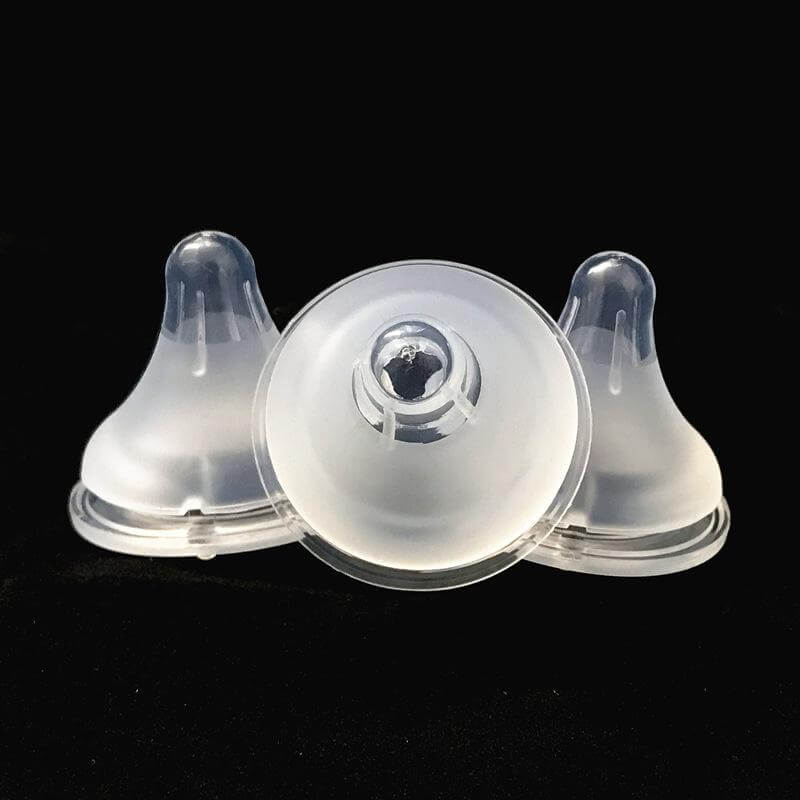
- Silicone offers a huge temperature range (−60°C to +230°C), biocompatibility, and electrical insulation — the choice for medical, food-contact, and high-heat applications.
- FKM (fluoroelastomer) resists aggressive chemicals and high temperatures, used where nothing else survives.
- Natural rubber delivers the best elasticity and abrasion resistance for mounts, bumpers, and heavy-duty applications.
- Neoprene (CR) balances oil resistance, weather resistance, and moderate cost for general industrial use.
Hardness, measured on the Shore A scale, is specified alongside the polymer — softer compounds (40–50 Shore A) seal at low force, harder compounds (70–90 Shore A) resist extrusion and wear. Compare elastomer properties against your operating environment in our materials guide before finalizing the compound.
Design Guidelines for Molded Rubber Parts
Rubber is not plastic, and its design rules reflect that. Follow these guidelines to get parts that mold cleanly and perform as intended:
- Maintain uniform wall thickness. Thick sections cure slowly and can develop voids or porosity; keep walls as thin as the application allows.
- Include draft angles of 1–3 degrees on vertical walls to ease part removal and reduce mold wear.
- Plan for the parting line. Flash forms where mold halves meet; position the parting line where flash is easy to trim and least visible.
- Account for shrinkage. Rubber shrinks 1–3 percent during cooling; the mold is cut oversized to compensate, and the exact value depends on the compound.
- Use generous radii at internal corners to avoid stress concentrations where tears start.
- Design inserts carefully. Metal inserts must be supported and positioned so flow does not displace them.
For parts with tight dimensional requirements — precision seals, for example — remember that rubber tolerances are inherently looser than machined metal tolerances. Typical molded rubber tolerances run ±0.25–0.75 mm depending on feature size, with tighter values achievable on critical sealing surfaces with careful tooling.
Applications of Molded Rubber Parts
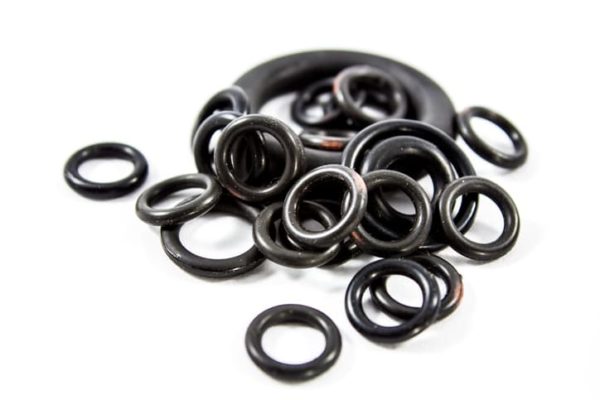
Molded rubber components appear across nearly every industry. Automotive uses molded seals, grommets, hoses, and engine mounts. Medical devices rely on silicone seals, valves, and diaphragms that withstand sterilization. Electronics manufacturers specify rubber keypads, boots, and gaskets that protect against dust and moisture. Industrial equipment depends on O-rings, bellows, and vibration isolators that keep machinery running.
For higher-precision features on rubber or elastomeric parts — such as bonded metal mounting brackets or machined sealing surfaces — many suppliers combine molding with secondary operations and CNC machining for metal components, giving you a complete assembly from one partner.
Quality and Testing
Molded rubber parts are validated by both dimensional and physical testing. Hardness is checked on the Shore scale, and tensile strength, elongation, and compression set are tested on samples from the same batch. For sealing applications, dimensional inspection focuses on the sealing surfaces and critical cross-sections. Material certificates confirm the compound formulation and cure characteristics.
When rubber parts carry safety-critical or regulated duties, full inspection reports and batch traceability become contractual requirements. Review the inspection and documentation capability of any molding partner before you commit — our quality assurance process covers how we verify every order.
Frequently Asked Questions
What is molded rubber?
Molded rubber is rubber that has been shaped and cured inside a heated mold cavity. Uncured elastomer is placed or injected into the mold, and heat and pressure trigger vulcanization, cross-linking the polymer so the part becomes elastic and holds its shape.
What is the difference between compression, transfer, and injection molding of rubber?
Compression molding squeezes a rubber slug into shape in an open mold; transfer molding pushes rubber from a pot through runners into closed cavities; injection molding feeds preheated rubber through a screw into the mold at high pressure. In general, compression is cheapest for low volumes, transfer suits inserts, and injection wins at high volumes with tight tolerances.
Which rubber material should I choose?
Match the elastomer to the environment: NBR for oil resistance, EPDM for weather and ozone, silicone for extreme temperatures and medical use, FKM for aggressive chemicals, and natural rubber for maximum elasticity. Hardness (Shore A) is specified separately to tune stiffness and sealing behavior.
Can molded rubber parts hold tight tolerances?
Rubber tolerances are looser than machined metal — typically ±0.25–0.75 mm on most features — because of shrinkage and material compliance. Critical sealing surfaces can be held tighter with careful tooling, and bonded metal components can carry the precision features instead.
What is the typical lead time for molded rubber parts?
Prototype tooling for compression molding can be produced in a few weeks, with parts following quickly. Production tooling takes longer but amortizes across high volumes. Your supplier should confirm tooling time and cycle time when quoting.
Get Your Molded Rubber Parts Quoted
From material selection to mold design, getting molded rubber right requires a partner who understands elastomers, tooling, and the tolerances that actually matter for your application. At SHBD Metal, our engineers review your part, recommend the right process and compound, and manage tooling and production with documented quality at every step.
Upload your CAD files today and receive a detailed quote within hours. Whether you need a prototype run or millions of parts, we are ready to help.