

Are you considering vacuum casting or injection molding for your next plastic manufacturing project?
For small volumes of plastic parts, businesses are often torn between injection molding — a commonly used process in which molten material is injected into a metal mold — and vacuum casting, in which more affordable silicone molds are used to create smaller quantities of plastic parts.
Choosing between these two popular methods can feel overwhelming, as each brings unique benefits to the table. Whether you need a few bespoke prototypes or are gearing up for large-scale production, knowing the strengths of vacuum casting and injection molding can guide your decision.
Vacuum casting offers remarkable flexibility and affordability for small batches, making it ideal for experimental designs. On the other hand, injection molding is unbeatable for its efficiency and cost savings in high-volume orders, thanks to its durable molds and wide range of material options.
In this article, we’ll carefully discuss each method to help you pinpoint the best fit for your specific manufacturing needs.
What is Vacuum Casting?
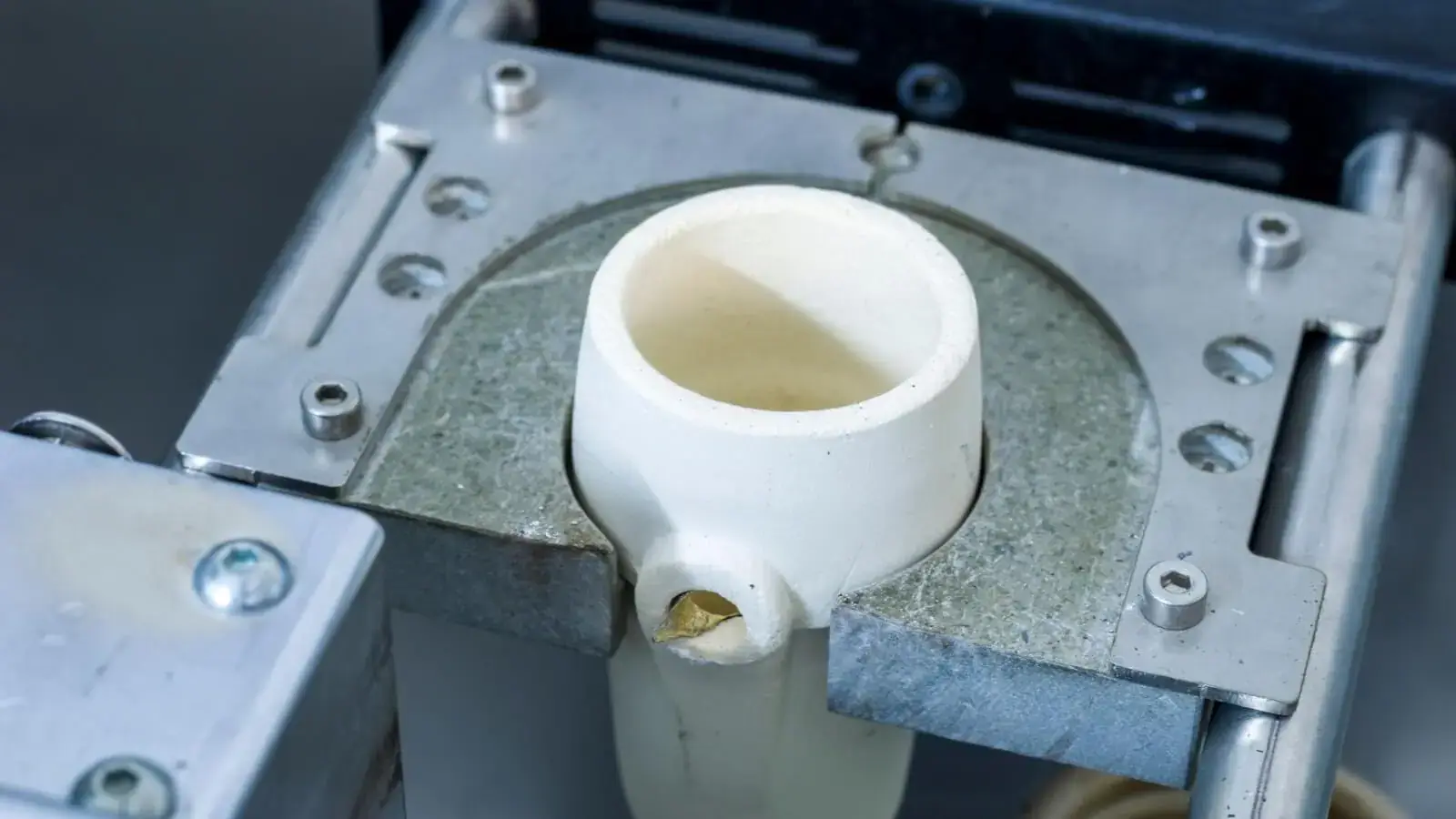
Vacuum casting is a versatile manufacturing process initiated by creating a master model, often through 3D printing or CNC machining. This master model is then encased in liquid silicone to form a durable mold.
Once cured, this mold is used to produce parts by introducing a resin under a vacuum, effectively removing air bubbles and ensuring a flawless surface finish. Predominantly used for small to medium production runs—typically between 10 to 100 units—vacuum casting is renowned for its ability to faithfully reproduce complex geometries and achieve superior surface qualities, making it ideal for prototype development and final product simulations.
What is Injection Molding?
Injection molding is a type of molding process used in high-volume manufacturing settings where consistency and precision are paramount. In the injection molding process, material in a molten state is injected under high pressure into robust metal molds, typically crafted from steel or aluminum.
This technique allows for exceptional precision and minimal variability, making it ideal for the mass production of identical parts. The molds, although expensive to fabricate, offer a long lifespan and reduce the unit cost significantly when spread across large production volumes.
Injection molding accommodates a broad spectrum of materials, enhancing its utility across diverse applications that require specific mechanical properties such as high strength, durability, and chemical resistance.
What is the Difference Between Injection Molding and Vacuum Casting?
When comparing vacuum casting and injection molding, it’s essential to understand the fundamental differences in their technological processes and operational efficiencies. Both methods serve distinct production needs influenced by volume, cost, speed, material options, and the precision required in the final products.
- Volume and Cost: Injection molding is notable for its high initial costs primarily due to the need for robust, durable metal molds. However, these costs are offset by the low per-unit expense when production volumes are high, making it economically viable for mass production. Conversely, vacuum casting uses less expensive silicone molds, which are quicker and cheaper to produce but are less durable, handling only about 20-30 parts before needing replacement. This makes vacuum casting a more cost-effective solution for small to medium production runs.
- Speed and Setup: Vacuum casting offers a significant advantage in setup speed, making it ideal for rapid prototyping and small production batches where time is a critical factor. The process involves simpler and quicker mold preparation, significantly reducing the time from design to product. On the other hand, injection molding involves longer mold creation times and higher initial setup costs, but once operational, it excels in high-speed mass production, far surpassing the production rates of vacuum casting.
- Material Options: Injection molding supports a vast array of materials, including various thermoplastics and elastomers, allowing for greater flexibility in material properties such as strength, durability, and heat resistance. This breadth of material options is crucial for applications requiring specific performance criteria. In contrast, vacuum casting is typically limited to polyurethane resins, which, while versatile, are generally less robust than the materials used in injection molding but can simulate the appearance and feel of a broader range of materials.
- Precision and Detail: The precision of injection molding is virtually unmatched due to the use of metal molds that can be engineered to meet exact specifications with tight tolerances. This method is preferred for complex, intricate designs requiring high levels of detail and consistency. Vacuum casting, while capable of producing high-quality parts with good detail, is generally more suited to less complex items and is favored for its excellent aesthetic qualities rather than dimensional precision.
How Do Vacuum Casting and Injection Molding Compare?

When considering the manufacturing of plastic components, two methods stand out: vacuum casting and injection molding. Each technique offers distinct advantages and efficiencies, making them suitable for different types of production needs. Below, we compare these methods based on several key factors to help elucidate their cost-effectiveness for potential applications.
Cost Effectiveness
The economic viability of vacuum casting and injection molding is influenced significantly by the initial setup and mold costs, as well as the ongoing per-unit production costs associated with each method.
Initial Setup and Mold Costs
The financial outlay for setting up manufacturing systems can significantly influence the choice between vacuum casting and injection molding.
- Injection Molding incurs high initial setup costs due to the need for creating durable metal molds. These molds, while expensive, are crucial for mass production as they withstand high pressures and temperatures, making them a worthwhile investment for large-scale production runs.
- Vacuum Casting, in contrast, involves lower initial expenses as it utilizes silicone molds that are less costly and faster to produce. However, these molds wear out quickly, typically after 20-30 uses, necessitating frequent replacements which can increase long-term costs for ongoing projects.
Per-unit Production Costs
The cost per unit is a vital consideration in determining the efficiency of a manufacturing process.
- Injection Molding offers lower per-unit costs at higher production volumes, benefiting from economies of scale. Once the initial investment in mold creation is recovered, the cost of producing additional parts is relatively low, making it ideal for high-volume orders.
- Vacuum Casting tends to have higher per-unit costs, primarily due to the lower number of parts a single mold can produce before needing replacement. This method is more cost-effective for smaller production runs where the high detail and quality of each cast part are paramount.
Economies of Scale
Both vacuum casting and injection molding offer unique advantages depending on the scale of the production and the specific needs of the project.
- Injection Molding is highly efficient for large-scale production runs, making it an ideal choice for manufacturing thousands to tens of thousands of parts. Its capability to produce vast quantities efficiently stems from the durability and longevity of metal molds, which, despite their high initial cost, reduce the per-unit price significantly when amortized over many cycles.
- Vacuum Casting, on the other hand, shines in small to medium-volume production scenarios, typically up to 100 parts. This method is favored for its lower initial setup costs and faster turnaround times, making it perfect for prototypes and small batches where flexibility in design and material choice is crucial.
Cost of Raw Materials
Material costs also differentiate these two methods considerably.
- Injection Molding offers the flexibility to use a broad range of materials, including cost-effective engineering plastics that are suitable for extensive industrial applications. This flexibility allows manufacturers to optimize costs based on the material properties required for specific parts.
- Vacuum Casting predominantly utilizes polyurethane resins, which can mimic the properties of various plastics used in injection molding. However, these resins generally come at a higher cost compared to the bulk materials used in injection molding, potentially increasing the overall cost of production per unit.
Production Speed and Lead Time
The choice between vacuum casting and injection molding can also hinge significantly on the required speed and lead times of production.
Time Required for Mold or Tool Creation
The time it takes to create molds can significantly affect a project’s timeline. Injection molding involves the creation of metal molds which can take upwards of two weeks to manufacture but are essential for long-term use in mass production.
Vacuum casting, however, typically requires just 5 to 7 days to create a mold because the process uses silicone, which is quicker to shape and cure. This rapid turnaround makes vacuum casting ideal for projects needing quick completion and where detail and finish quality are crucial.
Cycle Times per Production Run
Regarding the actual production run, injection molding offers faster cycle times, usually between 20 to 60 seconds per part, which is beneficial for large-volume orders. This is due to the automated nature of the machinery and the quick cooling times of the thermoplastics used.
Vacuum casting, in contrast, has slower cycle times because each part must be manually cast and the resins used require more time to cure within the mold. The vacuum process, necessary to ensure high-quality detail and finish without air bubbles, also adds to the overall cycle time, making this method less suitable for large runs but excellent for detailed prototypes and small-batch production where quality and accuracy are paramount.
Overall Lead Times from Concept to Delivery
When considering the time from concept to delivery, each method presents different benefits based on the complexity and volume of the production.
- Injection Molding: This process is known for its longer lead times initially, primarily due to the time required to create durable metal molds. These molds, while taking two weeks or more to produce, facilitate a much faster production phase, making injection molding a go-to for projects that benefit from longer planning phases but require quick execution once production begins.
- Vacuum Casting: Known for its agility, vacuum casting has significantly shorter mold setup times, often within 5-7 days. This rapid turnaround is advantageous for projects needing quicker delivery from concept to completion. Although the production speed per unit may be slower than injection molding, the overall lead time can be shorter, making vacuum casting ideal for projects with tight deadlines and smaller volume requirements.
Ability to Meet Tight Deadlines
The flexibility in meeting tight deadlines also varies significantly between these two manufacturing processes.
- Injection Molding: This method is less flexible for tight deadlines due to the extended lead times required for mold creation. Once the molds are ready, however, the actual production is swift, thanks to the fast cycle times of the injection molding machines. This makes it suitable for large-scale projects where the initial timeline allows for the creation of molds.
- Vacuum Casting: Conversely, vacuum casting offers greater flexibility for rapid prototyping and urgent project demands, especially for small to medium volumes. The quick mold production and setup times allow for a faster response to project changes and deadline pressures.
Material Options and Properties
8 Min
Comment
0 comments
Got thoughts or experiences to share? We’d love to hear from you!