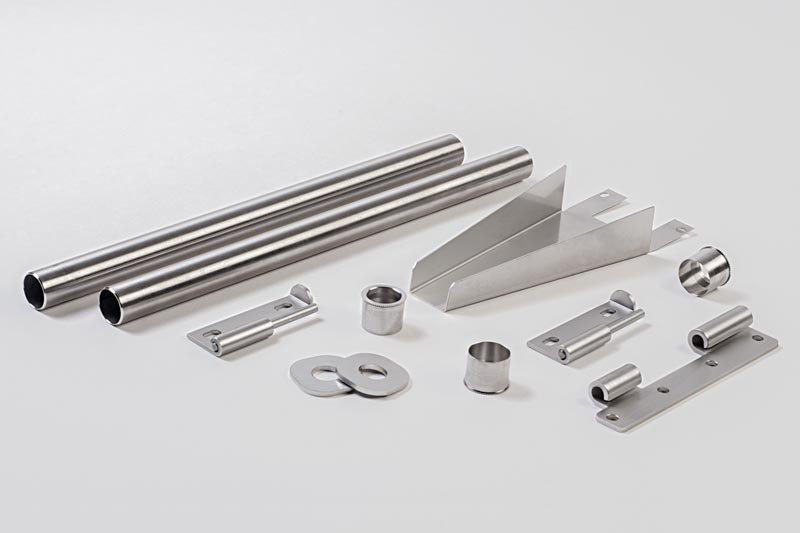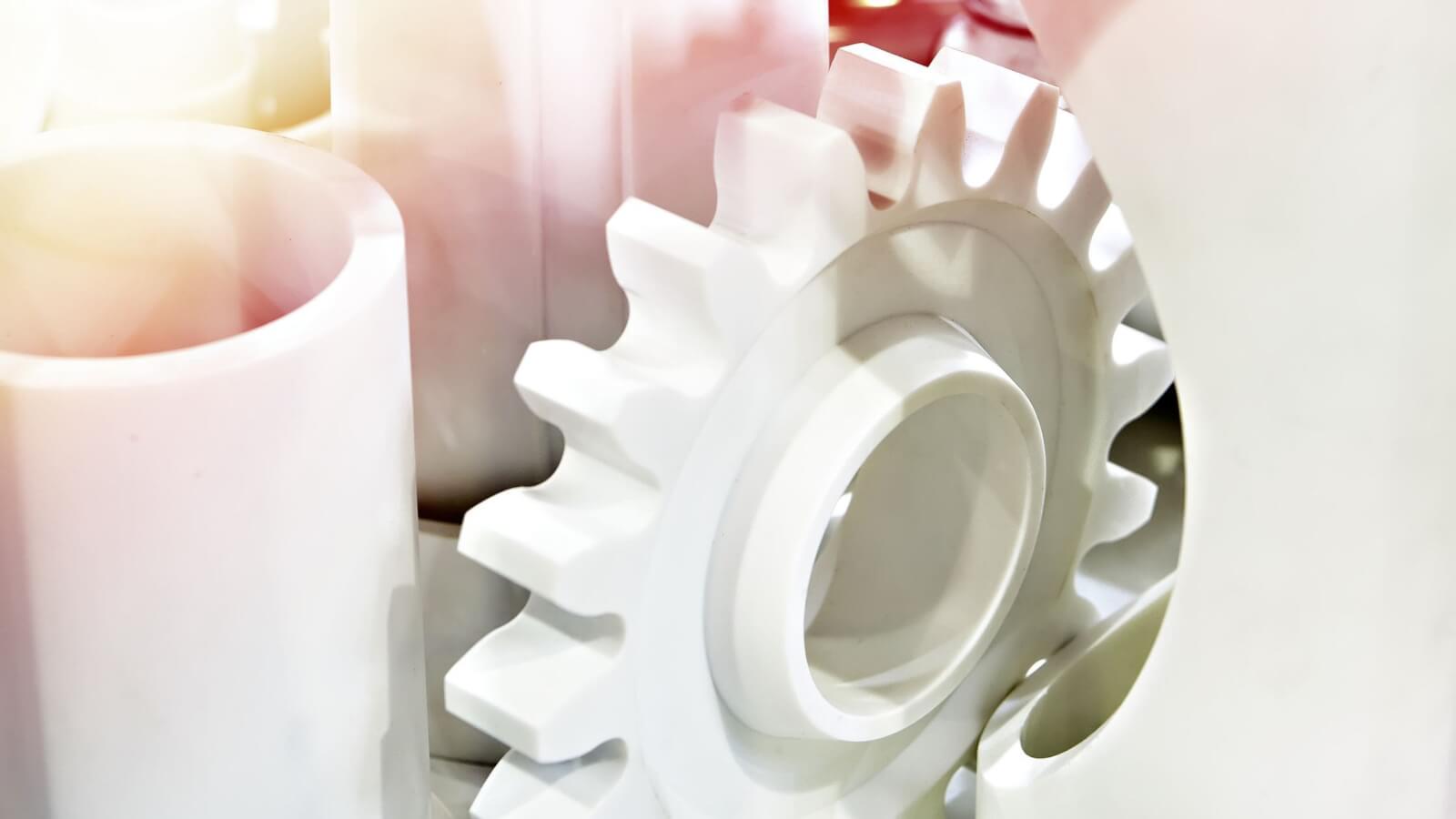

Every manufactured part has a surface, and that surface decides how the part behaves: whether it corrodes in a marine environment, whether a medical instrument can be sterilized, whether an electronic housing dissipates heat or blocks interference. Surface finishing is the discipline of controlling that surface — mechanically, chemically, or with applied coatings — and it is one of the highest-leverage decisions in the entire manufacturing process.
At SHBD Metal, surface finishing is quoted and planned alongside machining, so the finish and the geometry are designed as one system. This guide explains the main finishing processes for metal and plastic parts, what each one achieves, and how to choose between them with confidence.
What Is Surface Finishing?
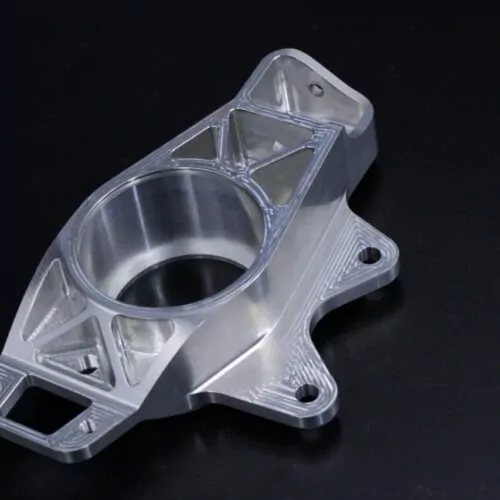
Surface finishing encompasses all post-manufacturing operations that change a part's surface properties. The objectives are protection (corrosion and wear resistance), aesthetics (color, texture, gloss), and function (electrical conductivity, solderability, low friction, cleanability). Processes fall into three families:
- Mechanical — grinding, sanding, polishing, bead blasting, tumbling.
- Chemical — anodizing, passivation, black oxide, chromate conversion, etching.
- Coating — painting, powder coating, e-coating, electroplating, PVD.
Each family changes the surface in a different way, and each has its own cost, tolerance impact, and environmental footprint. Understanding the families is the first step to specifying the right finish.
Mechanical Finishing Processes
Mechanical finishing changes the surface by abrasion. It is used to remove tool marks, burrs, and scale; to round edges; and to control roughness before coating or plating.
Grinding, Sanding, and Polishing
Grinding uses abrasive wheels to remove material and correct geometry; it is a machining step as much as a finish. Sanding progressively refines the surface with finer abrasives, removing tool marks and scratches. Polishing takes the surface to a high gloss or mirror finish with buffing compounds — standard for molds, medical instruments, and decorative metal. Each stage adds labor, so the spec should match the need: a brushed finish costs less than a mirror.
Bead Blasting and Sandblasting
Bead blasting (glass beads) and sandblasting (angular media) clean the surface and create a uniform matte texture. Blasting hides machining lines, improves coating adhesion, and is often a pre-treatment for anodizing or painting. Angular media cut more aggressively and can produce a satin finish with higher roughness; beads produce a smoother, denser matte.
Vibratory Tumbling
Vibratory tumbling deburrs and rounds small parts in bulk. Thousands of components are loaded into a vibrating bowl with abrasive media, and hours later they emerge with uniform edge radiusing. It is one of the most economical finishing processes per part — ideal for fasteners, springs, and small machined components.
Chemical Finishing Processes
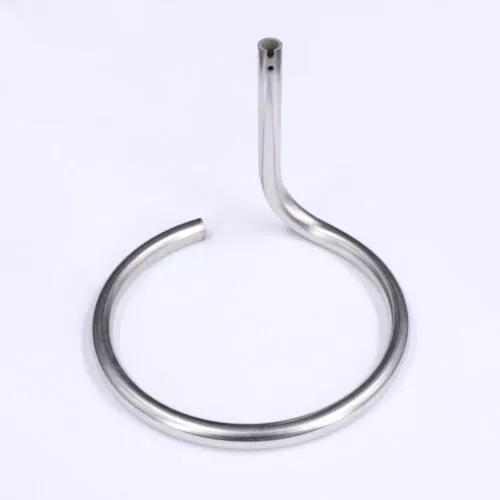
Chemical processes convert the surface layer of the part itself, rather than adding a coating on top. The result is integral to the material — it cannot peel or chip.
Anodizing
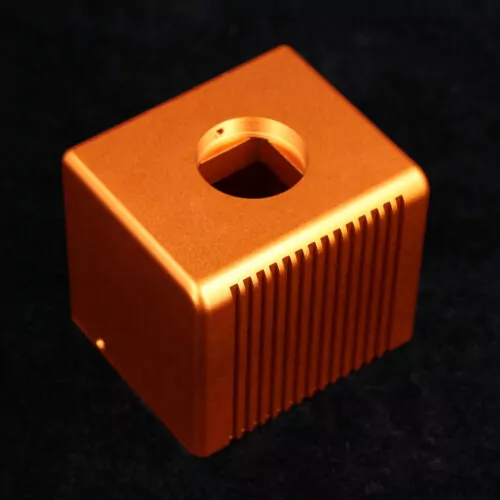
Anodizing grows a hard aluminum oxide layer on aluminum (and titanium) through electrolysis. Type II anodizing gives corrosion protection and accepts dyes; Type III hard coat gives exceptional wear resistance. Because the layer is porous before sealing, it can also serve as a base for additional treatments. Anodized parts are dielectric, UV-stable, and available in a wide color range — the default finish for aluminum across electronics, automotive, and aerospace.
Passivation
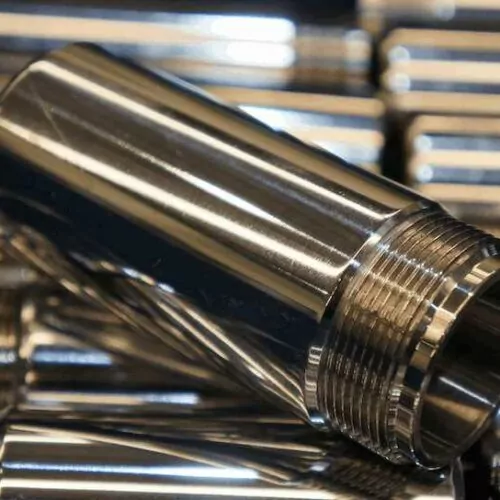
Passivation removes free iron from stainless steel surfaces with an acid bath, allowing a protective chromium oxide layer to form. It does not change appearance, but it dramatically improves corrosion resistance — and it is effectively mandatory for medical and food-contact stainless parts.
Black Oxide and Chromate Conversion
Black oxide converts the surface of steel into a thin black magnetite layer, adding mild corrosion protection and a professional appearance, with negligible dimensional change — ideal for tooling and fasteners. Chromate conversion (alodine) does the same job for aluminum, improving paint adhesion and corrosion resistance on parts that will be assembled, painted, or used in aerospace.
Coating and Plating Processes
Coating and plating processes deposit a new layer on the part, adding thickness that must be accounted for on tolerances.
Powder Coating and E-Coating
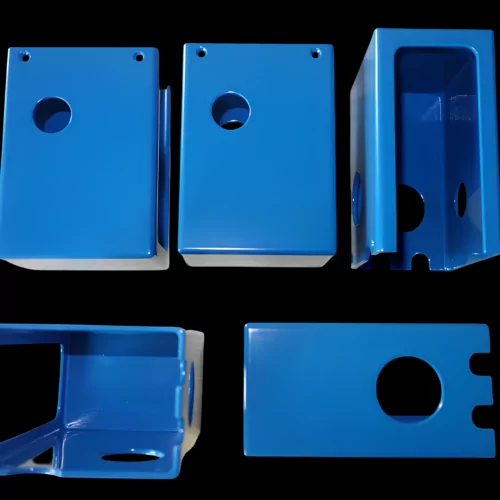
Powder coating cures a dry polymer powder into a tough 60–120 µm film. It delivers outstanding impact and corrosion resistance, full color matching, and good coverage of edges — the standard for outdoor equipment, frames, and enclosures. E-coating (electrodeposition) applies a thin, uniform primer layer even inside complex geometries, making it a superior base for topcoats and a strong standalone finish for automotive components.
Electroplating
Electroplating deposits metal — zinc, nickel, chrome, copper, gold, tin — using an electric current. Zinc and zinc-nickel protect steel from corrosion; nickel hardens and brightens; chrome adds wear resistance and gloss; gold and tin provide conductivity and solderability. Plated layers are 5–25 µm thick, so they affect press fits and threads — plating thickness must be specified on the drawing.
Painting and PVD
Painting remains the most flexible finish for color, texture, and multi-tone designs, applied over a conversion or e-coat primer for durability. Physical vapor deposition (PVD) deposits ultra-thin, extremely hard ceramic or metal films — the gold, rose-gold, and black finishes on watches and consumer electronics. PVD coatings are thin enough to preserve tolerances and hard enough to resist scratching.
Surface Finishing for Plastic Parts
Plastics need a different finishing toolbox. Vapor polishing smooths machined or printed thermoplastics with solvent vapor, restoring clarity to acrylic and PC. Painting and pad printing add color and graphics to molded housings. EMI shielding — electroless copper/nickel plating — makes plastic enclosures block electromagnetic interference. Laser marking creates durable, high-contrast labels without consumables. For machined plastic parts, light bead blasting or tumbling removes machining marks, and flame or solvent polishing clarifies cut edges.
Tolerances, Lead Time, and Cost
Every finish interacts with tolerances. Additive coatings (plating, powder, paint) grow the part; conversion processes (anodize, black oxide) both grow and consume the surface. On fits tighter than 25 µm, finish thickness must be engineered in — or the finish applied before a final machining pass. Lead times range from same-day for blasting to several days for multi-stage chemical lines and plating baths. Cost follows labor and chemistry: bulk mechanical finishes are cheap, polished and multi-layer systems are not.
Choosing a Finishing Partner
A finish is only as reliable as the process control behind it. Look for documented bath chemistry, calibrated thickness measurement, adhesion testing, and masking capability for features that must stay bare. The finish should be part of the DFM review, not an add-on discovered after quoting. See how we integrate finishing into CNC machining programs, compare substrate options in our materials guide, and review the inspection methods behind our quality assurance system.
Frequently Asked Questions
What is the difference between anodizing and powder coating?
Anodizing converts the aluminum surface into an integral oxide layer that cannot peel, is dielectric, and accepts dyes; it is limited to aluminum and titanium. Powder coating deposits a thick polymer film that provides superior impact and corrosion protection on steel and aluminum, in any color, but adds noticeable thickness and can chip under hard impact.
Does surface finishing change part dimensions?
Yes. Plating, painting, and powder coating add material (5–120 µm depending on the process). Anodizing grows outward and inward simultaneously. Conversion and abrasive processes can remove microns. On tight tolerances, account for finish thickness in the design or apply the finish before final machining.
Which finish is best for stainless steel?
For most stainless parts, passivation is the correct minimal finish — it maximizes corrosion resistance without changing appearance. For cosmetics, bead blasting, brushing, and electropolishing are common. Avoid plating stainless unless electrical or wear properties require it.
Can plastic parts be electroplated?
Yes. Plastics are plated after a multi-step pre-treatment that deposits a conductive seed layer (electroless copper or nickel), after which standard electroplating follows. This is how chrome-look plastic trim and EMI-shielded enclosures are made.
How do I specify a surface finish on my drawing?
State the finish by name, the required thickness range, and which surfaces it applies to. Include cosmetic notes (color, gloss, texture) and functional notes (conductivity, hardness). Reference finish standards where applicable, and confirm masking requirements for threads, bearing surfaces, and mating faces.
Specify the Right Finish with Confidence
At SHBD Metal, surface finishing is planned from the first design review — not bolted on after quoting. Our engineers will recommend the process that meets your performance, appearance, and budget targets, then execute it with documented quality control.
Upload your CAD files today and receive a detailed quote with finish options, tolerances, and lead times within hours. From a single prototype to full production, your parts will leave our floor ready for service.