
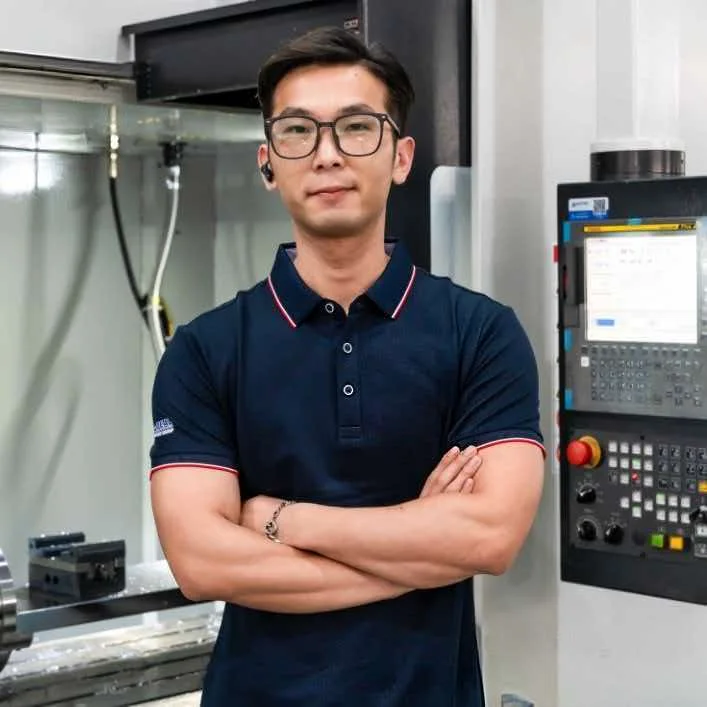
When manufacturing demands high-volume metal components with consistent quality and tight dimensional tolerances, few processes can match the speed and repeatability of die casting. This manufacturing technique forces molten metal into precision-machined steel dies under substantial pressure, producing net-shape or near-net-shape parts in seconds. From automotive engine blocks to electronic device housings, die casting touches virtually every industry that relies on metal components produced at scale.
This guide covers the fundamentals of die casting — how the process works, the materials it supports, design guidelines that maximize part quality, and where it fits alongside other manufacturing methods. Whether you are evaluating die casting for a new product or looking to deepen your understanding of the technology, the information below provides a practical foundation.

What Is Die Casting?
Die casting is a metal-forming process in which molten non-ferrous alloy is injected into a steel mold, or die, at high pressure and speed. The metal fills the cavity, solidifies rapidly under sustained pressure, and is then ejected as a finished or near-finished part. Unlike sand casting, which relies on gravity to fill the mold, die casting uses mechanical force to propel the molten metal into every recess, thin wall, and intricate detail of the die cavity.
The defining characteristic of die casting is speed. A single cycle — from injection to ejection — can take anywhere from a few seconds for small zinc parts to under a minute for medium-sized aluminum components. This rapid production rate makes die casting one of the most cost-effective manufacturing methods for large production runs, particularly when the per-part cost must be kept low after the initial tooling investment is recovered.
Die casting occupies a unique position in the manufacturing landscape. It bridges the gap between traditional casting processes and precision machining, offering the geometric freedom of casting with dimensional accuracy that often eliminates or minimizes the need for secondary operations. Components produced by die casting typically require only trimming of flash and, in some cases, light machining on critical surfaces before they are ready for use.
How Die Casting Works

The die casting cycle follows a repeating sequence of steps that can be fully automated for high-volume production. Understanding each stage helps in designing parts that take full advantage of the process capabilities.
Hot Chamber Die Casting

In the hot chamber process, also known as gooseneck casting, the injection mechanism is immersed directly in the molten metal bath. A plunger forces the molten metal through a gooseneck channel into the die cavity. When the metal solidifies, the plunger retracts, and the gooseneck refills automatically for the next cycle.
Hot chamber die casting offers several advantages: faster cycle times because the metal is always at temperature, reduced oxidation since the molten bath is protected, and excellent repeatability. However, the submerged mechanism limits this method to metals with lower melting points that will not damage the injection components. Zinc, magnesium, and lead-based alloys are the primary materials processed through hot chamber machines.
The main limitation of hot chamber die casting is material compatibility. Aluminum and copper-based alloys operate at temperatures that would rapidly degrade the gooseneck and plunger assembly, making the cold chamber process the only viable option for those materials.
Cold Chamber Die Casting

Cold chamber die casting separates the melting furnace from the injection mechanism. A ladle transfers a precisely measured amount of molten metal from the holding furnace into the shot sleeve — a horizontal cylinder. A hydraulic plunger then drives the metal through the sleeve and into the die cavity at high pressure.
Because the shot sleeve and plunger are not submerged in molten metal, they can be made from heat-resistant tool steels capable of withstanding the higher temperatures required for aluminum, brass, and copper alloys. This makes cold chamber the preferred method for the vast majority of structural and engineering die castings.
The trade-off is a slightly longer cycle time compared to hot chamber machines, as each shot requires a fresh ladling operation. However, the ability to process higher-temperature alloys and produce larger, stronger parts more than compensates for the additional cycle seconds in most production scenarios.
Variations of the Die Casting Process
Beyond the basic hot and cold chamber distinction, several process variations have emerged to address specific quality and performance requirements. Squeeze casting applies lower injection speeds with high pressure during solidification to reduce porosity. Semi-solid die casting, or thixocasting, uses partially solidified metal slurry that flows more like a highly viscous fluid, producing parts with even less internal porosity and improved mechanical properties.
Materials Used in Die Casting

Die casting is limited to non-ferrous alloys because ferrous metals such as steel have melting points that would damage the steel dies. Within that constraint, a range of alloy families offers different balances of strength, weight, corrosion resistance, and cost.
Aluminum Alloys
Aluminum is the most widely used die casting material, accounting for the majority of die castings produced globally. Alloys A380, A383, and ADC12 are the workhorses of the industry, valued for their excellent castability, good mechanical properties, and natural corrosion resistance. Aluminum die castings are found in automotive transmission cases, engine brackets, electronic enclosures, and consumer appliance components.
A380 offers the best combination of casting characteristics, thermal conductivity, and strength for general-purpose applications. A383 provides improved resistance to hot cracking and is preferred for complex geometries with thin sections. ADC12, common in Asian markets, is similar to A383 and widely specified for automotive and electronics applications.
Zinc Alloys
Zinc alloys, particularly Zamak 3, Zamak 5, and ZA-8, are the second most common die casting materials. Their relatively low melting point (around 390 °C) extends die life significantly compared to aluminum casting, and their excellent fluidity allows for thinner walls and more intricate details. Zinc die castings are commonly used in automotive components, hardware, locks, gears, and decorative parts.
Zamak 3 is the standard general-purpose alloy, offering a good balance of strength, ductility, and impact resistance. Zamak 5 delivers higher strength and hardness. ZA-8 has the highest tensile strength of the zinc family and can be used in load-bearing applications that traditionally require bronze or cast iron.
Magnesium Alloys
Magnesium is the lightest structural metal, with a density roughly two-thirds that of aluminum. Alloys AZ91D and AM60B are the most common die casting grades, offering excellent strength-to-weight ratios and good electromagnetic shielding properties. Magnesium die castings are prevalent in automotive steering wheels, instrument panels, power tool housings, and laptop computer frames.
Copper-Based Alloys
Brass and other copper-based alloys can be die cast, though the high melting temperature shortens die life and increases processing difficulty. These materials are used primarily for plumbing fixtures, valves, marine hardware, and electrical components where corrosion resistance and thermal conductivity are critical.
Lead and Tin Alloys
These low-melting-point alloys are used in specialized applications such as battery terminals, radiation shielding, and decorative castings. Their use has declined due to environmental regulations limiting lead content in consumer products.
Design Considerations in Die Casting

Designing parts for die casting requires attention to several rules that directly affect part quality, tool life, and production cost. Getting these right during the design phase avoids expensive die modifications and production delays.
Draft Angles
Unlike molding processes where the polymer shrinks away from the cavity walls, die cast parts must include draft angles — typically 1 to 3 degrees on external walls and 2 to 5 degrees on internal walls — to allow the solidified casting to be ejected from the die without sticking. Insufficient draft leads to part deformation, surface damage, or cracked ejector pins. Deeper cavities require more draft.
Fillet Radii
Sharp internal corners create stress concentration points and obstruct metal flow during filling. Generous fillet radii, typically at least 0.5 mm for small parts and 1-2 mm for larger ones, promote smooth metal flow, reduce turbulence, and improve the structural integrity of the finished part.
Parting Line
The parting line is where the two halves of the die meet. Placing the parting line thoughtfully — ideally along a single plane through the part's widest cross-section — simplifies die construction and reduces flash. Complex parting lines that follow contoured surfaces are possible but increase tooling cost.
Wall Thickness
Uniform wall thickness is a critical goal in die casting design. Thin walls (0.5-1.0 mm for zinc, 1.0-2.5 mm for aluminum) are achievable and desirable because they cool quickly and reduce material consumption. However, abrupt transitions from thin to thick sections create hot spots that cause shrinkage porosity. Ribs should be used to add stiffness rather than locally increasing wall thickness. A general guideline is to keep wall thickness variations within a 2:1 ratio.
Bosses and Ribs
Bosses — raised pads used for mounting or fastening — should be designed with adequate draft and generous radii at the base. Maintain consistent wall thickness around the boss to prevent sink marks. Ribs should be thinner than the adjoining walls to ensure that the thinner section solidifies first, feeding the thicker section during cooling.
Holes and Windows
Cored holes and openings reduce material consumption and eliminate secondary drilling operations. Through-holes are easier to form than blind holes because the core pin can be supported on both sides. For blind holes, the depth should not exceed three times the diameter to prevent core pin deflection.
Applications and Uses of Die Casting
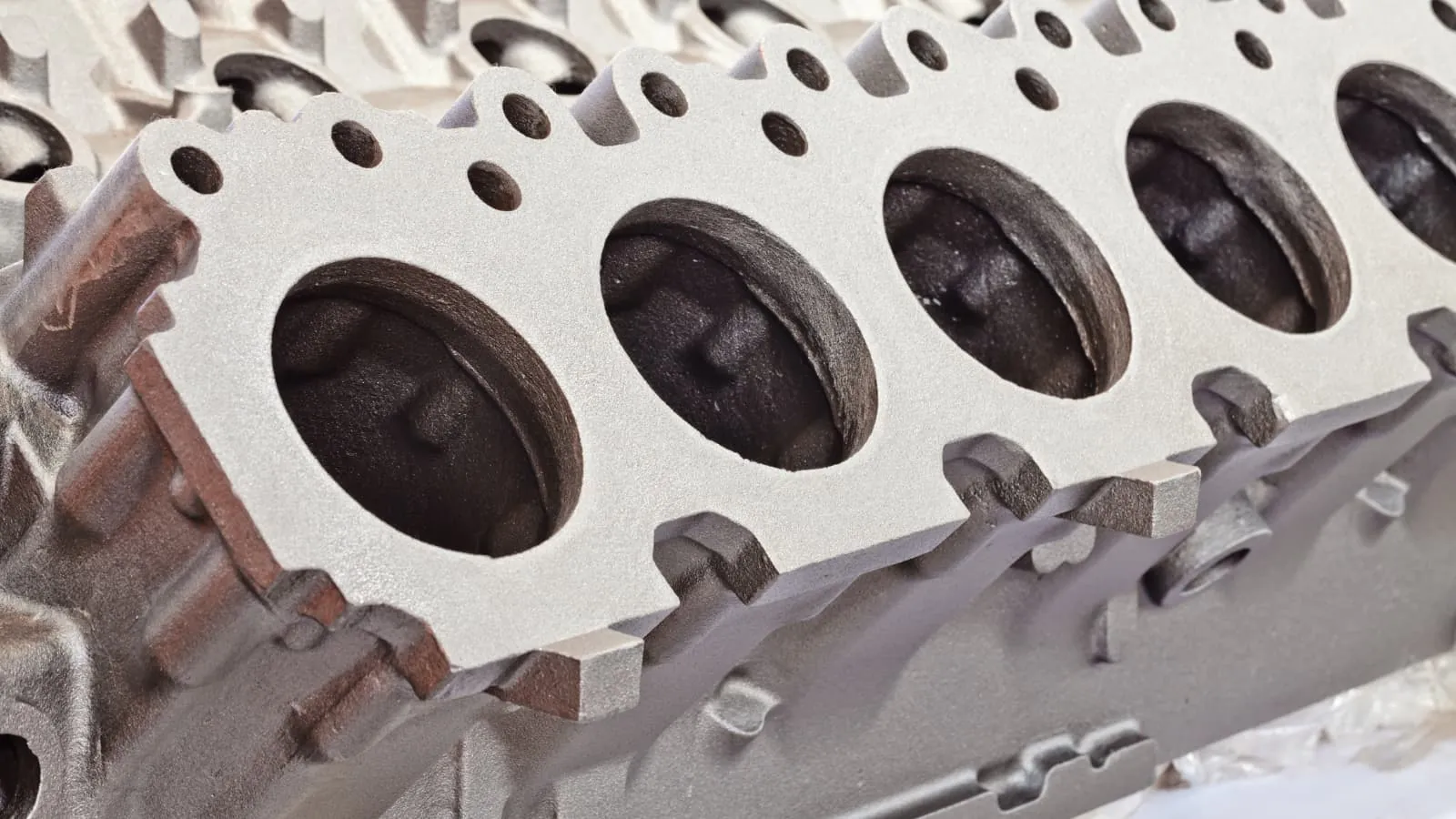
Die casting serves a broad range of industries, each exploiting different combinations of the process's capabilities.
Aerospace
Die cast components in aerospace include interior fittings, seat brackets, electronics housings, and non-structural support components. Magnesium and aluminum alloys are preferred for their light weight. Strict quality standards and the need for X-ray inspection of critical castings keep aerospace applications focused on non-load-bearing parts.
Automotive
The automotive industry is by far the largest consumer of die castings. Engine blocks, transmission housings, cylinder head covers, oil pans, structural cross-members, and a growing number of electric vehicle battery housings and motor frames are produced through die casting. The push toward vehicle weight reduction has accelerated the adoption of thin-wall aluminum and magnesium die castings in structural applications.
Electronics
Consumer electronics rely on die casting for durable, thermally conductive enclosures. Laptop frames, smartphone chassis, camera bodies, LED light housings, and connector shells are commonly die cast from aluminum or magnesium alloys. The process provides the combination of thin walls, tight tolerances, and good surface finish that electronic device housings require.
Consumer Products
Power tools, kitchen appliances, garden equipment, and sporting goods all contain die cast components. The process is ideal for producing the housings, gears, and structural brackets that these products need in large volumes at competitive per-part costs.
Construction and Hardware
Door handles, lock bodies, window fittings, plumbing fixtures, and architectural hardware are frequently die cast from zinc or brass alloys. The excellent surface finish of die cast parts reduces or eliminates the need for polishing before plating or painting, making the process economically attractive for decorative hardware.
Benefits of Die Casting
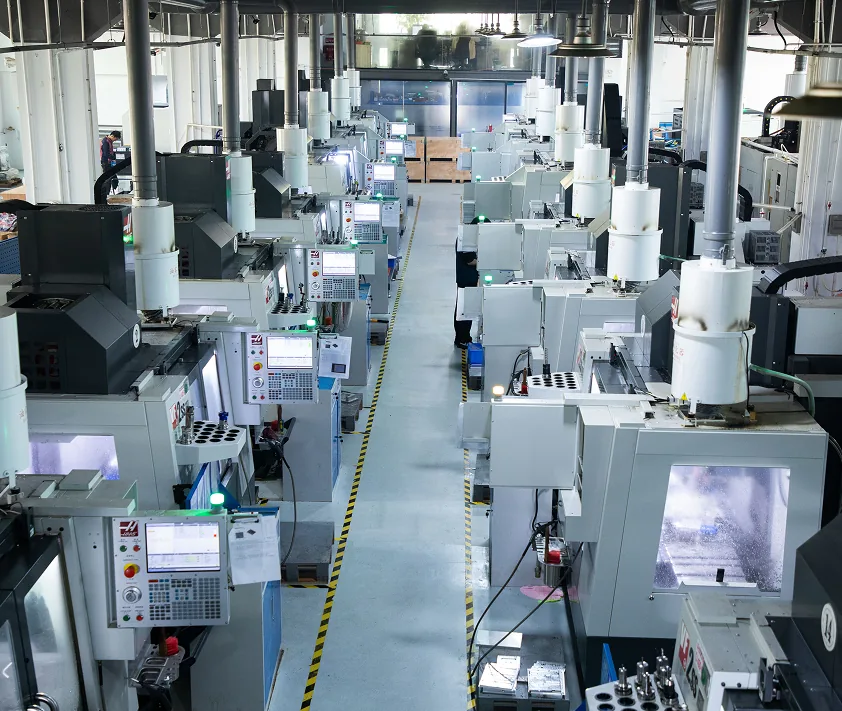
Die casting offers several advantages that make it a cornerstone of high-volume metal parts manufacturing.
Exceptional Dimensional Accuracy
Die cast parts are produced to tight tolerances directly from the die, often within ±0.1 mm for small components. This level of precision reduces or eliminates the need for secondary machining, saving both time and cost in the production chain.
Geometric Complexity
The ability to produce intricate shapes with thin walls, fine details, cored holes, threads, and logos in a single operation sets die casting apart from forging, stamping, and many other metal-forming processes. Complex geometries that would require multiple machining ops or assembly steps can be consolidated into a single die cast component.
High Production Rates
Cycle times measured in seconds rather than minutes make die casting one of the fastest metal-forming methods available. A single die casting machine can produce hundreds or even thousands of parts per day, depending on part size and complexity. Multi-cavity dies multiply this output proportionally.
Smooth Surface Finish
As-cast surface finishes typically range from 1.5 to 3.0 µm Ra, which is acceptable for many functional and cosmetic applications. Parts can be plated, painted, powder coated, or anodized directly without extensive surface preparation.
Long Tool Life
Steel dies used in die casting can last for hundreds of thousands of cycles before requiring refurbishment or replacement. For zinc alloys with lower melting points, die life can exceed one million shots. This longevity spreads the tooling cost across a large production volume, lowering the per-part contribution.
Limitations and Challenges of Die Casting
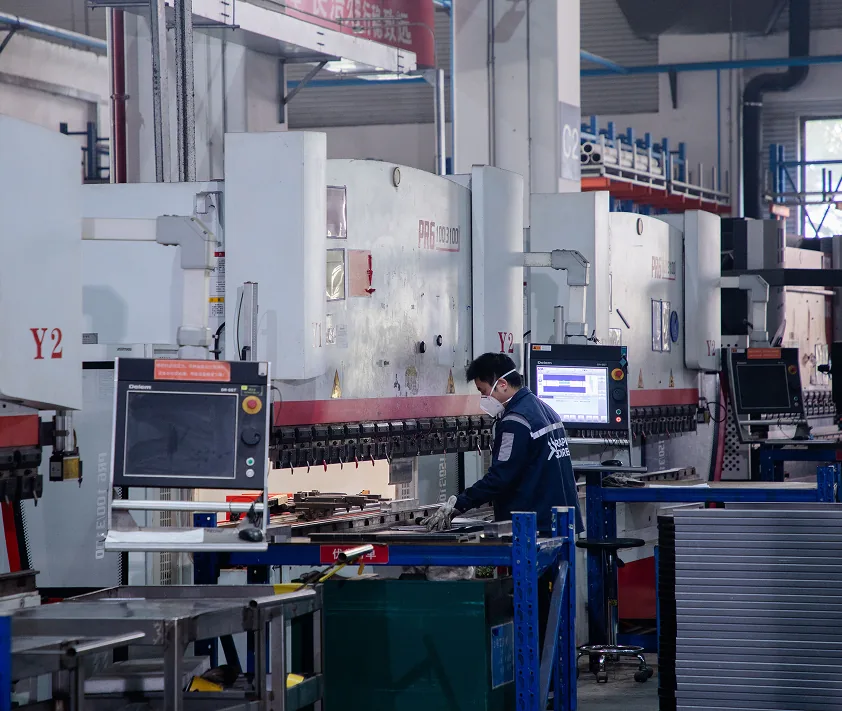
Despite its strengths, die casting has inherent limitations that must be factored into any manufacturing decision.
Ferrous Materials Not Compatible
Steel, iron, and other ferrous alloys have melting points that exceed the operating limits of steel dies. If the application requires a ferrous material, alternative processes such as investment casting, sand casting, or powder metallurgy must be considered.
High Initial Tooling Investment
Die casting dies are expensive. A single-cavity die for a small part can cost $10,000-$30,000, while large, multi-slide dies for complex automotive parts can exceed $150,000. This upfront cost makes die casting economically viable only at higher production volumes where the tooling cost can be amortized over many thousands of parts.
Porosity Concerns
Gas porosity is an inherent challenge in conventional die casting. As molten metal fills the cavity at high speed, air becomes trapped, creating microscopic voids in the solidified part. While these pores rarely affect the appearance or performance of non-structural components, they can cause problems in parts subjected to pressure, heat treatment, or machining that exposes the internal porosity.
Part Size Limitations
Die casting machines have a maximum shot size based on the clamp force and injection capacity. While large machines can produce parts weighing over 25 kg, the practical size range for most die casting facilities centers on parts from a few grams to about 10 kg. Very large parts require processes such as sand casting or permanent mold casting.
Not Suitable for Low Volumes
Because of the high tooling cost and lengthy die design and fabrication lead time (typically 8-14 weeks), die casting is not practical for prototyping or low-volume production. For small quantities, CNC machining, 3D printing, or near-net-shape casting with simplified tooling are more appropriate choices.
Die Casting vs Other Manufacturing Processes
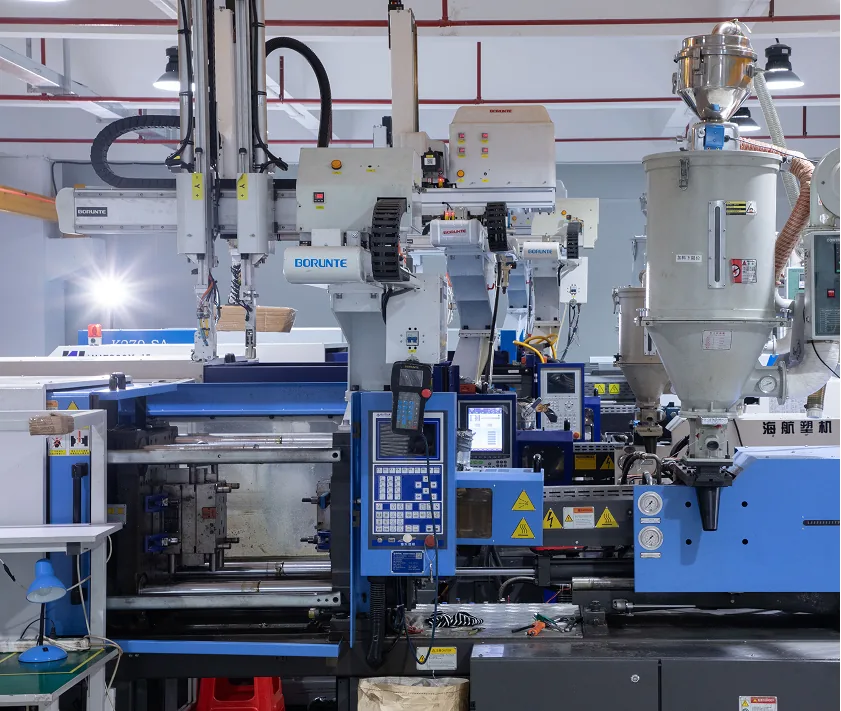
Understanding where die casting fits relative to other metal-forming processes helps in selecting the right manufacturing route for a given project.
Die Casting vs Injection Molding
While the two processes share a similar operational principle — injecting molten material into a closed mold under pressure — they serve fundamentally different applications. Injection molding processes thermoplastic and thermoset polymers, while die casting handles metals. Injection molding operates at lower temperatures and pressures, allowing for less expensive tooling in many cases. Die casting produces parts with significantly higher strength, stiffness, thermal conductivity, and temperature resistance. The choice is primarily driven by material requirements rather than process economics.
Die Casting vs Forging
Forging deforms solid metal billet under compressive force to achieve the desired shape, aligning the grain structure along the part contours. This produces components with superior mechanical strength and fatigue resistance compared to die castings. However, forging cannot produce the intricate geometries, thin walls, or cored features that die casting handles routinely. Forging dies are also expensive, and the process generates significant flash that must be trimmed. Die casting is the preferred choice when part complexity, thin walls, or internal cavities are required; forging wins when maximum strength is the overriding priority.
Die Casting vs Sand Casting
Sand casting uses a disposable sand mold formed around a pattern. It is far cheaper for tooling and suitable for virtually any metal, ferrous or non-ferrous. However, the dimensional accuracy, surface finish, and production rate of sand casting are substantially lower than die casting. Sand casting is ideal for large parts, low volumes, and ferrous materials. Die casting excels where high volume, tight tolerances, and smooth surfaces are required.
Die Casting vs CNC Machining
CNC machining removes material from a solid billet to create the final shape. It offers the tightest tolerances and the widest material selection of any process, but it is slow and generates significant material waste. For complex parts produced in high volumes, machining from solid is rarely cost-competitive with die casting. The two processes are often complementary: die casting produces a near-net-shape blank that CNC machining finishes to final tolerances on critical surfaces.
Conclusion
Die casting remains one of the most efficient and reliable manufacturing processes for producing high volumes of metal components with consistent quality and dimensional accuracy. Its ability to form complex geometries, thin walls, and fine surface detail in a single rapid cycle makes it indispensable across automotive, aerospace, electronics, and consumer product industries.
The choice between hot chamber and cold chamber processes, the selection of the appropriate alloy, and careful adherence to design guidelines all influence the success of a die casting project. While the process carries limitations — high tooling cost, porosity challenges, and incompatibility with ferrous materials — its advantages in speed, precision, and cost efficiency at scale make it the preferred solution for countless production applications.
At SHBD Metal, our die casting capabilities cover both hot and cold chamber processes, supporting aluminum, zinc, and magnesium alloys for projects ranging from automotive components to precision electronic enclosures. Our engineering team works closely with clients to optimize part designs for die casting, ensuring that tooling investments deliver maximum value over the production run.
Contact us at Carina@shbdmetal.com or call +86 182 97910985 to discuss your die casting project requirements.
Frequently Asked Questions
Q: What is the difference between hot chamber and cold chamber die casting?
In hot chamber die casting, the injection mechanism is submerged in the molten metal, enabling faster cycles but limiting the process to low-melting-point alloys like zinc and magnesium. Cold chamber die casting uses a separate ladle to transfer molten metal into a shot sleeve, allowing higher-temperature alloys such as aluminum and copper to be cast at the cost of a slightly longer cycle time.
Q: Can die cast parts be welded?
Yes, die castings can be welded, but the porosity inherent in conventional die cast parts can cause problems during welding. Gas trapped in the material expands under the welding heat, producing bubbles and weak joints. Vacuum-assisted die casting and squeeze casting produce denser parts that weld more reliably. When welding is required, proper preheating and the correct filler alloy are essential.
Q: How long do die casting dies last?
Die life depends on the cast alloy and operating conditions. For zinc alloys, dies can produce 500,000 to over 1,000,000 shots before requiring significant repair. Aluminum dies typically last 100,000 to 300,000 shots. Copper-based alloys, with their higher casting temperatures, may limit die life to 10,000-50,000 shots. Regular maintenance and the use of heat-resistant tool steels extend die service life.
Q: Is die casting cost-effective for small runs?
Generally, no. The high cost of die fabrication (typically $10,000-$150,000) makes die casting economically viable only at volumes above 10,000-50,000 parts, depending on part size and complexity. For smaller quantities, CNC machining, 3D printing, or investment casting are more practical alternatives.
Q: What surface finishes can be applied to die cast parts?
Die cast parts accept a wide range of surface treatments, including powder coating, painting, chromate conversion, anodizing (for aluminum), electroplating (for zinc), and mechanical finishing such as vibratory polishing or bead blasting. The as-cast surface finish is typically smooth enough that minimal pre-treatment is required before coating.
Q: What are the most common defects in die casting?
The most frequent quality issues include porosity (gas trapped during injection), cold shuts (incomplete fusion of metal fronts), flash (metal leaking between die halves), shrinkage cavities (from uneven solidification), and surface blisters. Many of these defects can be minimized through proper die design, process parameter optimization, and the use of vacuum-assist systems.
Comment
0 comments
Got thoughts or experiences to share? We’d love to hear from you!