
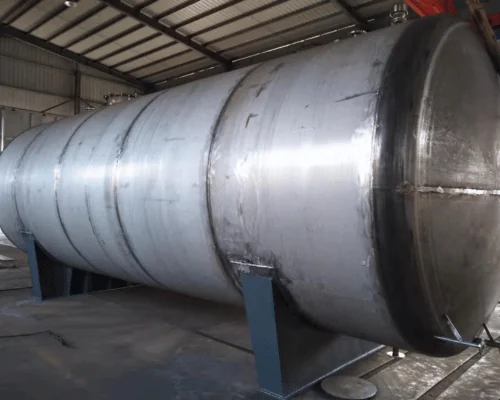
Grade 60
The most commonly specified grade, balancing strength and weldability for moderate-pressure vessels.
Process vessels, exchangersRaw Materials · Carbon Steel Products
A516 is the workhorse pressure vessel plate: four grades, a published strength table, and a toughness requirement that is stated with the grade. Most vessels that are not A285 or A537 are A516, and the grade number is the minimum tensile in ksi.
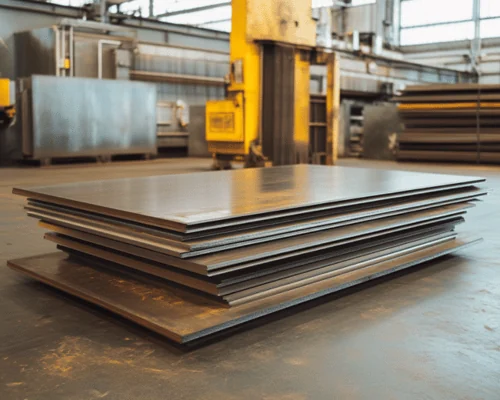
Four routes cover most of what we quote. Each is a different mill or process route, so the size window and the lead time differ even where the grade looks similar.
The most commonly specified grade, balancing strength and weldability for moderate-pressure vessels.
Process vessels, exchangers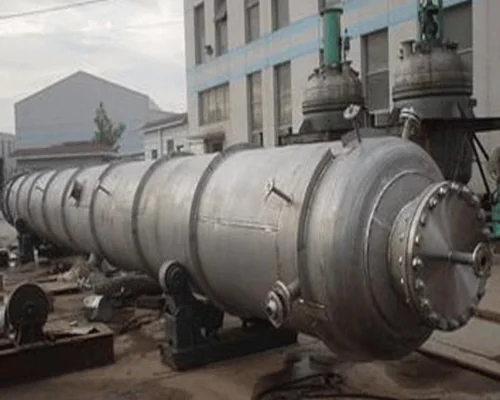
The higher grades, where the design pressure justifies the extra strength and the tighter welding procedure.
Reactors, high-pressure vessels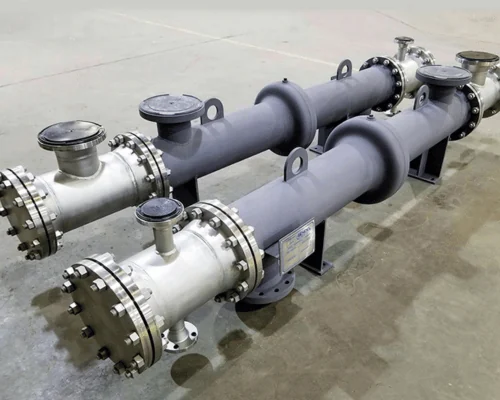
The lowest grade, for vessels where a modest yield is enough and the wall is set by corrosion allowance.
Low-pressure vessels, tanks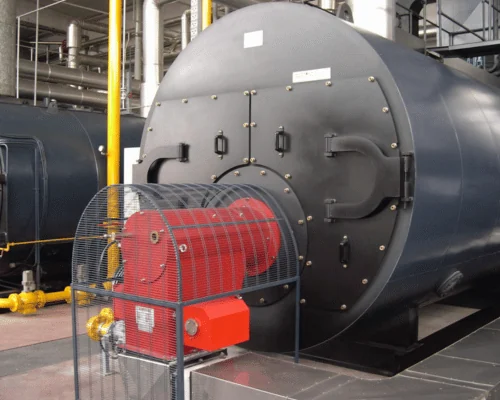
Plate supplied normalized with Charpy testing at the design temperature, which is what low-temperature service requires.
LPG, low-temperature serviceA516 is quoted by grade, thickness and condition. The grade sets the strength, the condition sets the toughness, and both have to match the design code.
Swipe the table sideways for the notes →
| Parameter | Range | What decides it |
|---|---|---|
| Grades | 55, 60, 65, 70 | The number is the minimum tensile in ksi; the yield steps with it. |
| Yield strength | 30 / 32 / 35 / 38 ksi by grade | The allowable stress in the design calculation comes from these values. |
| Tensile strength | 55-75 to 70-90 ksi by grade | The range widens as the grade rises. |
| Thickness | From 5 mm to 200 mm | Impact requirements and welding procedure tighten with thickness. |
| Condition | As-rolled, normalized, normalized and stress relieved | Normalizing is the usual supply condition for low-temperature service. |
| Testing | Tensile and Charpy impact at the specified temperature | The impact test temperature is part of the purchase specification. |
A516 is chosen for four reasons, and the second is the one that makes it the default.
Four grades with defined yield and tensile values let the design calculation pick the plate without testing a sample first.
Normalized A516 holds impact energy at the temperatures that refrigeration and cryogenic service reach.
The chemistry suits conventional welding, and the procedure is well established, which reduces qualification cost.
The grade family covers thin shell plate through heavy-wall sections, so a vessel can be built from one standard.
A516 orders are decided by grade, thickness and impact requirement. We confirm the impact temperature because it changes the condition the mill supplies.
55, 60, 65 or 70. The number is the minimum tensile, and the yield follows in the standard.
It sets the impact test temperature, and therefore whether the plate is supplied normalized.
Shell and head plate nested to the drawing, with allowance for forming on the heads.
Tensile, Charpy and ultrasonic testing as required, with the certificate traceable to the heat.
A516 plate is the default for vessels that see moderate pressure and low temperature together.
Spheres and bullets where the design temperature is low and the toughness requirement drives the grade.
Shells and heads in grades 60 to 70, where the design pressure sets the wall and the grade.
Tube sheets and shells where A516 normalized is the specified material.
Plate for vessels operating below ambient, where impact testing at temperature is mandatory.
Need A516 plate priced by grade, thickness and impact requirement? Send the specification, quantity and any certification requirement and we will come back with what we can supply.
Get Instant Quote