
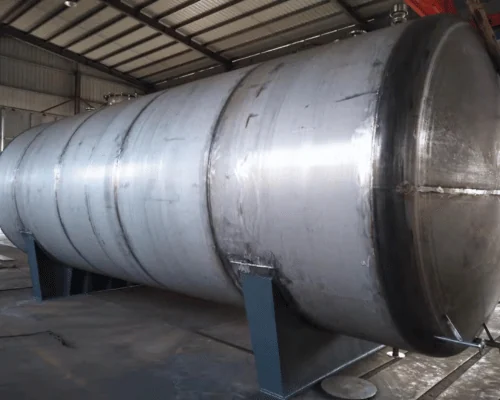
A516 plate
The workhorse vessel plate in four grades, normalized where the design temperature requires impact toughness.
Shells, heads, heat exchangersRaw Materials · Carbon Steel Products
Pressure vessel steel is bought by grade, thickness and heat treatment, because the same chemistry delivers different properties depending on how it was cooled. The design code names the grade; the mill certificate has to prove the condition.
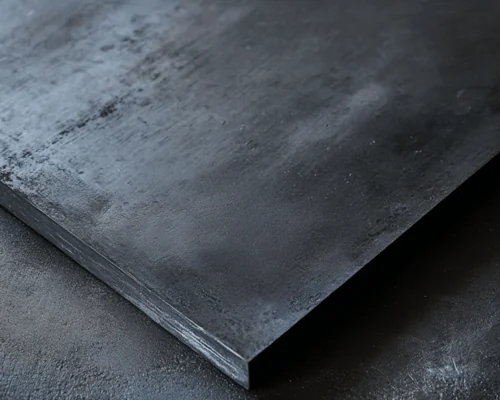
Four routes cover most of what we quote. Each is a different mill or process route, so the size window and the lead time differ even where the grade looks similar.
The workhorse vessel plate in four grades, normalized where the design temperature requires impact toughness.
Shells, heads, heat exchangers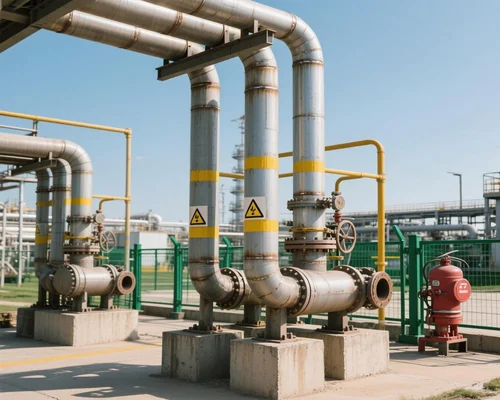
Low-strength plate for large tanks and low-pressure vessels where weldability matters more than yield.
Storage tanks, boilers, baffles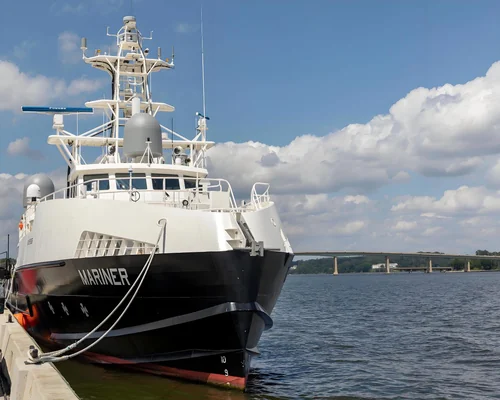
Heat-treated plate in Class 1 and Class 2 for higher strength and toughness at low temperature.
Low-temperature vessels, spheres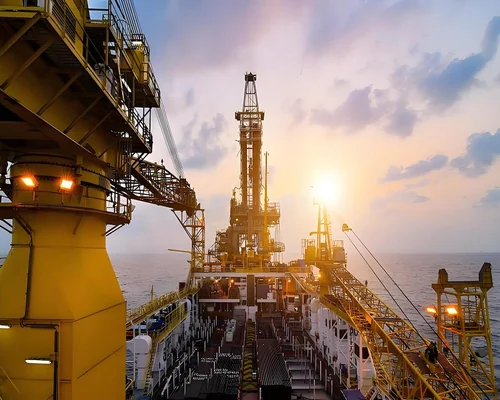
AH32 and AH36 plate to classification society rules, supplied with the impact testing the class requires.
Hulls, offshore structures, decksPlate is quoted by grade, thickness and heat treatment. Where a vessel is designed to a code, the code decides all three, and the quote has to match it.
Swipe the table sideways for the notes →
| Parameter | Range | What decides it |
|---|---|---|
| Grades | A516 Gr 55/60/65/70, A285 A/B/C, A537 Cl 1/2, AH32/AH36 | The grade follows the design pressure and the service temperature. |
| Thickness | From 5 mm to 200 mm depending on grade | Impact requirements tighten as the plate gets thicker. |
| Condition | As-rolled, normalized, quenched and tempered | A537 Class 2 is quenched and tempered; the condition is part of the grade. |
| Width and length | Cut to the shell development | Nesting the plate to the shell reduces weld seams and scrap. |
| Testing | Tensile, impact, ultrasonic on request | Impact testing at the design temperature is what the code asks to see. |
| Documentation | Mill certificate with heat number, EN 10204 3.1 | Traceability is the deliverable as much as the plate. |
Four properties decide the grade, and the third is the one that catches projects out.
Yield and tensile fall as temperature rises, so the allowable stress is read at the operating condition, not at room temperature.
Impact energy at the design minimum temperature decides whether a standard grade is acceptable or a low-temperature grade is needed.
Thick plate needs preheat and post-weld heat treatment; the grade and the condition decide the procedure.
Heavy welded joints pull in the through-thickness direction, which is why ultrasonic testing and cleanliness requirements appear on thick plate.
Vessel plate is ordered against a design code. These are the four items we confirm before quoting so the plate matches the calculation.
A516, A285 or A537 as called up by the code the vessel is designed to.
Normalized and quenched-and-tempered plate are different products at the same thickness.
Test temperature and absorbed energy are quoted with the plate, not added after the order.
Cut to the shell development to reduce seams, with the certificate traceable to the heat.
Pressure vessel plate becomes tanks, columns, exchangers and boilers, where the plate is the pressure boundary.
Shell and head plate for liquid and gas storage, where the grade is set by the design pressure and the design temperature.
Heavy-wall plate for columns and reactors, where thickness and toughness both matter.
Tube sheets, shells and headers where the plate sees pressure and temperature together.
AH32 and AH36 plate for hull and structural work, where classification society rules set the grade.
Need vessel plate quoted by grade, thickness and heat treatment? Send the specification, quantity and any certification requirement and we will come back with what we can supply.
Get Instant Quote