
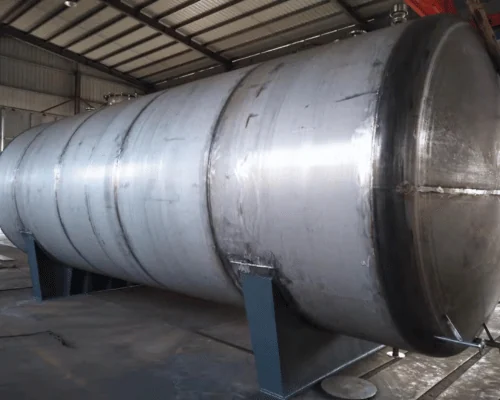
Class 1
Normalized plate for higher strength than A516 with improved toughness, without the cost of quenching.
Pressure vessels, spheresRaw Materials · Carbon Steel Products
A537 is the heat-treated step above A516: higher strength, better toughness at low temperature, and a class number that states the heat treatment. Class 1 is normalized; Class 2 is quenched and tempered, and the two are not interchangeable.
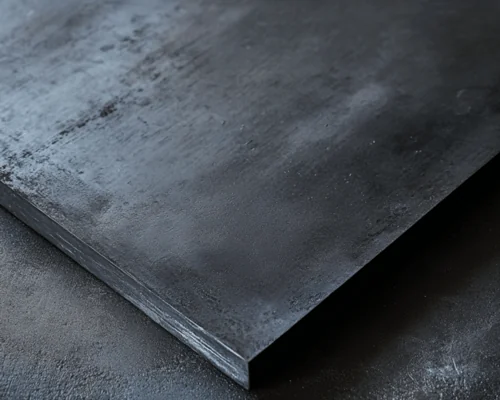
Four routes cover most of what we quote. Each is a different mill or process route, so the size window and the lead time differ even where the grade looks similar.
Normalized plate for higher strength than A516 with improved toughness, without the cost of quenching.
Pressure vessels, spheres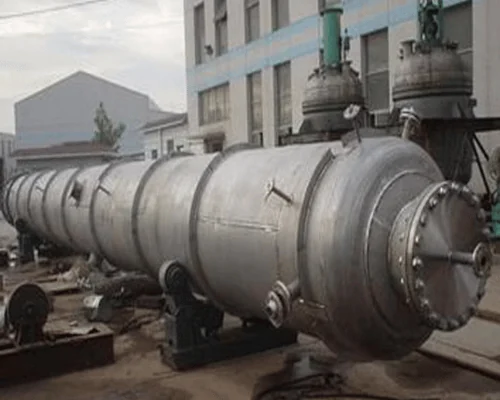
Quenched and tempered plate with the highest strength in the family, for thick-wall low-temperature service.
Heavy reactors, low-temperature vessels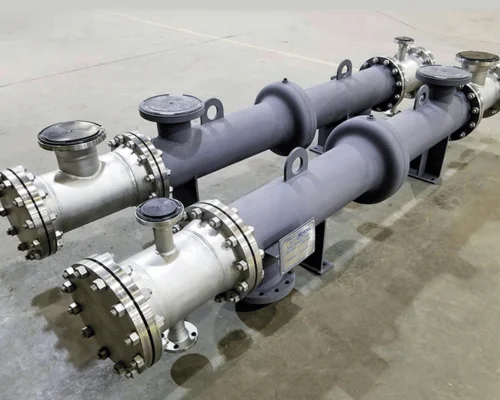
Charpy testing at the design temperature, recorded against the heat so the certificate matches the plate.
Cold-service vessels, offshore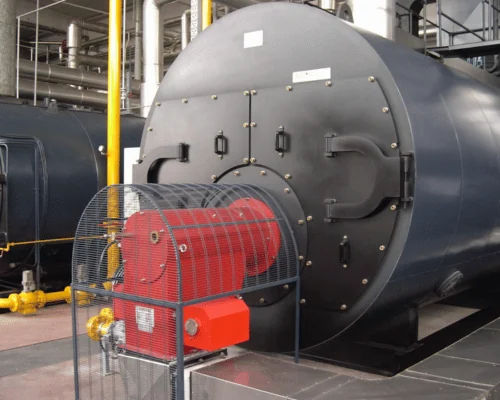
Thick plate nested to the shell development, with the weld seams and the grain direction allowed for at the design stage.
Shell courses, heads, heavy nozzlesA537 is quoted by class, thickness and test temperature. The class decides the strength and the price, so it belongs on the enquiry rather than in a note.
Swipe the table sideways for the notes →
| Parameter | Range | What decides it |
|---|---|---|
| Classes | Class 1 (normalized), Class 2 (quenched and tempered) | Class 2 gives the higher strength and the tighter toughness. |
| Yield strength | Around 50 ksi Class 1, around 60 ksi Class 2 | The design calculation uses the value for the class supplied. |
| Tensile strength | 70 – 90 ksi | The range is defined by the standard for both classes. |
| Thickness | From 5 mm to 150 mm | Heavy plate is where the heat treatment and the impact testing matter most. |
| Testing | Tensile and Charpy impact at the specified temperature | The test temperature is stated with the class on the order. |
| Documentation | Mill certificate showing class, heat treatment and heat number | The certificate is the evidence that the class was applied. |
A537 is specified for four reasons, and the third is why it exists at all.
A higher yield at the same thickness means a lighter vessel, or the same pressure in less plate.
The heat treatment is what delivers impact performance below the range where as-rolled plate is acceptable.
Class 2 is quenched and tempered, and that is a property of the delivered plate, not of the chemistry.
Higher strength plate needs a matching procedure and often post-weld heat treatment, which the class and thickness decide.
A537 orders are decided by class, thickness and impact temperature. We confirm all three because the class changes both the price and the lead time.
Class 1 where normalized plate meets the calculation, Class 2 where the higher yield is needed.
It decides the test regime and whether the plate can be supplied in that class at that thickness.
Heavy plate nesting follows the shell development, and weld seams are minimised at the design stage.
Tensile, Charpy and any ultrasonic requirement, with the heat treatment recorded on the certificate.
A537 plate is used where a vessel has to be strong and tough at the same time, usually at low temperature.
Vessels operating below ambient where the impact requirement rules out the standard grades.
Spheres and bullets where a thinner wall reduces the weight and the welding on site.
Thick plate in Class 2 where the design pressure and the diameter both push the wall up.
Pressure and structural plate for installations where low temperature is a design condition.
Need A537 plate quoted by class, thickness and test temperature? Send the specification, quantity and any certification requirement and we will come back with what we can supply.
Get Instant Quote