Elbows
45°, 90° and 180° returns in the same schedule as the pipe, so the bore lines up and the weld prep matches the run.
Direction changes, headers, offsetsRaw Materials · Carbon Steel Products
A fitting is where a line changes direction, size or material, so it sees more stress than the pipe either side of it. The standard, the material grade and the wall schedule have to match the pipe, or the joint becomes the weak point by design.
Four routes cover most of what we quote. Each is a different mill or process route, so the size window and the lead time differ even where the grade looks similar.
45°, 90° and 180° returns in the same schedule as the pipe, so the bore lines up and the weld prep matches the run.
Direction changes, headers, offsets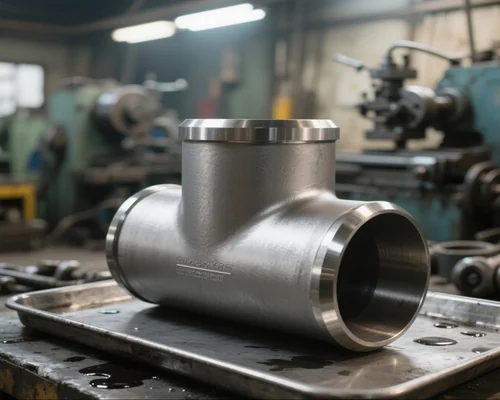
Equal and reducing branches, where the branch size has to match the line it feeds rather than the main.
Branches, manifolds, distribution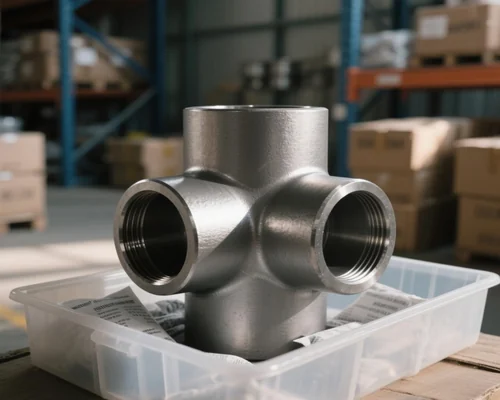
Concentric and eccentric reducers plus caps, for size changes and line ends where the bore has to transition cleanly.
Size changes, line ends, isolation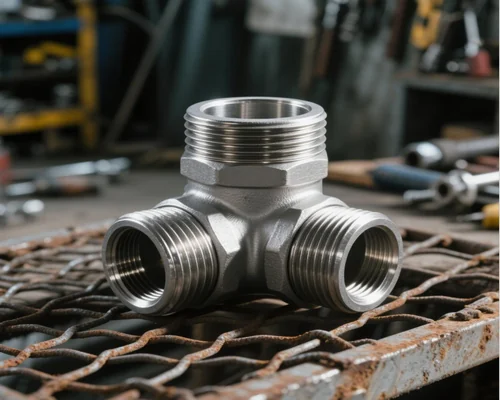
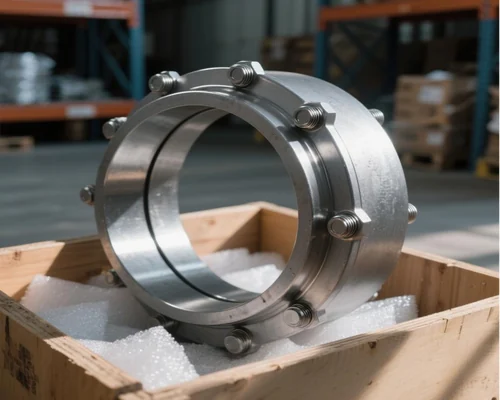
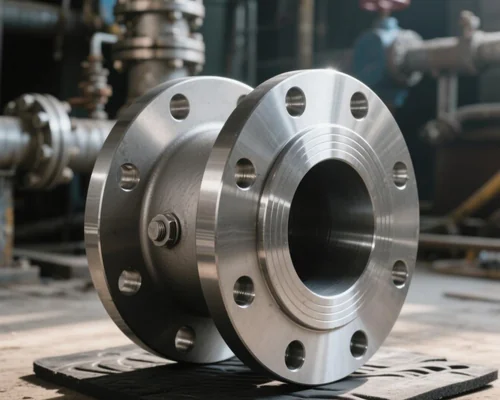
Weld-neck, slip-on, blind and threaded flanges to the matching pressure class, for equipment and valve connections.
Pump and valve connections, spoolsFittings are quoted by type, size, schedule, material and connection. The schedule and the material are the two that get left off an enquiry, and both change the price.
Swipe the table sideways for the notes →
| Parameter | Range | What decides it |
|---|---|---|
| Types | Elbow (45°, 90°, 180°), tee, reducer, cap, stub end, flange | The type follows the line layout; the radius affects pressure drop and space. |
| Size | 1/2" – 48", with reducers across the range | Size against the pipe, and the schedule against the wall. |
| Schedule | SCH 10 – XXS | Wall thickness must match the pipe or the weld prep will not align. |
| Materials | A234 WPB, A105, A420 WPL6, A350 LF2 | Low-temperature service moves the material to the LF grades. |
| Connection | Butt weld, socket weld, threaded, flanged | Threaded and socket weld are limited by size and pressure. |
| Standards | ASME B16.9, B16.5, B16.11; DIN, JIS, BS on request | The standard fixes the dimensions and the marking on the fitting. |
Four properties make carbon fittings the default in process piping, and the first is the one that gets projects approved.
Carbon steel is significantly cheaper than stainless or alloy fittings at the same pressure class, which matters on a line with dozens of joints.
Carbon fittings hold pressure across a wide temperature band; the low-temperature grades extend that to cryogenic service.
A234 WPB welds with conventional processes and matches the pipe chemistry, so the joint is predictable.
Elbows, tees, reducers, caps and flanges in the same schedule mean a line can be built without adapting the design to what is in stock.
Fitting orders are decided by type, schedule and material. We confirm them together with the pipe they will be welded to.
The fitting has to match the wall, or the internal bore steps and the weld prep will not line up.
A234 WPB for general service, A420 WPL6 or A350 LF2 where low temperature is on the drawing.
Butt weld for pressure and size, socket weld for small bore, threaded where the line has to come apart, flanged where equipment is involved.
ASME, DIN, JIS or BS, with the material certificate and the marking required by the project.
Fittings appear in every line that changes direction or size, which is most of them.
Elbows, tees and reducers in carbon steel, where the schedule and the material match the pipe run.
Grooved and threaded fittings for sprinkler mains and branch lines, where the joint has to be made quickly on site.
Large-diameter fittings for transmission mains, often with internal lining to match the pipe.
LF and WPL6 grades where the line runs cold and the Charpy requirement rules out standard WPB.
Need fittings matched to a pipe schedule and material? Send the specification, quantity and any certification requirement and we will come back with what we can supply.
Get Instant Quote