
Metal parts fabrication encompasses a wide range of manufacturing processes used to shape metal into finished products. From casting and forming to machining and welding, each method offers unique advantages for different applications. This guide provides a comprehensive overview of the major metal fabrication techniques.
Casting
Casting is a manufacturing process where liquid metal is poured into a mold cavity that has the desired shape. The metal cools and solidifies, taking the shape of the cavity. The basic principle is: Liquid metal → Mold filling → Solidification & contraction → Casting.
Processing characteristics: Suitable for complex shapes, excellent material utilization, wide material selection, and cost-effective for large production runs.
Sand Casting
A method of producing casting in sand molds. Steel, iron, and most nonferrous alloy castings can be obtained via sand casting. It is one of the oldest and most versatile casting methods, suitable for both small and large parts. Applications include engine cylinder blocks, cylinder heads, and crankshafts for automobiles.
Investment Casting
Also called "lost wax casting," this method uses a wax pattern coated with refractory ceramic material. The wax is melted out, leaving a precise mold cavity. Investment casting produces parts with excellent surface finish and tight tolerances, making it ideal for turbine blades, jewelry, and medical implants.
Die Casting
Molten metal is forced under high pressure into a steel mold (die) at high speed. Die casting produces parts with excellent dimensional accuracy, smooth surfaces, and high production rates. Common applications include automotive components, housings, and consumer electronics frames.
Low Pressure Casting
Liquid metal is filled into a die mold under relatively low pressure (0.02-0.06 MPa) and solidifies under pressure. This method produces dense, high-quality castings with good mechanical properties. Mainly used for cylinder heads, wheel hubs, and cylinder blocks.
Centrifugal Casting
Molten metal is poured into a rotating mold, where centrifugal force distributes the metal against the mold walls. This process produces castings with excellent density and mechanical properties. Used for pipes, rings, bushings, and cylindrical parts.
Forming
Forging: Metal is shaped by compressive forces using hammers or presses. Forging produces parts with superior strength and grain structure.
Rolling: Metal passes through rollers to reduce thickness and achieve uniform cross-section. Used for producing sheet, plate, and structural shapes.
Extruding: Metal is forced through a die to create long, uniform cross-section profiles. Common for aluminum profiles and tubes.
Drawing: Metal is pulled through a die to reduce cross-section or change shape. Used for wire, rod, and tubing production.
Punching/Stamping: Sheet metal is formed using presses and dies to cut, bend, or shape the material.
Machining
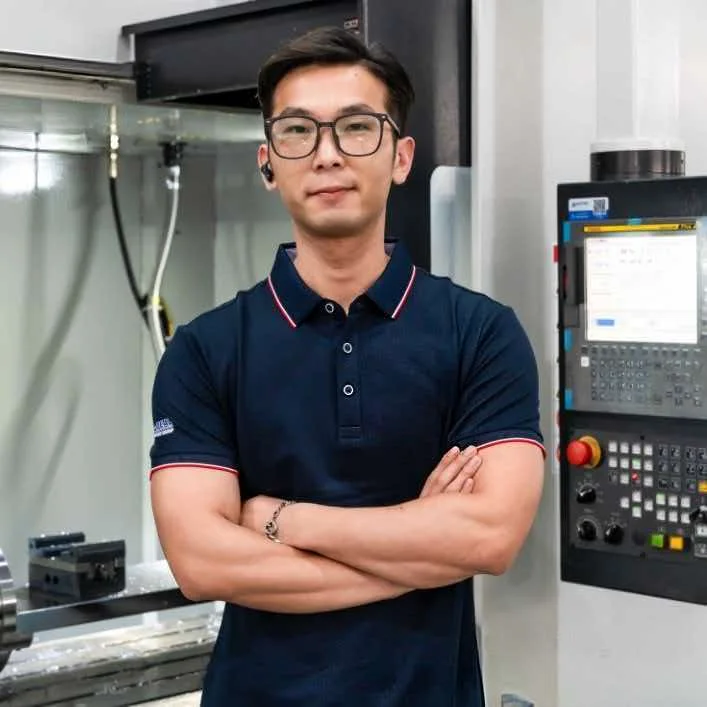
Machining removes material from a workpiece using cutting tools. It includes turning (rotating workpiece against stationary tool), milling (rotating cutting tool against workpiece), drilling (creating holes), grinding (abrasive finishing), and EDM (electrical discharge machining for complex shapes).
Welding
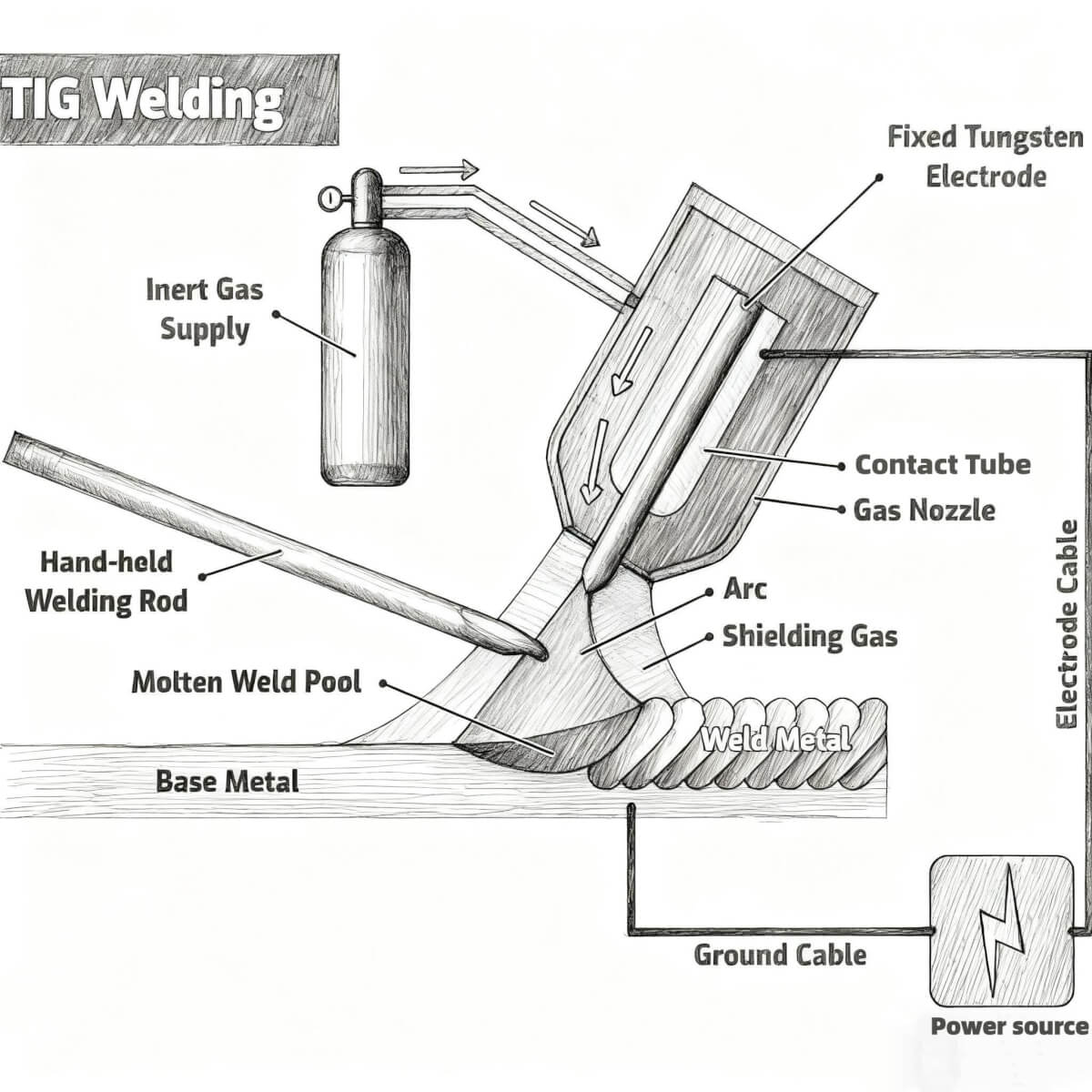
Welding joins metal parts by melting the base materials, often with added filler material. Common techniques include MIG welding (gas metal arc welding), TIG welding (tungsten inert gas), spot welding, laser welding, and friction stir welding.
Powder Metallurgy
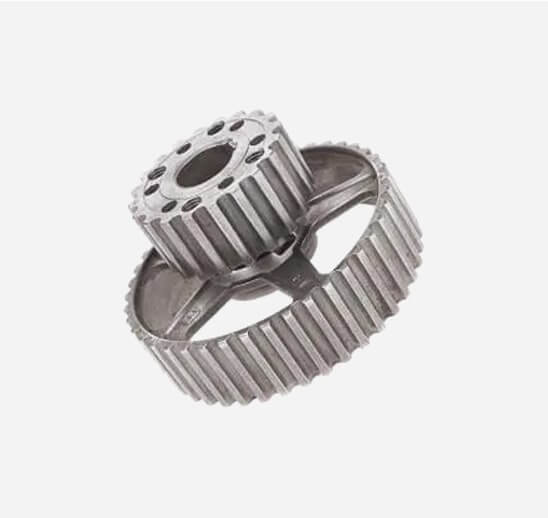
Metal powders are compressed into a desired shape and then heated (sintered) to bond the particles together. Powder metallurgy is ideal for producing parts with controlled porosity, complex shapes, and materials that are difficult to process by other methods.
Start Your Metal Fabrication Project Today
SHBD Metal offers comprehensive metal fabrication services including CNC machining, casting, forming, and welding. Contact us or request a quote today.
Comment
0 comments
Got thoughts or experiences to share? We’d love to hear from you!