
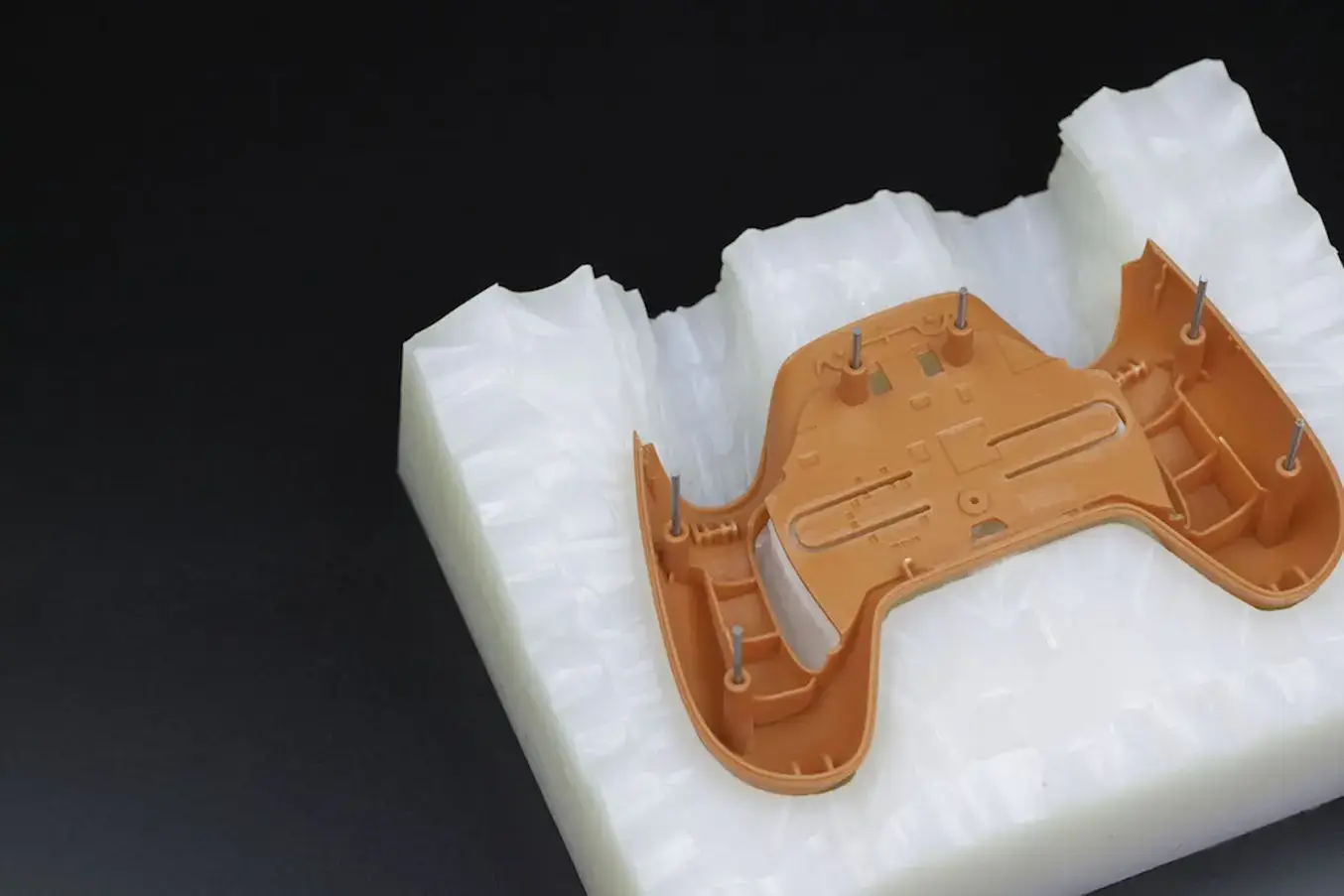
If you’ve ever needed to make a few dozen parts, but didn’t want to pay thousands for injection mold tooling, you’re exactly the kind of person urethane casting was made for. At its core, this process pours liquid urethane resin into a silicone mold, letting you produce strong, functional parts fast, without the usual production headaches. Whether you’re building prototypes or short-run batches, this method helps you move from idea to part in just a few days.
And you’re not the only one paying attention. In 2022, the global market for urethane casting resins hit $1.5 billion, and it’s expected to nearly double to $2.8 billion by 2030, growing at a steady 8.5% annually.
That growth is fueled by how versatile the process is. You can replicate fine details, test real-world performance with Shore A to Shore D materials, and even use 3D printed master models for custom geometries and surface textures.
In this article, we’ll focus on how urethane casting works, why it’s growing so fast, and what you need to know to get the most out of it.
What is Urethane Casting?
Urethane Hero Min
Comment
0 comments
Got thoughts or experiences to share? We’d love to hear from you!