
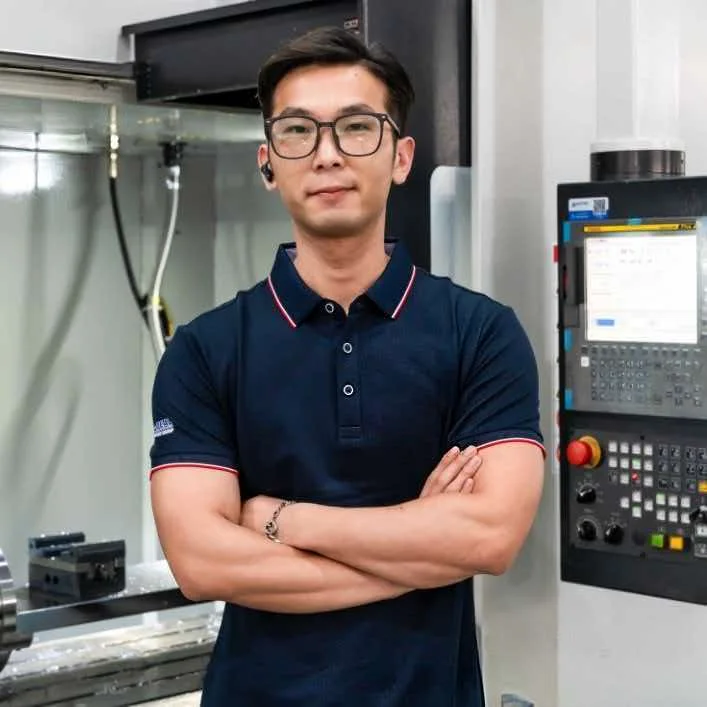

When a metal part needs a protective finish, the decision usually comes down to two familiar options: anodizing or powder coating. Both treatments make components tougher, more attractive, and more resistant to corrosion — yet they achieve those results through very different chemistry, equipment, and preparation. This guide explains how each finish works, where each one shines, where it falls short, and how to match the right process to your project.
What Is Anodizing?
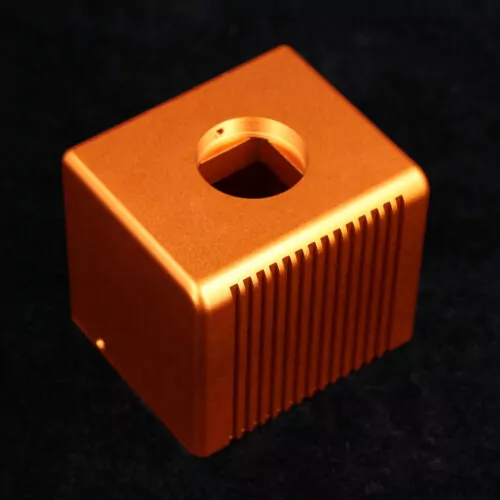
Anodizing is an electrochemical treatment that converts a metal surface into a hard, corrosion-resistant oxide layer. Aluminum and its alloys are by far the most common substrates for the process, but other non-ferrous metals — titanium, magnesium, and various alloys — can also be anodized successfully.
How Does Anodizing Work?
- Preparation: The part is cleaned thoroughly to remove dirt, grease, and any leftover coatings. A contaminant-free surface is essential, because the anodic layer can only bond to a perfectly clean substrate.
- Electrolytic bath: The cleaned component serves as the anode (positive electrode) inside an electrolytic bath of sulfuric acid held at a carefully controlled temperature.
- Electrochemical reaction: An electric current passes through the bath, and oxygen ions from the electrolyte react with metal atoms at the surface, building a dense oxide film. The freshly formed layer is naturally porous, which opens the door to additional finishing steps.
- Coloring: Dyes can be applied to the porous oxide layer to introduce color.
- Sealing: A final sealing stage — heating the part or immersing it in a sealing solution — locks in the color and improves corrosion resistance and overall durability.
Pros of Anodizing
- Corrosion and abrasion resistance: The oxide layer withstands moisture, chemicals, and salt, which makes anodized parts a dependable choice for harsh operating environments.
- Electrical insulation: The coating acts as an electrical insulator, a useful property for electronic components and assemblies.
- Integrated bond: Because the oxide layer grows out of the metal itself, it will not peel or flake the way an applied paint film can.
Cons of Anodizing
- Difficult repairs: A scratched or damaged anodized surface is hard to touch up — the part often has to be stripped and re-anodized to restore the finish.
- Limited colors: Anodizing offers a smaller palette of mostly muted, metallic tones, and long-term UV exposure can fade the color over time.
- Material limits: The process performs best on aluminum and does not adhere well to most other metals, which narrows where it can be applied.
What Is Powder Coating?
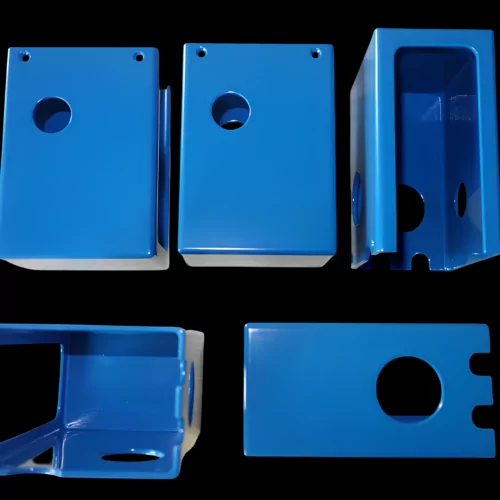
Powder coating applies a dry powder — typically a thermoplastic or thermoset polymer — onto a metal surface using an electrostatic charge, then bakes the part so the powder melts and fuses into a smooth, resilient film. The process is popular for its broad range of colors, textures, and its ability to produce a consistent, high-quality appearance.
The Powder Coating Process Step by Step
- Preparation: The metal is cleaned and often sandblasted or ground to roughen the surface, giving the powder something to grip.
- Application: The component is grounded while an electrostatic spray gun charges the dry powder, so the particles cling evenly to the metal surface.
- Curing: The coated part is heated to a predetermined temperature. The powder melts, flows into a continuous even layer, and chemically bonds to the substrate as it cures.
- Cooling: After curing, the part cools and the protective layer solidifies into a hard, durable coating.
Pros of Powder Coating
- Color and texture options: Gloss, matte, metallic, and textured finishes can all be produced, making it easy to match a specific design aesthetic.
- Durability: Cured powder resists chipping, scratching, and fading, keeping its appearance under heavy use and outdoor exposure.
- Versatility: Steel, aluminum, and even some plastics can be powder coated, and the process handles complex shapes and larger parts well.
Cons of Powder Coating
- Adhesion risk: If surface preparation or application is not done properly, the coating can peel or chip, shortening its service life.
- Thick film: Powder layers are substantially thicker than anodized films and can hide fine details, sharp edges, and intricate features.
- Preparation demands: The finish is only as good as the cleaning and priming underneath, so poor prep leads to premature failure.
Anodizing vs Powder Coating: Side-by-Side Comparison
| Feature | Anodizing | Powder Coating |
|---|---|---|
| Process | Electrochemical Oxidation | Electrostatic Application + Heat Curing |
| Material | Best for Aluminum | Most Metals (Aluminum, Steel, Iron, etc.) |
| Color Range | Limited, Natural Tones, Metallic Look | Wide Variety, Vibrant, Customizable |
| Finish Thickness | Thin (5 – 25 microns) | Thick (50 – 125 microns) |
| Durability | Corrosion Resistant and Hard Surface | Excellent Chip, Scratch, and Fade Resistance |
| Texture | Matte/Satin and Retains Metallic Feel | Wide Variety (Glossy, Matte, or Textured) |
| Repairability | Difficult to repair if damaged | Easier to touch-up or re-coat |
| Environmental Impact | Minimal VOCs, but uses acid electrolytes | Minimal VOCs and no solvents |
| Cost | Generally less expensive | Slightly costlier due to material and energy |
Which Should You Choose?
Choose anodizing when your parts are aluminum, need a sleek metallic appearance, and will face moisture or chemical exposure — it is also the more economical route for most aluminum work. Choose powder coating when your priority is bold color, specific texture, and a thick protective shell across a wider variety of materials. If the part will live outdoors, powder coating’s fade resistance is a strong argument; if dimensional accuracy and a thin, integrated finish matter more, anodizing wins.
At SHBD Metal we run both processes in-house, so the choice does not have to be final on day one — our engineers will review the part, its environment, and its tolerance requirements before recommending a finish. You can also explore the full range of options on our surface finishes overview or request a quote with your drawings to compare pricing and lead times side by side.
FAQs
Define anodizing.
Anodizing is an electrochemical finish that hardens and protects aluminum parts while improving their appearance.
Define powder coating.
Powder coating is a baked-on dry polymer finish that gives metal surfaces a durable, high-quality, long-lasting appearance.
Can you anodize steel?
No. Anodizing is specific to aluminum and its alloys; steel requires other corrosion-protection routes such as plating or painting.
Can you remove anodizing?
Yes. Anodized layers can be stripped using specialized chemical or mechanical processes to restore the original surface.
Is aluminum suitable for powder coating?
Absolutely. Aluminum takes powder coating well, and it is one of the most frequently coated materials — the finish protects the surface and improves how the part looks.
Can the powder coating be removed once it is applied?
Yes. Specialized stripping methods can take the coating off if the part needs to be refinished.

Comment
0 comments
Got thoughts or experiences to share? We’d love to hear from you!