

In the world of CNC machining, certifications and standards are more than just formalities—they’re the backbone of trust and excellence. Think about it: when you’re crafting precision components for industries like aerospace or medical manufacturing, there’s no room for error. Certifications tell your clients that you’re serious about quality, safety, and meeting the toughest industry demands.
Whether you’re running a small machine shop or supplying critical parts to global markets, certifications are your gateway to standing out in a competitive industry.
In this article, we’ll explore the key certifications, why they matter, and how they help you deliver top-notch results every time.
Why Are CNC Machine Certifications Important?

CNC machine certifications are indispensable for maintaining industry standards and ensuring that processes align with stringent quality and safety requirements. They act as a verification mechanism, proving that companies prioritize excellence and adhere to the highest industry benchmarks.
Certifications are not just regulatory checkboxes. They provide tangible benefits, such as improving manufacturing processes, reducing errors, and enhancing overall operational efficiency. In industries like aerospace manufacturing and medical device production, compliance with certifications like ISO 9001 or AS9100 is often a prerequisite. These certifications open doors to specialized markets and allow companies to compete at a global level.
Ensuring Precision and Quality
Certifications play a critical role in achieving precision and maintaining consistent quality. For instance, ISO 9001 requires the implementation of a Quality Management System (QMS) that emphasizes continual improvement and customer satisfaction. This leads to optimized workflows, reduced errors, and products that meet exact specifications.
In the CNC machining industry, where components often require tolerances as tight as ±0.01 mm, precision is non-negotiable. Certifications ensure that machinists, CNC machines, and processes operate within defined parameters, resulting in parts that meet or exceed customer expectations.
Enhancing Customer Satisfaction and Reputation
Certifications in CNC machining are essential for ensuring that your customers receive high-quality, reliable products. These certifications validate that your organization adheres to industry standards, which reassures customers that your processes are consistent and meet their expectations. Whether you are in aerospace manufacturing or providing CNC machining services for general industries, maintaining certifications demonstrates your dedication to quality and precision.
Achieving certifications like ISO 9001 or AS9100 strengthens your company’s reputation by showing a commitment to excellence. This is especially critical in industries that rely heavily on precision components, such as medical devices and aerospace manufacturing. Customers are more likely to trust a certified CNC service provider because certifications act as a stamp of verification, reflecting compliance with globally recognized standards.
Increasing Cost-Efficiency
Adhering to CNC machining certifications significantly reduces waste and enhances overall cost-efficiency. Standards such as ISO 9001 focus on establishing a robust Quality Management System (QMS), ensuring that processes are streamlined and optimized. This leads to fewer errors in production, reducing material waste and saving money on rework or scrap components.
Certified CNC machining services also experience improved machine efficiency. By following defined protocols for maintenance and operation, downtime is minimized, and productivity increases. These efficiencies lower production costs while maintaining high-quality output, which directly impacts your bottom line.
Reducing Downtime and Risk
Certifications in CNC machining play a significant role in reducing machine downtime and mitigating risks associated with manufacturing processes. Certified CNC machines and machining services adhere to quality management standards such as ISO 9001, which emphasize preventive maintenance, efficient workflows, and error reduction. By maintaining a robust quality management system (QMS), you ensure that machines operate at peak performance, reducing the likelihood of unexpected breakdowns.
Moreover, certifications like AS9100, often critical in aerospace manufacturing, require adherence to strict risk management practices. This includes verifying the reliability of components and implementing systematic procedures for issue resolution. Risk mitigation strategies, such as periodic audits and adherence to set standards, minimize production delays and enhance overall operational stability.
Gaining Competitive Advantage
CNC machining certifications provide a significant competitive edge in the industry. They demonstrate your commitment to excellence, ensuring customers that your machining processes align with globally recognized standards. For instance, holding an ISO 9001 certificate signals that your operations are designed to meet stringent quality control benchmarks, building trust with both existing and potential clients.
Fostering Innovation and Risk Mitigation
Certifications are not just about compliance—they also foster innovation by encouraging companies to adopt advanced machining techniques and cutting-edge technologies. For instance, adhering to standards like ISO 13485, which is critical for medical device manufacturing, requires implementing precise measurement systems and leveraging computer-aided design (CAD) for optimized part production. These practices drive continuous improvement in machining capabilities.
At the same time, certifications provide a structured approach to risk management. They enforce the implementation of safeguards that reduce the likelihood of process failures, such as incorporating real-time monitoring and comprehensive documentation.
What are the Main CNC Machining Certifications and Standards?

Key certifications include ISO 9001 for Quality Management, AS9100 for aerospace manufacturing, and ISO 13485 for medical devices. Each certification focuses on unique aspects, such as risk management, customer expectations, or compliance with industry standards. These certifications not only validate CNC machining capabilities but also help manufacturers gain trust and meet specific customer requirements.
ISO 9001 Quality Management
To achieve ISO 9001 certification, start by implementing a Quality Management System (QMS) tailored to your organization’s operations. Perform a gap analysis to identify areas for improvement and ensure compliance with ISO standards. Document all processes, train employees on the QMS, and conduct internal audits to verify adherence. Once prepared, engage a certified third-party auditor to assess your QMS. Address any non-conformities and finalize the audit process to earn the certificate.
Requirements: ISO 9001 requires organizations to establish a QMS focusing on customer satisfaction, continual improvement, and process consistency. Key requirements include identifying customer needs, defining organizational goals, and implementing effective documentation and measurement systems. Regular internal audits and management reviews are mandatory to ensure compliance. The standard also emphasizes risk-based thinking to proactively address potential issues, ensuring products meet customer expectations and regulatory obligations.
Where It Is Applicable: ISO 9001 is versatile and applicable to all industries, regardless of size or sector. From aerospace manufacturing to small machine shops, this certification ensures consistent quality and reliability across operations.
AS9100 Aerospace Standard
Achieving AS9100 certification involves fulfilling both ISO 9001 requirements and additional aerospace-specific standards. Start by developing a robust QMS that includes detailed risk management and traceability procedures. Train employees on aerospace quality expectations and implement necessary processes to meet product safety and reliability standards. Conduct internal audits to verify compliance and engage a certified auditor for a comprehensive assessment. Address any identified gaps, finalize the certification process, and schedule regular audits to maintain compliance.
Requirements: AS9100 emphasizes rigorous risk management, configuration control, and product traceability, ensuring that every component meets stringent aerospace industry standards. Additional requirements include supplier management, detailed process validation, and robust documentation systems. The certification also mandates enhanced focus on design validation and failure risk assessments to maintain the highest level of safety and reliability.
Where It Is Applicable: AS9100 is critical for aerospace and defense industries, where safety and reliability are paramount. Companies supplying parts or services in these sectors must comply with AS9100 to meet industry and customer expectations.
ISO 13485 Medical Devices
Achieving ISO 13485 certification involves several steps tailored for medical device manufacturing. Start by implementing a robust Quality Management System (QMS) that meets the standard’s requirements. Conduct a gap analysis to identify areas needing improvement. Next, ensure your processes align with regulatory compliance and risk management practices. Train your employees in ISO 13485 principles and document all procedures thoroughly. Perform internal audits to validate compliance and address any discrepancies. Finally, engage a third-party certification body to review your systems, conduct audits, and issue the certificate once you meet all criteria.
Requirements: ISO 13485 focuses on creating a QMS specific to medical device production, emphasizing risk management, regulatory compliance, and traceability. Key requirements include stringent documentation of design, manufacturing, and servicing processes. The standard mandates a focus on customer satisfaction by ensuring products meet safety and performance criteria. Additionally, companies must demonstrate the ability to identify and mitigate risks associated with medical device use.
Where It Is Applicable: ISO 13485 applies to companies involved in the design, production, and servicing of medical devices, ensuring these organizations meet stringent industry standards for safety and performance.
ITAR Compliance
To achieve ITAR compliance, your organization must first register with the Directorate of Defense Trade Controls (DDTC). Next, implement security protocols to control access to defense-related technologies and components. Train employees on ITAR regulations and ensure proper documentation for all processes. Establish a compliance program that includes periodic audits to monitor adherence to ITAR requirements. Secure your facility and information systems to prevent unauthorized access or export of restricted items. Finally, submit your compliance documentation for verification and maintain regular updates to ensure ongoing adherence to evolving ITAR standards.
Requirements: ITAR requires strict control over the export, storage, and handling of defense-related items listed on the U.S. Munitions List (USML). Organizations must implement secure processes to prevent unauthorized access, including cybersecurity measures and facility safeguards. Proper documentation of all transactions, training for employees, and robust auditing practices are critical. Adherence to ITAR regulations ensures that sensitive technologies and materials remain within authorized channels, mitigating risks of unauthorized export.
Where It Is Applicable: ITAR compliance is mandatory for companies in the defense and aerospace industries that work with U.S. Munitions List items, ensuring secure handling of sensitive components and technologies.
ISO 14001 Environmental Management
Achieving ISO 14001 certification involves several structured steps. First, assess your organization’s current environmental practices by conducting a gap analysis to identify areas for improvement. Develop an Environmental Management System (EMS) tailored to your company’s processes, ensuring it meets ISO 14001 standards. Train employees on the EMS and its integration into daily operations. Perform internal audits to verify compliance and address any non-conformities. Once ready, engage a third-party certification body for an external audit. Address any findings from this audit and submit final documentation. Certification is awarded upon successful verification of compliance.
Requirements: ISO 14001 mandates the implementation of an effective EMS focused on minimizing environmental impact and complying with relevant laws and regulations. This includes identifying and managing environmental risks, setting measurable objectives, and maintaining records of performance. Key requirements also involve stakeholder communication, regular training for employees, and establishing emergency response plans. Compliance must be verified through continuous monitoring and internal audits, ensuring adherence to legal obligations and the principles of sustainability.
Where It Is Applicable: ISO 14001 applies across industries aiming to demonstrate environmental responsibility and sustainability. It is particularly relevant in sectors like manufacturing, aerospace, and CNC machining, where reducing waste and resource consumption is critical.
ISO 45001 Occupational Health and Safety
Obtaining ISO 45001 certification requires a clear focus on workplace safety. Start by identifying potential risks and hazards in your workplace through a thorough risk assessment. Develop an Occupational Health and Safety Management System (OHSMS) that aligns with ISO 45001 standards. Train employees to understand safety protocols and ensure compliance at all levels. Conduct internal audits to evaluate system performance and resolve non-compliance issues. Engage an accredited certification body to perform an external audit.
Requirements: ISO 45001 focuses on preventing workplace injuries and illnesses by establishing an effective OHSMS. Key requirements include proactive risk assessments, setting safety objectives, and implementing controls to mitigate identified risks. Employee involvement is critical, ensuring that safety protocols are understood and practiced at all levels. Documentation of incidents, routine training, and compliance with legal and regulatory obligations are also required. The standard emphasizes continual improvement through periodic reviews and audits.
Where It Is Applicable: ISO 45001 is applicable across industries prioritizing employee well-being and safety. From CNC machining services to aerospace manufacturing, the standard helps organizations create safe and healthy workplaces while meeting compliance requirements.
Specialized Certifications for Diverse Industries
In the CNC machining industry, specialized certifications validate expertise and ensure compliance with specific industry requirements. These certifications go beyond general standards, addressing niche skills and processes crucial for certain sectors.
- Manufacturing Technician Level I Certification: The Manufacturing Technician Level I Certification is designed to validate fundamental skills and competencies in manufacturing and production roles. It focuses on proficiency in using CNC machines, quality control practices, and understanding components and assembly processes. Earning this certification assures employers of a candidate’s ability to meet industry standards and perform efficiently in manufacturing settings.
- Precision Sheet Metal Operator: The Precision Sheet Metal Operator certification measures an individual’s knowledge of sheet metal operations, including safety procedures, material handling, and quality standards. This certification is crucial for machinists and CNC machinists working with cutting tools, CNC lathes, and other precision machining equipment. It ensures adherence to workplace safety and operational excellence while meeting customer expectations.
What are the Steps to Achieve and Maintain CNC Machining Certifications?

Achieving and maintaining CNC machining certifications requires a strategic approach to align your operations with industry standards. This process involves preparation, implementation, evaluation, and continuous improvement to meet the expectations set by certifications like ISO 9001, AS9100, or other specialized standards. Here’s a detailed breakdown of the steps:
Preparation and Training
Preparation is the foundation of a successful certification journey. Conduct a gap analysis to evaluate your current processes against the certification requirements. This step identifies areas that need improvement, such as documentation, quality control practices, or employee skills. Training employees is equally important, as their understanding of standards like ISO 9001 ensures consistent adherence to quality management principles. Workshops and hands-on training sessions can enhance their proficiency in handling CNC machines, quality standards, and process optimization.
Documentation and Implementation
Developing a Quality Management System (QMS) is critical for meeting certification requirements. A well-designed QMS integrates your operational workflows with certification guidelines, ensuring traceability and accountability. Document every aspect of your processes, from CNC machining operations to quality control measures. This includes maintaining records of material usage, customer expectations, and compliance with standards. Once the QMS is established, implement it across all departments to ensure seamless operations.
Internal and External Audits
Regular audits validate your compliance with certification standards. Start with internal audits to review your processes and identify areas needing adjustment. This step ensures readiness before engaging external auditors. Certified external auditors evaluate your adherence to certification criteria, such as quality management systems, precision in machining, and compliance with safety regulations. Address any non-conformities identified during the audits to move closer to certification.
Certification and Renewal
Certification is awarded once you meet all the requirements and pass external audits. To maintain it, commit to continuous improvement through periodic reviews and updates to your QMS. Regularly train employees, update documentation, and adapt to changes in industry standards. Certification renewals often require additional audits, ensuring your operations remain aligned with the latest requirements. This commitment reinforces your credibility and ensures long-term success in the CNC machining industry.
What are the Main Challenges Associated with Maintaining CNC Machining Certifications?
Maintaining CNC machining certifications comes with several challenges, including resource allocation and employee engagement. Implementing and sustaining standards like ISO 9001 or AS9100 require consistent investment in tools, training, and quality control processes. Small machine shops often struggle to balance the costs of compliance with operational expenses. Additionally, keeping employees engaged in adhering to quality management system (QMS) protocols can be difficult without proper incentives or ongoing training. To overcome these hurdles, you should prioritize regular training sessions, assign clear responsibilities, and integrate compliance goals into everyday workflows.
Challenges of International Compliance
For CNC machining companies operating globally, meeting international standards poses its own set of challenges. Variations in regulations, such as those for aerospace manufacturing in the US versus Europe, require tailored approaches to compliance. Aligning with diverse certification programs, such as ISO and ITAR, demands expertise in navigating complex documentation and verification processes. Language barriers, regional customer expectations, and differing quality standards further complicate compliance efforts. To manage these challenges, invest in region-specific training, collaborate with local regulatory experts, and ensure your QMS accommodates international obligations.
Verifying Certification Relevance and Assessing Renewal
Ensuring that your CNC machining certifications remain relevant and up to date is essential for maintaining operational excellence and customer trust. Follow these key steps:
- Define your requirements: Start by identifying the certifications that align with your organization’s operations, such as ISO 9001 for quality management or AS9100 for aerospace manufacturing. Consider industry-specific needs and customer expectations.
- Research industry standards: Stay informed about updates in the CNC machining industry to ensure your certifications meet the latest quality standards and regulatory requirements.
- Check for regulatory compliance: Regularly verify that your processes align with local and international regulations, especially if you operate across multiple regions.
- Verify certification relevance: Assess whether your current certifications support your business objectives and still meet market demands.
- Assess certification renewal consistency: Understand renewal cycles and maintain documentation to ensure certifications remain valid without lapses.
- Consider specialized certifications: Evaluate industry-specific certifications that may add value, such as those for CNC machinists or components used in aerospace manufacturing.
How to Select a CNC Machining Service Partner?
Choosing the right CNC machining service partner is critical for ensuring the quality and precision of your projects. A reliable partner should demonstrate expertise, offer robust quality control, and hold relevant certifications that align with your industry needs. Here’s a breakdown of the key considerations to make an informed decision.
Importance of Certifications in Selection
Certifications such as ISO 9001 and AS9100 are essential markers of quality and compliance. These certifications indicate that the CNC machining services provider adheres to industry standards for quality management and safety. For example, SHBD Metal, an ISO 9001:2015-certified provider, delivers mass production machining with tolerances as tight as ±0.01 mm, ensuring consistent quality. Certifications also verify the supplier’s ability to meet customer expectations, particularly in specialized industries like aerospace manufacturing, where precision is critical. Choosing a certified partner means you can trust their processes and expertise to deliver your components efficiently, with turnaround times as fast as five days for high-volume orders.
Assessing Capabilities and Expertise
A CNC machining partner’s technical capabilities and industry experience should align with your project requirements. Evaluate their proficiency in handling complex designs using computer-aided design (CAD) tools, their familiarity with materials, and their experience in producing intricate components. Reviewing their portfolio or case studies can provide insights into their ability to deliver on complex machining projects, ensuring reliability and performance.
Quality Management Systems
A strong Quality Management System (QMS) demonstrates a partner’s commitment to continuous improvement and adherence to quality standards. This includes maintaining traceability for parts, regular process audits, and implementing advanced measurement systems to ensure consistency. A well-developed QMS aligns with certifications like ISO 9001, ensuring the production processes meet your specific needs while minimizing errors and delays.
Real-World Results
Case studies and customer feedback provide tangible evidence of a CNC service provider’s capabilities. Look for partners with proven success in meeting deadlines, maintaining customer satisfaction, and delivering high-quality components. Positive reviews from industries similar to yours, whether aerospace, medical devices, or general manufacturing, validate their reliability and performance.
What are the Benefits of CNC Certifications for Clients?

CNC certifications provide significant benefits for clients by guaranteeing reliable and high-quality machining services. These include:
- Consistent quality: Certifications ensure strict adherence to quality management practices, leading to precision and uniformity in every manufactured part.
- Reduced risk of defects: Processes aligned with certifications minimize errors and waste, resulting in cost-effective and reliable outcomes.
- Elevated trust and confidence: Clients can rely on certified service providers to meet industry expectations and comply with regulatory requirements.
- Streamlined communication and transparency: Certifications standardize workflows, simplifying project management and enhancing client collaboration.
- Access to specialized markets: Certifications like AS9100 enable clients to work within industries with strict compliance standards, such as aerospace or medical device manufacturing.
- Competitive advantage: Partnering with certified machining providers ensures reliability, professionalism, and long-term partnerships built on trust.
What is the Role of Third-Party Auditors in CNC Certification?
Third-party auditors are instrumental in the certification process, ensuring that organizations comply with established industry standards. These auditors conduct detailed evaluations of processes, quality management systems, and safety measures to confirm compliance with certifications like ISO 9001 or AS9100.
Their role extends beyond initial certification. They help organizations identify gaps, implement corrective actions, and maintain standards over time. Auditors also conduct regular renewal assessments, ensuring the company continues to meet certification criteria and industry requirements.
Choosing the right auditor is critical. Look for auditors with expertise in CNC machining and a strong understanding of industry-specific certifications. They should have experience working with organizations in your field, providing reliable evaluations and actionable insights.
Resources and Support for CNC Certification
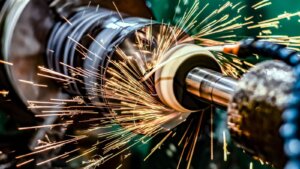
Achieving CNC certification requires access to the right resources and support systems. Training and educational programs equip employees with the skills needed to meet certification standards, while government and industry support programs provide financial and technical assistance. By leveraging these resources, companies can streamline their certification journey, ensure compliance with industry standards, and improve their operational capabilities.
Training and Educational Resources
To achieve CNC certification, training and education are critical for preparing your team. Many resources are available, such as online courses, in-person workshops, and vendor-specific training programs. Platforms like Coursera, LinkedIn Learning, and CNC machining associations offer modules focused on industry standards, quality control, and advanced machining techniques. Hands-on workshops conducted by industry organizations allow machinists to gain practical knowledge of processes, tools, and certifications like ISO 9001 or AS9100.
Government and Industry Support Programs
Government and industry programs often provide financial assistance and technical guidance to help companies achieve CNC certifications. Subsidies, tax credits, and grants are available at the federal and state levels to offset the costs of certification processes, such as implementing a quality management system or conducting audits. Organizations like the National Institute of Standards and Technology (NIST) and local manufacturing associations also offer mentorship and resources tailored to small and medium-sized enterprises.
Conclusion
CNC machining certifications are more than just a badge—they’re a promise of quality, precision, and trust. They show your commitment to delivering top-tier components while meeting strict industry standards and regulations. In the CNC machining field, certifications aren’t just about compliance; they’re about opening doors to exciting opportunities in industries like aerospace and medical manufacturing, where precision is everything.
When you invest in certifications, you’re not just meeting expectations—you’re raising the bar. It’s about equipping your team with the right training, tapping into government resources, and choosing the right auditors to guide you. So with the right certifications, you can build credibility, attract loyal clients, and create a foundation for long-term success.
Comment
0 comments
Got thoughts or experiences to share? We’d love to hear from you!